
As the temperatures drop and winter sets in, many gardeners assume that their growing season is over. But what if I told you that you can still grow delicious and nutritious vegetables year-round? With a little planning and know-how, you can continue to enjoy fresh produce even on the chilliest of days. In this article, we’ll share expert tips on selecting the right varieties for winter growth, planning for season extension, and caring for your plants to ensure they thrive in cold conditions. From root vegetables like carrots and beets to leafy greens like kale and spinach, we’ll cover everything you need to know to grow a winter harvest that’s both flavorful and sustainable.
Choosing the Right Winter Vegetables
When it comes to growing vegetables in winter, selecting the right varieties is crucial. In this section, we’ll walk you through the process of choosing the best winter veggies for your garden.
Selecting Cold-Hardy Varieties
When it comes to selecting cold-hardy varieties for winter gardening, you’ll want to focus on vegetables that thrive in cooler temperatures. These hardy veggies not only tolerate but actually benefit from the chilly conditions, making them perfect for winter harvests.
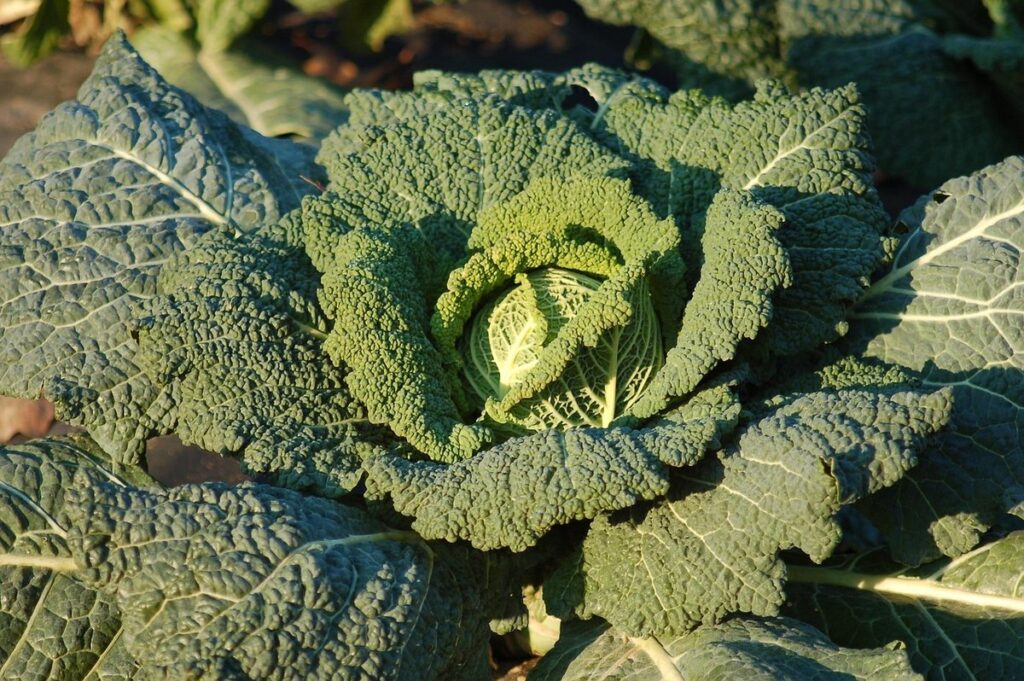
Kale is a standout example of a cold-hardy variety. Its growth habit is relatively slow, which means it can be harvested continuously throughout the winter months without becoming too bitter. Not only that, but kale’s rich, earthy flavor profile makes it a staple in many winter meals. Plus, it’s packed with vitamins A, C, and K, making it an excellent addition to salads and sautés.
Spinach is another cool-season crop that excels in winter conditions. Its growth habit is rapid, allowing for multiple harvests before the first frost sets in. With a sweet, mild flavor profile, spinach is perfect for adding fresh color and nutrients to meals. Rich in iron and antioxidants, spinach is an excellent choice for those looking to boost their health during the cold winter months.
Broccoli and Brussels sprouts are also top contenders when it comes to cold-hardy varieties. Their growth habits are relatively slow, but they’re well worth the wait, offering a delicious and nutritious harvest throughout the winter.
Planning for Season Extension
Planning for season extension is crucial to growing vegetables during the winter months. This involves selecting the right materials and designing an effective system for protecting plants from extreme weather conditions.
Start by assessing your garden’s exposure to wind, sun, and frost pockets. Consider using cold frames, which are essentially covered beds that trap warmth and protect plants from harsh winds. Hoop houses or poly tunnels can also be effective, providing a more extensive growing space for winter crops. Row covers, lightweight sheets of breathable fabric, offer an affordable solution for protecting individual plants.
When choosing materials, consider durability and ease of use. Cold frames should be built with sturdy frames and insulated walls to retain heat. Hoop houses require durable plastic or polyethylene coverings that can withstand wind and snow loads. Row covers come in various weights and densities; select one that allows for adequate light transmission while keeping frost at bay.
Consider the size and shape of your garden beds, as well as the layout of your plants, when designing a season extension system. Ensure that air can circulate within the structure to prevent moisture buildup and associated diseases.
Preparing the Soil for Winter Planting
Before you start planting, it’s essential to prepare your soil for winter, as a well-tended bed will ensure healthy growth and bountiful harvests. Learn how to create the perfect conditions for success.
Testing and Amending the Soil
When it comes to growing vegetables in winter, preparing the soil is just as crucial as choosing the right varieties. One of the most important steps in this process is testing and amending the soil to ensure it’s in optimal condition for plant growth.
To do this, start by testing the pH levels of your soil using a DIY kit or sending a sample to a lab for analysis. Most vegetables prefer a slightly acidic to neutral soil pH between 6.0 and 7.0. If your soil is too alkaline or acidic, it may affect nutrient availability and plant growth.
Once you’ve identified any nutrient deficiencies, it’s time to add organic matter and fertilizers as needed. Mix in compost or well-rotted manure to improve soil structure and fertility. For areas with low soil pH, consider adding lime to raise the levels. Conversely, sulfur can be added for acidic soils. Remember to follow the recommended application rates to avoid over-amending.
As a general rule of thumb, add 2-4 inches of compost or well-rotted manure per season. This will not only provide essential nutrients but also improve soil’s water-holding capacity and structure.
Creating a Cold Frame or Hoop House Bed
Building a cold frame or hoop house bed is an excellent way to extend the growing season and keep vegetables thriving throughout the winter months. To start, select a location with full sun and well-draining soil. When choosing materials, consider using durable wood like cedar or recycled plastic for its longevity.
The size of your structure will depend on the space you have available and the number of plants you want to grow. A good rule of thumb is to build a cold frame that’s at least 4-6 feet long and 2-3 feet wide. For hoop houses, start with a minimum height of 6-8 feet to allow for easy walking and ventilation.
When designing your structure, think about light transmission and temperature control. Consider using polycarbonate or acrylic panels for optimal light penetration. You can also add automatic vents to regulate internal temperatures and prevent overheating during warmer days. By building a well-designed cold frame or hoop house bed, you’ll be able to grow a variety of winter vegetables like kale, spinach, and Brussels sprouts with ease.
Sowing Seeds in Winter
You’re eager to get started on sowing seeds, but winter can be a challenging time for gardening. Let’s explore the best techniques for sowing seeds in winter that will give you a head start on your harvest.
Starting Seeds Indoors
Starting seeds indoors is an excellent way to get a head start on the growing season and ensure that your vegetables have a good chance of survival. To do this successfully, you’ll need to begin 4-6 weeks before the last frost date for your area. This allows the seedlings to develop strong roots and become more resilient before being transplanted outside.
To start seeds indoors, use a high-quality seed starting mix specifically designed for indoor seeding. Fill containers with this mix, leaving about 1/4 inch of space at the top. Plant the seeds according to the package instructions, usually 2-3 times as deep as the seed is wide. Keep the soil consistently moist but not waterlogged.
Provide adequate light, heat, and humidity for healthy germination and growth. Most seedlings require 12-14 hours of light per day. You can use grow lights or place them near a sunny window. Maintain temperatures between 65-75°F (18-24°C) and keep the air humid to prevent drying out.
Keep in mind that some vegetables are more suitable for indoor seeding than others. Lettuce, spinach, herbs, and small peppers usually do well indoors. However, larger plants like tomatoes and eggplants may require more space and care before being transplanted outside.
Direct Sowing into Cold Frames or Hoop Houses
Direct sowing into cold frames or hoop houses is an excellent way to extend the growing season and enjoy a wider range of vegetables during winter. These structures provide a microclimate that’s warmer than the outside air temperature, allowing for faster germination and growth.
When preparing soil for direct sowing in cold frames or hoop houses, make sure it’s rich in organic matter. Add compost or well-rotted manure to improve soil structure and fertility. Choose varieties that mature quickly (around 50-60 days) and are resistant to cold temperatures. Some examples of winter-hardy vegetables include kale, spinach, lettuce, and radishes.
When sowing seeds, follow the same spacing guidelines as for outdoor gardens. Water the soil gently but thoroughly after sowing. To protect plants from extreme weather conditions, ensure that your cold frame or hoop house has adequate ventilation to prevent overheating. A layer of row covers can also be used to shield delicate seedlings from harsh winds and frost. By following these steps, you’ll be able to enjoy a bountiful harvest even in the dead of winter.
Caring for Winter Vegetables
Now that you’ve successfully grown your winter vegetables, it’s time to focus on caring for them to ensure a bountiful harvest. Proper care will make all the difference in their flavor and nutritional value.
Watering and Mulching Techniques
Adequate watering and mulching are crucial for maintaining soil moisture and regulating temperature in cold frames or hoop houses. When growing vegetables in winter, it’s essential to ensure that the soil remains consistently moist but not waterlogged.
To achieve this balance, you should water your plants deeply but infrequently. For example, if you’re growing spinach or lettuce, aim to provide about 1-2 inches of water per week. You can use soaker hoses or drip irrigation systems to deliver water directly to the roots, reducing evaporation and runoff.
Mulching is another vital technique for maintaining soil temperature and moisture. Organic mulches such as straw, bark chips, or grass clippings help retain heat and suppress weeds that compete with your vegetables for water and nutrients. Apply a 2-3 inch layer of mulch around the base of your plants, keeping it a few inches away from the crown to prevent rot.
Regularly check soil moisture by inserting a finger into the soil up to the knuckle. If the soil feels dry, it’s time to water. With proper watering and mulching techniques, you’ll be able to maintain optimal growing conditions for your winter vegetables.
Monitoring for Pests and Diseases
Monitoring for pests and diseases is crucial to ensure a healthy crop of winter vegetables. Start by regularly inspecting your plants for signs of damage, such as holes in leaves or flowers, yellowing or discoloration, or actual pest presence like aphids, whiteflies, or slugs.
To detect potential issues early on, check the undersides of leaves and stems, where pests often hide. For example, aphids can multiply rapidly and suck sap from plants, weakening them. Slugs and snails can cause significant damage to leafy greens, brassicas, and other winter crops at night.
Powdery mildew is another common issue in cool-season vegetables like lettuce, spinach, and kale. It appears as a white or grayish coating on leaves. To manage powdery mildew, remove infected leaves, improve air circulation around plants, and use fungicides if necessary.
When dealing with pests, adopt an integrated pest management (IPM) approach that combines physical barriers, traps, and organic controls whenever possible. For instance, using row covers can prevent slugs and snails from reaching your winter vegetables.
Troubleshooting Common Issues
We’ve all been there – a struggling seedling, a pest problem, or a frost that’s ruined our harvest. This section will help you troubleshoot common winter gardening issues and get back on track.
Dealing with Frost Damage
Frost damage can be devastating to winter vegetable gardens. One of the most common signs of frost damage is the appearance of white, powdery patches on leaves or stems. If you notice these patches, it’s essential to take action quickly to prevent further damage.
When recognizing frost damage, assess the extent of the damage and determine if any plants can be salvaged. For example, if only a few leaves are affected, it may be possible to prune them off without harming the rest of the plant. However, if significant damage has occurred, it’s often better to start over with new seedlings.
To prevent frost damage in the first place, choose cold-hardy varieties and provide protection during prolonged periods of frost. This can be achieved by using row covers or bringing plants under a canopy or greenhouse. Additionally, ensure that soil is consistently moist but not waterlogged, as this can exacerbate damage.
Adjusting for Climate Change Impacts
As you plan to grow vegetables in winter, it’s essential to consider the impact of climate change on weather patterns. Rising temperatures and altered precipitation patterns are becoming more frequent, affecting the growth and yield of your winter crops. In some areas, winters may be warmer and drier, while others may experience extreme cold snaps or heavy rainfall events.
To adapt to these changing conditions, use drought-tolerant varieties of vegetables that require less water. For example, choose broccoli or kale instead of lettuce or spinach, which are more susceptible to moisture stress. Adjust your planting schedules accordingly by selecting cooler-season crops like Brussels sprouts or carrots, which thrive in the winter months.
Consider using mulch or row covers to retain moisture and regulate soil temperature. This can help extend the growing season and protect against frost damage. By incorporating these strategies into your winter gardening routine, you’ll be better equipped to handle the challenges posed by climate change and enjoy a bountiful harvest of fresh vegetables all year round.
Harvesting Winter Vegetables
Now that you’ve successfully grown your winter veggies, it’s time to harvest them at their peak flavor and nutrition. Learn the best methods for picking and storing your hard-won produce.
Timing and Frequency of Harvests
As you wait for your winter crops to mature, timing and frequency of harvests become crucial factors to ensure optimal yields and flavors. Knowing when your vegetables are ripe is essential to enjoying their peak quality.
In general, winter vegetables like Brussels sprouts, broccoli, and kale take longer to mature than their summer counterparts. As a rule of thumb, most winter crops require 120-180 days from sowing to harvest. However, this can vary depending on the specific variety, climate, and growing conditions.
To determine when your winter veggies are ready for consumption, check for signs like color change (e.g., Brussels sprouts turning from green to brown), texture (e.g., broccoli florets becoming tender), or flavor (e.g., kale leaves developing a sweeter taste). Regularly inspect your plants, and harvest them at the peak of ripeness.
Typically, winter crops should be harvested every 7-10 days to encourage continuous growth. For example, if you’re growing Brussels sprouts, remove the main stem when it reaches about 6 inches tall, allowing side shoots to develop in its place.
Preserving Winter Harvests
When you’ve finally harvested your winter vegetables, it’s essential to preserve them for future meals. Preservation methods vary depending on the type of vegetable and personal preference. Freezing is an excellent option for leafy greens like kale and spinach, as well as herbs like parsley and basil. Simply chop or puree the vegetables, place them in airtight containers or freezer bags, and store them at 0°F (-18°C) or below.
For root vegetables like carrots and beets, canning is a better choice. Follow tested recipes to ensure proper acidity levels and processing times to prevent spoilage. Canning equipment and expertise may seem intimidating, but investing in a good canner’s kit and guidelines can make the process manageable.
Some vegetables, such as broccoli and cauliflower, are well-suited for dehydrating. This method removes excess water content, allowing you to store them compactly while retaining nutrients. Simply slice or chop the vegetables and dry them using a food dehydrator or your oven on its lowest temperature setting.
Storing winter harvests in a root cellar is another excellent preservation option. This involves creating an underground space with ideal humidity levels for long-term storage. Cool-season crops like Brussels sprouts, cabbage, and turnips will thrive in such conditions, maintaining their flavor and nutritional value.
Frequently Asked Questions
How do I determine which vegetables are suitable for my specific climate?
Conduct research on the average winter temperatures and frost dates in your area to choose varieties that are resistant to cold stress. You can also consult with local nurseries or gardening experts who have experience growing winter crops in similar conditions.
Can I grow all types of vegetables year-round, including those typically associated with warmer weather?
While some warm-season crops like tomatoes and peppers can be grown using techniques like hydroponics or indoor containers, they may not thrive in colder temperatures. Focus on selecting varieties that are naturally suited to winter growth, such as root vegetables and leafy greens.
How do I maintain soil quality during the winter months when plants are dormant?
To keep your soil healthy during the winter, continue to mulch around plants to retain moisture and suppress weeds. You can also apply a thin layer of compost or well-rotted manure to replenish nutrients. This will help promote healthy growth come springtime.
Are there any specific considerations for growing vegetables in containers during the winter?
Yes. When growing in containers, make sure they are at least 6-8 inches deep and have good drainage holes to prevent waterlogged soil. Use a high-quality potting mix that is designed for cold weather crops and provide adequate light, either from direct sunlight or supplemental lighting.
What are some common pests and diseases I should be aware of when growing winter vegetables?
Some common pests that target winter crops include aphids, slugs, and snails. Regularly inspect your plants and take action promptly if you notice any damage. As for diseases, fungal infections like powdery mildew and downy mildew can occur in cold, wet conditions. Practice good sanitation and crop rotation to minimize the risk of disease.