
Growing your own white pumpkins can be a truly rewarding experience, not just for their stunning appearance but also for their unique charm. These gorgeous gourds add a touch of elegance to any space, from fall decor to kitchen tables. However, growing them requires some expertise and attention to detail. If you’re new to pumpkin cultivation or looking to improve your skills, this article is here to guide you through the process. We’ll cover everything from selecting the right varieties to sowing, caring for, and displaying these beautiful white pumpkins. You’ll learn expert tips on preparing the perfect soil, controlling pests, harvesting at the right time, storing them for a longer shelf life, cooking with them, and even decorating ideas that will make your home shine during the autumn season.
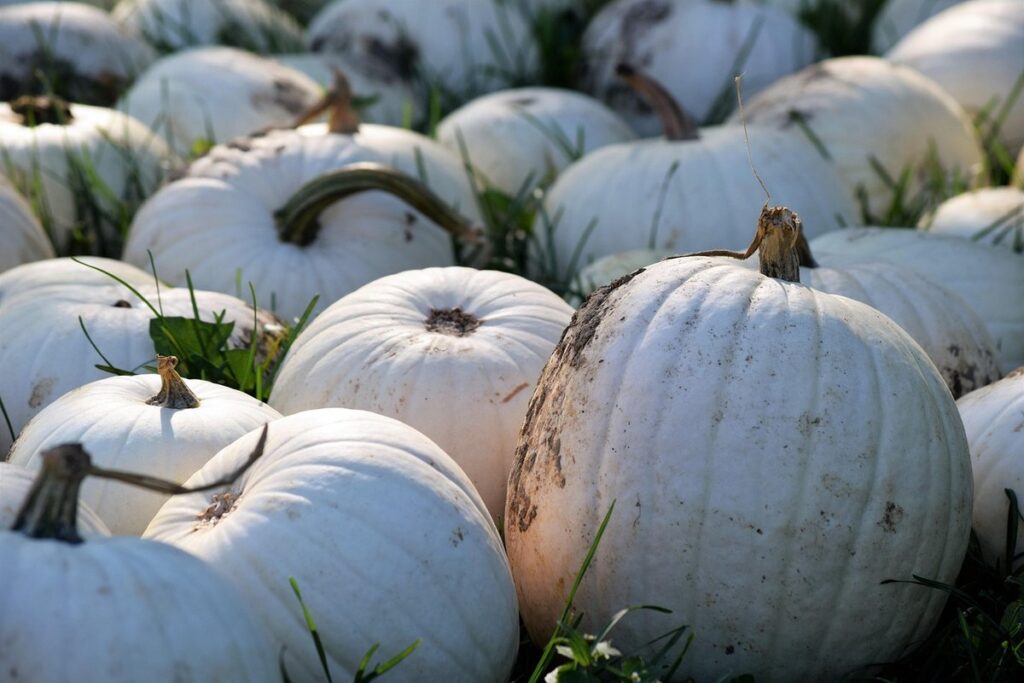
Choosing the Right Variety
When it comes to growing white pumpkins, selecting the right variety is crucial for achieving the perfect results. This section will walk you through the key factors to consider in making your choice.
Understanding Pumpkin Types
When it comes to growing white pumpkins, understanding the different types is crucial. Not all white pumpkins are created equal, and each variety has its unique characteristics. You’ll often find three main categories: heirloom, hybrid, and miniature varieties.
Heirloom white pumpkins are prized for their unique shapes and traditional appearance. They’re often smaller in size, with a more delicate rind and sweet flavor profile. ‘Cinderella’ is a popular heirloom variety known for its symmetrical shape and ghostly white color. On the other hand, hybrid varieties like ‘Baby Boo’ and ‘Snowball’ offer larger sizes and a more uniform appearance.
Miniature white pumpkins are perfect for small gardens or containers. They’re compact, with a smaller diameter and weight, making them ideal for decorating. Some popular miniature varieties include ‘Jack Be Little’ and ‘Wee Willie’. When choosing the right variety, consider your garden’s climate, available space, and desired pumpkin size to ensure you select a type that thrives in your conditions.
Popular White Pumpkin Varieties to Grow
When it comes to growing white pumpkins, you have several popular varieties to choose from. One of the most sought-after types is the ‘Baby Boo’ pumpkin, which produces small, round fruits with a smooth, cream-colored skin. These pumpkins are relatively easy to grow and can thrive in containers or directly in the ground.
Another popular variety is the ‘Snowball’ pumpkin, known for its symmetrical, spherical shape and bright white color. Snowball pumpkins require full sun and well-draining soil to produce their best results. They also have a long maturation period of around 100 days, so be sure to plan accordingly.
For smaller spaces or containers, consider growing the ‘Libby’s Baby White’ pumpkin variety. These compact plants produce smaller fruits that are perfect for decorating or cooking. They require minimal care and can thrive in partial shade, making them an excellent choice for gardeners with limited space.
When selecting any of these varieties, make sure to choose disease-resistant seeds or seedlings to minimize the risk of fungal diseases common in white pumpkin varieties. With proper care and attention, your chosen variety should provide a bountiful harvest of beautiful, pure-white pumpkins.
Preparing the Soil for Growth
Before planting your white pumpkins, it’s essential to prepare the soil by loosening and aerating it to give your vines the best chance at healthy growth. This simple step sets the foundation for a bountiful harvest.
Testing and Conditioning Your Soil
When growing white pumpkins, it’s crucial to start with optimal soil conditions. This means testing and conditioning your soil to ensure it has the right balance of nutrients for healthy growth.
To collect a soil sample, dig a small hole about 6-8 inches deep and scoop out a small amount of soil from the center. You can use a garden fork or trowel to get a representative sample. Take care not to include any debris or roots in your sample. Next, send this sample to a lab for analysis, where they’ll test pH levels, nutrient content (such as nitrogen, phosphorus, and potassium), and micronutrients like calcium and magnesium.
Typically, white pumpkin varieties prefer slightly acidic to neutral soil with a pH between 6.0-7.0. If your results show high levels of acidity or alkalinity, you can adjust the pH by adding organic matter like compost or lime. Based on the test results, you may also need to add specific nutrients to ensure optimal growth.
A good rule of thumb is to test and condition your soil at least 2-3 months before planting pumpkins. This allows enough time for any necessary amendments to take effect, giving your white pumpkin plants a head start on growing strong and healthy.
Adding Organic Matter and Nutrients
When it comes to growing healthy and thriving white pumpkins, adding organic matter and nutrients to your soil is essential. This process not only improves the soil’s structure but also enhances its fertility, leading to better nutrient uptake by your plants.
One of the best ways to add organic matter to your soil is through composting. Compost is a rich source of nutrients that can help improve your soil’s water-holding capacity and reduce erosion. You can create your own compost using kitchen scraps, leaves, or grass clippings. Aim for a mix of “green” materials like food waste and manure, with “brown” materials like straw and shredded newspaper.
Another option is to use animal manure as a nutrient-rich amendment. Manure from herbivores like horses or cows is an excellent choice, as it’s high in nitrogen, phosphorus, and potassium – the three key macronutrients needed for plant growth. Mix in 2-3 inches of well-aged manure into your soil before planting to give your white pumpkins a nutrient boost.
By incorporating compost and manure into your soil preparation routine, you’ll be providing your white pumpkins with the necessary building blocks for healthy growth and development. Remember to mix these amendments into your soil about 4-6 weeks before planting, allowing them to break down and become readily available for your plants’ roots to absorb.
Sowing White Pumpkin Seeds
When sowing white pumpkin seeds, it’s essential to follow a few simple steps to ensure successful germination and healthy growth. This includes preparing the soil and choosing the right planting location.
When to Plant White Pumpkins in Your Region
When to Plant White Pumpkin Seeds in Your Region
Before you start sowing white pumpkin seeds, it’s essential to consider the climate and weather conditions in your region. The ideal time for planting varies depending on where you live. In general, you can plant white pumpkin seeds when the soil has warmed up to at least 60°F (15°C).
In regions with a long growing season, such as the southern United States, you can start sowing white pumpkin seeds as early as late April or early May. For areas with a shorter growing season, like the northern states, it’s best to wait until late May or early June.
Keep in mind that white pumpkins are sensitive to frost, so make sure the soil has warmed up before planting. You can also check the average last frost date for your area and plant accordingly. In cooler regions, consider starting seeds indoors 2-3 weeks before the last frost date.
In areas with hot summers, like the Southwest, be cautious of heat stress. White pumpkins prefer well-draining soil and full sun, so choose a location that provides these conditions. By considering your region’s climate and weather patterns, you can ensure a successful harvest of delicious white pumpkins.
Proper Seed Sowing Techniques
Sowing white pumpkin seeds requires careful attention to detail, especially when it comes to spacing, depth, and soil preparation. When sowing, make sure the soil temperature is at least 65°F (18°C) for optimal germination. If direct sowing, plant the seeds 1 inch deep and 4-6 feet apart in a north-south direction to prevent stem elongation.
When transplanting seedlings, space them 3-4 feet apart to allow for proper growth. Before planting, prepare the soil by loosening it to a depth of 12 inches and adding compost or well-rotted manure to improve drainage and fertility. Avoid compacting the soil as this can prevent seeds from germinating.
When sowing multiple seeds in one spot (called a hill), space them 1 inch apart and thin out the weakest seedlings to 2-3 per hill. This will help prevent overcrowding, which can lead to disease and pest issues. Use a rake or trowel to gently firm the soil over the seeds and keep it consistently moist during the first few weeks after sowing.
Caring for Your White Pumpkin Plants
Once you’ve successfully grown your white pumpkin plants, it’s essential to provide them with the right care to ensure a bountiful harvest and healthy vines. This section will guide you through tips for nurturing your plants.
Watering and Irrigation Strategies
Proper watering and irrigation are crucial for white pumpkin plants to thrive. White pumpkins need about 1 inch of water per week, either from rain or irrigation. To determine when your plants need water, check the soil by inserting your finger into it up to the knuckle. If the soil feels dry, it’s time to water.
Water your white pumpkin plants deeply once or twice a week, depending on weather conditions. Avoid frequent shallow watering, which can lead to weak and disease-prone plants. Instead, water them in the morning so the plants have the entire day to absorb the moisture.
You can also use the “water stress test” method: gently lift the leaves of your plant, and if they feel wilted or droopy, it’s a sign that the soil needs more water. Don’t forget to mulch around your plants to retain moisture in the soil and suppress weeds. With consistent watering and irrigation strategies, you’ll be well on your way to growing healthy and robust white pumpkin plants.
Managing Pests and Diseases
As you nurture your white pumpkin plants, it’s essential to be aware of common pests and diseases that can impact their health. Aphids, whiteflies, and squash bugs are some of the most prevalent pests that target white pumpkins. These insects feed on plant sap, causing curled or distorted leaves, stunted growth, and reduced fruit production.
To manage aphid infestations, spray neem oil or insecticidal soap directly onto affected areas, taking care to avoid overspray on nearby flowers or beneficial insects. For severe outbreaks, introduce natural predators like ladybugs or lacewings to your garden. Whiteflies can be controlled using yellow sticky traps and by providing good air circulation around your plants.
Common diseases affecting white pumpkins include powdery mildew, downy mildew, and fusarium wilt. To prevent these fungal infections, maintain optimal humidity levels (between 40-60%), ensure adequate spacing between plants, and remove any infected leaves or stems promptly. For organic control methods, use a mixture of baking soda and water to create a barrier on plant surfaces, preventing disease-causing pathogens from taking hold.
Harvesting Your White Pumpkins
Now that your white pumpkins have matured, it’s time to bring them in and harvest them carefully to preserve their beauty and extend their lifespan. We’ll walk you through the process step by step.
Timing and Techniques for a Successful Harvest
When it comes to harvesting your white pumpkins, timing is everything. Knowing when they’re ready for pickin’ can be a bit tricky, but there are some telltale signs to look out for.
One of the most obvious indicators is the color and shape of the rind. A mature white pumpkin will have a hard, smooth skin that’s free from soft spots or wrinkles. The skin may also develop a subtle sheen in the sun. As your pumpkins grow, check them regularly for any signs of rot or decay – if you notice any softness or discoloration, it’s best to harvest the pumpkin as soon as possible.
Another key indicator is the stem end of the pumpkin. A mature pumpkin will have a dry, brown stem that comes away easily from the fruit when gently tugged. If the stem is still green and tightly attached, your pumpkin may not be fully ripe yet.
Check for these signs every 7-10 days or so until you notice them, then harvest your white pumpkins at any time of day – just avoid harvesting in extreme weather conditions like heavy rain or intense heat.
Storing and Preserving Your Grown Pumpkins
Storing and preserving your white pumpkins requires careful planning to maintain their quality and extend their shelf life. When it comes to drying, a dehydrator is an excellent tool for removing excess moisture from the skin and flesh of the pumpkin. However, you can also achieve similar results by slicing the pumpkin thinly and placing it in a single layer on a wire rack set over a baking sheet. Dry the slices in a low-temperature oven (150°F – 200°F) for 2-3 hours or until they are completely dry.
Canning is another excellent method for preserving white pumpkins, but it requires some expertise and equipment. You’ll need a pressure canner to ensure that the pumpkin is heated to a high enough temperature to kill off any bacteria. To can your white pumpkins, puree the cooked flesh in a blender or food processor and pack it into clean, hot jars, leaving about 1 inch of headspace.
If you prefer not to dry or can your white pumpkins, consider freezing them instead. Simply scoop out the seeds and pulp, then puree the flesh in a blender or food processor until smooth. Pour the pureed pumpkin into airtight containers or freezer bags, making sure to press out as much air as possible before sealing. Frozen white pumpkin puree can be used in baked goods, soups, and other recipes throughout the year.
Creative Uses for White Pumpkins
Take your beautiful white pumpkins beyond the porch: discover creative ways to display, decorate, and repurpose them for a unique autumnal touch in your home.
Decorating and Display Ideas
Now that you’ve successfully grown and harvested your beautiful white pumpkins, it’s time to showcase them in style. Decorating and displaying your white pumpkins can elevate the ambiance of your home and add a touch of autumnal charm. Consider creating stunning centerpieces for your dining table or coffee tables by pairing your white pumpkins with candles, pinecones, and fall foliage.
To create a dramatic entrance, use your white pumpkins to make a wreath on your front door. Simply attach the pumpkins to a wire or foam base using floral wire or hot glue, and add some greenery like eucalyptus or ferns for a pop of color. Alternatively, fill a large vase or urn with white pumpkins and place it on your porch or patio as a seasonal decoration.
When arranging your white pumpkins in a display, remember to vary the sizes and shapes to create visual interest. You can also add some rustic burlap or twine around the stems for a more effortless look. Don’t be afraid to experiment with different combinations of items like pinecones, acorns, and dried flowers to create unique and eye-catching displays that reflect your personal style.
Cooking and Baking with White Pumpkin
White pumpkins offer a unique twist on traditional cooking and baking recipes. Their flavor profile is often described as sweet and nutty, with hints of spice and undertones of squash. The texture is typically denser than other pumpkin varieties, making them ideal for roasting or pureeing.
When using white pumpkins in cooking, try substituting them into your favorite pie recipe. A 9-inch pie crust filled with roasted white pumpkin puree, spices, and a touch of cream sugar makes for a delicious dessert. Alternatively, roast the seeds as a tasty snack or add them to salads for crunch.
For bakers, white pumpkins work well in sweet breads and muffins. Simply substitute the pumpkin puree into your recipe and adjust the spices accordingly. White pumpkins also pair beautifully with rich flavors like chocolate and maple syrup. In fact, a classic fall dessert is made by filling roasted white pumpkin halves with a mixture of whipped cream, cinnamon, and nutmeg.
When experimenting with white pumpkins in cooking, remember to cook them until they’re soft before pureeing or roasting. This will help bring out their natural sweetness. Experimenting with white pumpkins allows you to add variety and excitement to your seasonal recipes.
Frequently Asked Questions
How can I ensure my white pumpkin plants are getting enough water?
White pumpkins require consistent moisture, especially when they’re fruiting. Aim to provide about 1-2 inches of water per week through either rain or irrigation. Make sure the soil is well-draining and not waterlogged, which can lead to fungal diseases.
Can I grow white pumpkins in containers if I have limited space?
Yes, you can grow white pumpkins in containers as long as they’re at least 12-18 inches deep to accommodate the roots. Use a high-quality potting mix with good drainage and provide support for the vines as they spread out.
How do I handle common pests like aphids and squash bugs on my white pumpkin plants?
Yes, regular monitoring is key to catching pest infestations early. For aphids, use neem oil or insecticidal soap, while squash bugs require hand-picking and squashing them immediately. Encourage beneficial insects by planting companion flowers.
Can I store harvested white pumpkins at room temperature, or do they need special care?
While you can store white pumpkins at room temperature for a short period, it’s best to keep them in a cool, dry place with good air circulation to prolong their shelf life. Avoid direct sunlight and moisture to prevent mold growth.
How long does it take to harvest my first crop of white pumpkins?
Timing will vary depending on the specific variety, but most white pumpkins are ready for harvest within 100-120 days after sowing seeds. Make sure to check for maturity by checking the rind’s color and texture, as well as the stem’s dryness.