
Growing your own vegetables in a greenhouse can be a truly rewarding experience, providing you with fresh produce year-round while also allowing you to experiment with different varieties and techniques. Not only is this a great way to ensure a constant supply of healthy fruits and veggies, but it’s also an excellent opportunity to get creative and try out new recipes.
If you’re considering starting your own greenhouse garden, the key to success lies in careful planning and preparation. In this comprehensive guide, we’ll walk you through everything you need to know about growing veggies in a greenhouse, from choosing the right location and selecting the perfect plants, to monitoring and maintaining your garden for optimal results. By following our expert advice, you’ll be on your way to creating a thriving and productive greenhouse oasis that brings you joy and delicious fresh produce all year round.
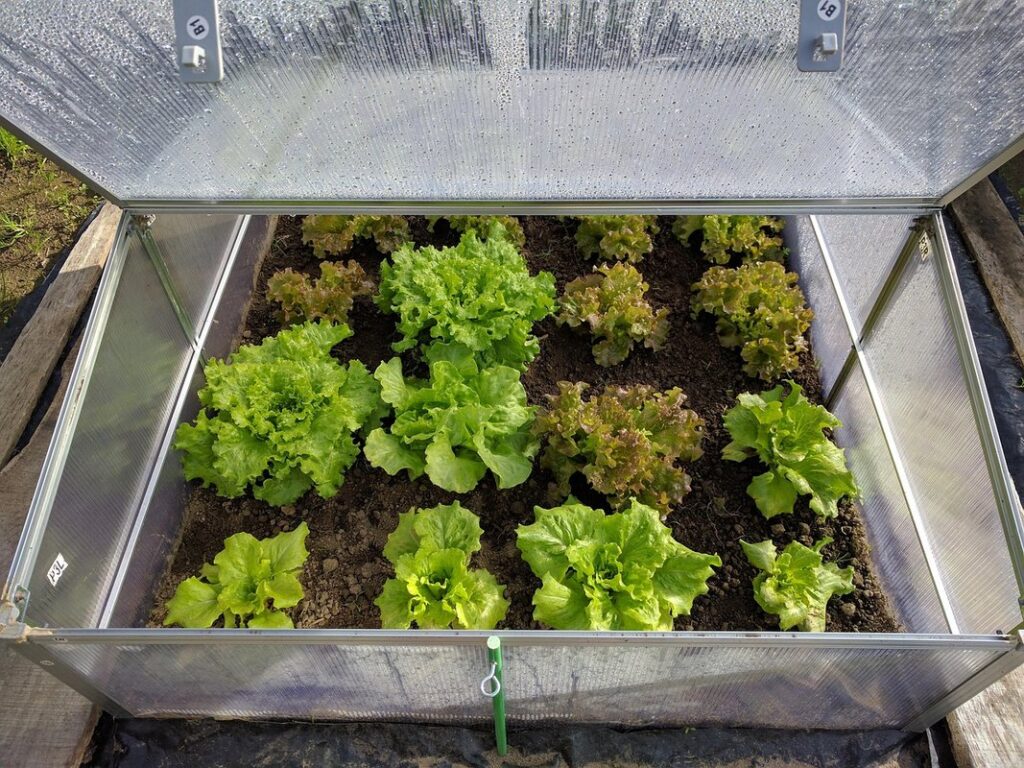
Planning Your Greenhouse Garden
Now that you’ve decided on a greenhouse garden, it’s time to think about what vegetables you want to grow and how to plan your space effectively. Let’s dive into the details of planning your perfect greenhouse setup.
Choosing the Right Location and Climate
When choosing the right location for your greenhouse, it’s essential to consider three key factors: sunlight, wind direction, and accessibility. Sunlight is crucial for plants to undergo photosynthesis, so ensure that your greenhouse receives direct sunlight for at least six hours a day. Consider the time of year as well – in winter, the sun is lower in the sky, so a south-facing orientation may not receive enough light.
Wind direction is also vital, as strong gusts can damage or destroy your plants. Ideally, position your greenhouse to protect it from prevailing winds, which are typically stronger than crosswinds. Accessibility is another crucial factor – make sure that your greenhouse is easily accessible for maintenance and harvesting, with a wide entrance and enough space to move around comfortably.
Not all vegetables require the same climate conditions. For example, tomatoes and cucumbers thrive in warm temperatures above 65°F (18°C), while lettuce and spinach prefer cooler temperatures between 40°F (4°C) and 60°F (15°C). Research specific climate requirements for your chosen vegetables to ensure they’ll grow optimally in your greenhouse environment.
Understanding Greenhouse Types and Sizes
When it comes to growing veggies in a greenhouse, choosing the right type and size of structure is crucial for optimal results. There are several types of greenhouses available, each with its unique advantages and disadvantages.
Poly tunnels, made from durable polyethylene film, offer excellent value for money and can be easily installed on most garden plots. However, they may not provide the same level of insulation as glass or polycarbonate houses, which can lead to temperature fluctuations affecting plant growth.
Glass houses, on the other hand, provide superior natural light transmission but come with a higher price tag due to their heavy frame construction and expensive glazing materials.
When selecting the right size for your garden, consider your available space constraints. A smaller greenhouse (around 8-10 feet wide) is perfect for a compact plot or a hobbyist gardener. Medium-sized greenhouses (12-16 feet wide) are ideal for larger gardens, while large structures (over 20 feet wide) can accommodate extensive gardening operations.
To determine the optimal size for your greenhouse garden, calculate your available space and multiply it by 2-3 times to account for efficient growing practices.
Preparing Your Greenhouse for Veggie Growing
Before you start planting your favorite veggies, let’s get your greenhouse ready by reviewing essential tasks that ensure a thriving and healthy growing environment. This includes cleaning, maintenance, and setup steps to get your space just right.
Heating and Cooling Options
When it comes to maintaining an optimal temperature within your greenhouse, having reliable heating and cooling options is crucial. This can be a significant investment, but the right system can make all the difference in extending your growing season.
There are several heating systems available for greenhouses, with natural gas heaters being one of the most popular choices. These units offer a high level of efficiency and can heat large areas quickly. However, they require installation by a professional and may incur additional costs for gas hookups.
Electric heaters are another option, often more affordable upfront but requiring higher operating costs. They’re suitable for smaller greenhouses or as supplemental heating sources.
In contrast, evaporative coolers use the principle of evaporation to lower temperatures. This can be an effective solution for hot climates or during periods of high temperature fluctuations. However, they require regular maintenance and may not provide sufficient cooling in extreme heatwaves. When selecting a system, consider factors such as your climate, greenhouse size, budget, and long-term operating costs.
Ultimately, choosing the right heating and cooling system requires careful consideration of your specific needs. Research different options, consult with experts if necessary, and weigh the pros and cons before making an informed decision.
Ventilation and Air Circulation
Proper ventilation and air circulation are crucial for healthy plant growth in a greenhouse. When plants respire, they release excess moisture into the air, which can lead to humidity buildup if not managed. This can cause fungal diseases, promote pest infestations, and even stunt plant development.
To maintain optimal air circulation, you’ll need to install vents that allow fresh air to enter while removing stale air. There are two primary types of vents: automatic and manual. Automatic vents are typically solar-powered and open/close based on temperature thresholds, ensuring consistent airflow regardless of your presence. Manual vents require you to manually open or close them, which can be time-consuming but allows for more control.
Aim for a balance between venting and shading to avoid temperature fluctuations that might stress plants. For example, consider installing a shade cloth over south-facing walls during peak summer sun hours to prevent overheating. By integrating proper ventilation and air circulation strategies into your greenhouse design, you’ll create an environment where your veggies thrive.
Soil Preparation and Fertilization
Before you start planting, it’s essential to prepare your greenhouse soil by checking its pH levels and adding necessary fertilizers to give your veggies a strong foundation for growth. This step is crucial for optimal yields.
Selecting the Right Potting Mix
When growing veggies in a greenhouse, selecting the right potting mix is crucial for their optimal growth and development. Different vegetables have varying requirements when it comes to drainage, nutrient content, and soil pH, so choose a mix that caters to the specific needs of the plants you’re cultivating.
For example, leafy greens like lettuce and spinach prefer well-draining mixes with high organic matter content to prevent waterlogged soil conditions. On the other hand, heavy feeders like tomatoes and cucumbers require mixes rich in nutrients and calcium to promote healthy root growth.
Consider the following factors when selecting a potting mix for your greenhouse:
• Drainage: Opt for mixes containing perlite or vermiculite to ensure excess water can escape.
• Nutrient content: Choose mixes formulated with balanced fertilizers (e.g., 10-10-10 NPK) and organic matter like compost or worm castings.
• pH level: Select a mix specifically designed for acid-loving veggies like blueberries (pH 4.0-5.5) or alkaline-tolerant plants like asparagus (pH 6.5-7.5).
Always read the label carefully and research the product to ensure it meets your specific greenhouse needs, and don’t hesitate to mix your own potting blend using a combination of ingredients that meet the unique requirements of your crops.
Organic vs. Synthetic Fertilizers
When it comes to fertilizing your greenhouse garden, you’re likely faced with a decision: organic or synthetic fertilizers. Both types have their advantages and disadvantages, which we’ll explore below.
Organic fertilizers are made from natural ingredients such as animal waste, compost, or plant-based materials. They release nutrients slowly into the soil, promoting healthy microbial activity and long-term fertility. However, they can be more expensive than synthetic options and may require more frequent applications. For example, using compost tea bags can provide a nutrient-rich liquid fertilizer for your plants.
Synthetic fertilizers, on the other hand, are made from chemical compounds that release nutrients quickly into the soil. They’re often cheaper and easier to apply than organic alternatives, but they can also harm the environment if overused. Over-reliance on synthetic fertilizers can lead to soil degradation and contamination of waterways.
To create a balanced fertilizer plan for your greenhouse garden, consider a combination of both types. You can start by testing your soil to determine its nutrient levels, then use organic fertilizers as a base and supplement with synthetic options as needed. For example, you could apply compost tea bags at planting time and follow up with a synthetic fertilizer during peak growth periods. By finding the right balance, you’ll promote healthy plant growth while minimizing environmental impact.
Sowing Seeds and Transplanting
Now that you have your seeds and seedlings, it’s time to transfer them from their initial growing spaces into individual pots. Let’s explore the best techniques for sowing and transplanting in your greenhouse.
Seed Starting Techniques
Starting seeds indoors is an art that requires precision and patience. When it comes to seed starting techniques in a greenhouse, selecting the right seeds for your climate and growing conditions is crucial. Choose varieties that are specifically bred for indoor growing or those that mature quickly (around 50-60 days). Some popular options include lettuce, herbs like basil and mint, and cherry tomatoes.
Sow seeds about 1/8 inch deep in seed starting mix, which has a higher pH level than regular potting soil. Water gently but thoroughly to settle the seeds. Keep the soil consistently moist during the germination period (around 7-10 days). A greenhouse’s controlled environment allows you to fine-tune temperature and humidity levels for optimal seed germination.
Timing is also essential when starting seeds in a greenhouse. Aim to start seeds 4-6 weeks before the last frost date in your area. This will give them enough time to develop into robust seedlings before being transplanted outside. By following these guidelines, you’ll be well on your way to successfully growing a wide range of vegetables in your greenhouse.
Transplanting Seedlings into the Greenhouse Bed
When transplanting seedlings from pots to the greenhouse bed, it’s essential to handle them gently and minimize shock. Start by inspecting the roots for tangles or circling patterns that can hinder growth. Gently tease apart any knots using a fork or your fingers.
Begin preparing the greenhouse bed by watering it thoroughly. This will help settle the soil and reduce soil compaction around the seedling’s new root zone. Make a small depression in the bed, just deep enough to accommodate the pot’s depth. Carefully place the seedling into the bed, making sure its roots are spread out evenly.
Water the soil gently but thoroughly after transplanting. This will help settle the soil and provide the young roots with adequate moisture. To minimize shock, keep the greenhouse at a consistent temperature between 65-75°F (18-24°C). Avoid direct sunlight for a few days to allow the seedling to adjust to its new environment.
Remember, gentle handling and proper care during this critical transition period will pay off in the long run. With these best practices, your seedlings will thrive and establish themselves quickly in their new home.
Pest Management and Disease Control
To ensure a healthy crop, it’s essential to implement effective pest management and disease control strategies within your greenhouse. We’ll cover the most common issues and solutions for a thriving vegetable harvest.
Identifying Common Pests in Greenhouses
When it comes to growing veggies in a greenhouse, one of the biggest challenges you’ll face is dealing with pests. Greenhouses provide an ideal environment for many insects and diseases to thrive, which can quickly spread and cause significant damage to your crops.
Some common pests that infest greenhouses include aphids, whiteflies, spider mites, mealybugs, and thrips. These tiny insects are often hard to spot, but their presence is usually signaled by a sticky residue on leaves or stems (aphid honeydew), small brown spots on leaves (whitefly damage), or fine webbing on plant surfaces (spider mite infestations).
To manage these pests effectively, adopt an integrated pest management (IPM) approach. This involves using a combination of techniques such as physical barriers, biological controls (e.g., introducing beneficial insects like ladybugs or lacewings), cultural controls (e.g., pruning infested areas), and chemical controls (e.g., insecticidal soap or neem oil). Monitor your plants regularly for signs of pests, and take action at the first sign of an infestation to prevent it from getting out of control. By adopting a proactive approach to pest management, you can protect your greenhouse crops and ensure a bountiful harvest.
Preventing and Treating Diseases
When it comes to growing veggies in a greenhouse, one of the biggest challenges is preventing and treating diseases. Greenhouse conditions can be ideal for disease development, as warm temperatures and high humidity create an environment that’s ripe for fungal growth.
One common greenhouse disease is powdery mildew, which causes white, powdery patches on leaves and stems. To prevent powdery mildew, make sure to rotate your crops regularly to avoid depleting the soil of nutrients and attracting pests. Sanitize your greenhouse by cleaning up debris and disinfecting surfaces with a mixture of water and bleach.
If you do notice symptoms of powdery mildew, treatment options include fungicides specifically designed for greenhouse use. Always follow the label instructions carefully, and consider using neem oil or sulfur-based products as natural alternatives. To reduce the risk of disease, promote air circulation in your greenhouse by installing vents and fans. Monitor your plants regularly for signs of stress or disease, and take action promptly to prevent outbreaks from spreading.
Keep in mind that prevention is key when it comes to managing diseases in your greenhouse. By taking proactive steps like crop rotation, sanitation, and ventilation, you can create a healthier environment for your veggies to thrive.
Monitoring and Maintaining Your Greenhouse Garden
Now that you’ve got your greenhouse up and running, let’s talk about how to keep everything thriving: monitoring temperature, humidity, and pest control are essential for a healthy garden.
Tracking Temperature, Humidity, and Light Levels
Monitoring temperature, humidity, and light levels is crucial to maintaining optimal growing conditions in your greenhouse. These metrics can greatly impact plant growth, health, and productivity. To track these essential parameters, you’ll need a monitoring system that can provide real-time data.
You can start by installing sensors for temperature, humidity, and light levels within the greenhouse. There are various types of sensors available, including wireless and wired options, which offer flexibility in installation and connectivity. For instance, some wireless sensors can connect directly to your smartphone or tablet using an app, allowing you to monitor and adjust conditions remotely.
In addition to monitoring systems, you’ll also want to consider factors like shade cloth, ventilation, and insulation to maintain a stable environment. For example, during hot summer days, opening windows or installing fans can help regulate temperature and humidity levels. Conversely, on chilly mornings, using a space heater or covering plants with row covers can keep them warm.
Keep in mind that different vegetables have varying optimal temperature, humidity, and light requirements. Some common examples include:
* Tomatoes: 65-70°F (18-21°C) for optimal growth
* Leafy greens: 55-65°F (13-18°C)
* Cucumbers: 60-75°F (15-24°C)
Monitoring these parameters will help you identify areas of improvement and make adjustments accordingly, ensuring your greenhouse garden thrives.
Regular Maintenance Tasks
Regular maintenance tasks are essential to keep your greenhouse garden thriving throughout its growth cycle. Pruning is one of the most critical tasks that help promote healthy plant growth and prevent disease spread. Remove dead or damaged leaves, stems, and flowers to encourage bushy growth and increase air circulation. For example, pruning tomato plants can increase fruit production by up to 20%.
Watering is another crucial task that requires attention to avoid overwatering, which can lead to root rot and other issues. Check the soil moisture regularly, and water only when necessary. Use a watering can or drip irrigation system to deliver water directly to the roots.
Cleanliness is also vital in maintaining a healthy greenhouse garden. Remove weeds, debris, and pests on a regular basis to prevent the spread of diseases. Clean the greenhouse walls and floors with soap and water to maintain good hygiene practices.
In addition to these tasks, monitor your greenhouse’s temperature, humidity, and light levels to ensure optimal growing conditions for your veggies.
Troubleshooting Common Issues
If you’re facing challenges with your greenhouse, don’t worry – we’ve got you covered. This section will walk you through common issues and their easy solutions to get your garden back on track.
Addressing Pests, Diseases, and Nutrient Deficiencies
When growing veggies in a greenhouse, it’s not uncommon to encounter issues related to pests, diseases, and nutrient deficiencies. These problems can be frustrating, but with the right approach, you can diagnose and solve them effectively.
Pests can quickly spread through your greenhouse, attacking plants and causing significant damage. To control pest infestations, monitor your plants regularly for signs of infestation, such as holes in leaves or stems. Implement integrated pest management (IPM) strategies that combine techniques like crop rotation, physical barriers, and biological controls to prevent pest build-up.
Diseases can also wreak havoc on your greenhouse crops if not addressed promptly. Fungal diseases are common in greenhouses due to the humid environment. Use fungicides specifically labeled for greenhouse use, and ensure good air circulation by adjusting ventilation systems or pruning plants to improve light penetration.
Nutrient deficiencies can be just as problematic, leading to weak growth, yellowing leaves, or fruit set issues. Analyze your soil test results to identify nutrient imbalances, then adjust fertilization accordingly. Consider using organic amendments like compost tea, worm castings, or fish emulsion to provide a balanced mix of nutrients. By staying vigilant and taking proactive measures, you can prevent common problems from occurring in the first place.
Optimizing Greenhouse Design for Future Growth
As you settle into your greenhouse routine, it’s essential to consider future growth and expansion. With careful planning, you can adapt your setup to accommodate increasing crop selection and optimal growing conditions. Start by evaluating your existing structure: assess the space available for expansion, taking note of any limitations or challenges.
Consider the long-term implications of your crop selection. Diversify your produce by planting a mix of annuals and perennials, allowing you to rotate crops seasonally. This approach not only maximizes yields but also reduces soil depletion and pest management issues.
To optimize growing conditions, prioritize natural light and air circulation. Invest in high-quality shading materials or adjust your greenhouse’s south-facing orientation to prevent excessive heat buildup during peak summer months. Regularly inspect your irrigation system to ensure efficient water distribution and minimize waste.
When planning for expansion, think beyond physical infrastructure. Consider investing in automation tools, such as climate control systems or precision watering devices, to streamline operations and reduce manual labor. By adapting and modifying your greenhouse setup proactively, you’ll be well-prepared to meet the demands of future growth and continue thriving as a successful greenhouse grower.
Frequently Asked Questions
Can I grow veggies in a greenhouse year-round, regardless of the climate outside?
Yes, one of the greatest advantages of growing in a greenhouse is that you can control the temperature and climate inside, allowing you to grow veggies throughout the entire year. With proper insulation, heating, and cooling systems, you can maintain an optimal environment for your plants, even when the weather outside is harsh.
How do I prevent pests and diseases from taking over my greenhouse garden?
Regular monitoring and maintenance are key to preventing pest and disease issues in a greenhouse. Keep an eye out for signs of infestation or infection, and take prompt action if you notice anything unusual. Use physical barriers, neem oil, or other organic controls to prevent pests, and practice good sanitation and hygiene to reduce the risk of diseases.
Can I use regular potting soil in my greenhouse garden, or do I need a specialized mix?
While regular potting soil can work for short-term projects, it’s not ideal for long-term greenhouse growing. Greenhouse conditions are quite different from outdoor gardens, with higher temperatures and humidity levels that can lead to root rot and other issues. A well-draining, pH-balanced potting mix specifically designed for greenhouses will provide better results and help prevent these problems.
How often should I water my greenhouse garden, and what’s the best way to monitor watering needs?
The frequency of watering in a greenhouse depends on various factors, including temperature, humidity, and plant type. Aim to maintain a consistent moisture level by checking the soil daily with your finger or a moisture meter. Water when the top 2-3 inches of soil feel dry to the touch, and avoid overwatering, which can lead to root rot and other issues.
What’s the best way to reuse and recycle materials from my greenhouse garden?
Get creative and find ways to repurpose items like old planters, trellises, and irrigation systems. Consider using compost tea or worm casting for fertilizer, or repotting plants in new containers with fresh potting mix. By reusing and recycling materials, you’ll reduce waste, save money, and create a more sustainable greenhouse gardening practice.