
Growing Tokyo Bekana in a greenhouse can be a rewarding experience for gardeners, but it requires careful attention to specific conditions. This versatile leafy green thrives in high humidity and moderate temperatures, making a controlled environment like a greenhouse an ideal spot. However, its sensitivity to temperature fluctuations and potential pest issues means that growers need expert advice on how to manage these factors successfully.
In this article, we’ll take you through the essential tips for growing Tokyo Bekana in a greenhouse, covering optimal temperature ranges, humidity levels, light requirements, soil preparation, and strategies for preventing pests from damaging your crop. With these guidelines, you can enjoy a bountiful harvest of crisp, nutritious leaves that are perfect for salads, sautés, or steaming. Whether you’re an experienced grower or just starting out, we’ll share our expert knowledge to help you achieve success with this delightful leafy green in your greenhouse setup.
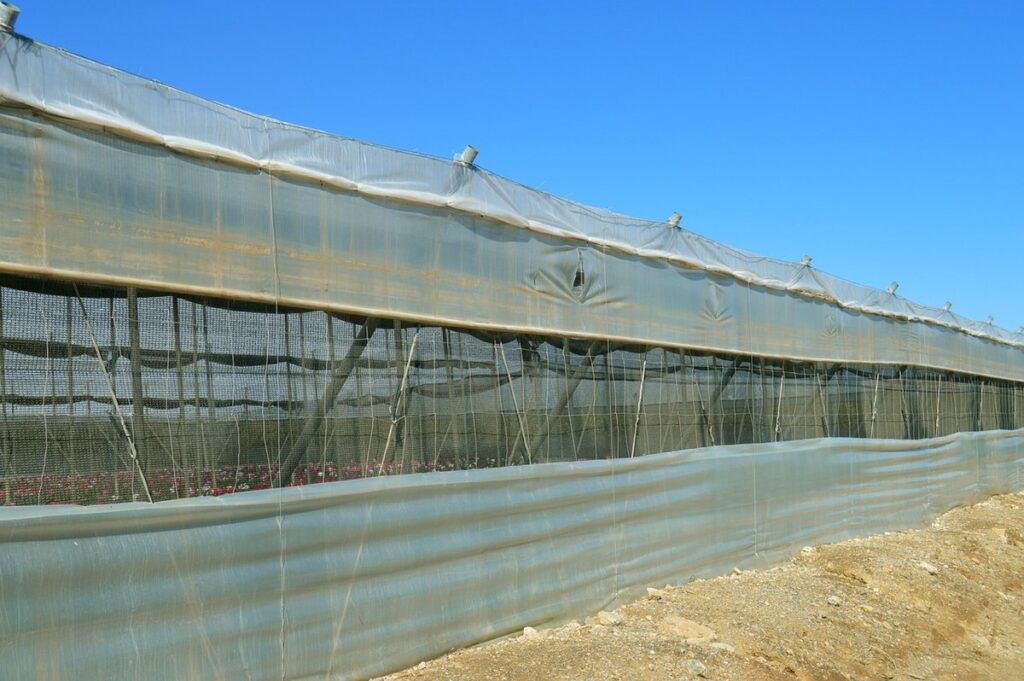
Section 1: Introduction to Tokyo Bekana
Tokyo Bekana is a versatile and fast-growing green, which makes it perfect for thriving in a greenhouse environment. In this introduction, we’ll explore what makes Tokyo Bekana an ideal choice for indoor growing.
What is Tokyo Bekana?
Tokyo Bekana is an Asian green mustard plant that has gained popularity worldwide for its unique flavor and versatility. Native to East Asia, Tokyo Bekana has been cultivated for centuries in countries like Japan, China, and Korea. Its name is derived from the Japanese city of Tokyo, where it’s widely grown.
This variety boasts several desirable characteristics that make it a favorite among chefs and home gardeners alike. For one, Tokyo Bekana has thick, crinkled leaves with a delicate mustard flavor that adds depth to salads, stir-fries, and other dishes. Its compact growth habit makes it an ideal choice for container gardening or greenhouse growing, where space is limited.
Another benefit of Tokyo Bekana is its rapid growth rate – mature plants can be harvested in as little as 20-30 days after sowing. This fast turnaround makes it perfect for succession planting, allowing you to enjoy a continuous supply of fresh greens throughout the growing season.
Benefits of Growing Tokyo Bekana
Growers choose to cultivate Tokyo Bekana for its unique features and versatility. This Asian green is a favorite among chefs due to its delicate flavor and crunchy texture, making it an excellent addition to salads, stir-fries, and other dishes. Its high water content also makes it a great choice for sautéing or steaming.
One of the main reasons growers love Tokyo Bekana is its rapid growth rate. It can be harvested in as little as 20-25 days after sowing, making it an ideal crop for greenhouse growers who want to maximize their space and production. Additionally, Tokyo Bekana is a cool-season crop, which means it thrives in the cooler temperatures found in greenhouses during the spring and fall.
In terms of its uses, Tokyo Bekana can be grown as a cut-and-come-again crop, allowing growers to harvest individual leaves or stems while leaving the roots intact. This not only extends its harvest period but also encourages continuous production. With proper care and management, Tokyo Bekana can provide multiple harvests throughout its growing season.
Section 2: Preparing the Greenhouse Environment
Now that you’ve set up your greenhouse, it’s time to create an ideal environment for Tokyo Bekana growth. This section will walk you through the essential steps to optimize temperature, humidity, and light conditions.
Optimizing Temperature and Humidity Levels
Temperature and humidity levels play a significant role in promoting healthy growth of Tokyo Bekana in a greenhouse. This variety thrives in conditions with optimal temperature ranges between 60°F to 70°F (15°C to 21°C). Temperatures above 75°F (24°C) can lead to bolting, causing the plant’s energy to be diverted towards flowering rather than leaf growth.
Maintaining humidity levels is equally crucial for Tokyo Bekana. A relative humidity of 40-50% is ideal, and you can achieve this through misting or using a humidifier. Avoid excessive moisture, as it can lead to fungal diseases like powdery mildew. Keep in mind that greenhouse conditions can fluctuate rapidly; ensure your temperature and humidity levels are within the desired range.
Monitor temperature and humidity levels closely, adjusting as necessary. This might involve changing ventilation settings, adjusting the heating or cooling system, or using dehumidifiers. By maintaining optimal conditions, you’ll be able to encourage robust leaf growth, promote a healthy root system, and enjoy bountiful harvests of Tokyo Bekana in your greenhouse.
Providing Adequate Light for Optimal Growth
Light plays a crucial role in greenhouse cultivation, particularly when growing Tokyo Bekana. Adequate light is essential for optimal growth, and as you’re likely aware, these Asian greens thrive in bright conditions. There are two primary types of lighting to consider: natural light and supplemental lighting.
Natural Light: If possible, position your greenhouse to receive direct sunlight during peak hours (usually between 10 am and 4 pm). This will provide the best quality light for your Tokyo Bekana. However, if this isn’t feasible due to shade or geographical constraints, you can opt for supplemental lighting.
Supplemental Lighting: Options include High-Intensity Discharge (HID) lamps, Light Emitting Diodes (LEDs), and Fluorescent (T5) lights. LEDs are an excellent choice for Tokyo Bekana as they emit minimal heat and consume less energy. Place them at a distance of 6-8 inches above the plants to avoid burning their leaves. Be sure to follow the manufacturer’s instructions regarding lighting duration, as excessive light can be detrimental to your crop.
Section 3: Soil Preparation and Nutrient Management
To grow Tokyo Bekana successfully, you’ll want to pay close attention to soil preparation and nutrient management. This involves selecting the right mix and providing essential nutrients for optimal growth.
Selecting the Right Potting Mix
When it comes to growing Tokyo Bekana in a greenhouse, selecting the right potting mix is crucial for optimal results. A good quality potting mix should provide adequate drainage, aeration, and water-holding capacity to support healthy root growth.
Consider the following factors when choosing a potting mix: its pH level, nutrient content, and moisture retention properties. Tokyo Bekana prefers slightly acidic to neutral soil (pH 6.0-7.0), so look for a mix with a balanced pH range. Also, ensure that the potting mix is well-draining to prevent waterlogged conditions that can lead to root rot.
Some popular options include peat-based mixes or coconut coir-based blends, both of which offer good water retention and drainage properties. Avoid using garden soil as it may compact in pots and hinder root growth. For a more specialized option, look for a mix specifically designed for Asian greens like Tokyo Bekana, such as those containing perlite or vermiculite for improved aeration.
When potting your Tokyo Bekana, fill the container with fresh potting mix, leaving about an inch at the top for watering. This will ensure that your plants receive the right balance of nutrients and moisture to thrive in the greenhouse environment.
Fertilizing for Healthy Growth and High Yields
When it comes to fertilizing Tokyo Bekana in a greenhouse, you’ll want to focus on providing a balanced diet that promotes healthy growth and high yields. As a rule of thumb, Tokyo Bekana prefers slightly acidic to neutral soil pH (around 6.0-7.0), which is typical for most greenhouses.
For organic options, consider using compost tea or worm casting as a liquid fertilizer. These will provide your plants with essential nutrients without the need for synthetic chemicals. You can also use fish emulsion or bone meal as slow-release fertilizers that promote root growth and overall plant health.
Inorganic fertilizers like NPK (nitrogen-phosphorus-potassium) blends are suitable for Tokyo Bekana, but be cautious not to over-fertilize. Apply these at a rate of 10-20% of the recommended dose during the seedling stage, gradually increasing to full strength as plants mature.
Timing is also crucial: fertilize your Tokyo Bekana plants every 2-3 weeks during the growing season (typically from spring to autumn), and skip applications during periods of stress or extreme weather conditions.
Section 4: Sowing and Transplanting Techniques
When it comes to growing Tokyo Bekana in a greenhouse, mastering the art of sowing and transplanting is crucial for healthy seedlings and optimal yields. In this section, we’ll explore these essential techniques.
Seed Starting and Germination
When it comes to growing Tokyo Bekana in a greenhouse, sowing seeds requires careful attention to detail. The ideal temperature for germination is between 65°F and 75°F (18°C and 24°C), but if you’re starting seeds indoors, you can start them as low as 55°F (13°C) with proper light conditions.
Soil moisture is also crucial – the soil should be moist but not waterlogged. A general rule of thumb is to sow seeds about ¼ inch deep and 1-2 inches apart in a well-draining seed starting mix. Keep the soil consistently moist during the first few days after sowing, but avoid overwatering.
To promote even germination, you can also try stratifying your Tokyo Bekana seeds by placing them in a plastic bag or airtight container with damp paper towels for 1-2 weeks before sowing. This mimics the natural cold-stratification process that many Asian greens undergo in their native habitats.
Remember to provide adequate light and maintain high humidity levels during the germination phase, which can take anywhere from 7-14 days depending on the conditions. By following these simple guidelines, you’ll be well on your way to successfully sowing Tokyo Bekana seeds in your greenhouse.
Transplanting and Pruning for Healthy Plants
When it’s time to transplant your Tokyo Bekana seedlings into their permanent spot within the greenhouse, you’ll want to make sure they’re getting enough space to thrive. Overcrowding can lead to reduced growth rates and an increased risk of disease. To avoid this, gently dig around the roots of each seedling using a fork or your fingers, taking care not to damage any delicate roots.
Next, transplant them into individual pots or directly into their designated spot in the greenhouse, making sure the soil level is the same as it was in the original pot. Water thoroughly after transplanting and keep the soil consistently moist during the first few weeks.
As for pruning, Tokyo Bekana is a cut-and-come-again crop, meaning it will continue to produce new leaves after being harvested. To encourage continuous growth, remove any flower stalks or seed pods that form, allowing the plant to focus its energy on producing fresh greens. This process should be done regularly, ideally every 1-2 weeks, depending on how quickly you plan to consume your harvest.
Section 5: Pest Management and Disease Control
When growing Tokyo Bekana in a greenhouse, it’s essential to be aware of potential pests and diseases that can affect your crop. This section will cover strategies for maintaining a healthy and pest-free environment.
Common Pests and Diseases Affecting Tokyo Bekana
As you nurture your Tokyo Bekana crop in the greenhouse, it’s essential to be aware of common pests and diseases that can affect its growth. Aphids, whiteflies, and spider mites are frequent visitors to greenhouses, feeding on the plant’s sap and causing curled or distorted leaves. Regularly inspect your plants for these insects, and use neem oil or insecticidal soap to control infestations.
Rodents like mice and rats can also be a problem in greenhouses, as they’re attracted to the warm and humid environment. To prevent rodent damage, store food and other attractants securely, seal any entry points with hardware cloth, and consider using rodenticides or repellents.
Diseases such as powdery mildew, downy mildew, and root rot can also impact your Tokyo Bekana crop. Preventative measures include maintaining good air circulation, providing adequate light and temperature control, and ensuring proper irrigation and fertilization practices. Regularly inspect plants for signs of disease, and take prompt action if you notice any issues.
Integrated Pest Management Strategies
When growing Tokyo Bekana in a greenhouse, it’s essential to employ Integrated Pest Management (IPM) strategies to prevent pest infestations. IPM is an holistic approach that combines physical barriers, biological controls, and chemical controls as a last resort.
Physical barriers are a great way to prevent pests from reaching your plants. For example, you can cover the soil with fine mesh or fine netting to keep aphids and whiteflies at bay. You can also use row covers to protect your plants from slugs and snails. Additionally, keeping the greenhouse clean and free of debris will discourage pests from taking up residence.
Biological controls are a natural way to manage pest populations. Encourage beneficial insects like ladybugs, lacewings, and parasitic wasps, which prey on common greenhouse pests. Introduce these beneficial insects into your greenhouse at the first sign of pest activity. This approach is not only effective but also environmentally friendly.
Chemical controls should be used as a last resort when all else fails. Always read the label carefully before using any pesticide or insecticide, and follow the recommended application rates to avoid harming your plants. Regular monitoring and prompt action are key to preventing pest infestations from getting out of hand.
Section 6: Monitoring and Adjusting Greenhouse Conditions
As you continue to nurture your Tokyo Bekana, it’s essential to keep a close eye on the greenhouse conditions to ensure optimal growth. Regular monitoring will help you make adjustments as needed to prevent setbacks and promote healthy development.
Measuring and Tracking Growth Metrics
When growing Tokyo Bekana in a greenhouse, it’s essential to monitor and track key growth metrics. This will help you fine-tune conditions to optimize production and prevent potential issues.
Start by tracking temperature fluctuations between day and night, as this can impact plant growth. Ideal temperatures for Tokyo Bekana range from 65°F to 75°F (18°C to 24°C). Monitor humidity levels as well, maintaining a relative humidity of 40-60% to prevent fungal diseases.
Light exposure is also crucial, with at least 12 hours of supplemental lighting recommended during the winter months. You can use LED grow lights or high-pressure sodium lamps, but be cautious not to overexpose your plants, which can lead to burning and reduced yields.
Regularly check nutrient levels in the soil, ensuring that Tokyo Bekana is receiving a balanced diet of nitrogen, phosphorus, and potassium. A deficiency in these essential macronutrients can stunt plant growth or cause discoloration.
Keep a log to track your greenhouse conditions and plant performance. By monitoring and adjusting these key metrics, you’ll be able to identify areas for improvement and make data-driven decisions to optimize your Tokyo Bekana crop.
Adjusting Greenhouse Settings for Optimal Production
Monitoring data collected from your Tokyo Bekana greenhouse is crucial to optimize production. Adjusting greenhouse settings based on this data will ensure you’re providing the perfect environment for your plants to thrive.
Start by tracking temperature fluctuations, as Tokyo Bekana prefers a relatively stable range between 65°F to 75°F (18°C to 24°C). If temperatures consistently drop below this range, consider increasing the heating system’s output or using supplementary heat sources. Conversely, if temperatures rise above the optimal range, you may need to adjust your cooling systems.
Humidity levels also play a vital role in Tokyo Bekana growth. Aim for a relative humidity of 50-70%. Monitor your greenhouse’s humidity levels closely, especially during periods of high transpiration or irrigation. To maintain optimal humidity, use misting systems or dehumidifiers as needed.
CO2 supplementation can also be crucial in promoting healthy growth and development. Install CO2 monitors to track levels and adjust the system accordingly. Aim for a concentration of 1,000-1,200 ppm during peak growth periods. Regularly inspect your greenhouse’s ventilation systems to ensure they’re functioning properly, allowing for efficient gas exchange and maintaining optimal conditions for your Tokyo Bekana crop.
Section 7: Harvesting and Post-Harvest Care
Now that your Tokyo Bekana has reached maturity, it’s time to think about harvesting and taking proper care of your crop post-harvest to ensure continued success. This section covers essential steps for a bountiful harvest.
Timing and Methods for Harvesting Tokyo Bekana
When it’s time to harvest Tokyo Bekana in your greenhouse, you’ll want to do so at the optimal stage for maximum flavor and texture. Generally, this crop is ready for harvesting 20-30 days after sowing, or when the leaves are about 6-8 inches long.
To determine if your Tokyo Bekana is ready, gently pull on one of the outer leaves. If it comes off easily without tearing, it’s likely mature enough to harvest. For a continuous harvest, you can pick individual leaves as needed, rather than waiting for the entire crop to mature at once.
Timing-wise, the ideal temperature for harvesting Tokyo Bekana is between 60-70°F (15-21°C), when the plants are actively growing. Avoid harvesting during extremely hot or cold weather conditions, as this can affect quality and yield. Regular harvesting will also encourage the plant to produce new growth, extending its productive period.
Storage and Handling Procedures
When harvesting Tokyo Bekana from your greenhouse, it’s essential to prioritize proper storage and handling procedures to maintain its freshness and minimize spoilage. After cutting the leaves, keep them refrigerated at a temperature between 32°F and 50°F (0°C and 10°C) to slow down the respiratory process. Avoid washing the produce before storing, as excess moisture can lead to rot.
Store harvested Tokyo Bekana in a breathable container or bag, such as paper or mesh bags, to allow for air circulation. This will help maintain humidity levels and prevent moisture buildup. Keep the containers away from direct sunlight and heat sources, which can cause spoilage. For short-term storage (up to 5 days), you can store Tokyo Bekana in the refrigerator at a consistent temperature.
For longer-term storage or transportation, consider using specialized produce bags that retain humidity while allowing for airflow. When storing large quantities, use tiered shelves or baskets to maintain good air circulation and prevent moisture accumulation. Regularly inspect your stored produce for signs of spoilage and remove any affected leaves to prevent further damage.
Frequently Asked Questions
Can I grow Tokyo Bekana in a greenhouse without prior experience?
Yes, with careful attention to the conditions mentioned in this article, you can successfully grow Tokyo Bekana in a greenhouse even if you’re new to indoor gardening. Start by following our guidelines on optimizing temperature and humidity levels, and don’t hesitate to reach out for advice from more experienced growers.
How often should I check my greenhouse’s temperature and humidity levels when growing Tokyo Bekana?
We recommend checking your greenhouse conditions daily, especially during the initial stages of growth. This will allow you to make adjustments as needed to maintain optimal temperatures between 65-75°F (18-24°C) and humidity levels above 50%. Consider investing in a data logger or temperature/humidity gauge for precise monitoring.
Can I use regular potting mix instead of a custom blend for growing Tokyo Bekana?
While regular potting mixes can work, they might not provide the ideal nutrient balance for Tokyo Bekana. For best results, use a custom blend specifically designed for leafy greens like Tokyo Bekana, which will ensure your plants receive the necessary nutrients for healthy growth and high yields.
How do I prevent pests from attacking my Tokyo Bekana crop in a greenhouse?
Regularly inspect your plants for signs of infestation, such as holes or discoloration on leaves. If you notice any issues, use integrated pest management strategies like introducing beneficial insects, practicing good hygiene, and using organic pest control methods whenever possible.
Can I harvest Tokyo Bekana continuously throughout the growing season, or do I need to let it go dormant?
Tokyo Bekana can be harvested continuously by allowing individual leaves to mature while leaving others still developing. This way, you can enjoy a steady supply of fresh leaves without having to replant every few weeks. Just make sure not to over-harvest and leave enough for the plant to regrow.