
Growing your own herbs indoors can be a game-changer for cooking, and thyme is one of the easiest and most versatile options. Not only does it add a unique flavor to soups, stews, and sauces, but it’s also incredibly easy to care for, making it perfect for indoor gardening beginners. However, growing thyme indoors can be a bit tricky if you don’t know what you’re doing. That’s why we’ve put together this comprehensive guide on how to successfully grow thyme indoors. From choosing the right variety to troubleshooting common issues like yellow leaves and slow growth, we’ll cover everything you need to know about lighting, watering, fertilization, and pruning for lush and fragrant indoor thyme. Whether you’re a seasoned gardener or a total newbie, this article will help you grow your own delicious and aromatic thyme indoors with ease.
Choosing the Right Variety
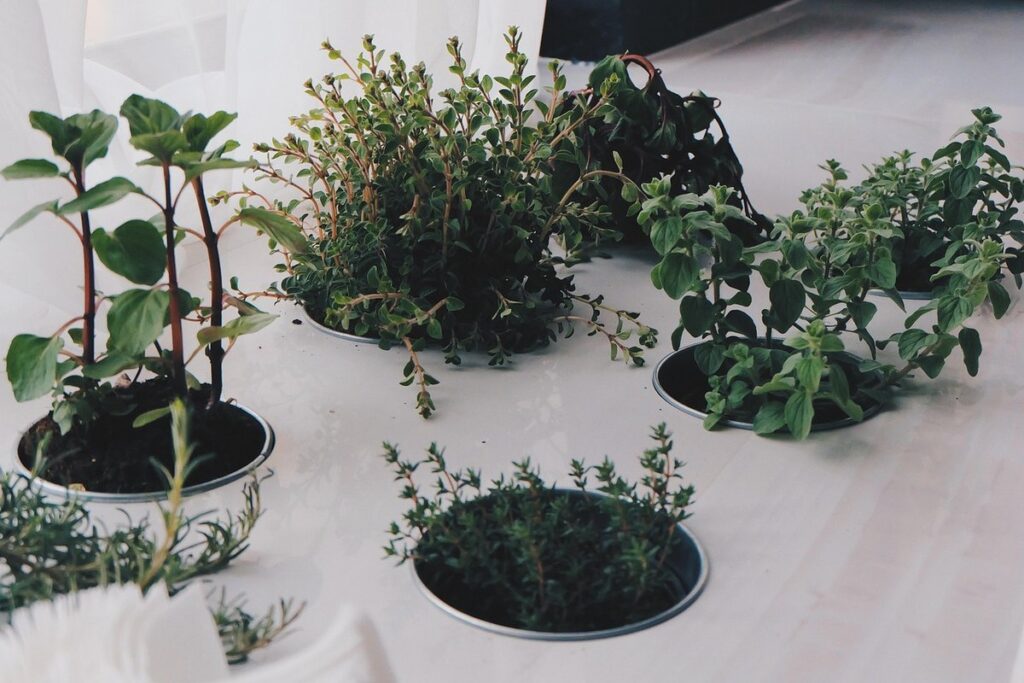
When choosing a thyme variety for indoor growth, consider factors such as climate hardiness and required maintenance to ensure the best results for your space. Some popular options include English thyme and lemon thyme.
Understanding Thyme Types
When it comes to growing thyme indoors, you’ll have several varieties to choose from. Each type has its own unique characteristics that can impact its growth and flavor.
English thyme is one of the most popular varieties, known for its compact growth habit and delicate foliage. It’s also a hardy variety that can thrive in indoor conditions with minimal maintenance. French thyme, on the other hand, has a more upright growth habit and produces larger leaves than English thyme. This makes it a great choice if you want to use your thyme as a decorative element.
If you’re looking for a thyme variety with a distinct flavor, consider growing lemon thyme or variegated thyme. Lemon thyme has a bright citrusy scent and taste that pairs well with seafood dishes, while variegated thyme has mottled leaves in shades of green and white. Regardless of the type you choose, be sure to select a variety that is compact or dwarfed, as this will make it easier to control its growth indoors.
Some popular thyme varieties for indoor growing include ‘Elfin,’ ‘Gold Leaf,’ and ‘Pink Chintz.’ These varieties have been bred specifically for their compact growth habit and resistance to pests and diseases.
Selecting a Potting Mix
When selecting a potting mix for growing thyme indoors, it’s essential to prioritize one that promotes excellent drainage. Thyme’s delicate roots are susceptible to root rot and other water-related issues if the soil doesn’t drain properly.
A well-draining potting mix can be achieved by using a mix specifically designed for herbs or succulents. These mixes typically contain perlite, vermiculite, or sand that helps prevent water from accumulating in the soil. You can also consider creating your own blend by combining peat moss, coconut coir, and perlite.
Some popular potting mix options for indoor thyme include Pro-Mix Indoor Herb Mix and Miracle-Gro Potting Soil. Avoid using regular garden soil, as it tends to compact and prevent proper drainage. When preparing the potting mix, make sure to water it thoroughly before planting to ensure any added fertilizers or nutrients are evenly distributed. By choosing a well-draining potting mix, you’ll be able to provide your thyme with a healthy environment for growth.
Preparing the Environment
Before you can grow thyme indoors, it’s essential to prepare your space and create an environment that mimics its natural habitat. Let’s start by setting up a suitable spot for your thyme plant.
Lighting Requirements
Thyme requires bright, indirect light to photosynthesize and grow well indoors. While it can tolerate some direct sunlight, prolonged exposure can cause scorching of the leaves. To provide the ideal amount of sunlight for thyme, place the plant near a south-facing window that receives filtered or dappled light.
If you don’t have access to a sunny windowsill, consider using supplemental lighting such as LED grow lights. These can be placed 6-8 inches above the plants and set to a 12-14 hour photoperiod. This will provide your thyme with the necessary amount of light for healthy growth.
In general, aim for at least 2-3 hours of direct sunlight or 4-5 hours of indirect sunlight per day. You can also rotate the plant every few days to ensure even growth and prevent lopsided stems. By meeting thyme’s lighting requirements, you’ll be well on your way to growing a lush and fragrant herb indoors.
Temperature and Humidity Control
When it comes to growing thyme indoors, maintaining an optimal temperature and humidity level is crucial for its health and productivity. Thyme thrives best in temperatures between 50°F (10°C) and 70°F (21°C), with an ideal range of 60-65°F (15-18°C). This temperature range allows the plant to undergo a steady growth cycle without getting stressed.
Humidity levels should also be kept within the optimal range of 40-60%. If your indoor space tends to get dry, you can place the thyme pot on a tray filled with water and pebbles or use a humidifier to maintain the desired humidity. Aim for the upper end of this range (50-60%) if possible, as it will encourage healthy growth.
Keep in mind that direct sunlight can raise the temperature around your thyme plant, so ensure it’s not exposed to extreme heat during peak sun hours. To give you a better idea, most indoor spaces with average heating and cooling systems tend to have temperatures between 65-75°F (18-24°C). By maintaining a stable temperature within the optimal range and ensuring adequate humidity levels, your thyme plant will flourish indoors.
Planting and Repotting
When planting thyme indoors, it’s essential to choose a container that provides adequate drainage, as thyme doesn’t thrive in waterlogged soil. Select a pot with good drainage holes to keep your plant happy and healthy.
Starting Thyme from Seed or Cutting
Starting thyme from seed can be a rewarding experience, but it requires attention to detail and patience. To begin, choose high-quality thyme seeds specifically bred for indoor growth. Sow the seeds about 1/8 inch deep in a well-draining seed starting mix. Water gently but thoroughly, making sure the soil is consistently moist during the germination period.
Keep the soil temperature between 65-75°F (18-24°C), as this will promote healthy germination. Thyme seeds typically take around 7-14 days to sprout. Once they’ve emerged, provide bright, indirect light but avoid direct sunlight, which can cause scorching. Transplant the seedlings into individual pots once they have two sets of leaves.
When starting from seed, it’s essential to harden off the plants before introducing them to their permanent indoor location. This involves gradually acclimating them to outdoor conditions over a period of 7-10 days. By following these steps and providing optimal growing conditions, you’ll be well on your way to successfully growing thyme indoors from seed.
Transplanting Established Plants
When you’ve grown your thyme plant from a tiny seedling into a robust and fragrant established specimen, it’s time to give it more room to spread out. Transplanting mature thyme plants into larger pots is a delicate process that requires some finesse, but with the right approach, you can minimize root disturbance and ensure a smooth transition.
To begin, choose a pot that is at least 2-3 sizes larger than the current one, taking care not to overwhelm the roots. Gently remove the plant from its pot, taking note of any circling or tangled roots. If necessary, use a fork to gently tease apart these tangles, working your way around the root ball without causing further damage.
Once freed, place the thyme in its new home, making sure the soil level is the same as it was previously. Water thoroughly after repotting, and keep an eye out for any signs of shock or stress in the coming days. With proper care and handling, your mature thyme plant should settle in quickly to its new surroundings and continue to thrive under your care.
Watering and Humidity Management
When growing thyme indoors, it’s essential to strike a balance between providing enough moisture and preventing overwatering, which can be detrimental to your plants’ health. Proper watering and humidity management are crucial for a thriving thyme plant.
Avoiding Overwatering
When it comes to growing thyme indoors, one of the most common mistakes is overwatering. Thyme plants are susceptible to root rot if the soil is too moist for too long. This can be a silent killer, as the plant may still look healthy on the surface but the roots are slowly deteriorating.
To avoid this pitfall, it’s essential to get the watering technique right. Check the soil moisture by sticking your finger into the soil up to the first knuckle. If the soil feels dry, it’s time to water. Water your thyme plant thoroughly until you see water coming out of the drainage holes in the pot. However, be cautious not to let the pot sit in water – this can lead to root rot just as easily.
A good rule of thumb is to water your thyme plant when the top 1-2 inches of soil feels dry to the touch. This allows for some flexibility and prevents overwatering. Additionally, make sure your pot has good drainage holes to prevent waterlogged soil. By following these simple steps, you can help ensure that your indoor thyme plant stays healthy and thrives under your care.
Maintaining Optimal Humidity
Maintaining optimal humidity levels is crucial for indoor thyme growth. Thyme plants thrive in conditions between 40-60% relative humidity (RH). To achieve this range, you can use various methods.
Misting is an effective way to maintain humidity around your thyme plant. Use a fine spray bottle filled with water and mist the leaves lightly every few days. However, be cautious not to overwater, as excess moisture can lead to root rot. Another option is using a humidity tray. Place the pot on a tray filled with water and pebbles or marbles. As the water evaporates, it will create a humid microclimate around the plant.
You can also use a humidifier to maintain optimal humidity levels. However, be aware that thyme plants prefer dry air when not in active growth, so it’s essential to adjust the humidistat accordingly. Keep an eye on your plant’s response and make adjustments as needed. Monitoring the RH using a hygrometer will help you fine-tune the conditions for your thyme plant.
Fertilization and Pruning
To ensure your thyme plant remains healthy, let’s dive into fertilization strategies and pruning techniques to maintain its shape and encourage new growth. Proper care will keep it thriving year-round.
Nutrient-Rich Fertilizers
When it comes to fertilizing your indoor thyme plants, it’s essential to use nutrient-rich fertilizers specifically formulated for herbs like thyme. These fertilizers provide the necessary nutrients that promote healthy growth, flavor, and fragrance.
Some key benefits of using balanced fertilizers include improved plant vigor, increased yields, and enhanced flavor and aroma profiles. For example, a study on herb garden fertilization found that plants grown with balanced fertilizers had higher essential oil content than those without. This means your thyme will have an intense, authentic flavor.
When selecting a fertilizer for your indoor thyme, look for products labeled as “balanced” or “general-purpose.” Some suitable options include Espoma Organic Indoor Plant Fertilizer, Miracle-Gro Shake ‘n Feed All Purpose Plant Food, and E.B. Stone Organics Bloom! 5-3-4 Fruit & Flower Plant Food. Follow the instructions on the label to avoid over-fertilizing your plants. Regular fertilization will help maintain a healthy thyme plant indoors.
Pinching and Pruning Techniques
Regular pruning is crucial for promoting bushy growth and maintaining the overall health of your indoor thyme plant. Pruning encourages the plant to focus its energy on producing new leaves and stems, rather than going to seed. This results in a fuller and more compact plant that’s easier to care for.
To promote bushy growth, pinch off the tips of the thyme stems using your fingers or a pair of scissors. Pinching stimulates the plant to produce lateral shoots, which will eventually replace the pruned tip. This technique is especially effective when performed regularly during the early stages of growth.
For more extensive pruning, use a pair of sharp scissors or pruning shears to trim back the thyme stems by about one-third. Remove any dead or damaged leaves and stems to prevent the spread of disease and encourage healthy new growth. Harvest individual sprigs as needed, using a clean pair of scissors to avoid spreading bacteria and other contaminants.
Troubleshooting Common Issues
We’ve covered the basics of growing thyme indoors, but things don’t always go as planned. Let’s troubleshoot common issues to get your thyme plant back on track.
Addressing Pests and Diseases
Pests and diseases can be a major issue for indoor thyme plants, especially if you’re not aware of their presence. Spider mites are one of the most common pests affecting thyme indoors, causing yellowing leaves and fine webbing on the stems. To prevent infestations, keep your thyme plant in a well-ventilated area with low humidity levels.
Mealybugs can also be a problem, especially if you have a humid microclimate near your plants. These tiny insects secrete a sticky substance that attracts ants and other pests. Regularly inspect your thyme plant for any signs of mealybugs or spider mites, and treat promptly if necessary.
Common diseases affecting indoor thyme include root rot, caused by overwatering, and powdery mildew, which thrives in humid environments. To prevent these issues, ensure good air circulation around your plant, water sparingly but thoroughly, and avoid getting water on the leaves or crown of the plant.
If you do notice any pests or diseases, treat promptly with insecticidal soap or neem oil to prevent further damage. Prune affected areas to maintain your thyme plant’s health and prevent the spread of disease.
Overcoming Environmental Challenges
Growing thyme indoors can be challenging due to environmental factors. One common issue is inadequate lighting, which can prevent thyme from photosynthesizing and growing properly. To overcome this, consider moving the plant to a brighter location or supplementing with grow lights. Thyme requires at least 4-6 hours of direct sunlight per day, but indirect light can also work.
Another environmental challenge is extreme temperatures. Thyme prefers daytime temperatures between 65-70°F (18-21°C) and nighttime temperatures around 55-60°F (13-15°C). Avoid placing the plant near heating or cooling vents, fireplaces, or drafty windows to prevent temperature fluctuations.
Waterlogged soil can also be detrimental to thyme growth. Make sure the pot has good drainage holes and avoid overwatering. Check the moisture level by sticking your finger into the soil up to the first knuckle. If it feels wet, wait a day before watering again. By addressing these environmental challenges, you’ll be well on your way to successfully growing thyme indoors.
Frequently Asked Questions
What if I don’t have a sunny windowsill for my thyme plant?
You can still grow thyme indoors by using grow lights, which can be adjusted to mimic the right spectrum of light for your plant’s needs. Aim for 12-14 hours of indirect lighting per day, and consider investing in a high-quality LED grow light specifically designed for indoor plants.
How often should I repot my thyme plant?
Repotting is necessary when your thyme plant becomes pot-bound (its roots outgrow the container). Check for this by gently removing the plant from its pot; if you notice the roots circling or growing through the drainage holes, it’s time to repot. Aim to do so every 6-8 months, using a well-draining mix specifically designed for indoor plants.
Can I grow thyme in a low-maintenance self-watering planter?
While self-watering planters can be convenient, they may not provide the right balance of water and air circulation that thyme needs to thrive. For optimal growth, stick with regular pots and water your thyme plant when the top 1-2 inches of soil feels dry to the touch.
How do I know if my thyme is receiving too much or too little humidity?
Monitor your thyme’s leaves for signs of stress: too much humidity can cause yellowing or droopy leaves, while too little humidity may lead to crispy or wilted foliage. Aim for a consistent relative humidity between 40-60% around your plant.
Can I propagate thyme from cuttings during the winter months?
While it’s technically possible to propagate thyme year-round, it’s essential to be gentle and patient when working with new growth during the dormant season (winter). Water and humidity levels can affect rooting success; use a rooting hormone and keep the soil consistently moist but not waterlogged for optimal results.