
Are you ready to unlock the secrets of the incredibly versatile Swiss chard plant? Not only is it a powerhouse of nutrition, packed with vitamins A, C, and K, but it’s also ridiculously easy to grow in your own garden. With its beautiful leaves and vibrant stems, Swiss chard is a stunning addition to any salad or sauté, and it’s surprisingly simple to cook with. But that’s not all – this plant is also rich in antioxidants and has been linked to several potential health benefits. In this comprehensive guide, we’ll take you on a journey from planting to plate, exploring the ins and outs of growing, caring for, and cooking with Swiss chard plants. We’ll delve into its impressive nutritional profile and examine the evidence behind its potential health effects.
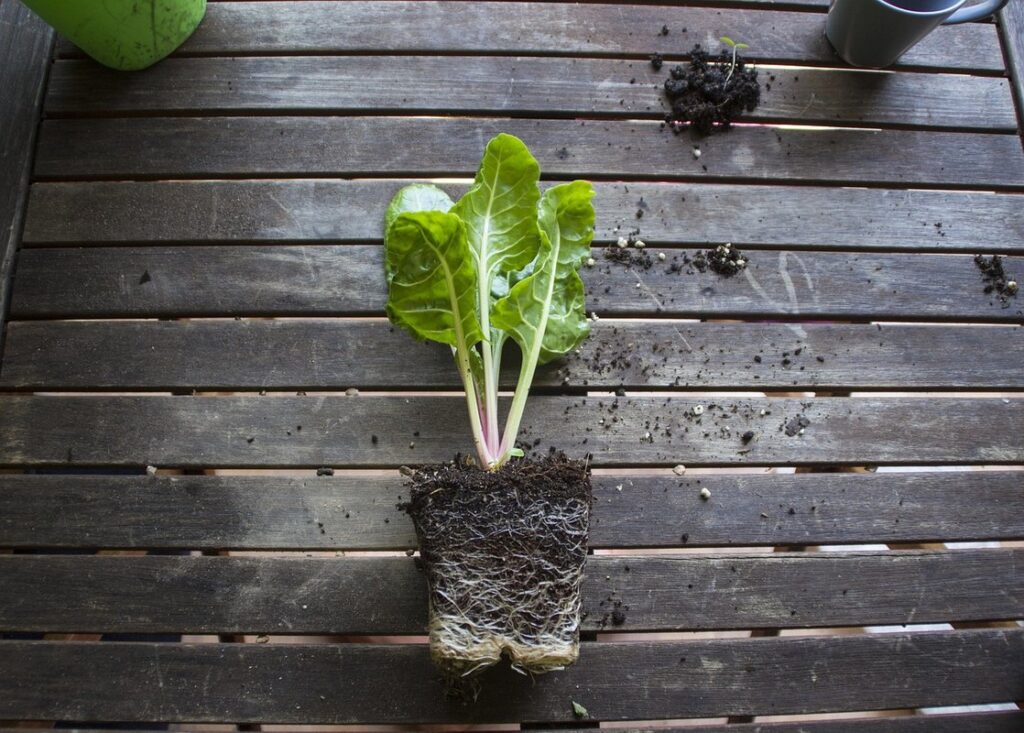
Understanding Swiss Chard Plants
Swiss chard plants are a bit more complex than they seem, and understanding their unique characteristics is crucial for successful growth. Let’s dive into the details of what makes these plants tick.
What is Swiss Chard?
Swiss chard is a leafy green vegetable that’s often misunderstood, but it’s actually quite fascinating. From a botanical standpoint, Swiss chard belongs to the beet family (Beta vulgaris subsp. vulgaris). This classification might seem unusual, given its distinct flavor profile and appearance compared to beets. However, both plants share a common ancestor and are closely related.
As a leafy green, Swiss chard is often grouped alongside spinach, kale, and other greens in terms of nutritional value and culinary uses. Its leaves offer an impressive array of vitamins A, C, and K, as well as minerals like magnesium and iron. The plant’s versatility lies in its adaptability to various cooking methods – from sautéing and steaming to braising and roasting.
In the garden, Swiss chard is a relatively low-maintenance crop that thrives in cooler temperatures and well-draining soil. Its stalks can be harvested continuously as they grow, making it an attractive choice for permaculture gardens or intensive growing systems.
Types of Swiss Chard
When it comes to growing and cultivating Swiss chard plants, one of the most exciting aspects is the variety of types available. Among the most popular varieties are red, green, and rainbow Swiss chard.
Red Swiss chard, also known as ‘Ruby Red’, has deep crimson stems and veins that add a pop of color to salads and sautéed dishes. This variety is high in anthocyanins, powerful antioxidants responsible for its vibrant red hue. In contrast, green Swiss chard is more versatile, with mild flavor and tender leaves perfect for steaming or adding to soups.
Rainbow Swiss chard takes the cake with its striking multicolored stems and veins, a result of genetic variation that creates an array of colors from yellow to orange to red. This variety not only adds visual appeal but also brings a unique nutritional profile due to the diverse range of pigments present. Whether you’re looking for a burst of color or added nutrition in your meals, these types of Swiss chard offer endless possibilities for culinary creativity and experimentation.
When selecting a type, consider the flavor, texture, and desired level of color intensity for your cooking needs. Many gardeners and chefs swear by growing multiple varieties to experience their unique characteristics firsthand.
Growing Swiss Chard Plants
To successfully grow and maintain healthy Swiss chard plants, learn how to sow seeds, transplant seedlings, and provide ideal growing conditions.
Ideal Climate and Soil Conditions
Growing Swiss chard is relatively easy as long as you provide it with the right climate and soil conditions. Ideally, Swiss chard thrives in temperate to subtropical climates where temperatures range from 60°F to 85°F (15°C to 30°C). This temperature range allows for optimal growth without exposing the plant to extreme heat or cold stress.
When it comes to soil, Swiss chard prefers well-draining, fertile soil with a pH between 6.0 and 7.5. A slightly acidic to neutral soil pH is ideal for this plant. If your soil is too alkaline, you can add sulfur to lower the pH. On the other hand, if it’s too acidic, adding lime will help raise the pH.
In terms of nutrient requirements, Swiss chard needs a balanced diet of nitrogen, phosphorus, and potassium (NPK). You can fertilize your Swiss chard plants with a general-purpose fertilizer during the growing season. However, avoid over-fertilizing as this can lead to excessive leaf growth at the expense of root development.
To provide your Swiss chard with optimal soil conditions, aim for a mix that’s rich in organic matter such as compost or well-rotted manure. This will help improve drainage and fertility while also supporting healthy microbial activity in the soil.
Planting and Spacing
When planting Swiss chard seeds or seedlings, it’s essential to consider the spacing requirements for optimal growth. For direct sowing, plant seeds 2-3 inches apart and 1/4 inch deep in well-draining soil with a pH between 6.0 and 7.0. For transplanting seedlings, space them 12-18 inches apart.
Companion planting can also enhance Swiss chard growth. Plant marigolds nearby to repel nematodes that can harm the crop. Onions, garlic, and shallots can be used as a natural pest deterrent, while carrots and beets benefit from the shade provided by taller Swiss chard plants. Avoid planting Swiss chard near members of the Brassica family, such as broccoli or cauliflower, as they may compete for nutrients.
When transplanting seedlings, make sure to handle them gently to avoid damaging the roots. Harden off seedlings before moving them outdoors to prevent shock. Keep the soil consistently moist during the first few weeks after planting to ensure a strong start for your Swiss chard crop.
Care and Maintenance of Swiss Chard Plants
To keep your Swiss chard plants thriving, it’s essential to provide them with regular care and maintenance, including watering, pruning, and fertilization techniques. Regular attention will ensure a bountiful harvest.
Watering and Humidity
Consistent moisture levels and humidity are crucial for healthy Swiss chard plants. These conditions help prevent stress, which can lead to pests and diseases that can decimate a crop. To maintain optimal moisture, water your plants when the top 1-2 inches of soil feels dry to the touch.
Monitor humidity levels as well, especially in warmer climates or during hot summer months. Swiss chard prefers high humidity, ideally between 60-80%. You can increase humidity by placing the pot on a tray filled with water and pebbles, which evaporates slowly and maintains a humid microclimate around the plant.
In addition to providing consistent moisture, it’s also essential to avoid overwatering, which can lead to root rot. Check the soil regularly and adjust your watering schedule accordingly. If you’re growing in a dry climate or during winter months when plants are dormant, you may need to water less frequently.
To ensure your Swiss chard is receiving sufficient humidity, place it near other plants that release moisture into the air, such as peace lilies or ferns. This natural method not only maintains humidity but also promotes a healthy and thriving environment for your crop.
Fertilization and Pruning
Fertilizing your Swiss chard plants with balanced nutrients is crucial for optimal growth and production. A well-balanced fertilizer will provide the necessary macro and micronutrients to promote healthy leaf development, root growth, and overall plant vigor.
To fertilize effectively, choose a fertilizer that contains nitrogen (N), phosphorus (P), and potassium (K) in the ratio of 10-10-10 or 20-20-20. You can apply it according to package instructions, usually once a month. Organic options like compost tea, fish emulsion, or manure-based fertilizers are also excellent choices.
Pruning is another essential aspect of Swiss chard care. Regular pruning encourages bushy growth by promoting lateral branching and preventing the plant from flowering. To prune your Swiss chard, simply remove any flowers that form at the center of the plant, leaving about an inch of stem intact. This will direct the plant’s energy towards producing more leaves rather than seeds. You can also pinch off individual leaves or stems to encourage new growth and prevent overcrowding. By combining balanced fertilization with regular pruning, you’ll be rewarded with a bountiful harvest of delicious and nutritious Swiss chard.
Pests, Diseases, and Common Issues
Swiss chard plants can be susceptible to certain pests and diseases if not properly cared for. Learn how to identify and prevent these common issues.
Common Pests Affecting Swiss Chard
Swiss chard plants are prone to infestation by various pests that can cause damage and affect their overall health. Some common pests that target Swiss chard plants include aphids, slugs, and snails.
Aphids are small, soft-bodied insects that feed on plant sap, causing curled or distorted leaves. They can also transmit plant viruses like beet western yellows virus. To control aphid infestations, try using neem oil or insecticidal soap to spray the plants, or introduce beneficial predators like ladybugs or lacewings.
Slugs and snails are slimy pests that feed on Swiss chard leaves at night, leaving behind a trail of damage. To deter them, use copper tape around plant pots or create a barrier using crushed eggshells or sharp gravel. Hand-picking is another effective method – collect the slugs and snails at night and release them away from your garden.
These pests can be managed effectively with organic control methods that minimize harm to beneficial insects and the environment. Regular monitoring of your plants, combined with these targeted approaches, will help you keep your Swiss chard plants healthy and thriving.
Fungal Diseases and Root Problems
Swiss chard plants are susceptible to various fungal diseases and root problems that can significantly impact their growth and productivity. One of the most common fungal diseases is powdery mildew, which appears as a white, powdery coating on the leaves and stems. To prevent powdery mildew, ensure good air circulation around your Swiss chard plants by spacing them at least 6-8 inches apart. Regularly inspect your plants for any signs of disease, and treat them promptly with fungicides.
Root problems are another common issue in Swiss chard plants, often caused by overwatering or poor drainage. To prevent root rot, make sure the soil drains well and avoid watering your plants when the top inch of soil feels dry to the touch. Regularly inspect the roots of your Swiss chard plants for signs of decay, and repot them if necessary.
To treat fungal diseases and root problems, remove any affected leaves or stems to prevent the spread of disease. Apply fungicides according to the product’s instructions, and adjust your watering schedule to ensure good drainage.
Harvesting and Storage of Swiss Chard
Now that you’ve harvested your bountiful Swiss chard crop, it’s time to think about how to store it so it stays fresh for as long as possible. Proper storage techniques will help extend its shelf life.
When to Harvest
When it’s time to harvest your Swiss chard leaves, look for signs of maturity such as a slightly larger size compared to when they were younger. The older leaves at the base of the plant will also start to yellow and become less bitter. Check the color, texture, and taste of the leaves to determine their readiness.
For baby leaf harvesting, you can pick individual leaves or stems as needed, usually within 4-6 weeks after planting. For mature leaves, wait until they reach about 8-10 inches in length. Harvest them in the morning when the leaves are at their crispest and most tender.
The optimal time for harvesting Swiss chard depends on the type: ‘Fordhook Giant’ is ready to harvest within 50 days, while ‘Rainbow’ takes around 40-45 days. Keep an eye on the plant’s growth stage, as over-maturity can cause bitterness and a loss of nutrients.
To minimize damage to the plant, use scissors or pinch off the leaves at the base, leaving some stem intact for continued growth. Regular harvesting will also encourage the plant to produce new leaves and prevent it from flowering prematurely.
Tips for Storing Swiss Chard
Proper storage of harvested Swiss chard is crucial to maintain its freshness and nutritional value. Before storing, make sure to clean the leaves thoroughly with cold water to remove any dirt or debris. Trim the stems, but avoid cutting them too short as this can cause moisture loss.
To store Swiss chard in the refrigerator, wrap it loosely in a damp paper towel and place it in a sealed container or plastic bag. Store at a temperature of 32°F (0°C) to slow down the breakdown of chlorophyll and other nutrients. Check on the stored chard regularly to ensure it remains fresh.
When storing Swiss chard for an extended period, consider freezing it. Blanch the leaves in boiling water for 2-3 minutes to inactivate enzymes that cause spoilage. Then, chill them immediately in an ice bath, followed by packaging and freezing. Frozen Swiss chard can be stored for up to a year.
To maximize shelf life, use airtight containers or freezer bags to prevent moisture loss and contamination.
Nutritional Benefits and Health Effects of Swiss Chard
Swiss chard is a nutrient-dense superfood that offers numerous health benefits, including supporting eye health, reducing inflammation, and promoting healthy digestion. Let’s dive into its impressive nutritional profile.
Vitamins and Minerals in Swiss Chard
Swiss chard is a nutrient-dense superfood that boasts an impressive array of vitamins and minerals. One of its standout features is its high content of vitamin A, which plays a crucial role in maintaining healthy vision, immune function, and skin health. Swiss chard is also an excellent source of vitamin C, with one cup providing over 100% of the recommended daily intake. This makes it an ideal addition to a diet rich in antioxidants and anti-inflammatory compounds.
Swiss chard is also an exceptional source of vitamin K, essential for blood clotting and bone health. In fact, just one cup cooked provides over 650% of the recommended daily value! Magnesium and iron are two other key minerals found in abundance within Swiss chard. These nutrients support heart health, energy production, and a robust immune system.
To get the most out of Swiss chard’s nutrient profile, be sure to consume it raw or lightly steamed to preserve its delicate vitamin content. Adding Swiss chard to salads, smoothies, or sautéing it as a side dish can be an easy way to incorporate more vitamins and minerals into your diet.
Potential Health Benefits
Swiss chard is often touted as a superfood due to its impressive nutritional profile and potential health benefits. One of the most significant advantages of incorporating Swiss chard into your diet is its ability to support eye health. The high levels of lutein and zeaxanthin in Swiss chard make it an excellent choice for protecting against age-related macular degeneration and cataracts.
In addition to supporting eye health, Swiss chard has anti-inflammatory properties that can help reduce inflammation throughout the body. This is particularly beneficial for individuals with conditions such as arthritis or those at risk of chronic diseases like heart disease. To reap these benefits, aim to consume 1-2 cups of cooked Swiss chard per day.
To incorporate more Swiss chard into your diet, try adding it to smoothies, sautéing it with garlic as a side dish, or using it in place of spinach in pasta dishes. With its mild flavor and versatility, there’s no excuse not to give Swiss chard a try.
Cooking and Recipe Ideas for Swiss Chard
Get creative with your Swiss chard harvest by exploring a variety of delicious cooking methods, from sautéing to roasting, and discover inspiring recipe ideas to enjoy this nutritious leafy green.
Introduction to Preparing Swiss Chard
Preparing Swiss chard for cooking is an essential step to bring out its unique flavor and texture. To begin with, always clean the leaves thoroughly before using them. Simply rinse the swiss chard under cold running water, removing any dirt or debris that may have accumulated. Gently shake off excess moisture to prevent sogginess.
Next, trim the stems and remove any tough or fibrous parts. For most recipes, you can chop the stems into smaller pieces and sauté them along with the leaves. If you prefer a more delicate texture, simply snip off the stems at an angle and discard.
When it comes to cooking Swiss chard, boiling is often the quickest method. Place the cleaned and trimmed leaves in a large pot of salted water, cover the lid, and bring to a boil. Cook for 3-5 minutes or until the leaves have wilted slightly. You can also steam the chard by placing it in a steamer basket over boiling water for 4-6 minutes.
Before cooking, always check for any signs of spoilage or damage. Fresh Swiss chard should be crisp and free from wilting or discoloration. By following these simple steps, you’ll be well on your way to enjoying the rich flavors and nutritional benefits of this versatile leafy green.
Recipe Ideas and Pairing Suggestions
Swiss chard is an incredibly versatile ingredient that can be used in a variety of dishes, from sautéed sides to hearty soups. Here are some creative recipe ideas and pairing suggestions to get you started:
One of the simplest ways to prepare Swiss chard is by sautéing it with garlic and lemon. Simply heat some olive oil in a pan, add a few cloves of minced garlic, and then add a handful of chopped Swiss chard leaves. Cook until wilted, season with salt and pepper, and serve as a side dish. Pair this recipe with grilled chicken or fish for a light and healthy meal.
For a more substantial dish, try roasting Swiss chard with some root vegetables like carrots and parsnips. Simply toss the chopped chard and veggies with olive oil, salt, and pepper, and roast in the oven until tender. This makes a great side dish or can be served as a light main course.
If you’re looking for a comforting soup, try making a Swiss chard and potato soup. Simply sauté some onions and garlic, then add chopped potatoes and Swiss chard to a pot of chicken or vegetable broth. Simmer until the veggies are tender, then blend until smooth. This is a delicious and filling meal that’s perfect for a chilly evening.
In addition to these recipes, don’t be afraid to experiment with different flavor combinations. Some options might include:
* Adding some red pepper flakes to give your Swiss chard a spicy kick
* Using Swiss chard in place of spinach or kale in your favorite smoothie recipe
* Pairing roasted Swiss chard with a dollop of tzatziki sauce for a refreshing side dish
The key is to have fun and experiment with different flavors and ingredients. With a little creativity, you can turn Swiss chard into a culinary star!
Frequently Asked Questions
How do I know when Swiss chard is ready to harvest?
Harvesting Swiss chard is a delicate process. The ideal time to pick the leaves is when they are about 6-8 inches tall, or whenever you need them for cooking. You can also harvest individual leaves by cutting them off at the base of the plant with scissors. Be sure not to pull out the entire root system, as this will prevent the plant from regenerating new growth.
Can I grow Swiss chard in containers if I don’t have a garden?
Yes, you can definitely grow Swiss chard in containers if you’re short on space or prefer container gardening. Choose a container that is at least 6-8 inches deep and has good drainage holes. Fill it with a well-draining potting mix and follow the same care instructions as for outdoor plants.
How do I prevent pests from damaging my Swiss chard crop?
Common pests like aphids, slugs, and snails can cause significant damage to your Swiss chard plants. To prevent infestations, use physical barriers like row covers or fine mesh to keep insects away. Regularly inspect your plants for signs of pests and take action promptly if you notice any issues.
Can I eat the Swiss chard stems as well as the leaves?
Yes! The stems are edible and packed with nutrients. In fact, they’re a great addition to salads, sautés, or braises. Simply trim off the ends, slice them into bite-sized pieces, and cook them alongside the leaves.
How do I store Swiss chard for longer periods of time?
To extend the shelf life of your harvested Swiss chard, wrap it in plastic bags or airtight containers to maintain humidity and prevent moisture loss. Store it in the refrigerator at around 32°F (0°C) and use within 1-2 weeks. You can also consider freezing chopped leaves for future meals by placing them in airtight containers or freezer bags.