
Are you looking to add some nutritional punch to your salads and meals? Growing Swiss chard can be a fantastic way to have fresh, delicious greens at your fingertips. This versatile leafy green is packed with vitamins A, C, and K, making it an excellent addition to any healthy diet. But growing Swiss chard can be intimidating if you’re new to gardening or unsure where to start.
Don’t worry – we’ve got you covered! In this comprehensive guide, we’ll walk you through the steps of preparing your soil, sowing Swiss chard seeds, and providing the perfect care for a bountiful harvest. From seed selection to harvesting tips, we’ll cover everything you need to know to grow healthy, vibrant Swiss chard in your garden or indoor space.
Understanding Swiss Chard
Before you start growing swiss chard, it’s essential to understand its characteristics and requirements to ensure a successful harvest. Let’s take a closer look at what makes this leafy green so unique.
What is Swiss Chard?
Swiss chard is one of the most versatile and nutritious leafy green vegetables you can grow in your garden. Also known as Beta vulgaris subsp. vulgaris, its botanical name is derived from the Latin word “beta,” meaning beets, which shares a common ancestry with Swiss chard. From a culinary perspective, it’s classified as a leafy green vegetable.
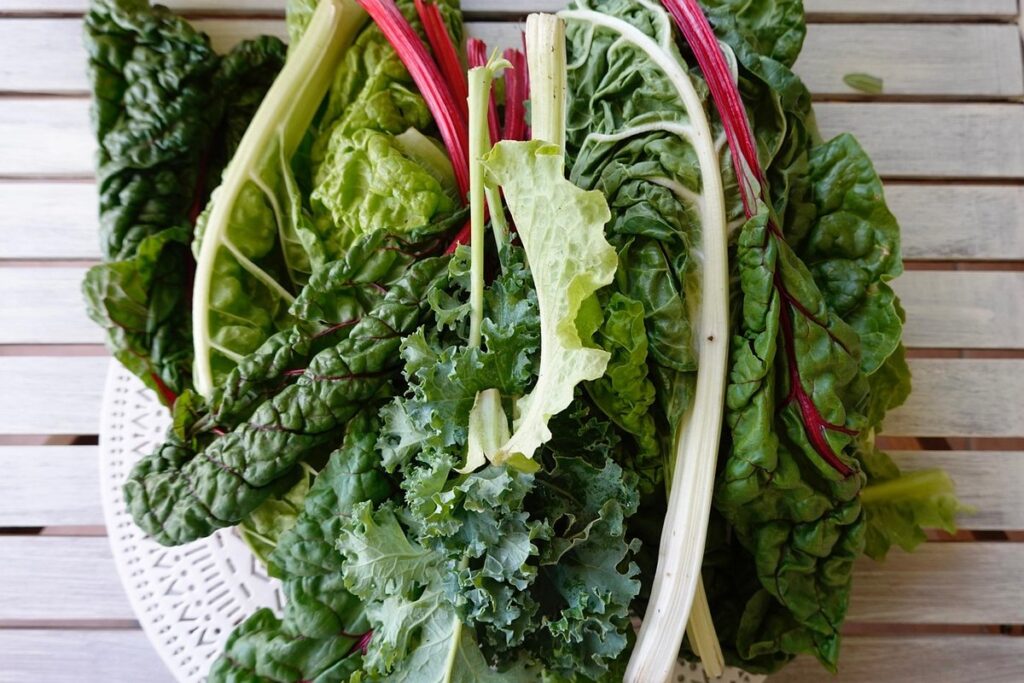
At first glance, Swiss chard looks like a mix of spinach and beets, but don’t let that confuse you – it’s its own unique entity! The plant is characterized by its beautiful, vibrant leaves in shades of red, gold, or white, with the added bonus of crunchy stalks that are rich in fiber and antioxidants. There are several varieties to choose from, including Bright Lights, Fordhook Giant, and Perpetual Spinach.
If you’re new to growing Swiss chard, understanding its characteristics will help you provide optimal care for this nutritious crop. With its mild climate tolerance and ability to thrive in poor soil conditions, Swiss chard is an excellent choice for gardeners of all skill levels – we’ll dive into the nitty-gritty of how to grow it successfully in the following sections.
Benefits of Growing Swiss Chard
Swiss chard is not only a versatile ingredient in the kitchen but also packed with numerous health benefits. It’s an excellent source of vitamins A, C, and K, as well as minerals like magnesium and iron. The antioxidants present in Swiss chard help protect against cell damage, reducing the risk of chronic diseases such as heart disease, diabetes, and certain cancers.
One of the most significant advantages of growing Swiss chard is its ease of cultivation. It’s a hardy crop that can thrive in poor soil and tolerate temperature fluctuations, making it an ideal choice for gardeners with limited space or experience. Plus, it matures quickly, typically taking only 50-60 days to harvest.
In addition to its impressive nutritional profile and ease of growth, Swiss chard is incredibly versatile in the kitchen. Its mild flavor pairs well with a variety of ingredients, from citrus and garlic to beans and grains. Try adding it to salads, sautéing it as a side dish, or using it as a wrap for sandwiches – the possibilities are endless!
Preparing the Soil for Swiss Chard
Before planting swiss chard, it’s essential to prepare the soil properly by loosening and aerating it to give your plants a strong start. Let’s dive into the specifics of how to do this effectively.
Choosing the Right Location
When choosing the right location for your swiss chard crop, it’s essential to consider the plant’s specific needs regarding sunlight and temperature. Swiss chard is a cool-season crop that thrives in full sun to partial shade, receiving at least 6 hours of direct sunlight per day. However, excessive heat can cause the leaves to bolt, or go to seed prematurely, reducing their flavor and texture.
To ensure optimal growth, select a location with temperatures between 60°F and 70°F (15°C and 21°C). Swiss chard is sensitive to extreme temperatures, so avoid areas prone to frost or intense summer sun. Additionally, consider the soil pH preferences of swiss chard: it tolerates a wide range of pH levels but prefers slightly acidic to neutral conditions between 6.0 and 7.0.
When selecting a location, also keep in mind that swiss chard is a heavy feeder and requires well-draining soil with adequate nutrients. Choose an area with good air circulation to prevent fungal diseases and pests. By carefully considering the sunlight, temperature, and soil pH requirements of your swiss chard crop, you can ensure a healthy and productive harvest.
Testing and Amending the Soil
Testing and amending the soil is an essential step in growing healthy Swiss chard. Before planting, it’s crucial to test your soil pH and nutrient levels to ensure they are suitable for this crop. You can purchase a DIY soil testing kit or send a sample to a lab for analysis. The ideal pH range for Swiss chard is between 6.0 and 7.0.
If your soil test reveals that your pH level is too low (acidic) or high (alkaline), you’ll need to amend the soil accordingly. For example, if your soil pH is too acidic, adding lime can help raise it. Conversely, if it’s too alkaline, sulfur can be added to lower it.
In addition to testing and adjusting pH levels, it’s also essential to evaluate nutrient deficiencies. Swiss chard loves rich, fertile soil with adequate nitrogen, phosphorus, and potassium (NPK) levels. If your test reveals low NPK levels, consider adding compost or well-rotted manure to enrich the soil.
Some examples of organic matter you can use to amend the soil include peat moss, coconut coir, or worm castings. These materials will not only improve soil structure and fertility but also retain moisture and suppress pests and diseases.
Sowing Swiss Chard Seeds
When sowing Swiss chard seeds, timing is crucial: you want to plant them at the right moment to ensure a successful harvest. Let’s dive into the specifics of getting started.
Seed Selection and Timing
When it comes to growing Swiss chard, selecting the right seeds is crucial for a bountiful harvest. There are several types of Swiss chard seeds available, each with its unique characteristics and growth habits. For example, ‘Rainbow’ Swiss chard seeds produce a variety that boasts vibrant colors and tender leaves, making them perfect for adding visual appeal to salads and sautés. On the other hand, ‘Fordhook’ Swiss chard seeds yield a more robust and less colorful variety ideal for cooking.
The timing of sowing Swiss chard seeds also depends on your location. In regions with mild winters and long growing seasons, you can sow Swiss chard seeds as early as February or March. However, in areas with harsher climates, it’s best to wait until the soil has warmed up and the risk of frost has passed, typically around late spring to early summer.
As for sowing depth, aim for about 1/4 inch (6 mm) deep and 2-3 inches (5-7.5 cm) apart in rows that are 12-18 inches (30-45 cm) apart.
Spacing and Sowing Techniques
When sowing Swiss chard seeds, it’s essential to consider the spacing and sowing techniques to ensure even growth and prevent overcrowding. The ideal row spacing for Swiss chard is between 12 to 18 inches apart, depending on the variety. However, when creating a grid pattern, it’s best to start with a square foot or a 2×3 feet block, as this allows for even growth and makes it easier to harvest individual leaves.
To create a grid pattern, sow seeds in rows that are parallel to each other, leaving about 1 inch between seeds. This will give the seedlings enough space to grow without becoming too crowded. Make sure to water gently but thoroughly after sowing, and keep the soil consistently moist during the germination period. Avoid overcrowding by thinning out weak or spindly seedlings when they are about 2-3 inches tall.
By following these spacing and sowing techniques, you’ll be able to grow healthy, robust Swiss chard plants that will provide you with a continuous harvest of delicious leaves throughout the season.
Caring for Swiss Chard Plants
To keep your swiss chard plants thriving, you’ll want to focus on providing them with the right growing conditions and regular care to prevent common problems. Proper maintenance is key to a healthy crop.
Watering and Irrigation Strategies
Watering Swiss chard plants requires careful attention to maintain optimal moisture levels. It’s essential to check the soil daily, sticking your finger into the top 1-2 inches of soil. If it feels dry, it’s time for a drink. Aim to provide about 1-2 inches of water per week, either through rain or irrigation.
To avoid overwatering, which can lead to root rot and other issues, ensure good drainage by adding organic matter like compost to the soil. Also, be mindful of weather forecasts – if heavy rain is predicted, skip watering for a few days to prevent waterlogged soil.
In terms of efficient irrigation methods, consider using drip irrigation or soaker hoses that deliver water directly to the roots, reducing evaporation and runoff. You can also use mulch around plants to retain moisture in the top layer of soil.
Lastly, monitor your Swiss chard’s response to watering by observing its growth rate, leaf color, and overall health. Adjust your watering schedule accordingly to ensure consistent moisture levels throughout the growing season.
Fertilization and Pruning
As your Swiss chard plants mature, they’ll require some TLC to maintain their health and productivity. One essential aspect is fertilization – providing them with the necessary nutrients for continued growth. Use a balanced fertilizer that contains nitrogen, phosphorus, and potassium (NPK). Aim to fertilize every 1-2 weeks during peak growing seasons. For example, if you’re using a water-soluble fertilizer, follow the instructions on the label and dilute it according to the recommended strength.
Pruning is another crucial step in maintaining healthy Swiss chard plants. Remove any yellow or damaged leaves to prevent the spread of disease. You can also cut back mature stalks by about half to encourage new growth and prevent flowering. This technique is called “tip pruning.” To promote a bushy shape, remove any stems that grow taller than 6 inches from the crown of the plant.
Preventing pests is another vital aspect of caring for your Swiss chard plants. Regularly inspect your plants for signs of damage or infestation. Use neem oil or insecticidal soap to control aphids, whiteflies, and other pests that can damage your crop. Keep an eye out for slugs and snails, which can also cause significant damage to your plants.
Common Challenges and Solutions
Growing Swiss chard can be a breeze, but you’ll inevitably encounter some common issues. Let’s tackle them together, exploring practical solutions to keep your crop thriving.
Pests and Diseases
Swiss chard is susceptible to various pests and diseases that can significantly impact its growth. Some common pests you may encounter when growing Swiss chard include aphids, slugs, and caterpillars. Aphids are tiny sap-sucking insects that can spread plant viruses, while slugs and snails can cause significant damage by eating away at the leaves. To prevent aphid infestations, maintain good garden hygiene by removing weeds and debris that provide shelter for these pests.
To control pest populations, use neem oil or insecticidal soap to repel and kill them. For slug and snail infestations, use copper tape around plant pots or apply beer traps near affected areas. Regularly inspect your plants for signs of pests, such as curled leaves or sticky substances on the leaves.
Diseases like powdery mildew and root rot can also affect Swiss chard. Powdery mildew is a fungal disease that appears as white powder on leaf surfaces, while root rot is caused by overwatering, leading to soft, mushy stems. To prevent these diseases, ensure good air circulation around plants and avoid watering the leaves directly. For powdery mildew, use fungicides or remove infected leaves.
Nutrient Deficiencies and Toxicities
When growing Swiss chard, it’s essential to be aware of potential nutrient deficiencies and toxicities that can affect your crop. One common sign of a nutrient deficiency is yellowing leaves. This can be caused by a lack of magnesium, iron, or nitrogen. If you notice this happening, check the pH level of your soil and adjust it if necessary. Yellowing leaves can also indicate overwatering, so ensure you’re not providing too much moisture.
On the other hand, overfertilization can lead to toxicity in your Swiss chard plants. This is often caused by excessive nitrogen application, which can burn the roots and leave a chemical residue on the leaves. Watch for symptoms such as stunted growth, curled or distorted leaves, or a general decline in plant health. To avoid this issue, stick to recommended fertilizer amounts and consider using organic options.
Some signs of specific nutrient deficiencies include:
* Nitrogen deficiency: yellowing leaves with green veins
* Magnesium deficiency: yellowing leaves between the veins
* Iron deficiency: pale or yellowish leaves
Be aware that overfertilization can lead to long-term soil damage, reducing fertility for future crops.
Harvesting and Preserving Swiss Chard
Now that you’ve harvested your delicious swiss chard, it’s time to preserve its flavor and nutrients for year-round enjoyment. Learn how to dry, freeze, and cook with this versatile leafy green.
Timing and Techniques for Mature Leaves
When it comes to harvesting mature leaves of Swiss chard, timing is crucial to ensure optimal flavor and texture. Typically, individual leaves are ready for harvest when they reach 6-8 inches in length, usually within 20-30 days after sowing. To minimize damage during collection, use scissors or pinch off the leaves at their base, leaving a small piece of stem intact.
For larger plants, you can harvest entire stalks with multiple leaves, cutting them near the soil line using a sharp knife or pruning shears. This technique is called “cut-and-come-again” harvesting and encourages continuous growth. As you remove mature leaves, new ones will emerge from the center of the plant, allowing for repeated harvests throughout the growing season.
Keep in mind that Swiss chard plants typically produce two flushes of leaves: one in early spring and another in late summer or fall. Be patient and allow the plants to grow between harvests, as this allows them to recover and produce more leaves. By harvesting at the right time and using the right techniques, you’ll be able to enjoy a continuous supply of delicious Swiss chard from your garden.
Storing and Preserving Harvested Chard
When it’s time to harvest your Swiss chard crop, you’ll want to ensure that your hard-earned greens stay fresh for as long as possible. Proper storage and preservation techniques are crucial to maintaining the quality and nutritional value of your harvest.
To store fresh chard, keep it in a cool, dry place with good air circulation. This can be a refrigerator or a designated root cellar. Remove any tough or damaged leaves, and trim the stems to about an inch from the base. Wrap the bunches loosely in plastic bags or aluminum foil, making sure not to seal them tightly. This will help maintain humidity while preventing moisture buildup.
For longer-term preservation, consider freezing or canning your chard. To freeze, blanch the leaves for 2-3 minutes to inactivate enzymes that cause spoilage, then package and store at 0°F (-18°C) or below. Canning requires a pressure canner, but it’s a great way to preserve large quantities of chard for up to a year. Always follow safe canning practices to avoid contamination and foodborne illness.
Remember to label and date any preserved chard so you can easily track its storage time and ensure that it’s used before spoilage sets in.
Frequently Asked Questions
Can I grow Swiss chard indoors year-round, regardless of the season?
Yes, you can definitely grow Swiss chard indoors, even during winter months. With proper lighting, temperature control, and watering, it’s possible to have a continuous harvest. Make sure to provide enough light (at least 4-6 hours of direct sunlight or 12-14 hours with artificial lighting) and maintain a consistent temperature between 65°F to 75°F (18°C to 24°C).
How often should I water Swiss chard, especially in hot weather?
Water your Swiss chard plants regularly, but avoid overwatering. Check the soil moisture by sticking your finger into the soil up to the first knuckle. If the soil feels dry, it’s time for watering. In hot weather (above 85°F or 30°C), water every other day, while in cooler temperatures, reduce watering to once a week.
Can I use regular potting mix for growing Swiss chard, or do I need a specialized mix?
You can use regular potting mix for Swiss chard, but it’s recommended to create a customized mix specifically designed for leafy greens. Add 10% compost and 5% perlite to your potting mix to improve drainage and nutrient availability.
What are some common pests that target Swiss chard, and how do I prevent them?
Common pests that target Swiss chard include aphids, slugs, and snails. To prevent infestations, use neem oil or insecticidal soap as a barrier spray. Keep your garden clean by removing weeds, debris, and fallen leaves, which can attract pests.
Can I grow multiple varieties of Swiss chard together in the same bed?
Yes, you can grow different varieties of Swiss chard together in the same bed. However, choose varieties with similar growth habits, maturity dates, and pest resistance to ensure a harmonious coexistence. Also, make sure to provide enough space between plants (about 6-8 inches) for optimal air circulation and sunlight penetration.