
Growing sweet potatoes in Florida can be a rewarding experience, but its hot and humid climate requires some special care. If you’re looking to try your hand at cultivating this nutritious crop, it’s essential to choose heat-tolerant varieties that thrive in our state’s weather conditions. But that’s just the beginning – managing pests and diseases is also crucial to ensure a successful harvest.
In this comprehensive guide, we’ll walk you through everything you need to know to grow sweet potatoes in Florida, from selecting the right variety to tackling common challenges. We’ll cover tips on soil preparation, irrigation, and fertilization, as well as strategies for keeping those pesky pests at bay. Whether you’re a seasoned gardener or just starting out, this article will provide you with all the information you need to grow sweet potatoes successfully in Florida’s hot climate.
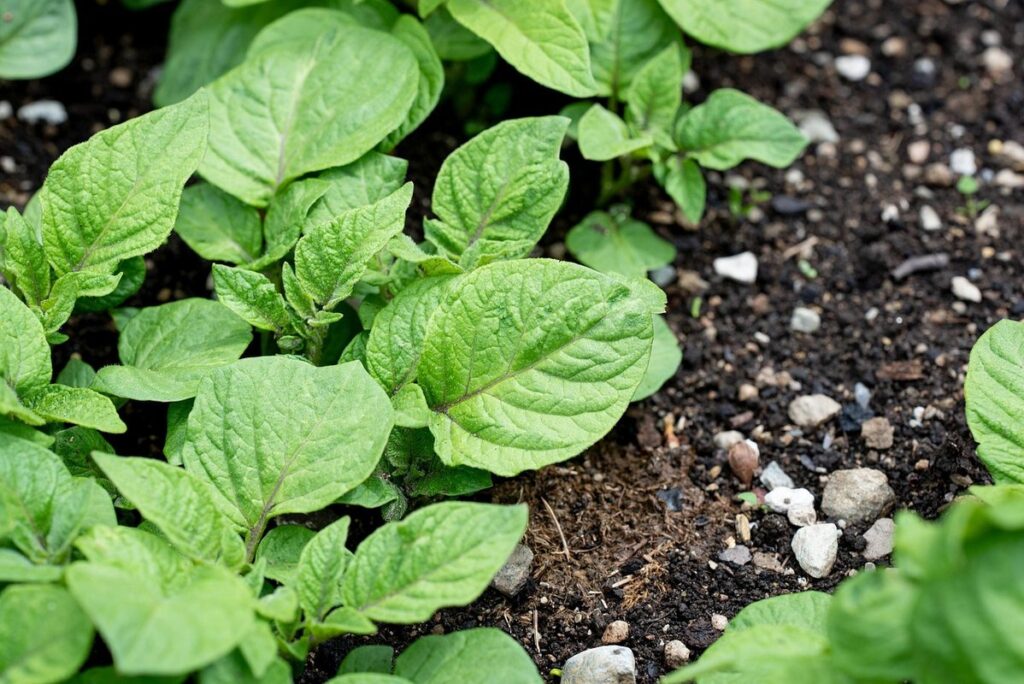
Choosing the Right Variety
When it comes to growing sweet potatoes, selecting the right variety is crucial for success in Florida’s climate. We’ll explore the top choices for your region and what sets them apart.
Selecting Heat-Tolerant Varieties
When it comes to growing sweet potatoes in Florida’s hot and humid climate, selecting heat-tolerant varieties is crucial for a successful harvest. Unlike cooler regions, Florida’s sweet potato crops face intense heat stress during the summer months, which can lead to reduced yields and lower quality tubers.
To avoid these issues, look for sweet potato varieties that are specifically bred for warm climates like Florida. Some popular options include ‘Beauregard’, ‘Covington’, and ‘Georgia Jet’. These varieties have been developed using traditional breeding methods or through genetic research, and they’re designed to thrive in temperatures above 75°F (24°C).
‘Beauregard’, for example, is a hybrid variety known for its high yield potential and disease resistance. It’s a great choice for Florida gardeners because it can tolerate temperatures up to 95°F (35°C). Similarly, ‘Covington’ is another heat-tolerant variety that produces excellent yields in warm climates.
When selecting a heat-tolerant sweet potato variety, consider factors such as disease resistance, yield potential, and storage quality. By choosing the right variety for your Florida garden, you’ll be well on your way to enjoying a bountiful harvest of delicious sweet potatoes all year round.
Considering Disease Resistance
When selecting sweet potato varieties for growing in Florida, it’s essential to consider disease resistance. The Sunshine State is plagued by diseases like fusarium wilt and root knot nematodes, which can decimate your crop if you choose the wrong variety.
Fusarium wilt, caused by the fungal pathogen Fusarium oxysporum, can lead to yellowing leaves, wilting, and eventually plant death. Root knot nematodes, on the other hand, cause knots or galls to form on roots, stunting growth and reducing yields.
To avoid these issues, look for sweet potato varieties that have built-in resistance to fusarium wilt and root knot nematodes. Some examples of resistant varieties include ‘Jewel’, ‘Covington’, and ‘O’Henry’. These cultivars have been bred specifically for their ability to withstand disease pressure in warmer climates like Florida’s.
When purchasing seed potatoes, check the label or consult with a reputable nursery to ensure you’re getting a resistant variety. By choosing the right sweet potato variety, you can minimize the risk of disease and enjoy a healthy, productive crop.
Preparing the Soil
Before you start planting, it’s essential to prepare your soil for sweet potatoes. This means removing any debris and loosening the top 12 inches of dirt to create a perfect growing environment.
Testing and Amending the Soil
Soil testing and amending are crucial steps in preparing your soil for sweet potato growth. In Florida’s sandy soils, common deficiencies can hinder your plant’s ability to absorb essential nutrients. A lack of organic matter, high pH levels, and insufficient potassium (K) content are just a few issues that may arise.
To address these issues, start by testing your soil using a DIY kit or consulting with a local nursery professional. This will help you determine the specific deficiencies in your soil. Based on the results, amend your soil with organic matter such as compost or well-rotted manure to improve its structure and fertility. If your pH levels are too high, add elemental sulfur to bring them down.
Some examples of how to amend your soil include adding a 2-inch layer of compost to the top 6 inches of soil before planting sweet potatoes. This will provide a nutrient-rich environment for your plants to grow in. Another option is to mix 1 tablespoon of potassium sulfate (0-0-62) with 10 pounds of water and apply it as a foliar spray or soil drench when your sweet potato vines are about 6 inches long. By taking these steps, you’ll be well on your way to creating an optimal environment for your sweet potatoes to thrive in Florida’s climate.
Building Soil Organic Matter
Building a rich and fertile soil is essential for growing sweet potatoes in Florida. One of the most critical aspects of preparing the soil is building its organic matter content. This can be achieved through the use of compost, manure, or other natural amendments. Adding these materials to your soil helps improve its structure, increases its water-holding capacity, and provides nutrients to your sweet potato plants.
When selecting a natural amendment, consider what your sweet potatoes need most. Compost, for example, is an excellent choice as it adds both organic matter and essential micronutrients to the soil. Manure, particularly from animals that eat plant-based diets like cows or horses, also work well. Mix 2-3 inches of compost or manure into the top 6-8 inches of your soil before planting sweet potatoes.
To create your own compost at home, you’ll need a mix of “green” and “brown” materials. Green materials include food scraps, grass clippings, and animal waste, while brown materials are dried leaves, straw, or shredded newspaper. Aim for a 2:1 ratio of green to brown materials and let it decompose for several months before using it in your garden.
Planting Sweet Potatoes
When planting sweet potatoes in Florida, it’s essential to choose a suitable location and prepare the soil properly before transplanting your slips. Follow these steps for a successful harvest.
Timing and Spacing
When planting sweet potatoes in Florida’s climate, timing is crucial for optimal growth. In most areas of the state, it’s best to plant sweet potato slips (seedlings) from late April to early May, when the soil has warmed up to at least 60°F (15°C). This allows the plants to mature before the onset of hot summer weather.
Proper spacing is also essential for healthy growth. Plant slips 12-18 inches apart in rows that are 3-4 feet apart. This will give the vines room to spread out and receive adequate sunlight. In Florida’s warm climate, sweet potatoes can be grown year-round, but spring planting allows for a longer harvest season.
To make the most of your crop, consider using raised beds or mounds to improve soil drainage and aeration. These structures also help reduce soil-borne diseases that can affect sweet potato growth. By planting at the right time and with sufficient spacing, you’ll be well on your way to growing delicious sweet potatoes in Florida’s subtropical climate.
Planting Methods
When it comes to planting sweet potatoes in Florida, you have two primary methods to consider: direct sowing and slip production. Direct sowing involves planting the seeds directly into the ground, while slip production requires starting with a mature sweet potato and allowing it to produce slips, which are then transplanted.
Direct sowing can be done as soon as the soil temperature reaches 65°F (18°C), typically in late winter or early spring. This method is ideal for small-scale planting or when you don’t have access to a nursery with slips available. However, direct-sown seedlings may take longer to mature and may not produce the same quality tubers as slips.
On the other hand, slip production offers several advantages. Slips tend to mature faster, producing higher-quality tubers within 90-100 days. They also offer greater resistance to diseases and pests, reducing the need for pesticides and other chemicals. To start with slips, cut a mature sweet potato in half lengthwise and place it in a container of water or a nursery tray. Roots will begin to sprout in about a week, at which point you can transplant them into individual pots.
When choosing between these methods, consider your climate zone within Florida. In areas with shorter growing seasons, direct sowing may be more feasible. However, for those with longer growing seasons and warmer winters, slip production is likely the better choice.
Irrigation and Water Management
When it comes to growing sweet potatoes in Florida, proper irrigation and water management are crucial for a successful harvest. Let’s dive into the best practices for keeping your roots happy and healthy.
Understanding Sweet Potato Water Needs
When it comes to growing sweet potatoes in Florida’s climate, one of the most critical factors is ensuring they receive the right amount of water. Sweet potato plants need consistent moisture, especially during their first 30 days after germination. However, overwatering can be detrimental, leading to root rot and other diseases.
To determine the right amount of water for your sweet potatoes, consider the soil type in your garden. If you have sandy or well-draining soil, your plants may require more frequent watering than those with clay-rich or loamy soils. A general rule of thumb is to provide about 1-2 inches of water per week, either from rain or irrigation.
Keep an eye on the weather forecast and adjust your watering schedule accordingly. If you’re experiencing drought conditions, you may need to increase watering frequency. On the other hand, if there’s been recent rainfall, you can reduce watering to prevent overhydration. By monitoring soil moisture and adjusting your watering routine, you’ll be able to provide your sweet potatoes with the right amount of water for optimal growth.
Implementing Efficient Irrigation Systems
Irrigation is a crucial aspect of sweet potato cultivation in Florida’s hot and dry climate. Drip irrigation systems are an excellent choice for efficient watering, as they deliver water directly to the roots of the plants, reducing evaporation and runoff. This type of system can be especially beneficial when using a drip tape or soaker hose, which allows for even moisture distribution.
Another effective technique is mulching around the sweet potato plants. Organic mulch like straw, wood chips, or grass clippings helps retain soil moisture, suppress weeds, and regulate soil temperature. Mulching also improves soil health by reducing erosion and adding nutrients as it breaks down. It’s essential to keep a 2-3 inch layer of mulch around the plants, replenishing it as needed.
When implementing an irrigation system, consider installing a rain sensor or smart controller that allows for automatic adjustments based on weather conditions. This ensures your sweet potatoes receive the right amount of water at the right time, even during periods of high rainfall. Regular monitoring and maintenance of your irrigation system will help you optimize water usage and achieve healthy plant growth.
Pest and Disease Management
Sweet potatoes can be susceptible to pests and diseases in Florida’s warm climate, so it’s essential to learn how to manage common issues like aphids, whiteflies, and fungal infections. We’ll walk you through effective prevention and treatment methods.
Common Sweet Potato Pests in Florida
When growing sweet potatoes in Florida, it’s essential to be aware of the common pests that can affect your crop. Among the most prevalent ones are aphids and whiteflies, which thrive in the state’s subtropical climate. These tiny insects feed on sap, causing curled or distorted leaves, stunted growth, and reduced yields.
Aphids can multiply rapidly, so it’s crucial to monitor your plants closely for signs of infestation. Whiteflies, on the other hand, are known to transmit diseases like yellowing virus and curly top virus. Regularly inspect your sweet potato plants for these pests, especially during peak summer months when they’re most active.
Another significant pest in Florida is the root-knot nematode (Meloidogyne incognita), which can cause severe damage by forming knots on the roots of your sweet potatoes. This nematode is particularly problematic as it’s resistant to many pesticides and can remain dormant for extended periods, only to re-emerge when conditions are favorable.
To manage these pests effectively, practice integrated pest management (IPM) techniques. Keep your garden free from weeds, debris, and other hiding spots that attract pests. Implement crop rotation and use physical barriers or traps to prevent infestations. If necessary, apply targeted pesticides according to the label instructions.
Managing Diseases with Organic Methods
When it comes to managing diseases in sweet potato crops, organic methods are not only more environmentally friendly but also more effective in the long run. One of the most crucial steps is crop rotation. This means alternating between different types of crops, including cover crops and non-host plants, to break disease cycles and reduce soil-borne pathogens.
In Florida’s subtropical climate, sweet potatoes are particularly susceptible to diseases like powdery scab and leaf spot. To combat these issues, you can use biological control methods such as introducing beneficial microbes into the soil or using natural predators like ladybugs to control aphid populations.
Another effective way to manage disease is by choosing resistant varieties of sweet potatoes. These have been bred specifically to withstand certain diseases, offering a proactive approach to disease management.
Remember to also maintain good cultural practices, such as providing adequate spacing between plants and ensuring proper drainage, to prevent moisture-related diseases from taking hold. By combining these organic methods, you can create a healthy environment for your sweet potato crop to thrive in Florida’s climate.
Harvesting and Storing Sweet Potatoes
Now that your sweet potatoes are mature, it’s time to harvest them carefully to avoid damaging the tubers, followed by proper storage methods.
Identifying Maturity and Harvest Time
Identifying Maturity and Harvest Time is crucial for avoiding spoilage and ensuring a bountiful harvest. Sweet potatoes are ready to be harvested when the tops of the plants begin to yellow and die back, typically 90-120 days after planting. This process signals that the roots have finished growing and are mature.
Check for maturity by gently digging around the base of the plant with your fingers or a fork, taking care not to damage the tubers. If they’re ready, they should come out easily. Harvest sweet potatoes when the skin is still tender to the touch but firm enough to handle without bruising. Avoid pulling them up too late, as this can lead to rot and spoilage.
In Florida’s subtropical climate, it’s essential to time your harvest just right. Sweet potatoes are more prone to decay in hot temperatures, so aim for a cooler period if possible. A temperature range of 65-75°F (18-24°C) is ideal for storing harvested sweet potatoes. Be sure to handle the roots with care and avoid washing them until you’re ready to store or cook them.
Storage and Handling Techniques
Proper storage and handling techniques are crucial to maintaining the quality and shelf life of harvested sweet potatoes. When storing sweet potatoes in Florida’s warm climate, it’s essential to keep them away from direct sunlight, heat sources, and moisture. This means storing them in a cool, dry place with good ventilation.
To prevent spoilage, store sweet potatoes in a breathable container or bag, such as paper bags or mesh bags, rather than plastic bags that can trap moisture. Keep the containers loosely closed to allow for air circulation. If you need to store large quantities, consider using wooden crates or boxes to maintain airflow and prevent moisture buildup.
For long-term storage, it’s recommended to cure sweet potatoes at 80°F to 85°F (27°C to 29°C) with high humidity for a week before storing them in a cooler environment. This helps heal any wounds and increases their resistance to decay. Regularly check stored sweet potatoes for signs of spoilage and remove any affected tubers to prevent the spread of rot.
Frequently Asked Questions
Can I grow sweet potatoes in containers if I have limited space?
Yes, growing sweet potatoes in containers is a great option for those with limited space. Make sure the container is at least 6-8 inches deep and has good drainage holes to prevent waterlogged soil. Use a high-quality potting mix specifically designed for vegetables and follow the same care instructions as for in-ground growth.
What’s the best way to store sweet potatoes after harvesting?
To keep your harvested sweet potatoes fresh, store them in a cool, dark place with good ventilation. Avoid storing them near potatoes or onions, which can cause sprouting. Store the tubers in paper bags or breathable containers to maintain humidity and prevent drying out.
How often should I water my sweet potato plants during dry spells?
Sweet potato plants require consistent moisture, especially when fruiting. During dry spells, water your plants deeply once or twice a week, depending on soil type and climate conditions. Avoid overwatering, which can lead to root rot and other problems.
Can I use organic pest control methods for common sweet potato pests in Florida?
Yes, many effective organic pest control methods are available for managing common sweet potato pests in Florida. Some options include introducing beneficial insects, using neem oil or insecticidal soap, and practicing good garden hygiene. Always follow label instructions and take necessary precautions when applying any pesticide.
How long does it typically take to see the first signs of growth after planting?
After planting sweet potatoes, it may take 7-10 days for the first sprouts to emerge. Keep in mind that sweet potato plants can grow quickly, so be prepared to provide support as they mature and produce more foliage.