
Are you looking to add some excitement to your garden with a delicious and versatile crop? Look no further than the sweet banana pepper plant! Not only do these peppers bring a pop of color to any garden, but they’re also incredibly easy to grow and care for. With their sweet, slightly smoky flavor, it’s no wonder why sweet banana peppers are a favorite among home cooks and gardeners alike.
In this comprehensive guide, we’ll walk you through everything you need to know to successfully grow, care for, and harvest your own sweet banana peppers. From optimal climate conditions and soil requirements to common issues like pests and diseases, we’ve got you covered. Whether you’re a seasoned gardener or just starting out, our expert advice will have you enjoying a bountiful crop of these tasty treats in no time!
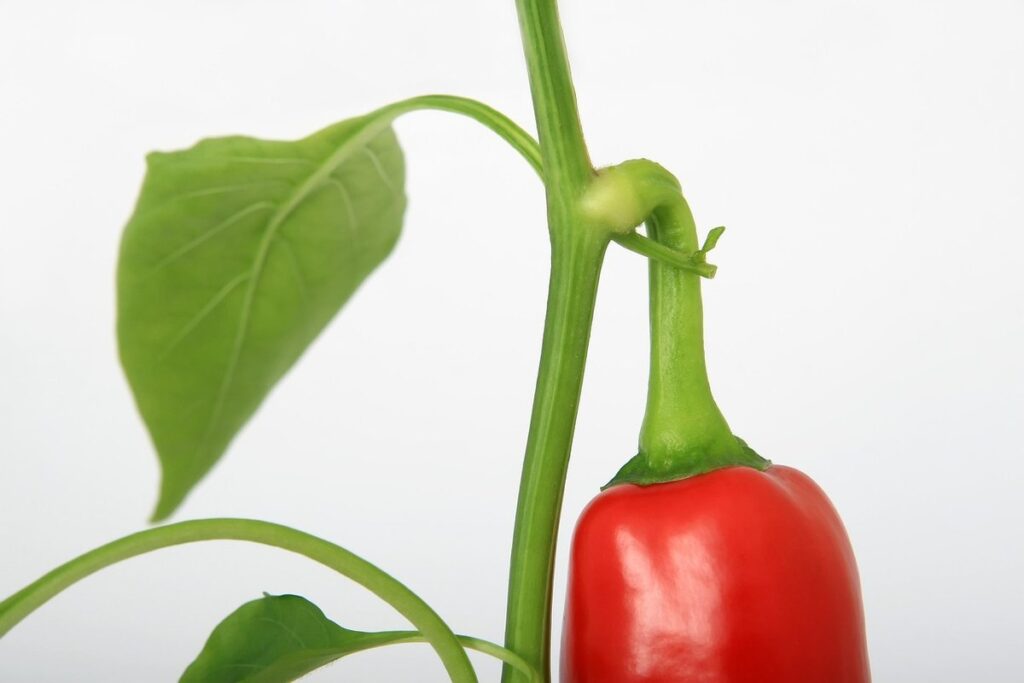
Introduction to Sweet Banana Peppers
You’re new to growing sweet banana peppers? Let’s start at the beginning and explore what makes these sweet treats so special.
What are Sweet Banana Peppers?
The sweet banana pepper plant is a popular variety of pepper that has gained widespread recognition for its unique characteristics and versatility. Native to the Americas, specifically in Central and South America, this plant belongs to the Capsicum annuum species family. It’s closely related to other well-known pepper varieties like bell peppers, jalapeños, and Anaheim peppers.
One of the defining features of sweet banana peppers is their elongated shape, typically growing between 6-8 inches long and 2-3 inches wide. They have a glossy exterior with a vibrant yellow color when ripe, gradually changing to a deep orange or red hue as they mature. Sweet banana peppers are characterized by their sweet flavor profile, mild heat level (usually ranging from 0-500 Scoville units), and crunchy texture.
In terms of growth habits, sweet banana pepper plants prefer well-drained soil and full sun exposure. They’re relatively easy to cultivate in a home garden or indoor containers, making them an excellent choice for both novice and experienced growers.
History of Growing Sweet Banana Peppers
Sweet banana peppers have been delighting gardeners and cooks for over a century. Their journey to becoming one of the most popular sweet pepper varieties began in the 19th century when they were first introduced to European gardens from Central America. At that time, they were known as “banana” peppers due to their curved, banana-like shape.
As gardeners began to cultivate and breed these peppers, various cultivars emerged with unique characteristics. Some notable examples include the ‘Sweet Banana’ variety, which is still widely grown today for its sweet flavor and crunchy texture. Another popular choice is the ‘Yellow Sweet Pepper’, known for its bright yellow color and sweetness level that’s slightly higher than its red counterpart.
The 20th century saw a surge in hybridization, resulting in more disease-resistant and high-yielding varieties. Modern growers can now choose from a range of sweet banana pepper types that suit their climate, soil conditions, and personal taste preferences. Whether you’re a seasoned gardener or just starting out, understanding the history of this beloved variety will help you better appreciate its rich flavor profile and versatility in cooking.
Growing Conditions for Sweet Banana Pepper Plants
To grow sweet banana pepper plants, you’ll want to focus on providing them with warm temperatures and adequate moisture, which is key to their optimal development.
Optimal Climate and Temperature
Sweet banana pepper plants thrive in warm and humid climates with moderate temperatures. They are sensitive to frost, so regions with chilly winters may need protection or indoor growing as a solution. In optimal conditions, the ideal temperature range is between 65°F (18°C) and 85°F (29°C).
When it comes to specific regions, sweet banana pepper plants perform exceptionally well in USDA Hardiness Zones 9-11. These zones offer the necessary warmth and humidity for the plants to grow abundantly. However, even within these zones, microclimates can greatly impact growth.
To maximize plant performance, growers should consider factors like sun exposure, soil temperature, and air circulation. For example, east-facing gardens with morning sunlight tend to be cooler than south-facing areas receiving direct afternoon sun. Planting in raised beds or containers can also help regulate soil temperature and improve drainage.
Keep in mind that these are general guidelines, and specific conditions may vary depending on your location and climate.
Soil Requirements and pH Levels
When it comes to growing sweet banana pepper plants, the soil requirements play a crucial role in ensuring healthy growth. The ideal pH level for sweet banana peppers is between 6.0 and 7.0, which falls within the slightly acidic to neutral range. If your soil is too alkaline or acidic, it can lead to nutrient deficiencies, reduced fruit production, and even plant death.
To prepare the soil before planting, start by testing its pH level using a soil testing kit. Based on the results, you may need to add lime to raise the pH or sulfur to lower it. Add a 2-inch layer of compost or well-rotted manure to improve soil fertility and drainage. Avoid using fresh manure as it can burn your plant’s roots.
When mixing the soil, incorporate organic matter like peat moss or coconut coir to maintain moisture and prevent waterlogging. For container gardens, use a high-quality potting mix that’s specifically designed for vegetables.
Planting and Caring for Sweet Banana Pepper Plants
To grow sweet banana pepper plants successfully, you’ll need to plant them at the right time, provide adequate sunlight and water, and maintain optimal growing conditions.
Preparing the Garden Bed
When preparing the garden bed for sweet banana pepper plants, it’s essential to consider their unique needs and requirements. Sweet banana peppers are warm-season crops that thrive in well-draining soil with a pH between 6.0 and 7.0. Before planting, loosen the soil to a depth of about 12 inches to ensure good root growth.
Space sweet banana pepper plants 18-24 inches apart, depending on their mature size. Planting them too close together can lead to reduced fruit production and increased competition for resources. Companion planting is also crucial in this context. Consider pairing sweet banana peppers with basil or oregano, which repel pests like aphids and whiteflies that can damage the plant.
Additionally, interplanting sweet banana peppers with marigold can help deter nematodes and improve soil health. These companion plants not only provide benefits to the pepper plants but also add visual appeal to the garden bed. By following these simple steps, you’ll be well on your way to creating an optimal environment for your sweet banana pepper plants to grow and thrive.
Watering and Fertilization Needs
To ensure optimal growth and productivity, sweet banana pepper plants require careful attention to their watering and fertilization needs. When it comes to watering, aim to provide about 1-2 inches of water per week, either from rainfall or irrigation. However, this can vary depending on the climate and soil type.
A general rule of thumb is to check the soil moisture by inserting your finger into the soil up to the knuckle. If the soil feels dry, it’s time to water. Be cautious not to overwater, as this can lead to root rot and other problems. During hot summer months or when plants are producing fruit, you may need to increase watering frequency.
As for fertilization, sweet banana pepper plants benefit from a balanced nutrient intake. Use a well-rounded fertilizer that contains nitrogen (N), phosphorus (P), and potassium (K) in the ratio of 10-10-10. You can apply fertilizer once a month, following the manufacturer’s instructions. Additionally, consider adding a calcium-based supplement to promote fruit set and prevent blossom-end rot. By providing your sweet banana pepper plants with adequate water and nutrients, you’ll be rewarded with a bountiful harvest of delicious peppers.
Common Issues and Solutions for Sweet Banana Pepper Plants
As a sweet banana pepper plant owner, you might encounter some problems that can be frustrating to deal with – but don’t worry, we’ve got solutions right here. Let’s tackle those common issues together.
Pests and Diseases Affecting Sweet Banana Peppers
Sweet banana pepper plants are susceptible to various pests and diseases that can cause significant damage if left unattended. Some common issues include aphids, whiteflies, and spider mites, which can be identified by the presence of sticky honeydew droplets on the leaves or fine webbing on the stems.
Fungal diseases such as powdery mildew and root rot often result from excessive moisture and poor air circulation. The symptoms may include yellowing leaves, blackened roots, or a white, powdery coating on the leaves. Bacterial spot and bacterial leaf spot can also infect sweet banana pepper plants, causing small, dark spots to appear on the leaves.
To manage these issues effectively, it’s essential to maintain good hygiene practices in the garden. Remove weeds that compete with the plant for water and nutrients, and ensure proper spacing between plants to promote air circulation. Regularly inspect your plants and take action promptly if you notice any signs of infestation or infection. This may involve using insecticidal soap or neem oil to control pests, or treating fungal diseases with fungicides specifically labeled for use on sweet banana peppers.
Troubleshooting Tips for Sweet Banana Pepper Growth Issues
If you’re encountering growth issues with your sweet banana pepper plant, don’t panic – we’ve got you covered. One common issue is yellow leaves, which can be caused by overwatering, underwatering, or nutrient deficiencies. To address this problem, ensure that your soil drains well and isn’t waterlogged. Check the pH level of your soil to guarantee it’s within the optimal range for sweet banana peppers (6.0-7.0). Consider repotting with a high-quality potting mix that contains balanced fertilizers.
Another issue you might face is poor fruit set, which can be due to insufficient pollination or inadequate nutrient supply. Make sure your plant receives sufficient sunlight and temperatures between 65°F to 75°F (18°C to 24°C) for optimal growth. Hand-pollinate the flowers using a small brush to increase the chances of successful pollination. Also, side-dress with a balanced fertilizer during fruiting stages to provide essential nutrients.
Be sure to monitor your plant’s moisture levels closely, as sweet banana peppers are sensitive to overwatering. If you catch the issue early on, most problems can be resolved quickly and easily.
Harvesting and Storing Sweet Banana Peppers
Now that you’ve enjoyed a bountiful harvest, it’s time to learn how to properly harvest and store your sweet banana peppers to enjoy them all year round. Proper care will keep them fresh for months to come.
Timing and Methods for Harvesting
When it comes to harvesting sweet banana peppers, timing is everything. Typically, sweet banana peppers are ready for harvest around 70-80 days after sowing the seeds. However, this can vary depending on factors such as weather conditions and soil quality. A general rule of thumb is to check the peppers regularly for ripeness.
To select ripe sweet banana peppers, look for a yellow or orange color, which indicates that they are fully matured. You can also gently tug on the pepper; if it comes off easily, it’s ready to be picked. Avoid pulling too hard, as this can damage the plant and reduce future yields.
It’s essential to harvest sweet banana peppers regularly to encourage the plant to produce more fruit. Leaving them on the plant for too long can lead to over-ripening, which can cause the peppers to become soft and develop off-flavors. By harvesting them at the optimal time, you’ll be able to enjoy their crunchy texture and sweet flavor all season long.
Storage and Preservation Techniques
To prolong the shelf life of harvested sweet banana peppers, it’s essential to employ proper storage and preservation techniques. Freezing is an excellent method for maintaining their flavor and texture. To freeze sweet banana peppers, simply chop them into desired sizes, blanch them in boiling water for 2-3 minutes, and then transfer them to airtight containers or freezer bags. This process will help preserve their color and prevent spoilage.
For longer-term storage, canning is another viable option. The acidity level of sweet banana peppers makes them an ideal candidate for canning using a pressure canner. It’s crucial to follow safe canning practices to avoid contamination and ensure the quality of the final product. A general rule of thumb is to pack the peppers in clean jars, leaving about 1 inch of headspace, before processing them according to the manufacturer’s guidelines.
Drying is another preservation method that works well for sweet banana peppers. Slice or chop the peppers and dry them using a food dehydrator or by spreading them out in a single layer on a baking sheet. Once dried, store the pepper pieces in airtight containers to maintain their flavor and texture.
Conclusion: Enjoying Your Sweet Banana Pepper Harvest
As you enjoy your sweet banana pepper harvest, remember that these peppers add a burst of flavor and color to any dish. They’re perfect for snacking fresh from the plant or adding to salads, sandwiches, and stir-fries. To get the most out of your harvest, be sure to pick the peppers regularly to encourage the plant to continue producing new fruit.
When harvesting, use scissors or pinch off the pepper stem to avoid damaging the plant. This will also help prevent over-ripening, which can lead to an abundance of ripe peppers at once. Consider freezing or roasting excess peppers for later use in soups, sauces, or as a topping for pizzas and pasta dishes.
To truly enjoy your sweet banana pepper harvest, experiment with different recipes and presentation styles. Try pairing them with cheese, meats, or crackers for a quick snack, or get creative and make a fresh salsa or relish.
Frequently Asked Questions
Can I grow sweet banana pepper plants indoors?
Yes, with the right conditions, you can successfully grow sweet banana peppers indoors. Make sure to provide a bright location with temperatures between 65-75°F (18-24°C) and maintain high humidity levels.
How often should I water my sweet banana pepper plants during hot summer months?
During hot summer months, it’s essential to provide your sweet banana pepper plants with consistent moisture. Water them deeply once or twice a week, depending on soil conditions and weather forecasts.
What are some common pests that can affect sweet banana pepper plants, and how do I prevent them?
Common pests like aphids, whiteflies, and spider mites can damage sweet banana pepper plants. To prevent infestations, use organic pest control methods like neem oil or insecticidal soap, and ensure good air circulation around your plants.
Can I grow sweet banana peppers in containers, and what size containers are recommended?
Yes, you can grow sweet banana peppers in containers, which is ideal for small spaces. Choose containers that are at least 12-14 inches deep to accommodate the plant’s taproot. Use a well-draining potting mix and maintain good drainage holes.
How long does it take for sweet banana pepper plants to mature after germination?
After sowing seeds, it takes approximately 70-80 days for sweet banana pepper plants to mature. However, this timeframe may vary depending on factors like climate, soil quality, and growing conditions.