
Growing succulents in Minnesota can be a bit tricky, but with the right tips and tricks, you’ll be on your way to having a thriving collection. If you’re new to succulent care or just starting out in our state’s unique climate, don’t worry – we’ve got you covered. Succulents have become increasingly popular in recent years, and for good reason: they’re low-maintenance, stylish, and can add a touch of desert charm to even the chilliest of Minnesota winters.
In this article, we’ll dive into the specifics of growing succulents in our state’s climate, including choosing the right location, soil, and watering schedule. We’ll also cover common pests and diseases, propagation techniques, and repotting tips to keep your succulents happy and healthy all year round. By the end of this article, you’ll be equipped with everything you need to succeed with succulents in Minnesota’s climate.
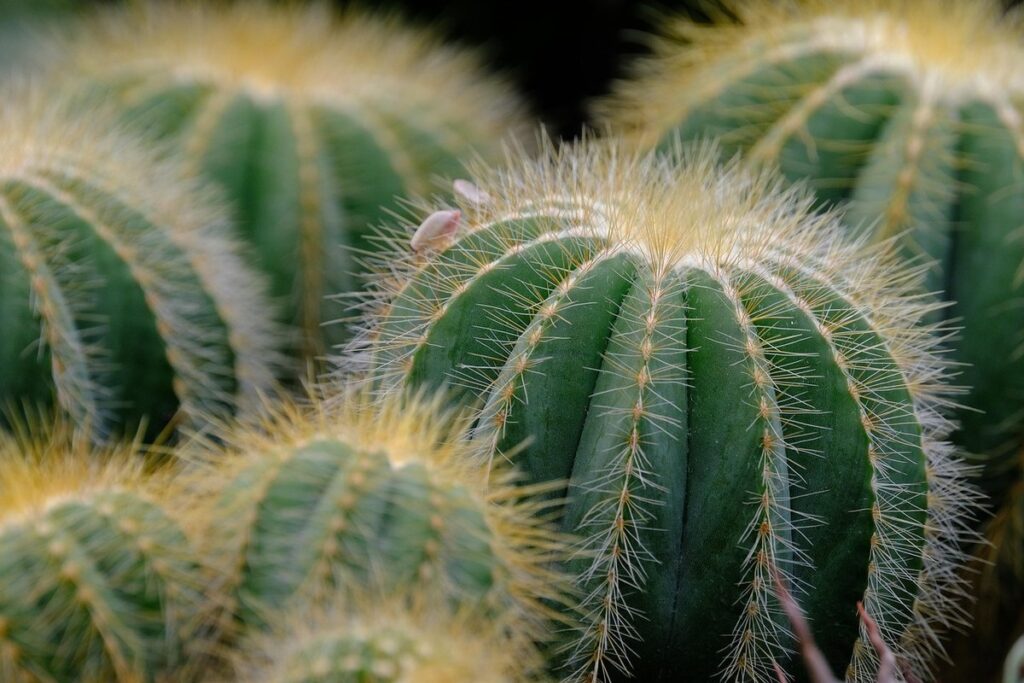
Understanding Succulents and Their Adaptability
To truly thrive in Minnesota’s climate, it’s essential to understand what makes succulents so adaptable, allowing them to survive in a variety of conditions. Let’s dive into their unique characteristics and how they can benefit from your care.
What are Succulents?
Succulents are a type of plant that has gained immense popularity among gardeners due to their unique characteristics and low-maintenance requirements. To start with the basics, succulents are plants that have adapted to survive in dry environments by storing water in their leaves, stems, or roots. This adaptation allows them to thrive in conditions where other plants would struggle to survive.
One of the most distinctive features of succulents is their ability to store water, which enables them to withstand prolonged periods of drought. Their thick, fleshy leaves and stems can hold significant amounts of water, making them self-sufficient in dry climates. This trait also makes them incredibly resilient, capable of surviving with minimal watering.
As a result, succulents have become a favorite among gardeners in Minnesota, where the climate is known for its cold winters and hot summers. With their ability to withstand drought and extreme temperatures, succulents are an ideal choice for gardeners who want to add some color and life to their gardens without sacrificing too much time or effort.
In Minnesota’s temperate climate, succulents come in a wide variety of shapes, sizes, and colors, from the compact echeveria to the towering yucca. Whether you’re a seasoned gardener or just starting out, there’s a succulent species that’s sure to catch your eye and thrive in your garden.
Types of Succulents Suitable for Minnesota’s Climate
When it comes to growing succulents in Minnesota’s climate, you’ll want to focus on species that can thrive in the state’s cold winters and hot summers. Aloe is an excellent choice for Minnesota gardeners, as it’s incredibly hardy and can tolerate temperatures as low as -20°F (-29°C). In fact, some aloe varieties, like Aloe aristata, are even known to survive with minimal protection during the winter months.
Echeveria and Crassula are also great options for Minnesota succulent enthusiasts. These plants come in a range of shapes, sizes, and colors, making them perfect for adding visual interest to your garden or indoor space. Echeveria species like Echeveria elegans and Echeveria secunda are particularly well-suited to Minnesota’s climate, as they can tolerate temperatures between -10°F (-23°C) and 90°F (32°C). Crassula, also known as jade plants, are easy to care for and can survive with minimal watering – perfect for busy gardeners.
When selecting succulents for your Minnesota garden or indoor space, be sure to choose species that are resistant to frost and can tolerate the state’s extreme temperature fluctuations. With proper care and attention, these low-maintenance plants will thrive in even the harshest of conditions.
Choosing the Right Location for Your Succulent Garden
When it comes to growing succulents, choosing a location that gets the right amount of sunlight is crucial. Selecting a spot with suitable light conditions can make all the difference in your plants’ health and success.
Understanding Minnesota’s Hardiness Zones
When it comes to growing succulents in Minnesota, understanding the state’s hardiness zones is crucial for their survival. The USDA Plant Hardiness Zone Map divides the country into 11 zones based on average annual extreme minimum temperatures. Minnesota falls within zones 3 and 4, depending on the region.
Zone 3 spans across northern parts of the state, with average winter lows ranging from -40°F to -30°F (-40°C to -34°C). Zone 4 covers central and southern regions, with temperatures dipping between -30°F and -20°F (-34°C to -28°C) during winter. These temperature fluctuations significantly impact succulent growth.
To determine which zone you’re in, consult the USDA Plant Hardiness Zone Map or check with local nurseries for guidance. When selecting succulents, opt for varieties that are tolerant of cold temperatures and suitable for your specific zone. Some popular species like Aloe, Echeveria, and Sedum can thrive in Minnesota’s climate, but be sure to research their hardiness levels before planting. By choosing the right succulent for your region, you’ll set yourself up for a thriving and low-maintenance garden.
Selecting the Perfect Spot for Your Succulents
When selecting a spot for your succulents in Minnesota, it’s essential to consider their specific needs. As we discussed earlier, most succulent species require bright sunlight to photosynthesize and thrive. Look for a location that receives direct sunlight for at least 4-6 hours a day, preferably south-facing. However, be mindful of extreme temperatures; if your spot is exposed to intense summer sun, provide some afternoon shade to prevent scorching.
Next, ensure good soil drainage by choosing a location with well-draining soil or consider installing a raised bed. Minnesota’s heavy clay soils can retain water, leading to root rot and other issues. Test the soil moisture regularly, and if it feels too wet, consider repotting your succulents in a better-draining potting mix.
Temperature is another critical factor; most succulent species prefer daytime temperatures between 65-75°F (18-24°C) and cooler nighttime temperatures around 55-60°F (13-15°C). Avoid placing them near drafty windows, radiators, or air conditioning vents to prevent temperature fluctuations. With these considerations in mind, you’ll be able to create a perfect environment for your succulents to flourish in Minnesota’s climate.
Soil and Watering Considerations for Succulents in Minnesota
When growing succulents in Minnesota’s climate, it’s essential to consider the unique soil and watering needs of these low-maintenance plants. In this section, we’ll explore what works best for your succulents’ root systems.
The Importance of Well-Draining Soil
When it comes to growing succulents in Minnesota’s climate, one crucial aspect to consider is the type of soil you’re using. Well-draining soil is essential for these plants, as they thrive in conditions where excess water can easily escape. This is particularly important in Minnesota, where heavy rainfall and rapid snowmelt can lead to soggy soil.
To achieve well-draining soil, mix in a generous amount of perlite or sand into your potting mix. These materials help break up clay particles and allow water to pass through more efficiently. You can also use cactus-specific potting mixes that are designed with drainage in mind. Another trick is to repot your succulents every spring, replacing old soil with fresh, well-draining material.
In Minnesota’s humid climate, it’s common for roots to rot if the soil doesn’t breathe properly. By ensuring good drainage, you’ll prevent this issue and give your succulents a healthy chance at thriving.
Watering Tips for Succulents in Minnesota’s Humid Summers
Watering succulents during Minnesota’s humid summers can be a delicate balance. Succulents are adapted to dry conditions and excess moisture can lead to root rot and other problems. To prevent overwatering, check the soil moisture by sticking your finger into the soil up to the first knuckle. If the soil feels wet, wait another day or two before watering.
In Minnesota’s humid summers, succulents may need less frequent watering due to the high humidity. However, they still require some water to prevent shriveling and stress. A good rule of thumb is to water your succulents every 7-10 days during the summer months. You can also check for signs of underwatering such as puckered or wrinkled leaves.
To ensure you’re not overwatering, make sure to use a well-draining potting mix and repot your succulents in the spring when they become root-bound. This will prevent water from accumulating in the soil and reduce the risk of root rot. By following these tips, you can keep your succulents healthy and thriving even during Minnesota’s humid summers.
Common Pests and Diseases Affecting Succulents in Minnesota
As you tend to your succulent garden, it’s essential to know what pests and diseases are lurking in Minnesota’s climate, from spider mites to root rot. Let’s explore the common issues to watch out for.
Identifying Common Pests in Minnesota
When it comes to succulent care in Minnesota, one of the biggest challenges gardeners face is dealing with pests. These tiny critters can quickly multiply and cause serious damage to your plants if left unchecked. So, what are some of the most common pests you should look out for?
Mealybugs, spider mites, and scale are three of the most prevalent pests affecting succulents in Minnesota. Mealybugs are small, white insects that feed on plant sap, leaving behind a sticky residue that can attract even more pests. Spider mites, on the other hand, are tiny, spider-like creatures that spin webs on your plants’ leaves and suck out their nutrients. Scale is a bit harder to spot, but it’s equally damaging – these armored insects attach themselves to your plant’s stems or leaves and feed on sap.
To avoid infestations, inspect your succulents regularly for signs of pests. Check the undersides of leaves, where mealybugs and spider mites tend to hide. Look for tiny eggs, white cottony patches, or actual insects crawling around. If you do spot a pest problem, act quickly – use insecticidal soap or neem oil to control the infestation before it spreads.
Managing Diseases in Your Succulent Collection
When it comes to succulent care, one of the most common issues Minnesota gardeners face is fungal diseases. These can be devastating if left unchecked, but there are ways to prevent and treat them.
Fungal diseases thrive in warm, humid environments with poor air circulation – conditions that can easily be replicated indoors, particularly during the winter months when you’re more likely to keep your succulents in a pot on a sunny windowsill. Root rot is one of the most common fungal diseases affecting succulents, often caused by overwatering or waterlogged soil.
Signs of root rot include yellowing leaves and soft, mushy stems that feel like they’re squishing between your fingers. If you catch it early, you can try to save your plant by repotting it in fresh, well-draining soil and reducing watering for a while. Leaf spot is another fungal disease that’s similar to root rot but affects the leaves rather than the roots.
Preventing these diseases is easier than treating them: make sure to water your succulents sparingly and avoid getting water on their leaves or crown (where the stem meets the roots). If you do need to repot, use a high-quality potting mix that’s specifically designed for cacti and succulents.
By being vigilant about watering and providing good air circulation, you can keep your succulent collection healthy and thriving.
Propagation and Repotting Tips for Minnesota Gardeners
Now that you have your succulent babies thriving, it’s time to share them with friends and refresh their pots – let’s dive into propagation and repotting tips specifically tailored for Minnesota gardeners.
Methods of Succulent Propagation
Propagating succulents is an exciting process that allows you to share your favorite plants with friends and family or expand your collection. There are several methods of propagating succulents, each with its own unique approach.
Leaf cuttings are one of the most common methods of propagation. To do this, simply remove a healthy leaf from the mother plant, allow it to dry for 24-48 hours to form a callus over the wound, and then plant it in well-draining soil. Keep the soil moist but not waterlogged, and roots should develop within 1-2 weeks.
Stem cuttings can also be used to propagate succulents. Cut a section of stem from the mother plant, make sure each cutting has at least two nodes (the small joints on the stem), and allow it to dry for 24 hours before planting in soil. Keep the soil moist but not waterlogged, and roots should develop within 2-4 weeks.
Division is another method of propagation that involves separating the roots of a mature succulent plant. This method works best for plants like agave and echeveria that produce offsets around the base of the mother plant. To divide your succulents, carefully separate the offsets from the mother plant using a gentle sawing motion, making sure each section has some roots attached. Plant the separated sections in well-draining soil, keeping the soil moist but not waterlogged until roots develop.
These methods are relatively low-maintenance and can be effective for propagating a wide range of succulent species. By following these steps, you should be able to successfully propagate your favorite succulents and enjoy even more of these beautiful plants in your Minnesota garden.
When to Repot Your Succulents in Minnesota’s Climate
When you’re growing succulents in Minnesota’s climate, it’s essential to repot them at the right time to ensure they continue to thrive. Since Minnesota’s seasons are quite distinct, with cold winters and warm summers, the growth rate of succulents can vary significantly.
In general, succulents grow faster during the warmer months (May to September), producing new roots and stems quickly. If you repot them too early in the season, they may become pot-bound again before the cooler weather sets in. It’s best to wait until late spring or early summer when the soil has warmed up and the plants are actively growing.
A good rule of thumb is to repot succulents every 1-2 years, depending on their growth rate. You can check if they need to be repotted by gently removing them from their pot. If the roots have filled the container or you notice water pooling around the base, it’s time for a bigger pot.
By timing your repotting according to the seasons and your succulents’ growth rates, you’ll give them the best chance to flourish in Minnesota’s climate.
Conclusion: Enjoying Your Succulent Garden Year-Round
Now that you’ve mastered the art of growing and caring for succulents in Minnesota, it’s time to enjoy the fruits of your labor year-round. To ensure your succulent garden remains vibrant and thriving throughout the seasons, make sure to provide protection from harsh winter conditions. Bring potted succulents indoors or cover them with a layer of mulch to insulate the soil and prevent frost damage. For outdoor gardens, consider using cold frames or unheated greenhouses to extend the growing season. With proper care and maintenance, your succulent garden will continue to flourish even in Minnesota’s unpredictable climate.
Frequently Asked Questions
What’s the best time to start my succulent garden in Minnesota?
Start your succulent garden in Minnesota when the weather is warm, typically around late spring to early summer (May-June). This allows the plants to establish themselves before winter sets in.
Can I grow succulents indoors in Minnesota during the harsh winters?
Yes. Many types of succulents can thrive indoors year-round, provided they receive sufficient light and are protected from extreme temperatures. Consider using a south-facing window or growing lights to supplement natural light.
How do I protect my succulents from pests during the humid Minnesota summers?
To combat pests in your succulent collection, inspect your plants regularly for signs of infestation (e.g., white powdery coating on leaves). Use neem oil or insecticidal soap to treat affected areas and prevent re-infestation.
Can I propagate succulents through division in Minnesota’s climate?
Yes. Succulents can be propagated by dividing established rosettes, which is a simple and cost-effective method. Water the plant thoroughly before dividing, and repot the separated sections immediately to minimize transplant shock.
What’s the ideal temperature range for most succulent species in Minnesota?
Most succulents prefer temperatures between 65°F (18°C) and 75°F (24°C). Avoid exposing them to extreme temperatures below 55°F (13°C) or above 85°F (29°C), as this can cause stress, leading to root rot or other issues.