
Strawberry hanging baskets are a great way to grow your favorite fruit without sacrificing valuable garden space. Not only do they add a pop of color and vibrancy to any outdoor area, but they also require minimal maintenance, making them perfect for busy gardeners. However, growing strawberries in a hanging basket can be a bit more challenging than other varieties. To ensure you get the most out of your strawberry hanging basket, it’s essential to choose the right variety, provide adequate care, and troubleshoot any issues that may arise.
In this article, we’ll delve into the world of strawberry hanging baskets, exploring how to create a thriving garden with minimal maintenance. We’ll discuss the best varieties to select for optimal fruit production, provide tips on caring for your strawberries, and offer troubleshooting advice for common problems. By following our expert guide, you’ll be well on your way to enjoying a bountiful harvest of fresh, juicy strawberries from your very own hanging basket garden.
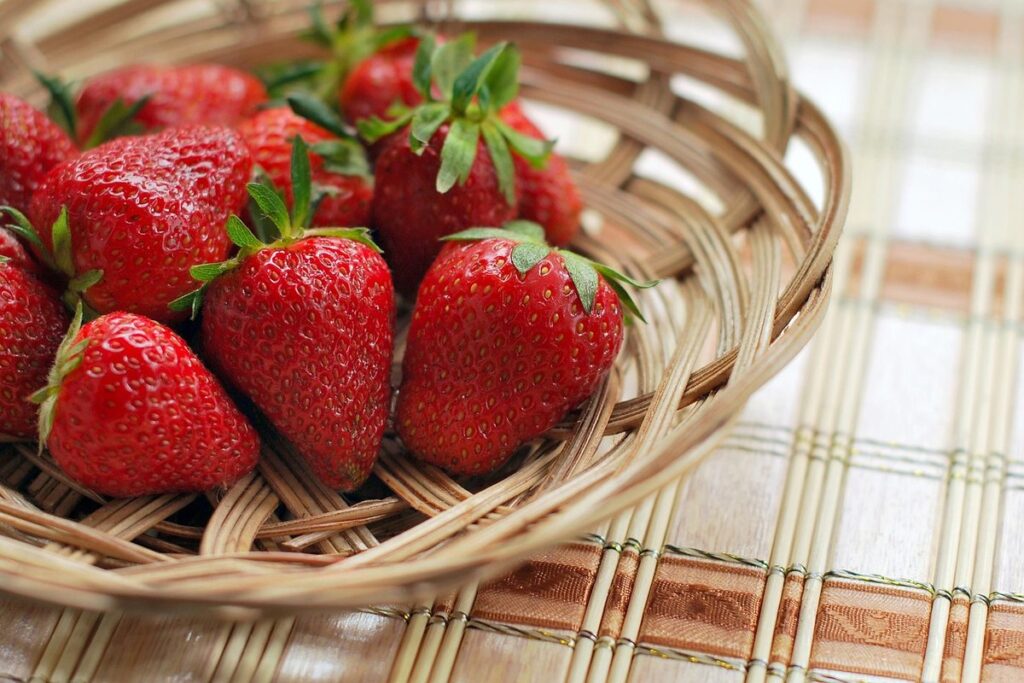
Benefits and Uses of Strawberry Hanging Baskets
Now that you’ve got your strawberry hanging baskets up and running, let’s talk about what makes them so great – their numerous benefits and uses.
Easy-to-Maintain Container Gardens
Growing strawberries in hanging baskets is an excellent option for those who want to enjoy the benefits of gardening without the hassle. One of the main advantages of strawberry hanging baskets is that they require minimal space and care, making them perfect for small gardens or indoor spaces.
To maintain a healthy and thriving strawberry plant in a hanging basket, start by choosing a variety that’s compact and well-suited for container growing. Look for varieties like ‘Albion’ or ‘Fern’, which are specifically bred for their compact growth habit and high yields. Next, select a good quality potting mix and a sturdy hanging basket with adequate drainage.
In terms of maintenance, strawberry hanging baskets require regular watering, but not overwatering, as this can lead to root rot. Also, fertilize your plants regularly during the growing season, using a balanced fertilizer. With proper care and attention, your strawberry hanging basket will provide you with a bountiful harvest of delicious and nutritious fruit all summer long.
Versatility in Outdoor Spaces
Strawberry hanging baskets are incredibly versatile and can be used to add a pop of color and freshness to various outdoor spaces. Whether you’re a homeowner with a spacious patio or a city dweller with a small balcony, these hanging baskets can thrive in almost any environment.
One of the most common places to hang strawberry baskets is on patios, where they can provide a stunning display of fruit and foliage throughout the growing season. You can choose from a variety of designs and styles to match your patio decor, from rustic wooden planters to modern metal ones.
If you live in an apartment or have limited outdoor space, don’t worry – strawberry hanging baskets are just as happy on balconies and front porches! These areas often receive plenty of sunlight and fresh air, making them perfect for growing strawberries. To get the most out of your balcony space, make sure to choose a sturdy planter that won’t topple over in the wind.
When selecting a spot for your strawberry hanging basket, remember to consider factors like sunlight, temperature, and moisture levels. Most strawberry varieties require at least 4-6 hours of direct sunlight per day, so choose a spot that receives plenty of sun.
Choosing the Right Variety of Strawberries
When selecting the perfect strawberries for your hanging basket, you’ll want to consider factors like climate, growth habits, and flavor profile. This will help ensure a bountiful harvest all season long.
Factors to Consider When Selecting Strawberry Varieties
When selecting strawberry varieties for your hanging baskets, there are several key factors to consider. First and foremost, disease resistance is crucial. Strawberries are prone to diseases like powdery mildew, botrytis, and leaf spot, which can quickly spread through a crowded basket. Look for varieties that have built-in resistance to these common problems.
Another important consideration is growth habits. Some strawberry varieties produce runners, which can help fill out your hanging basket with multiple fruiting plants. Others are more compact and suited for smaller spaces. Consider how much space you have available in your basket and choose a variety that will thrive in those conditions.
Some popular disease-resistant varieties include ‘Albion’, ‘Camarosa’, and ‘Ventana’. These varieties not only produce delicious fruit but also have the added bonus of being more resistant to common strawberry diseases. By choosing the right variety, you can create a thriving and productive hanging basket that will provide you with fresh strawberries all season long.
Popular Strawberry Varieties for Hanging Baskets
When it comes to choosing the right strawberry variety for your hanging basket, you’ll want to consider options that are compact, produce multiple harvests, and thrive in containers. Here are some popular strawberry varieties that fit the bill:
Albion is a popular choice for hanging baskets due to its compact growth habit and high yields of sweet strawberries. It’s also a reliable variety, producing fruit throughout the growing season. Another compact option is Camarosa, which produces large, flavorful berries in as little as 60 days.
For those who want to try something new, Earliglow is an excellent choice. This heirloom variety produces bright red berries with a sweet-tart flavor and grows well in containers. It’s also relatively low maintenance, making it perfect for beginners or seasoned gardeners alike. When selecting strawberry varieties for your hanging basket, be sure to choose options that are specifically bred for container gardening. This will ensure you get the best results possible from your plants.
Planting and Caring for Strawberry Hanging Baskets
Now that you’ve got your strawberry hanging basket set up, it’s time to focus on planting and caring for these beautiful containers. This is where the real magic happens!
Preparing the Basket for Planting
Preparing a hanging basket for planting strawberries requires some careful planning and preparation to ensure optimal growth and yields. Start by selecting a high-quality potting mix specifically designed for container gardens. Look for mixes that contain ingredients like perlite or vermiculite, which help retain moisture while preventing waterlogged soil.
Next, choose a hanging basket with good drainage holes to prevent water from accumulating in the soil. Remove any existing plants or debris from the basket and give it a good clean with soap and water. This will help prevent any diseases or pests that may have been lurking from affecting your new strawberry plants.
Fill the basket about 1/3 full of potting mix, then gently remove the strawberry plant from its container and place it in the center of the basket. Fill in the sides of the basket with more potting mix, making sure to leave enough space for proper root growth. Water thoroughly after planting and keep the soil consistently moist during the first few weeks after planting.
Watering and Fertilization Requirements
When it comes to watering and fertilizing strawberry plants in hanging baskets, it’s essential to get it right. Strawberry plants prefer moist but well-draining soil, which can be a challenge in hanging baskets where water tends to collect. To avoid overwatering, check the soil daily by sticking your finger into the soil up to the first knuckle. If the soil feels dry, it’s time to water.
Water your strawberry plants when the top 1-2 inches of soil feel dry to the touch. Aim for about 1-2 gallons of water per week, either from rain or irrigation. Be cautious not to overwater, as this can lead to root rot and other issues.
Fertilization is also crucial for healthy strawberry growth in hanging baskets. Use a balanced, water-soluble fertilizer (20-20-20) during the growing season (spring-fall). Feed your plants every 1-2 weeks, following the manufacturer’s instructions. During the winter months when strawberries are dormant, you can reduce fertilization to once a month.
Keep in mind that strawberry plants have different nutrient requirements at different stages of growth. Young plants need more nitrogen for healthy leaf growth, while fruiting plants require more potassium for optimal fruit production.
Tips for Maximizing Fruit Production
To get the most out of your strawberry hanging baskets, here are some expert tips to help you maximize fruit production and enjoy a bountiful harvest. You’ll learn how to encourage healthy growth and optimize yields.
Providing Support for Plants
As you start growing strawberry hanging baskets, it’s essential to provide support for your plants to maximize fruit production and prevent damage to the basket. Strawberry plants are perennials, which means they produce new growth every year, but this can also lead to weak and brittle stems that may break under their own weight.
To combat this issue, you’ll want to install a trellis or a stake specifically designed for strawberry hanging baskets. This will provide a structure for the plant to grow up, keeping it upright and encouraging vertical growth. By doing so, you’ll not only ensure the basket’s integrity but also promote healthy stem development and fruiting.
When installing support, make sure to place the trellis or stake near the base of the plant, so it can easily wrap its stems around it. This will keep the plants upright and prevent them from toppling over, which can lead to damaged roots and reduced yields. By providing this essential support, you’ll be able to enjoy a bountiful harvest of delicious strawberries all season long.
Controlling Pests and Diseases
Controlling pests and diseases is crucial when growing strawberries in hanging baskets. These delicate plants are susceptible to common issues like aphids and powdery mildew that can quickly spread through the entire basket.
To prevent infestations, inspect your strawberry plants regularly for signs of pests or diseases. Check the undersides of leaves and stems for tiny eggs or actual insects. For aphid control, use neem oil or insecticidal soap according to package instructions. Sprays containing pyrethrin can also be effective but may harm beneficial insects.
Regarding powdery mildew, remove any infected leaves to prevent its spread. Improve air circulation around the plants by adjusting their placement or adding more baskets nearby. To boost resistance, maintain a healthy soil pH between 5.5 and 6.5 and ensure your strawberries receive sufficient water but not too much. Be cautious of overwatering, which can exacerbate mildew issues.
Maintain cleanliness throughout the growing season to prevent fungal diseases from taking hold. Remove any debris or dead flowers to promote good air circulation around the strawberry plants in your hanging baskets.
Troubleshooting Common Issues
Even the most seasoned gardeners can encounter problems when growing strawberry hanging baskets. Let’s tackle some common issues you may be facing and find a solution to get your plants back on track.
Identifying and Addressing Problems Early
Regular monitoring of your strawberry hanging baskets is crucial for early detection and prevention of problems that can impact fruiting and overall plant health. Start by checking the plants daily, looking out for signs such as yellowing leaves, reduced growth, or a decrease in fruit production.
If you notice any of these issues, take action promptly to address the problem. Yellowing leaves may be a sign of overwatering, underwatering, or nutrient deficiency. Reduce watering immediately and consider repotting with fresh potting mix to replenish nutrients. Inspect your plants’ roots for signs of rot, which can indicate overwatering.
Another crucial aspect is keeping an eye out for pests like aphids, whiteflies, and spider mites that can infest strawberry hanging baskets. Regularly inspect the underside of leaves, stems, and flowers for any unwanted critters. If you spot any, treat your plants with neem oil or insecticidal soap to prevent damage.
Early detection is key in preventing problems from escalating into full-blown crises. By regularly monitoring your strawberry hanging baskets and addressing issues promptly, you can ensure healthy growth, robust fruiting, and a bountiful harvest.
Solutions to Common Issues
One of the most common issues faced by strawberry growers is poor growth and low yields. This can be attributed to a variety of factors such as inadequate sunlight, insufficient watering, or using the wrong type of soil. To overcome these challenges, ensure that your hanging basket receives at least 4-6 hours of direct sunlight per day. Water your strawberries regularly but make sure not to overwater, which can lead to root rot and other problems.
Another common issue is the use of heavy potting mixes that can cause roots to become waterlogged. Consider using a well-draining mix specifically designed for hanging baskets. If you’re experiencing low yields, it may be due to the variety of strawberry plant you’re growing or the lack of support from stakes or trellises.
To improve yields, try thinning out the plants to about 6-8 inches apart to promote air circulation and prevent fungal diseases. By addressing these common issues, you’ll be able to provide your strawberries with the optimal conditions needed for healthy growth and maximum production.
Maintenance and Seasonal Care
To keep your strawberry hanging baskets thriving all year round, it’s essential to perform regular maintenance tasks during different seasons. This includes pruning, watering, and fertilizing adjustments.
Spring and Summer Maintenance
As spring and summer arrive, your strawberry hanging baskets will enter their most active growth phases. To keep them thriving, regular maintenance is crucial. Start by pruning your strawberries to encourage new growth and promote fruiting. Remove any weak or spindly stems, and cut back overgrown plants to about half their height. This will help redirect the plant’s energy towards producing more flowers and berries.
Next, fertilize your strawberry hanging baskets with a balanced fertilizer (10-10-10 NPK) once a month. You can also side-dress with a high-phosphorus fertilizer (10-20-10 NPK) to promote fruiting. Water your baskets regularly, but avoid overwatering, which can lead to root rot and other problems.
To ensure optimal growth, also keep an eye out for pests like aphids, whiteflies, and spider mites. Use neem oil or insecticidal soap to control infestations. Regularly inspect your baskets for signs of disease like yellowing leaves, black spots, or powdery mildew, and treat promptly if you notice any issues. By following these simple maintenance tasks, you’ll be rewarded with a bountiful harvest of delicious strawberries from your hanging baskets.
Autumn and Winter Preparation
As autumn arrives and the days get shorter, it’s essential to prepare your strawberry hanging baskets for the changing seasons. The first step is to mulch around the base of the plants, using a thick layer of organic material like straw or bark chips. This will help retain moisture in the soil and suppress weeds that can compete with your strawberries for nutrients.
In addition to mulching, it’s crucial to protect your strawberry hanging baskets from frost damage. If you live in an area where temperatures drop below 32°F (0°C), consider bringing your hanging baskets indoors or moving them to a sheltered location. If this isn’t possible, cover the plants with a breathable cloth or row covers to keep them warm and protected.
By taking these simple steps, you’ll be able to enjoy your strawberry harvest well into winter and give your plants a head start for the next growing season.
Frequently Asked Questions
Can I use any type of strawberry variety for a hanging basket, or are there specific ones that thrive better?
Yes, not all strawberry varieties are suitable for hanging baskets. Opt for compact or dwarf varieties like ‘Albion’, ‘Fern’, or ‘Everbearing’ that are bred specifically for container growing and have a more upright growth habit.
How often should I water my strawberry plants in a hanging basket during hot summer months?
Strawberries need consistent moisture, especially when fruiting. Water your hanging baskets every 2-3 days during hot weather (above 80°F/27°C) to prevent wilting and ensure optimal fruit production. Be cautious not to overwater, as this can lead to root rot.
Can I grow strawberries in a hanging basket indoors year-round, or do they require outdoor conditions?
Strawberries typically thrive outdoors where they receive full sun (6-8 hours of direct sunlight) and temperatures between 60°F-70°F (15°C-21°C). While you can attempt to grow them indoors, they may not produce fruit as abundantly due to limited light and potentially cooler temperatures.
How do I provide support for my strawberry plants in a hanging basket as they grow?
Use twine or stakes to gently tie the stems of your strawberry plants to the basket’s framework. This will help maintain an upright growth habit, promote healthy air circulation, and prevent the plants from toppling over due to wind or excessive fruit weight.
What are some common pests that can affect strawberries in hanging baskets, and how do I control them?
Common pests like aphids, whiteflies, and spider mites can infest strawberry plants. Regularly inspect your plants for signs of these pests. If you spot any, use neem oil or insecticidal soap to control the infestation, following the product’s instructions carefully to avoid harming your plants.