
Growing your own strawberries can be a fun and rewarding experience, but it doesn’t have to mean taking up space in your garden. By learning how to grow delicious strawberries in containers, you’ll not only enjoy fresh flavors all season long, but also add some color and vibrancy to your outdoor or indoor spaces.
In this comprehensive guide, we’ll walk you through the essential steps of growing strawberries in containers, from selecting the right pot and soil preparation to fertilization and harvesting tips. You’ll learn how to choose the perfect variety for container growing, what kind of care they require, and how to maximize their flavor and productivity. Whether you’re a seasoned gardener or just starting out, our guide will help you unlock the secrets of successful strawberry cultivation in containers.
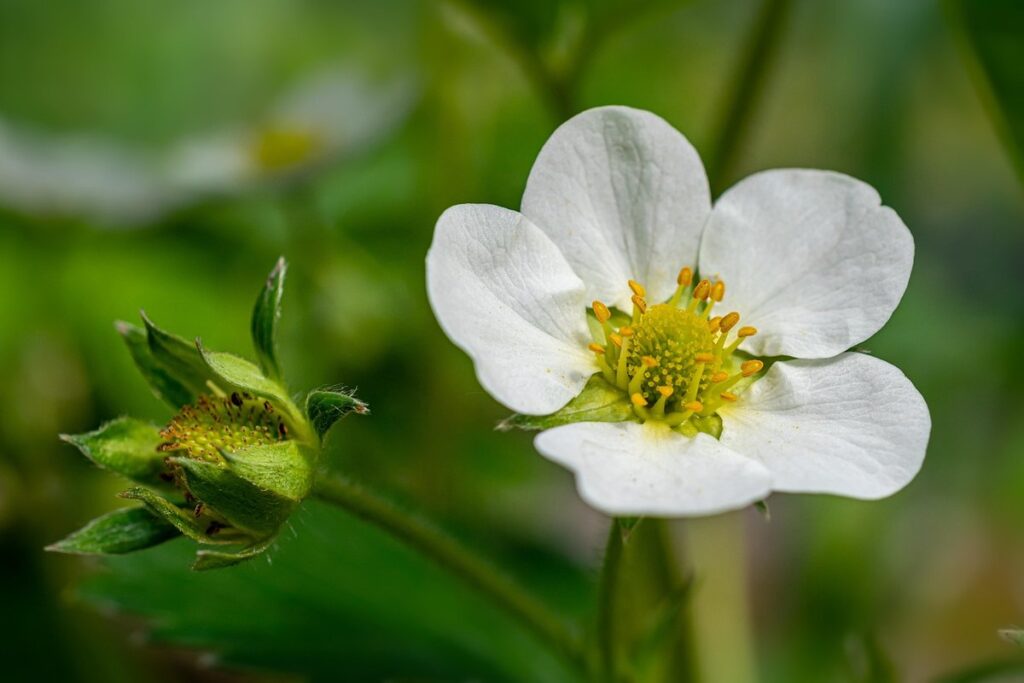
Choosing the Right Container and Location
When growing strawberries in containers, selecting the right container and location is crucial for their health and productivity. Consider factors such as size, drainage, and sunlight to create an ideal environment.
Selecting the Perfect Container Size
When it comes to growing strawberries in containers, selecting the perfect size container is crucial for their optimal growth and productivity. To choose the right container size, consider the mature size of your strawberry plant variety. Most strawberry varieties grow between 6-12 inches wide and deep, so a minimum depth of 8-10 inches is recommended.
The width of the container should also be taken into account to accommodate the spreading nature of strawberries. A wider container will allow for better air circulation and reduce the risk of fungal diseases. For smaller spaces or patio gardens, consider using vertical containers that can hold multiple strawberry plants.
When selecting a material, keep in mind that strawberries prefer well-draining soil. Avoid using clay pots, as they can cause water to pool at the surface, leading to root rot. Instead, opt for containers made from materials like plastic, wood, or composite materials with good drainage holes. This will ensure your strawberry plants receive the right balance of moisture and air circulation.
Remember to also consider the support system you’ll need for the container, as strawberries can be quite top-heavy when in fruit.
Considering Light and Temperature Requirements
When growing strawberries in containers, light and temperature play crucial roles in determining their success. Strawberries require at least six hours of direct sunlight per day to produce a bountiful harvest. If you’re planning to place your container on a balcony or patio with limited natural light, consider using grow lights to supplement the existing light.
Ideally, strawberries thrive in temperatures between 60°F (15°C) and 70°F (21°C). However, they can tolerate a range of temperatures from 40°F (4°C) to 80°F (27°C). Be cautious not to expose your strawberry plants to extreme temperature fluctuations, as this can cause stress and impact production.
When selecting a location for your container-grown strawberries, consider the microclimate. Choose a spot that receives morning sunlight, which is generally gentler than afternoon sun. Also, be mindful of any nearby structures or obstacles that might block sunlight or create cold pockets.
In areas with cooler temperatures, you can use row covers or bring your containers indoors during extreme weather conditions to protect your plants. By understanding and meeting the light and temperature requirements of your strawberry plants, you’ll be well on your way to a successful harvest.
Preparing the Soil and Container
Before we dive into planting our strawberry seeds, let’s get started on preparing the soil and container to give our plants a healthy foundation. This is where good planning comes in!
Mixing a Fruit-Friendly Potting Mix
When it comes to growing strawberries in containers, using a fruit-friendly potting mix is essential for optimal growth and flavor. Regular potting mixes can be too dense and may not provide the right balance of nutrients for strawberry plants. Fruit-friendly potting mixes, on the other hand, are specifically designed to meet the unique needs of fruits like strawberries.
To create your own fruit-friendly potting mix, you’ll want to combine a blend of ingredients such as peat moss or coconut coir, perlite or vermiculite, and compost. A general ratio is 2/3 peat moss or coconut coir and 1/3 perlite or vermiculite. Add 10% to 20% of compost to the mix for added nutrients.
You can also purchase a fruit-friendly potting mix from your local nursery or online supplier. Some popular brands include Miracle-Gro Organic Choice and Espoma Organic Potting Mix. Whichever option you choose, make sure it’s free of synthetic fertilizers and pesticides that can harm your strawberry plants.
Adding Fertilizers and pH Adjusters
When it comes to growing strawberries in containers, providing them with the right nutrients is crucial for their health and productivity. Essential fertilizers for strawberry plants include a balanced fertilizer (10-10-10 N-P-K), a high-phosphorus fertilizer (10-20-10 N-P-K) for fruiting, and an organic fertilizer like fish emulsion or bone meal.
pH adjusters are also necessary to ensure the soil pH is between 5.5 and 6.5, which is ideal for strawberry growth. If your container’s pH level is too high (alkaline), add elemental sulfur or aluminum sulfate. Conversely, if it’s too low (acidic), use dolomitic limestone or calcite.
When applying fertilizers, follow these guidelines: during the first 2-3 weeks after planting, use a balanced fertilizer at half the recommended rate. Once fruiting begins, switch to a high-phosphorus fertilizer applied at the same rate as the balanced one. Water thoroughly after each application to prevent burning the roots.
Planting Strawberry Seeds or Seedlings
When it comes to planting your strawberry seeds or seedlings, you’ve got two options to get started, and we’ll walk through both methods in detail here.
Preparing the Container for Direct Sowing
To direct sow strawberry seeds into a container, you’ll first need to prepare it correctly. Start by choosing a container that’s at least 6-8 inches deep and has drainage holes in the bottom. Fill it with a well-draining potting mix, leaving about an inch of space between the soil surface and the top of the container.
Next, sow the strawberry seeds about ¼ inch deep and 1-2 inches apart from each other. You can expect germination to take around 7-10 days under optimal conditions. To ensure even growth, make sure not to overcrowd the container.
As a general rule, seedlings will benefit from being thinned out once they have two sets of leaves. Remove any weak or spindly seedlings, leaving only the strongest and healthiest ones. This process is called “pruning” and it helps promote air circulation, reduces disease risk, and encourages fruit production.
By following these steps, you’ll be well on your way to successfully direct sowing strawberry seeds into your container. Remember to keep the soil consistently moist during this initial growth phase and provide adequate sunlight for optimal results.
Transplanting Strawberry Seedlings into Containers
When transplanting strawberry seedlings from small pots into larger containers, it’s essential to handle their roots with care. Start by gently removing the seedling from its pot, taking note of the root system. If the roots have filled the small pot, you can trim them back slightly to encourage new growth and prevent waterlogging in the new container.
Next, prepare the larger container with fresh, well-draining potting mix. Dig a hole that’s about twice as wide and just as deep as the seedling’s root system. Place the seedling in the center of the hole, ensuring the crown (where the leaves meet the stem) is above soil level.
As you backfill the soil around the roots, firm it gently to prevent air pockets from forming. Water thoroughly to settle the soil and give your strawberry plant a chance to establish itself in its new home. Keep an eye on watering needs for the first few weeks after transplanting, as your seedling will need extra moisture during this settling-in period.
By following these steps, you can successfully transplant strawberry seedlings into larger containers, giving them room to thrive and produce a bountiful harvest of delicious fruit.
Caring for Container-Grown Strawberries
To ensure your container-grown strawberries thrive, you’ll want to learn how to properly care for them. This includes watering, fertilizing, and pruning techniques tailored specifically for container-grown plants.
Watering Strategies for Optimal Growth
Watering is one of the most crucial aspects of container-grown strawberry care. Overwatering can lead to root rot and other problems, while underwatering will stunt growth and reduce yields. To prevent either extreme, it’s essential to develop a watering strategy tailored to your climate, soil mix, and specific growing conditions.
To check moisture levels, stick your finger into the soil up to the first knuckle or use a moisture meter. This will give you an idea of whether the top 2-3 inches of soil are dry or still damp. If it’s dry, it’s time to water. As a general rule, water your strawberries when the top inch of soil feels dry.
Adjust your watering schedule as needed based on weather patterns and temperature fluctuations. In hot, sunny weather, you may need to water more frequently, while cooler temperatures will require less frequent watering. It’s also crucial to avoid getting water on the leaves or crown, which can invite disease. Instead, aim for the soil around the plants to ensure optimal growth and prevent common strawberry problems.
Mulching and Pest Management Techniques
Mulch plays a vital role in container-grown strawberries by retaining moisture and suppressing weeds. As strawberries are shallow-rooted plants, they require consistent moisture levels to produce optimal yields. Mulching helps regulate the soil temperature, preventing it from getting too hot or cold, which can stress the plants.
A 2-3 inch layer of organic mulch such as straw, bark chips, or grass clippings is sufficient for containers. Keep in mind that a thick layer can cause more harm than good by blocking air circulation and creating anaerobic conditions. To apply mulch effectively, spread it evenly around the plants, keeping it 1-2 inches away from the crown to prevent moisture from accumulating.
When it comes to pest management, an integrated approach is essential for container-grown strawberries. Common pests include aphids, slugs, and spider mites. Use neem oil or insecticidal soap to control aphid infestations, while copper tape can deter slugs and snails. For spider mite issues, introduce beneficial insects like ladybugs or lacewings to your container garden.
Monitor your plants regularly for signs of pests and take action promptly. A preventive approach will save you from more severe problems later on.
Monitoring and Harvesting Your Strawberries
Now that your strawberry plants are thriving, it’s time to monitor their progress and harvest those delicious berries at the peak of ripeness. Regular checks will ensure a bountiful crop.
Recognizing Ripeness and Timing of Harvests
Monitoring ripeness is crucial when it comes to container-grown strawberries. You don’t want to leave them on the plant for too long, as this can reduce their flavor and texture. To determine if your strawberries are ready to be picked, gently lift one of the fruits. If it comes off easily, leaving a small piece of stem attached, it’s ripe and ready to go.
If you’re new to growing strawberries in containers, it’s easy to miss the optimal picking time. A general rule of thumb is to pick your strawberries every 2-3 days during peak production. This will encourage the plant to produce more flowers and fruits. Keep an eye out for color changes – ripe strawberries tend to be bright red, but some varieties may have a yellow or white hue.
It’s also essential to check the texture of the fruit. A ripe strawberry will be slightly soft to the touch, but still firm enough not to be squishy. If you notice any mold or mildew on the fruit, it’s best to pick them immediately to prevent spoilage. By monitoring your strawberries regularly and picking them at the right time, you’ll enjoy a bountiful harvest of delicious, container-grown berries.
Strategies for Prolonged Harvest Seasons
To extend the strawberry harvest season, you can employ several techniques that cater to container-grown strawberries. Tip-pruning is a simple yet effective method for encouraging lateral growth and increasing yields. By pinching off the terminal bud of the plant, you’re directing the plant’s energy towards producing more crowns and runners, which will bear fruit throughout the summer months.
Another technique is division, where you separate established strawberry plants to create new ones with roots intact. This process not only replenishes the container but also encourages healthy growth and a longer harvest season. For optimal results, divide your strawberries in early spring or late summer/early fall when the plant’s growth slows down.
Frost damage can be detrimental to your strawberry crop, especially if you’re growing them in containers. To protect your plants from frost, consider moving them indoors during extreme weather conditions or using a layer of mulch and covering with burlap or a frost blanket to insulate the soil. Regularly monitoring temperature forecasts will help you take necessary precautions to safeguard your harvest.
Frequently Asked Questions
What if I don’t have a sunny location for my strawberry container? Can I still grow strawberries?
While strawberries require at least 6 hours of direct sunlight per day, you can also consider using a south-facing window or growing lights to provide supplemental light. Keep in mind that the color and flavor may not be as intense as those grown in direct sunlight.
How often should I water my strawberry plants in containers?
Strawberries in containers need consistent moisture, especially when fruiting. Check the soil daily, and water when the top 1-2 inches of soil feels dry to the touch. Aim for about 1-2 gallons of water per week, depending on weather conditions.
Can I reuse the same container year after year for growing strawberries?
Yes, you can reuse containers as long as they are properly cleaned and disinfected between uses. Remove all plant material, wash with soap and water, and rinse thoroughly before filling with fresh potting mix. This will help prevent the spread of diseases.
How do I know when my strawberry plants need more fertilization?
Check your strawberry plants regularly for signs of nutrient deficiency, such as yellowing leaves or reduced fruit production. Use a balanced fertilizer (10-10-10 NPK) and follow the manufacturer’s instructions for application rates. You can also get your soil tested to determine its pH level and nutrient content.
Can I grow multiple varieties of strawberries in the same container?
While it’s technically possible, it’s not recommended as different strawberry varieties have different growing requirements and may compete with each other for resources. For optimal growth and fruit production, consider growing a single variety per container or using separate containers for each variety.