
Are you tired of buying wilted spinach at the grocery store every week? Growing your own spinach in containers is a game-changer for anyone looking to have fresh, nutritious greens on hand year-round. Not only does container gardening allow for flexibility and space-saving, but it’s also perfect for small balconies, patios, or even indoor spaces with plenty of sunlight.
In this article, we’ll take you through the step-by-step process of growing delicious spinach in containers. We’ll cover everything from selecting the right pot to creating an ideal environment for your plants, including soil prep, sowing seeds, and managing pests. Whether you’re a seasoned gardener or just starting out, our comprehensive guide will help you grow bountiful harvests of fresh spinach, all season long.
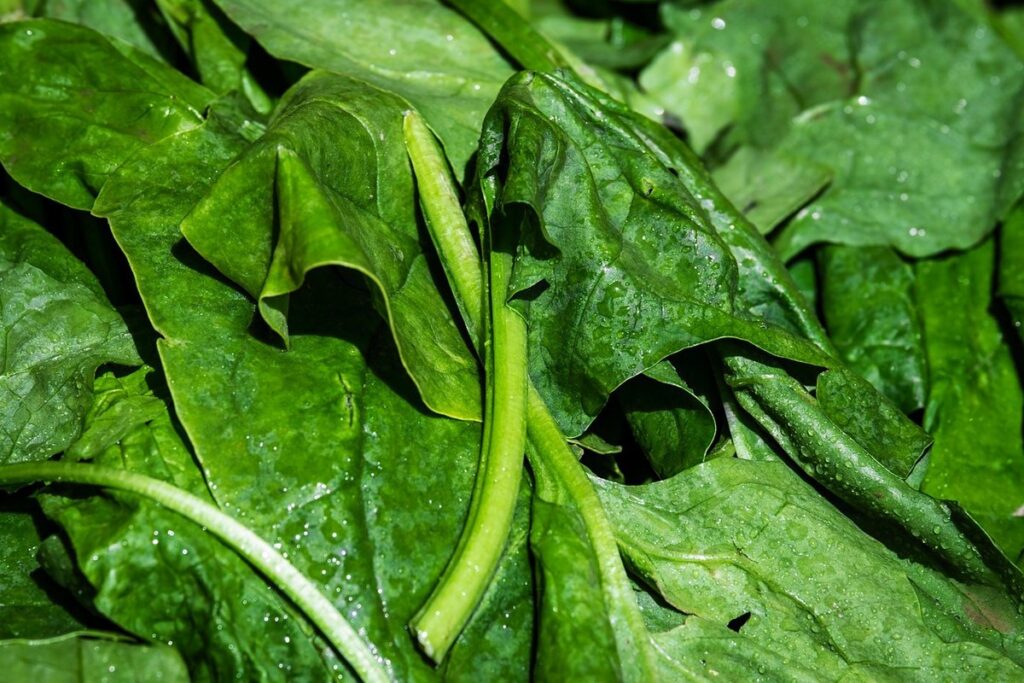
Choosing the Right Container and Soil
To grow spinach successfully, you’ll need to choose a container that provides enough room for the plant’s roots to spread out and a well-draining potting soil specifically designed for leafy greens like spinach.
Selecting the Perfect Container Size
When it comes to growing spinach in containers, selecting the perfect container size is crucial for the plant’s success. Spinach plants have a relatively shallow root system, but they still require enough room to grow and thrive.
As a general rule, we recommend a minimum container size of 6-8 inches deep and 8-12 inches wide. This will provide your spinach plants with ample space to absorb nutrients and water, as well as allow for proper air circulation around the roots. A larger container can be beneficial if you’re growing multiple plants together.
Make sure to consider the mature height of the spinach variety you’ve chosen when selecting a container size. Some compact varieties may only reach 6-8 inches tall, while others can grow up to 12 inches or more. Also, keep in mind that deeper containers will require more soil volume and may weigh heavier when filled.
Remember, it’s always better to err on the side of caution and choose a slightly larger container rather than risking root bound conditions. This will ensure your spinach plants receive the necessary support for healthy growth throughout their lifespan.
Understanding Container Materials
When it comes to growing spinach in containers, choosing the right material for your pot is crucial. There are several options available, each with its own set of pros and cons.
Plastic pots are lightweight, inexpensive, and easy to clean, making them a popular choice among gardeners. However, they can retain heat, potentially causing roots to cook in extreme temperatures. This can be mitigated by using a pot with good drainage holes or placing the pot on a tray filled with water to help keep it cool.
Ceramic pots, on the other hand, are excellent at retaining moisture and regulating temperature. They also allow for better air circulation around the roots, which can promote healthy growth. However, they can be heavy and may crack if exposed to extreme temperatures or water.
Fabric pots, made from breathable materials like polyester or cotton, offer good drainage and aeration while being lightweight and easy to move. However, they may require more frequent watering due to their ability to dry out quickly.
Ultimately, the choice of container material depends on your specific needs and preferences as a gardener. Consider factors like climate, maintenance schedule, and the level of care you can provide your spinach plants when selecting the right pot for your container garden.
Preparing the Soil
Before you start sowing spinach seeds, it’s essential to prepare your container soil for optimal growth. This involves selecting a well-draining potting mix and checking its pH level.
Creating a Nutrient-Rich Potting Mix
When it comes to growing spinach in containers, using a well-balanced potting mix specifically designed for leafy greens is crucial for optimal growth. A good potting mix will provide the necessary nutrients and structure for spinach roots to thrive.
To create or purchase a suitable mix, look for ingredients that are high in organic matter such as peat moss or coconut coir, which help retain moisture and suppress diseases. Perlite or vermiculite can also be added to improve drainage and aeration.
Essential ingredients for optimal growth include nitrogen-rich fertilizers like fish bone meal or blood meal, phosphorus-rich rock phosphate, and potassium-rich potash. Avoid using regular potting mixes meant for flowering plants as they can be too dense and may lead to root bound issues.
You can also make your own mix by blending these ingredients in the right proportions: 2/3 compost, 1/6 perlite or vermiculite, and 1/6 peat moss. A mix specifically designed for leafy greens is available in most gardening stores, so you can opt for that as well.
pH Levels and Fertilization Requirements
When it comes to growing spinach in containers, maintaining an optimal pH level is crucial for nutrient uptake. Spinach prefers a slightly acidic to neutral soil pH range of 5.5-6.8, making it essential to test and adjust the pH accordingly.
Using a pH meter or soil testing kit, you can determine your container’s current pH level. If it’s too high (above 7), add peat moss or sulfur-based products to lower the pH. Conversely, if it’s too low (below 5.5), mix in lime or dolomitic limestone to raise the pH.
When fertilizing, opt for organic options like compost tea, which provides a natural boost of nutrients without burning your spinach’s roots. Alternatively, use synthetic nutrients specifically formulated for leafy greens like Miracle-Gro or Schultz All Purpose Plant Food. To avoid over-fertilization, start with half the recommended dose and adjust as needed.
Regular fertilization will promote healthy growth, but be mindful of potential risks like nutrient deficiencies or soil contamination. Monitor your spinach’s response to fertilizers and make adjustments accordingly. By maintaining an optimal pH level and using balanced fertilizers, you’ll set your container spinach up for success.
Sowing Spinach Seeds in Containers
When growing spinach in containers, sowing seeds directly into small pots is often the most efficient and space-saving method. Learn how to do it successfully in the following instructions.
Determining the Optimal Sowing Time
Determining the optimal sowing time for spinach seeds is crucial to ensure maximum yields. As a container gardener, you need to consider several factors that affect spinach growth, including climate, temperature, and day length.
In temperate climates with moderate temperatures between 60°F to 70°F (15°C to 21°C), spring and fall are the ideal seasons for sowing spinach seeds. These periods offer the right balance of warmth and coolness that promote healthy growth. In areas with hot summers, it’s best to sow in the early morning or late evening when temperatures drop slightly.
In regions with short days during winter, choose a variety that is specifically bred for cooler conditions and shorter day lengths. Some popular spinach varieties suitable for container gardens include ‘Space’, ‘Tyee’, and ‘Red Cardinal’. These varieties mature quickly, taking around 20-30 days to harvest.
When sowing in containers, make sure the soil has reached at least 55°F (13°C) before planting seeds. Avoid direct sunlight during peak hours as it can cause seedlings to become scorched. Instead, provide filtered or dappled shade until they reach about two inches tall.
Sowing Techniques and Seed Spacing
When sowing spinach seeds in containers, it’s essential to follow some specific techniques to ensure uniform germination rates and healthy growth. Start by preparing the container with a well-draining potting mix and moisten it slightly.
To sow the seeds, create small holes about 1-2 cm deep and 2-3 cm apart. Place one or two seeds in each hole, depending on their size and variety. Cover the seeds with a thin layer of soil, about 1/4 inch deep. Firm the soil gently to ensure good contact between the soil and the seeds.
Seed spacing is critical for spinach growth. If you’re sowing multiple rows, leave about 6-8 inches between each row. This allows for proper air circulation and prevents fungal diseases from spreading.
Some general guidelines for seed spacing are:
* For compact or baby leaf varieties: 2-3 cm apart
* For regular or large leaf varieties: 4-5 cm apart
By following these sowing techniques, you’ll be able to achieve uniform germination rates and healthy growth in your container-grown spinach.
Providing Adequate Light and Temperature
When growing spinach in containers, providing adequate light and temperature is crucial for optimal growth and healthy leaves. Make sure to read on for essential tips on achieving these conditions.
Understanding Spinach’s Lighting Requirements
When it comes to growing spinach in containers, one of the most critical factors is ensuring that your plants receive adequate light. Spinach is a leafy green crop that requires plenty of direct sunlight to produce well. As a general rule, spinach needs at least 4-6 hours of direct sunlight per day to thrive. However, during winter months or periods of reduced daylight, it can be challenging to meet this requirement.
To supplement natural light, you can consider using artificial lighting options such as LED grow lights. These energy-efficient lights are specifically designed for indoor gardening and can provide the necessary spectrum and intensity for spinach growth. You can also use a combination of fluorescent and incandescent bulbs to create a balanced spectrum. When choosing artificial lighting, make sure to select a product with a color temperature between 5,000-7,000K, which is ideal for leafy greens like spinach.
By providing your spinach plants with the right amount of light, you can expect robust growth, vibrant green leaves, and higher yields. Remember, it’s not just about meeting the minimum hours of direct sunlight; it’s also about creating a balanced lighting environment that promotes healthy plant development.
Maintaining Optimal Temperatures
When it comes to growing spinach in containers, maintaining optimal temperatures is crucial for its growth and development. The ideal temperature range for spinach is between 50°F (10°C) and 70°F (21°C). Temperatures above or below this range can slow down or even stop spinach’s growth.
To maintain the perfect temperature for your spinach plants, you’ll need to regulate their exposure to direct sunlight. During peak sun hours, consider providing shade using a sheer curtain or an umbrella to prevent overheating. You can also use insulation materials like bubble wrap or straw to keep the container cool in warmer temperatures.
Another effective strategy is to use cold frames or mini-greenhouses to maintain a consistent temperature around your spinach plants. These structures allow you to control the amount of sunlight that enters while keeping the air inside cooler than outside. By implementing these strategies, you’ll be able to provide your spinach with the optimal growing conditions it needs to thrive.
For example, if you live in a region with high temperatures during the summer, using a cold frame can make all the difference in ensuring your spinach plants continue to grow and produce leaves throughout the warmer months.
Watering and Humidity Management
When growing spinach in containers, managing water and humidity levels is crucial for healthy leaves and preventing root rot. We’ll walk you through optimal watering schedules and techniques to maintain a perfect balance.
Avoiding Overwatering and Root Rot
Overwatering and root rot are common pitfalls for container gardeners, especially when growing spinach. When the soil is consistently waterlogged, it deprives the roots of oxygen, leading to root rot and potentially killing the plant.
Poor drainage is a significant contributor to overwatering in containers. If your pot doesn’t have adequate drainage holes or if they’re clogged with debris, excess water can accumulate, causing the roots to suffocate. To prevent this, make sure to inspect your pot’s drainage system regularly and clean it out as needed.
Another critical aspect of preventing overwatering is monitoring soil moisture levels. Check the top 1-2 inches of soil daily by inserting your finger or a chopstick into the soil. If it feels dry, it’s time for watering; if it’s already moist, wait another day or two before checking again. Spinach prefers consistently moist but not waterlogged soil.
By being vigilant about drainage and soil moisture levels, you can avoid common mistakes that lead to overwatering and root rot in your container spinach garden.
Managing Humidity Levels
Spinach thrives in humid environments, typically between 40-60% relative humidity. Maintaining adequate humidity levels is crucial for optimal growth and preventing stress. One way to achieve this is by using a misting system. You can install a timer-controlled misting system that releases a fine spray of water onto the leaves and soil at regular intervals. This method not only provides moisture but also helps prevent fungal diseases.
Another technique is covering your container with clear plastic sheets, creating a mini-greenhouse effect. This microclimate retains moisture and protects plants from drying winds. Make sure to leave some gaps for air circulation to prevent the buildup of excess humidity. You can also use cloches or bell covers, which work similarly by trapping moisture close to the plant.
Keep in mind that spinach requires consistent moisture levels. Aim to maintain a humid environment without overwatering, as this can lead to root rot and other problems. Check soil moisture regularly and adjust your misting schedule accordingly.
Pest Management and Monitoring
As you start harvesting your delicious container-grown spinach, it’s essential to keep an eye out for common pests that can damage your crop. We’ll walk you through effective monitoring techniques and management strategies.
Identifying Common Pests Affecting Spinach in Containers
When growing spinach in containers, one of the most common challenges you may face is pest infestation. Pests like aphids, whiteflies, and slugs can quickly spread and cause significant damage to your plants if left unchecked.
Aphids are small, soft-bodied insects that feed on plant sap, causing curled or distorted leaves. They can be identified by their pear-shaped bodies and the sticky substance called honeydew they produce. Whiteflies, on the other hand, are tiny flying insects that also feed on plant sap, leaving behind a trail of sticky droplets. Slugs, being slow-moving and nocturnal, tend to damage plants at night, often leaving behind slimy trails.
Recognizing early signs of infestation is crucial in preventing pest problems from getting out of control. Look for curled or distorted leaves, presence of ants (which are attracted to honeydew), or actual pests on the plant. For instance, if you notice a whitefly on your spinach plant, it’s likely that there are many more hiding on the underside of leaves.
To prevent and control pest infestations, adopt an Integrated Pest Management (IPM) approach. This involves understanding the life cycle of the pest, monitoring your plants regularly, and implementing cultural controls such as using neem oil or insecticidal soap to repel pests. You can also use physical barriers like fine mesh or row covers to keep pests away.
For example, if you’re experiencing aphid infestation, try spraying a mixture of water and mild dish soap on the plant leaves. This will help dislodge the aphids without harming your plants. Remember to inspect your plants regularly, and take action at the first sign of pest activity to prevent them from spreading. By being proactive and monitoring your containers regularly, you can enjoy healthy spinach harvests throughout the growing season.
Harvesting and Storage
Now that you’ve successfully grown your spinach, it’s time to harvest and store it properly to enjoy its delicious flavor for weeks to come. In this next part of our guide, we’ll cover the best practices.
Timing the Perfect Harvest
When it comes to harvesting spinach from containers, timing is crucial. You’ll want to pick your leaves at the optimal size and texture for maximum flavor and nutrition. Generally, baby spinach leaves are ready to harvest about 20-25 days after sowing, while mature leaves can take around 30-40 days.
To determine if your spinach leaves are ready, look for a few key signs. Check the leaf size: they should be at least 2-3 inches long and have a nice, even shape. Next, consider the color: baby spinach will typically be a deep green, while mature leaves may start to turn slightly yellow or bronze around the edges. Finally, inspect the texture: fresh spinach leaves should feel crisp and firm to the touch.
To encourage continued growth and prevent the plant from flowering, you can try cutting off individual leaves with scissors, leaving about an inch of stem intact. Alternatively, simply pinch off the top set of leaves with your fingers – this will stimulate new growth and help keep your spinach crop thriving.
Storing Fresh Spinach for Maximum Shelf Life
Proper storage of fresh spinach is crucial to maintain its quality and nutritional value. When harvested from containers, spinach is more prone to spoilage due to its high water content and delicate leaves. To maximize shelf life, it’s essential to handle the crop with care throughout the storage process.
Start by gently washing the spinach in cold running water to remove any dirt or debris. Next, use a salad spinner or clean towels to dry the leaves thoroughly. Excess moisture can lead to bacterial growth and spoilage, so make sure the spinach is completely dry before proceeding. You can also package individual leaves in airtight containers or ziplock bags to prevent moisture accumulation.
For refrigeration, store fresh spinach at 32°F (0°C) with high humidity levels. This slows down metabolic processes and helps retain chlorophyll and nutrients. Consider using a ventilated container or a mesh bag to maintain air circulation and prevent condensation buildup.
When it comes to freezing, blanch the leaves in boiling water for 30-60 seconds to inactivate enzymes that cause spoilage. Then, immediately submerge them in an ice bath to stop cooking. Package frozen spinach in airtight containers or freezer bags, removing as much air as possible before sealing.
By following these storage tips, you can enjoy your homegrown spinach for several weeks, maintaining its crunch and nutritional value.
Frequently Asked Questions
Can I use regular potting soil for spinach containers, or do I really need a nutrient-rich mix?
While you can use regular potting soil, it’s not the best choice for growing healthy spinach. Spinach requires a balanced fertilizer and adequate nutrients to thrive. A nutrient-rich potting mix specifically designed for leafy greens like spinach will provide your plants with the necessary nutrients for optimal growth.
How often should I water my container-grown spinach, especially during hot summer months?
Watering frequency depends on weather conditions. As a general rule, check the soil moisture by sticking your finger into the soil up to the first knuckle. If it feels dry, it’s time to water. During hot summer months, you may need to water more frequently – every 2-3 days, depending on temperature and humidity.
Can I grow spinach in containers indoors year-round, or is there a limit to how long it can thrive?
Yes, with proper care and conditions, you can grow spinach in containers indoors year-round. To do this, ensure your container receives sufficient light (at least 4-6 hours of direct sunlight) and maintain optimal temperatures between 60-70°F (15-21°C). You may need to supplement with artificial lighting during the winter months.
How do I prevent pests like aphids and whiteflies from affecting my container-grown spinach?
To prevent pests, maintain good hygiene by regularly inspecting your plants for signs of infestation. Use neem oil or insecticidal soap as a preventative measure, and keep your containers clean to avoid attracting pests. Regularly pruning your spinach also helps reduce the likelihood of pest issues.
Can I reuse potting mix from previous container gardens, or should I start fresh with new soil?
No, it’s not recommended to reuse potting mix from previous container gardens, especially if you’ve grown high-nitrogen plants like tomatoes or peppers. Leafy greens like spinach have different nutrient requirements than other plants, and reusing old potting mix may lead to nutrient imbalances that affect your spinach’s growth. Start fresh with a new bag of nutrient-rich potting mix specifically designed for leafy greens.