
Are you ready to grow your own delicious onions from scratch? If so, you’re in luck because growing short day onion transplants is a rewarding experience that can be done with minimal space and effort. Short day onions are one of the most popular varieties for home gardeners, requiring fewer daylight hours than their long day counterparts, making them perfect for areas with mild winters or cooler climates.
In this comprehensive guide, we’ll walk you through the process of planning, sowing, caring for, and harvesting your short day onion transplants. From preparing the soil to dealing with common pests and diseases, we’ve got you covered. Whether you’re a seasoned gardener or just starting out, our expert tips and tricks will help ensure your onions are healthy and thriving in no time.
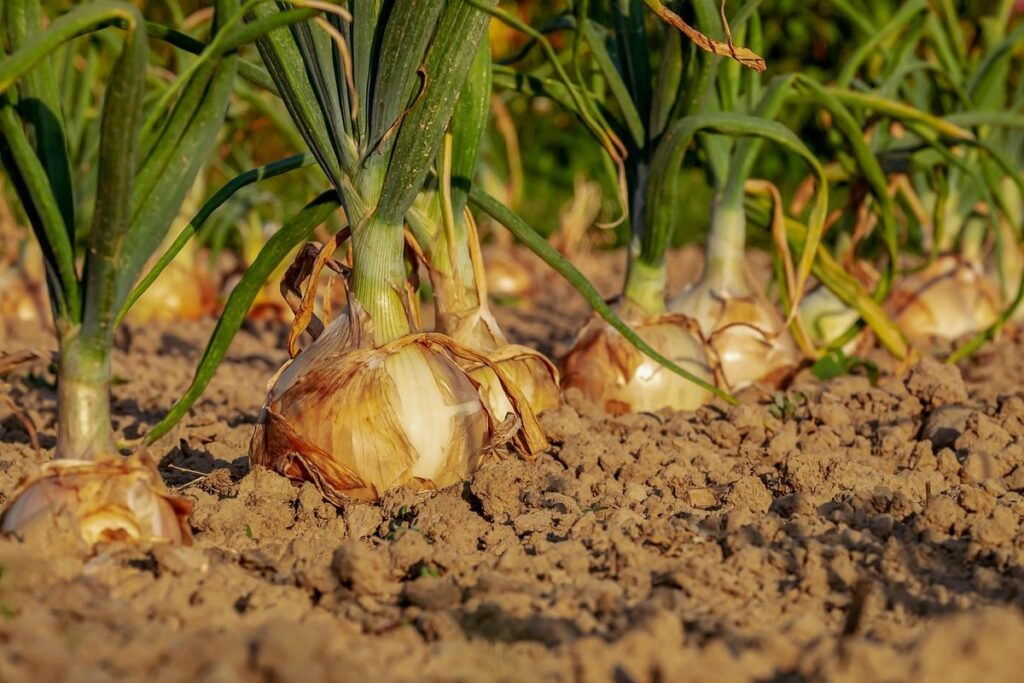
Understanding Short Day Onions
To grow successful short day onion transplants, it’s essential to understand their unique characteristics and requirements. This section will break down what makes them different from other types of onions.
What are Short Day Onions?
Short day onions are a unique variety that stands out from other types of onions due to their specific requirement for shorter daylight hours to induce flowering. This characteristic makes them particularly well-suited for regions with mild winters, where the days are not long enough to trigger bolting in regular onion varieties.
In contrast to other types of onions, short day onions require only 12-14 hours of daylight per day to produce a flower stalk. This shorter photoperiod allows growers in areas with limited sunlight during winter months to successfully cultivate these onions without worrying about premature flowering or reduced yields.
For example, growers in the southern United States can take advantage of short day onions’ tolerance for shorter days and enjoy a longer harvest season compared to other regions. By selecting a suitable short day onion variety and providing optimal growing conditions, gardeners can reap the benefits of this versatile crop and enjoy a bountiful harvest year after year.
Choosing the Right Variety
When it comes to growing short day onion transplants, choosing the right variety is crucial for success. With numerous options available, selecting a suitable variety can be overwhelming, especially if you’re new to onion cultivation.
Considerations such as climate, purpose, and storage requirements are essential factors to keep in mind when choosing a variety. For example, if you live in an area with hot summers, look for varieties that are resistant to heat stress like ‘Texas Grano’ or ‘Ebenezer’. On the other hand, if you’re growing onions for cooking, you may prefer varieties with higher sugar content and milder flavor like ‘Beltsville Bunching’ or ‘Walla Walla’.
It’s also important to consider storage requirements. If you plan to store your onions for an extended period, look for varieties that have a higher density and can be stored at room temperature, such as ‘Yellow Granex’. Keep in mind that some varieties are specifically bred for shallot production, so if you’re interested in growing these, choose a variety like ‘French Red’ or ‘Welsh’.
Ultimately, selecting the right variety will depend on your specific needs and circumstances. Research different options, read reviews, and consider factors such as disease resistance and growth habits before making a final decision.
Planning Your Onion Crop
When planning your onion crop, it’s essential to consider the specific needs of short day onion transplants, including optimal spacing and soil requirements. Let’s dive into these crucial details together.
Preparing the Soil
When it comes to growing short day onion transplants, preparing the soil is a crucial step that often gets overlooked. But don’t worry, we’ve got you covered. A well-prepared soil will not only ensure healthy growth but also help your onions mature evenly and on schedule.
First things first: pH levels are essential for onion growth. Short day onions prefer a slightly acidic to neutral soil pH, ranging from 6.0 to 7.0. If your soil is too alkaline or acidic, it can hinder nutrient uptake and lead to poor growth. To check your soil pH, you can purchase a DIY testing kit or send a sample to a lab for analysis.
In terms of nutrients, short day onions are heavy feeders and require a balanced diet of nitrogen, phosphorus, and potassium (N-P-K). Aim for a fertilizer blend with an N-P-K ratio of 10-10-10. To improve drainage, which is critical for onion growth, add organic matter like compost or well-rotted manure to your soil. This will also help retain moisture and suppress weed growth.
By paying attention to these key factors, you’ll be setting yourself up for a successful short day onion crop.
Sowing Seeds vs. Transplanting
When planning your short day onion crop, one of the key decisions you’ll face is whether to sow seeds directly into the ground or transplant seedlings. Both methods have their advantages and disadvantages.
Direct sowing can be a cost-effective and straightforward approach, allowing you to scatter seeds thinly over the desired area and letting nature take its course. This method also promotes deeper root growth, which can make onions more resistant to drought conditions. However, direct-sown onions may not achieve the same level of uniformity as transplanted seedlings, and they’re more susceptible to pests and diseases that target young onion bulbs.
Transplanting, on the other hand, offers a higher degree of control over the growing environment and can result in more robust, healthier plants. By starting seeds indoors 6-8 weeks before the last frost date and then transplanting them into the garden when they reach about 4 inches tall, you can ensure that your onions get off to a strong start. Transplanting also allows for easier thinning of seedlings, reducing competition among the bulbs. Nevertheless, it requires more time, effort, and resources upfront.
The ideal approach ultimately depends on your specific climate, garden conditions, and personal preferences. If you have limited space or want to minimize labor costs, direct sowing may be the better choice. However, if you value uniformity and are willing to invest a bit more time in seed starting and transplanting, this method can yield superior results.
Sowing Seeds and Transplanting Successfully
When sowing seeds for your short day onion transplants, getting them off to a strong start is crucial. This includes careful transplanting techniques that promote healthy growth.
Sowing Seeds Indoors
Sowing short day onion seeds indoors 8-10 weeks before the last frost date is a great way to get a head start on growing these transplants. To do this effectively, it’s essential to provide optimal conditions for germination and seedling growth.
First, choose a container that is at least 1-2 inches deep to accommodate the seeds’ need for depth. Fill the container with a well-draining seed starting mix, and sow the short day onion seeds about ¼ inch deep and 1-2 inches apart. Cover the seeds with a thin layer of the mix.
Keep the temperature between 65°F to 70°F (18°C to 21°C) for optimal germination. This range is crucial as temperatures above or below this range can slow down germination. Maintain high humidity by covering the container with a clear plastic bag, but make sure to remove it once the seedlings emerge.
With proper care and attention, your short day onion seeds should germinate within 7-10 days. Once they have two sets of leaves, you can start hardening them off for transplanting outside.
Creating Healthy Transplants
When your short day onion transplants have reached 4-6 inches tall, it’s time to start thinking about transplanting them outdoors. This is a critical step in their growth cycle, and with proper hardening off and care, you can give your onions the best chance at success.
To begin, choose a location with full sun and well-draining soil for your transplants. If your outdoor space doesn’t have these ideal conditions, create a makeshift bed using raised beds or containers. Before transplanting, acclimate your onion sets or seedlings to outdoor conditions over the course of 7-10 days. Start by moving them from direct sunlight to partial shade and gradually increase exposure each day.
Begin by hardening off your transplants for 2-3 hours a day in a shaded area, then move them to full sun for an additional 1-2 hours. Monitor their response and adjust the duration accordingly. This process helps prevent shock and ensures a smoother transition from indoor to outdoor conditions. After hardening off, transplant your onions into individual holes or rows, making sure not to overcrowd the space.
Once transplanted, provide regular care including watering, fertilization, and pest control. Keep the soil consistently moist but not waterlogged, as this can lead to root rot and other issues.
Caring for Your Onion Crop
To ensure your short day onion transplants thrive, it’s crucial to focus on their unique care needs, particularly when it comes to soil and moisture management. Proper care will reward you with a healthy crop.
Watering and Mulching Strategies
Watering and mulching are crucial aspects of onion care that often get overlooked. However, with the right strategies, you can conserve moisture, suppress weeds, and maintain soil health – all essential for a healthy short day onion transplant.
When it comes to watering, remember that onions need about 1-2 inches of water per week, either from rain or irrigation. To avoid overwatering, which can lead to rot and other issues, try the “soak-and-dry” method: water your onions deeply once or twice a week, allowing the top 6-8 inches of soil to dry out between waterings. This encourages deep root growth and makes your onion more resilient.
Mulching around your onions helps retain moisture, suppress weeds, and regulate soil temperature. Use organic mulch like straw, grass clippings, or wood chips, keeping it a few inches away from the plant base. As the mulch breaks down, it adds nutrients to the soil and improves its structure. To maximize benefits, apply 2-3 inches of mulch in early spring before the onions start growing.
Some key tips to keep in mind: avoid using plastic or synthetic mulches that can trap moisture and cause disease; don’t over-mulch, as this can lead to oxygen deprivation; and replenish the mulch layer as it breaks down. By implementing these watering and mulching strategies, you’ll be well on your way to growing healthy, robust short day onion transplants.
Pest and Disease Management
As you nurture your short day onion transplants, it’s essential to be aware of the common pests and diseases that can affect their health. Aphids, onion thrips, and spider mites are notorious for infesting onion crops, causing damage to leaves and reducing yields. These tiny pests can multiply quickly, so it’s crucial to catch them early.
To prevent aphid infestations, maintain a clean growing environment by removing weeds and debris that can harbor these pests. Use neem oil or insecticidal soap as a preventive measure, applying it according to the product label instructions. For onion thrips, introduce beneficial insects like lady beetles or lacewings, which feed on these pests.
Downy mildew is another prevalent disease affecting short day onions. This fungal infection thrives in humid conditions and can spread rapidly through irrigation water. Implement good crop rotation practices and remove infected plants to prevent the spread of this disease. Regularly inspect your transplants for signs of downy mildew, such as yellowing leaves or white cottony growth on undersides.
To manage these pests and diseases effectively, adopt an integrated pest management approach that combines physical, cultural, biological, and chemical controls. Monitor your crops regularly to detect issues early, and use a combination of methods to prevent infestations and reduce the risk of disease spread. By being proactive, you can minimize losses and ensure a healthy, thriving onion crop.
Harvesting Your Onions
Now that your short day onion transplants have matured, it’s time to harvest them carefully to avoid damaging the bulbs. This is where precision and patience come into play.
Identifying Maturity
Determining when to harvest short day onions is crucial to ensure optimal flavor and texture. When it comes to identifying maturity, size, color, and top growth are key indicators. Check the bulbs regularly for a gentle tug on the neck, indicating readiness.
Measure the bulb diameter – 1-1.5 inches (2.5-3.8 cm) in diameter is typically ready for harvest. However, this may vary depending on the specific variety. Some short day onions may take longer to mature.
Observe the color change from green to yellow or copper. This usually occurs about two weeks before harvest time. Be cautious not to wait too long, as over-maturity can lead to flavor loss and reduced storage life.
Lastly, inspect top growth – stop watering 2-3 weeks prior to expected harvest. A dying-back process will occur, allowing the bulb to mature further underground. This ensures optimal sweetness and minimizes water retention during storage. Keep in mind that each variety may have unique characteristics, so it’s essential to research specific harvesting times for your chosen short day onion transplants.
Techniques for Efficient Harvesting
When it’s time to harvest your short day onion transplants, having the right tools and techniques can make all the difference. To avoid damaging your onions during harvesting, use a garden fork or cultivator to carefully loosen the soil around each plant. This will prevent the bulbs from breaking apart as you lift them.
Next, use a sharp knife or pruning tool to cut the stem about an inch above the bulb, leaving a small portion of the stem attached. This helps to promote healing and prevents moisture from entering the bulb. To minimize damage and bruising, handle the onions gently and avoid exposing them to direct sunlight for extended periods.
For optimal curing and storage, spread out your harvested onions in a single layer on a wire rack or tray. Allow them to air dry in a well-ventilated area with temperatures between 60°F to 70°F (15°C to 21°C). Keep the onions away from humidity and moisture to prevent rot and mold. Proper curing and storage will help maintain their quality for months to come, allowing you to enjoy your fresh harvest throughout the year.
Troubleshooting Common Issues
We know that even with careful planning, things don’t always go as planned when growing short day onion transplants. Let’s tackle some common issues and find solutions together.
Overcoming Climate Challenges
Growing short day onion transplants can be challenging, especially when faced with extreme weather conditions. Heat waves and frost are two common climate challenges that can significantly impact the health and productivity of your crop.
When dealing with heat waves, it’s essential to take steps to prevent onion bulb splitting. This occurs when the onions grow too quickly, causing the outer skin to burst open. To avoid this, provide transplants with adequate moisture and shade during peak heat periods. You can also reduce watering schedules or use mulch to retain soil moisture.
On the other hand, frost is a significant threat to short day onion crops. If you live in an area prone to late-season frosts, take steps to protect your plants. Apply a layer of straw or bubble wrap around the base of the plants to insulate them from cold temperatures. Alternatively, consider bringing potted transplants under cover or using row covers to shield them from frost damage.
Regular monitoring and planning can help you navigate these challenges and ensure a successful harvest of healthy short day onion transplants.
Addressing Soil and Nutrient Deficiencies
Growing short day onion transplants can be rewarding, but soil-related issues like nutrient deficiencies and pH imbalances often hinder progress. To tackle these problems, it’s essential to understand the specific needs of short day onions.
Short day onions require a balanced diet of nutrients, including nitrogen, phosphorus, potassium, and sulfur. Nitrogen promotes healthy leaf growth, while phosphorus encourages root development and flower formation. Potassium enhances overall plant health, and sulfur aids in bulb formation. Soil pH levels between 6.0 and 7.0 are ideal for onion cultivation.
To address nutrient deficiencies, incorporate compost or well-rotted manure into your soil to provide a slow release of nutrients. Additionally, consider using a balanced fertilizer specifically formulated for onions. Regular soil testing will help you identify any imbalances and make necessary adjustments.
For pH-related issues, take note that short day onions can tolerate slightly acidic to neutral soils. If your soil is too alkaline or acidic, amend it with lime or sulfur accordingly. By monitoring your soil’s nutrient levels and pH, you’ll be better equipped to provide the optimal environment for your short day onion transplants to thrive.
Frequently Asked Questions
Can I grow short day onions in containers?
Yes, you can successfully grow short day onion transplants in containers if they have good drainage and are at least 6-8 hours deep to accommodate the roots. Use a well-draining potting mix and follow the same care instructions as for soil-grown onions.
How do I prevent my short day onions from bolting?
Bolting can be prevented by providing your short day onions with consistent moisture, avoiding extreme temperatures, and ensuring they receive sufficient nutrients. Additionally, you can use techniques such as thiol or sulfur-based products to inhibit flowering.
What’s the ideal time for transplanting short day onion seedlings outdoors?
In most regions, it’s best to transplant short day onion seedlings outdoors when they have 2-3 sets of leaves and the soil has warmed up to at least 40°F (4°C). Avoid exposing them to direct sunlight immediately after transplanting.
Can I use a greenhouse to extend my growing season for short day onions?
Yes, using a greenhouse can be an excellent way to extend your growing season for short day onions. By providing a protected environment with supplemental lighting and heat, you can control the temperature and light exposure to meet the specific needs of these sensitive plants.
How often should I water my short day onion transplants during hot weather?
During periods of intense heat, it’s essential to water your short day onion transplants regularly to prevent moisture stress. Water them when the top 2-3 inches of soil feel dry to the touch, usually every 1-2 days in extreme temperatures.