
As a gardener or homeowner with limited outdoor space, you might be wondering if it’s possible to grow your own veggies even in areas with partial sunlight. The good news is that there are many shade-tolerant vegetables out there that can thrive in conditions with as little as four hours of direct sunlight per day! These hidden gems include leafy greens like lettuce and spinach, as well as other unexpected crops like beans and cucumbers. In this article, we’ll take a closer look at the best shade-tolerant veggies to grow, how to select and plant them for maximum success, and provide tips on harvesting a bountiful yield even in areas with limited sunlight. Whether you’re looking to expand your garden or simply make the most of your existing space, this is the perfect guide to get you started!
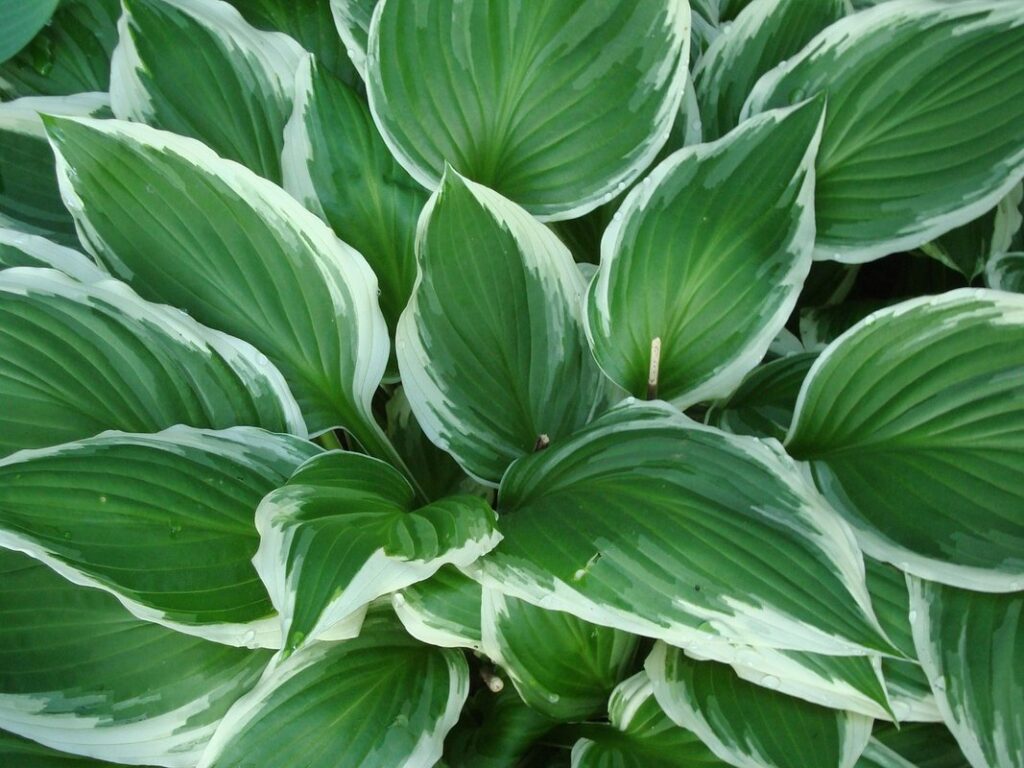
Understanding Shade Tolerance in Vegetables
When choosing shade-tolerant vegetables, it’s essential to understand which ones can thrive in less direct sunlight. This section will break down the factors that determine a vegetable’s tolerance for shade.
What is Shade Tolerance?
When it comes to growing vegetables, shade tolerance is a crucial factor that determines their ability to thrive in low-light conditions. Simply put, shade-tolerant vegetables are those that can continue to grow and produce well even when they receive less direct sunlight than other plants.
Plants like lettuce, kale, spinach, and chard are naturally more tolerant of shade due to their deep green leaves, which have a high surface area-to-weight ratio, allowing them to capture what little light is available. These leafy greens can tolerate up to 50% reduction in sunlight without significant losses in yield.
Other vegetables like broccoli, cauliflower, and bok choy also exhibit some level of shade tolerance, although they may require more careful management to ensure optimal growth. On the other hand, plants like tomatoes and peppers are typically less tolerant of shade, as they require at least 6 hours of direct sunlight per day to produce well.
When selecting varieties for your shaded garden, look for those that specifically mention shade tolerance or low-light requirements in their descriptions. By choosing the right vegetables for your space, you can enjoy a bountiful harvest even on the shadiest days.
Factors Influencing Shade Tolerance
When it comes to growing vegetables in shaded areas, understanding the factors that influence their ability to thrive is crucial. Plant size plays a significant role in shade tolerance, with larger plants typically requiring more light than smaller ones. Leaf density is another critical factor, as thicker leaves can block sunlight and reduce photosynthesis. For instance, leafy greens like kale and spinach have thick leaves that help them absorb what little light is available.
Root depth also impacts a plant’s ability to tolerate shade, as deeper roots allow for greater access to stored nutrients and water. This is particularly important in shaded areas where soil quality may be compromised. Consider the root depth of plants like carrots and beets, which can grow quite deep in search of nutrients. When selecting shade-tolerant vegetables, take these factors into account and choose varieties that are adapted to low-light conditions. By understanding and adapting to these factors, you’ll be well on your way to growing delicious produce in even the shadiest areas.
Selecting Shade-Tolerant Vegetables for Your Garden
When choosing shade-tolerant vegetables, consider factors like light requirements and growth habits to ensure you’re selecting varieties that will thrive in your specific shaded area.
Cool-Season Crops
If you’re looking for cool-season crops that thrive in shaded areas, look no further than lettuce, spinach, and kale. These vegetables are perfect for the shade-tolerant gardener, as they require minimal direct sunlight to grow. Lettuce, for example, can be harvested as soon as 20-25 days after sowing, making it a great choice for adding some crunch to your salads.
When selecting varieties of these crops, choose those that are specifically bred for cooler weather and partial shade. Some popular options include ‘Red Salad Bowl’ lettuce, ‘Space’ spinach, and ‘Lacinato’ kale. These varieties tend to have slower bolting rates, which means they’re less likely to go to seed prematurely in the shade.
To ensure optimal growth conditions for your cool-season crops, make sure to plant them at the right time. In most regions, this is fall or early spring when temperatures are cooler and daylight hours are shorter.
Warm-Season Crops
While many gardeners assume that warm-season crops like tomatoes, peppers, and eggplants require full sun to thrive, there are some heat-tolerant varieties that can still produce well in partial shade. In fact, some of these plants can even benefit from a little shade, especially during the hottest part of the day.
When selecting warm-season crops for your shaded garden, look for varieties that have “shade tolerance” or “heat tolerance” listed in their descriptions. Some popular heat-tolerant tomato varieties include ‘Brandywine’, ‘Cherokee Purple’, and ‘Sungold’. Peppers like ‘Thai Hot’ and ‘Cubanelle’ are also good choices.
To ensure these plants receive sufficient light, try placing them near a south-facing wall or under a trellis that allows some direct sunlight to filter through. Aim for at least 4-6 hours of indirect sunlight per day, and make sure the area is protected from strong winds that can cause stress to the plants. By choosing heat-tolerant varieties and providing sufficient light, you can enjoy a bountiful harvest of delicious tomatoes, peppers, and eggplants in your shaded garden.
Tips for Growing Shade-Tolerant Vegetables
Growing delicious produce in shaded areas can be a challenge, but don’t worry, we’ve got you covered with expert tips and tricks to ensure success. From selecting the right varieties to optimizing growing conditions, we’ll share our top advice for thriving shade-tolerant vegetables.
Optimizing Light Levels
When growing shade-tolerant vegetables, it’s essential to understand and optimize the available light levels. Begin by assessing the amount of direct sunlight your garden receives. Measure the length of time your shaded area gets direct sun throughout the day, as some shade-tolerant veggies still require 2-4 hours of direct sunlight.
To maximize light penetration in shaded areas, consider pruning or thinning nearby plants to allow more sunlight to filter through. This technique is especially effective for densely planted gardens where surrounding vegetation can block necessary light.
Another technique is using reflective mulch around the base of your plants. This can increase light reflection by up to 30% and make a significant difference in plant growth. For example, using aluminum foil or white gravel as reflective mulch can significantly boost light availability.
Watering and Nutrient Management
When growing shade-tolerant vegetables, it’s essential to pay close attention to their watering and nutrient needs. These plants often require more frequent watering than their sun-loving counterparts due to the lower light levels.
Consistent moisture levels are crucial for promoting healthy growth and preventing stress-related issues like yellowing leaves or reduced yields. To achieve this, aim to water your shade-tolerant vegetables when the top inch of soil feels dry to the touch. This can be daily during hot summer months or every other day in milder weather.
When it comes to fertilization, balance is key. Avoid over-fertilizing, as this can cause more harm than good by promoting weak growth and increased susceptibility to pests and diseases. Instead, opt for a balanced, water-soluble fertilizer that provides equal amounts of nitrogen, phosphorus, and potassium (e.g., 20-20-20). Feed your plants every 1-2 weeks during the growing season, following the manufacturer’s instructions.
Challenges and Solutions for Shade-Grown Vegetables
Growing shade-tolerant vegetables can be a challenge, but don’t worry, we’ll walk you through common obstacles and practical solutions to overcome them in your shaded garden.
Pests and Diseases in Shaded Areas
When growing vegetables in shaded areas, you’re not just dealing with reduced sunlight – you’re also introducing pests and diseases that thrive in these conditions. One common issue is powdery mildew, a fungal disease that can coat leaves with a white, powdery substance. Aphids, small sap-sucking insects, are another problem in shaded gardens, as they can quickly multiply and spread disease.
To manage these issues, focus on integrated pest management (IPM) strategies. This involves combining physical barriers, biological controls, and cultural practices to minimize pests and diseases. For example, use fine-mesh row covers to keep aphids out, or introduce beneficial insects like ladybugs or lacewings that prey on aphid populations.
When it comes to powdery mildew, improve air circulation by pruning nearby plants or removing weeds that can harbor the disease. Regularly inspect your plants and remove any affected leaves or stems to prevent further spread. Use neem oil or other organic fungicides as a last resort, but always follow label instructions carefully. By taking proactive steps, you can reduce the risk of pests and diseases in shaded vegetable gardens and enjoy a healthier crop yield.
Nutrient Deficiencies in Shaded Crops
Growing shade-tolerant vegetables comes with its own set of challenges, and one of them is nutrient deficiencies. While some vegetables can thrive in shaded areas, others require more light for photosynthesis, which can lead to a lack of essential nutrients.
Crops like lettuce, spinach, and kale are notorious for requiring high levels of nitrogen, iron, and calcium. When grown in shaded conditions, these plants may not receive enough sunlight to undergo proper photosynthesis, resulting in nutrient deficiencies. For example, a study on leafy greens found that shade-grown crops were often low in chlorophyll content due to reduced light exposure.
To combat this issue, you can supplement your soil with essential nutrients or use foliar sprays to provide an immediate boost. A balanced fertilizer specifically designed for shade-tolerant vegetables can help fill nutrient gaps. Additionally, using a compost tea or a liquid fertilizer can provide microorganisms and nutrients that promote healthy plant growth.
Maximizing Harvests from Shade-Grown Vegetables
To get the most out of your shade-tolerant veggies, we’ll dive into some expert tips for maximizing harvests and enjoying a bountiful crop.
Scheduling and Planning
When it comes to maximizing harvests from shade-grown vegetables, planning and scheduling are crucial. To ensure a continuous supply of produce throughout the growing season, you need to plan your harvest schedule according to the mature dates of each crop.
Start by researching the specific mature dates for the shade-tolerant crops you’re growing, such as lettuce (40-50 days), spinach (30-40 days), and kale (50-60 days). Once you have this information, create a calendar or spreadsheet to plan your plantings. By staggering your plantings, you can enjoy a steady harvest throughout the season.
For example, if you’re growing three varieties of lettuce with different mature dates, plant one variety every 1-2 weeks. This will ensure that you have a continuous supply of fresh produce and avoid over-harvesting or under-harvesting any single crop. Additionally, consider planting cool-season crops in the spring or fall, when the temperatures are cooler, to extend the harvest season.
By planning your plantings carefully, you can enjoy a bountiful harvest from your shaded garden all season long.
Preserving and Storing Shade-Grown Produce
When it comes to preserving and storing shade-grown produce, you’ll want to focus on methods that preserve nutrients and flavor. Canning is a great option for items like tomatoes, beans, and peppers, as long as they’re acidic enough to create a self-sealing environment when heated. Freezing is another excellent choice for leafy greens, broccoli, and other vegetables that retain their texture and nutrients well in the frozen state.
Dehydrating is perfect for herbs, strawberries, and other fruits and veggies with low water content. This method helps preserve color, flavor, and texture while removing excess moisture. To dehydrate your shade-grown produce, you can use a food dehydrator or simply dry them out in a single layer on a baking sheet at its lowest temperature setting.
When storing harvested produce, consider the type of storage and handling needed for each item. For example, store delicate herbs like basil and mint in an airtight container to prevent moisture loss and maintain their fragrance. Root vegetables like carrots and beets can be stored in a cool, dark place with good ventilation to slow down sprouting and decay.
Conclusion: Embracing the World of Shade-Tolerant Vegetables
As you’ve learned how to identify and cultivate shade-tolerant vegetables, it’s time to think bigger – embracing this world of possibilities in your own garden.
Recap and Recommendations
As we come to the end of this journey into the world of shade-tolerant vegetables, it’s essential to recap the key takeaways and reiterate why exploring these varieties is crucial for a more resilient and productive garden.
We’ve covered an impressive array of crops that thrive in shaded areas, from leafy greens like lettuce and kale to root veggies like beets and carrots. These plants are not only perfect for adding variety to your harvest but also offer numerous benefits, including reduced watering needs, increased pest resistance, and improved soil health. By incorporating shade-tolerant vegetables into your garden, you can create a more sustainable and low-maintenance growing space.
One of the most significant advantages of experimenting with new crops is the opportunity to discover hidden gems that thrive in specific conditions. For example, consider trying ‘Rainbow’ chard or ‘Red Russian’ kale for their stunning colors and robust flavor profiles. By exploring different varieties, you’ll not only expand your culinary horizons but also improve your gardening skills and adaptability.
Now that you’re equipped with the knowledge to identify and cultivate shade-tolerant vegetables, it’s time to get creative! Experiment with new crops, techniques, and combinations to optimize your harvest and delight your taste buds. Remember to choose varieties suitable for your climate and adjust your growing conditions accordingly. Don’t be afraid to try unusual pairings or even grow shade-tolerant herbs like mint or oregano.
By embracing the world of shade-tolerant vegetables, you’ll not only enhance your garden’s productivity but also contribute to a more environmentally friendly and resilient gardening practice. So go ahead, get inspired, and start exploring the wonderful realm of shaded produce – your taste buds (and the planet) will thank you!
Frequently Asked Questions
Can I grow shade-tolerant vegetables in containers or indoors?
Yes, many shade-tolerant vegetables can thrive in containers or indoor spaces with limited natural light. When growing indoors, consider using LED grow lights to supplement the natural light and ensure your plants receive at least 4 hours of direct sunlight per day.
What’s the ideal soil mix for shade-grown vegetables?
When growing shade-tolerant vegetables, it’s essential to use a well-draining potting mix or garden soil that retains moisture but doesn’t waterlog. A mix with compost or worm castings can provide the necessary nutrients for optimal growth.
How often should I water shade-grown vegetables in hot weather?
In hot weather, shade-grown vegetables require consistent moisture levels to prevent scorching and stress. Water them deeply once or twice a week, depending on the specific crop’s needs and your local climate.
Can I mix different types of shade-tolerant vegetables in the same garden bed?
Yes, many shade-tolerant vegetables can be interplanted together, such as lettuce, spinach, and beans. Just ensure you’re planting companions that have similar growing requirements and won’t compete for resources like light or water.
What’s a good way to train vining crops like cucumbers in shaded areas?
To make the most of available space, use trellises or other supports to train vining crops like cucumbers upwards. This will allow them to make the most of the available sunlight and keep their fruit off the ground where it might be prone to rotting.