
Winter can be a challenging time for outdoor gardeners, but with the right care and attention, certain hardy plants like rosemary can thrive. If you’re wondering how to grow rosemary outdoors in winter, you’re not alone. This fragrant herb is a staple in many kitchens, and learning how to keep it alive during the colder months can make all the difference. But what makes some varieties more suitable for winter growth than others? And how do you protect your plant from pests and diseases that love to take advantage of weak plants? In this article, we’ll share expert tips on choosing the right variety of rosemary for your climate, pruning techniques to keep it healthy, and protecting your plant from common threats. By following these simple steps, you can enjoy fresh rosemary all year round.
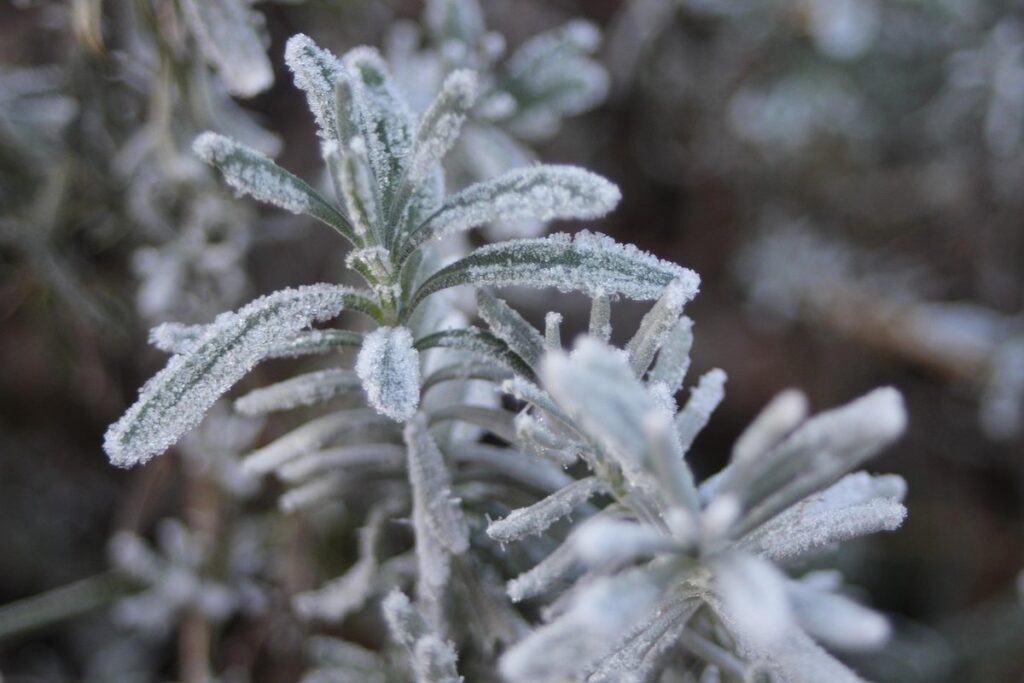
Choosing the Right Variety
When choosing a rosemary variety for winter growth, consider factors like hardiness and compactness to ensure your herb thrives even in cold conditions. This will help you select a robust choice.
Understanding Rosemary Types
When it comes to growing rosemary outdoors during winter, selecting the right variety is crucial for its survival and productivity. There are several types of rosemary that are well-suited for winter growth, each with unique characteristics that make them ideal for different environments.
One popular compact variety is ‘Hill Hardy’, which grows up to 2 feet tall and wide, making it perfect for small gardens or containers. This variety is also known for its fragrant leaves and ability to tolerate dry spells. Another drought-tolerant option is ‘Miss Jessop’s Upright’, which can thrive in areas with minimal watering. It grows up to 4 feet tall and has a more upright habit, making it ideal for borders or hedges.
For those living in colder climates, consider growing ‘Arp’ rosemary, which is cold-hardy down to -10°F (-23°C). This variety is also compact, growing up to 2.5 feet tall and wide, and produces plenty of fragrant leaves throughout the winter months.
Selecting Healthy Plants
When selecting healthy rosemary plants for winter growth outdoors, it’s essential to inspect them carefully for signs of disease or pests. Look for any discoloration, yellowing leaves, or white powdery patches on the stems and foliage, which can indicate issues like root rot or mealybug infestations. Check the plant’s roots for circling or tangled growth, as this can lead to poor water uptake and increased susceptibility to disease.
When handling rosemary plants, be gentle to avoid damaging their delicate roots. When transplanting, make sure the soil is moist but not waterlogged, and gently tease out any entangled roots with your fingers or a blunt instrument. To prevent shocking the plant, acclimate it to outdoor conditions gradually by placing it in a shaded area for a few days before moving it into full sun.
Avoid selecting plants that have been over-handled or show signs of physical stress, such as wilted or droopy foliage. A healthy rosemary plant should have a robust root system and dark green, fragrant leaves with a slight sheen to them.
Preparing Rosemary for Winter
As winter approaches, it’s essential to prepare your rosemary plants for the cold temperatures and dry air that can be detrimental to their health. In this next step, we’ll show you how to protect your rosemary from frost damage and ensure its survival throughout the winter months.
Pruning Techniques
Pruning is an essential step in preparing rosemary for winter. By pruning regularly, you can promote healthy growth, maintain shape, and encourage bushy foliage that can withstand harsh winter conditions. To prune effectively, start by inspecting your rosemary plant for any dead or damaged branches. Remove these immediately to prevent the spread of disease and encourage new growth.
For optimal results, prune rosemary every 4-6 weeks during the growing season (spring-fall). During this time, trim back stems by about one-third to one-half to maintain shape and promote a bushy habit. Use sharp, clean pruning shears or loppers to prevent spreading disease and making clean cuts.
To maintain your rosemary’s natural shape, focus on removing any weak or spindly growth. Cut back stems that are longer than necessary, and encourage new growth by pinching off the top sets of leaves. This will help keep your plant compact and prevent it from becoming leggy. By pruning regularly and correctly, you’ll be rewarded with a robust and resilient rosemary plant that can thrive even in cold winter months.
Mulching and Protection
Mulching around rosemary plants during winter is an essential practice that provides several benefits. First and foremost, it helps retain moisture in the soil, which is crucial for rosemary’s survival during the dry winter months. Mulch also insulates the roots from harsh temperatures, preventing damage and promoting healthy growth come springtime.
There are various types of mulch suitable for rosemary plants, including organic options like straw, bark chips, or pine needles. These materials are inexpensive, readily available, and can be easily spread around the base of your rosemary plant. Another option is using a more decorative stone or gravel, which can add visual appeal to your garden while still providing protection.
In addition to mulching, you can also use row covers or cold frames as extra protection for your rosemary plants. Row covers are lightweight, porous fabrics that allow light and water to reach the plant while keeping frost out. Cold frames, on the other hand, provide a more substantial barrier against extreme temperatures and can be used in conjunction with mulch for maximum protection.
Winter Care Tips
Now that we’ve discussed how to keep rosemary thriving indoors, let’s dive into the specifics of winter care outdoors, including pruning and protection strategies.
Watering and Fertilization
Watering rosemary in winter can be a bit tricky, as it requires less moisture than during the growing season. To avoid root rot and ensure your plant stays healthy, reduce watering to once every 4-6 weeks when the soil is dry to the touch. This will help prevent waterlogged soil that can lead to fungal diseases.
During periods of dormancy, rosemary still needs some nutrients to stay healthy. Fertilize lightly with a balanced fertilizer (10-10-10) in early winter, following the manufacturer’s instructions. You can also use compost or well-rotted manure as an alternative.
To maintain nutrient levels and promote healthy growth, repot your rosemary plant every 2-3 years using fresh potting mix. This will help replace depleted nutrients and prevent root bound conditions.
Keep in mind that rosemary is sensitive to extreme temperatures, so avoid fertilizing during extremely cold or hot periods. Also, be cautious not to over-fertilize, as this can cause more harm than good. Monitor your plant’s response and adjust your watering and fertilization schedule accordingly.
Monitoring for Pests and Diseases
As we’ve discussed the importance of protecting rosemary from harsh winter conditions, it’s equally crucial to be aware of common pests and diseases that can affect this hardy herb during the colder months. Some of the most prevalent issues include aphids, whiteflies, spider mites, and root rot.
Aphids and whiteflies are often brought in on indoor plants or by nearby infestations, while spider mites thrive in dry environments. To control these pests, start by pruning infested areas to prevent further damage. Next, spray the plant with a gentle insecticidal soap solution, making sure to cover all surfaces evenly. For prevention, maintain a humid environment and keep your rosemary plant at least 6-8 inches away from any potential sources of infestation.
Root rot can be caused by overwatering or poor drainage, so ensure that the soil is well-draining and allow it to dry slightly between waterings. Inspect your plant regularly for signs of disease, such as softening stems or yellow leaves. If you catch root rot early on, prune affected areas and repot the rosemary in fresh, sterilized soil.
Growing Rosemary Indoors
To grow rosemary indoors, you’ll want a spot with plenty of bright light and stable temperatures between 65-75°F (18-24°C) to keep your plant happy. Most importantly, choose a pot that’s at least 6-8 inches deep to accommodate the herb’s extensive root system.
Benefits of Indoor Growth
When winter sets in, rosemary can be quite temperamental outdoors. However, growing it indoors during this time offers numerous benefits that ensure a healthy and thriving plant throughout the season. For starters, indoor conditions provide higher humidity levels compared to outdoor environments, which is especially beneficial for rosemary as it can suffer from drying out quickly.
With indoor growth, you also have better control over temperature fluctuations, allowing you to maintain a consistent environment around 60-65°F (15-18°C), perfect for promoting steady growth. This controlled environment also enables you to monitor and regulate moisture levels more accurately, reducing the risk of root rot and other issues commonly associated with outdoor winter growing.
Another significant advantage is that indoor conditions make it easier to access your rosemary plant for harvesting. Simply reach out and snip off a sprig whenever you need it, without having to brave the cold outdoors. This convenience allows you to enjoy fresh rosemary all year round, even in the dead of winter.
Setting Up an Indoor Environment
When growing rosemary indoors, it’s essential to create an environment that mimics its natural habitat. Lighting is one of the most critical factors in indoor rosemary growth. Since rosemary requires a lot of sunlight, you’ll need to provide it with bright, direct light for at least 4-6 hours a day. You can place it near a south-facing window or use grow lights to supplement the natural light.
In terms of watering, rosemary prefers well-draining soil and should not be overwatered. Water your indoor rosemary when the top inch of soil feels dry to the touch, usually every 1-2 weeks during the winter months. Be cautious not to let the soil get too wet, as this can lead to root rot.
Temperature is another crucial aspect of indoor rosemary growth. Keep your plant in an area with a consistent temperature between 65°F to 75°F (18°C to 24°C). Avoid placing it near heating or cooling vents, fireplaces, or drafty windows, as sudden changes in temperature can shock the plant. By providing your rosemary with optimal lighting, watering, and temperatures, you’ll be well on your way to growing a healthy and thriving indoor herb year-round.
Overwintering Rosemary in Containers
If you’re growing rosemary in containers, you’ll want to know how to protect it from winter’s chill and keep it thriving until spring. Here are some tips for overwintering rosemary in pots.
Container Selection and Preparation
When selecting containers for overwintering rosemary, choose ones that are at least 6-8 inches deep to accommodate the herb’s root system. A wide mouth is also beneficial for easy access and repotting. Consider using terra cotta or ceramic pots, as they allow for better air circulation and moisture release.
Repot your rosemary in the fall, about a month before the first frost, to give it time to adjust to its new container. Use a well-draining potting mix specifically designed for herbs, which will help prevent waterlogged soil and root rot. Make sure the container has drainage holes in the bottom to prevent water from accumulating.
When selecting a location for your overwintered rosemary, choose one with bright, indirect light. East- or north-facing windows are ideal, as they provide gentle illumination without direct sun exposure that can cause stress. Keep the soil consistently moist but not waterlogged, and fertilize sparingly during the winter months to promote healthy growth come springtime.
Bringing Plants Indoors
When the first frost hits, it’s time to bring your potted rosemary plants indoors for overwintering. This process requires some preparation and attention to potential issues that may arise. Begin by pruning back your rosemary plant to about half its size to encourage new growth and prevent it from becoming too leggy indoors.
Next, inspect the container for any signs of pests or diseases. Check for aphids, whiteflies, or spider mites on the underside of leaves and stems. Isolate the plant if you notice any infestation, and treat it with neem oil or insecticidal soap according to the product’s instructions.
Make sure the container has good drainage holes to prevent waterlogged soil. If not, drill a few holes in the bottom to ensure excess moisture can escape. Transfer the rosemary to a bright, south-facing window with temperatures between 60-70°F (15-21°C). Water sparingly, as overwatering is common when moving plants indoors.
Troubleshooting Common Issues
Don’t worry if you’re facing challenges growing rosemary over winter – we’ve got you covered, with solutions to common issues that can pop up in your outdoor herb garden. We’ll tackle them one by one here.
Identifying Problems Early
When growing rosemary outdoors in winter, it’s essential to monitor your plants closely for early warning signs of problems. One of the most common issues is yellowing leaves, which can be a sign of overwatering or underwatering. If you notice that your rosemary’s leaves are turning yellow, check the soil moisture by inserting your finger into the soil up to the first knuckle. If the soil feels dry, it may be time to water your plant.
Another warning sign is a sudden drop in growth rates. This could indicate that your rosemary is not receiving enough light or has been exposed to frost damage. Inspect your plants for any signs of physical damage and consider pruning back any damaged areas to promote new growth.
To diagnose these issues, keep an eye out for other symptoms such as leaf drop, stem weakness, or a change in the plant’s overall texture. Regularly inspecting your rosemary will help you catch problems early on, making it easier to provide corrective care and prevent more severe issues from arising.
Solutions for Common Challenges
One of the biggest challenges you may face when growing rosemary outdoors during winter is dealing with pests and diseases. A common issue is aphids, which can cause curled or distorted leaves and stunted growth. To control these pesky insects, try spraying the plant with a mixture of water and mild dish soap. Make sure to target both the undersides of leaves and stems, as this is where aphids tend to hide.
Another challenge is fungal diseases like root rot and leaf spot, which can be caused by overwatering or poor drainage. To prevent these issues, ensure that your rosemary plant has well-draining soil and avoid watering it too frequently. If you do notice any signs of disease, treat the affected area with a fungicide specifically labeled for use on herbs.
Nutrient deficiencies can also impact your rosemary’s growth during winter. A lack of nitrogen or magnesium can cause yellowing leaves or stunted growth. To address this, fertilize your plant regularly with a balanced, water-soluble fertilizer. This will provide essential nutrients for healthy growth and development.
Temperature fluctuations can also be problematic for outdoor rosemary plants in winter. Make sure to protect your plant from extreme cold snaps by covering it with a sheet or tarp during periods of prolonged frost. Similarly, if you live in an area with mild winters, ensure that your plant is not exposed to direct sunlight when temperatures are high, as this can cause scorching and damage.
Harvesting Rosemary Year-Round
To harvest rosemary year-round, you’ll want to consider pruning your plant regularly and snipping off new growth as soon as it appears. This ensures a steady supply of fresh herbs throughout winter months.
Timing and Frequency of Harvests
When it comes to harvesting rosemary throughout the year, timing and frequency are crucial factors to consider. In the spring, when rosemary is actively growing, you can harvest individual stems as needed, ideally before new growth begins. This will encourage bushy growth and prevent the plant from flowering.
In summer, when rosemary is in full production, aim to harvest rosemary leaves every 7-10 days to promote continuous growth. Be cautious not to over-harvest, as this can weaken the plant. Consider pinching or pruning back stems by one-third to maintain shape and encourage new growth.
During autumn and winter months, when growth slows down, reduce harvesting frequency to about once a month. This allows the plant to conserve energy for renewal in spring. For optimal flavor, harvest rosemary after morning dew has evaporated but before intense heat of the day sets in.
Methods for Preserving Freshness
When you’ve harvested your rosemary leaves, it’s essential to preserve their freshness to ensure they remain usable throughout the winter months. One effective way to do this is through drying. You can either air-dry the leaves by tying them in small bunches and hanging them upside down in a warm, dry place or use a food dehydrator on its lowest temperature setting. This method will preserve the leaves’ fragrance and flavor for several months.
Freezing is another excellent option for preserving rosemary. To do this, chop the leaves finely and place them in an airtight container or freezer bag. You can also add a tablespoon of olive oil to help prevent browning and freezer burn. Frozen rosemary is perfect for adding to soups, stews, and sauces.
Pickling is a more involved process but yields excellent results. Chop the rosemary leaves finely and soak them in a brine solution (water, vinegar, salt) for several hours or overnight. This method not only preserves the leaves but also adds a tangy flavor. You can use pickled rosemary as a condiment or add it to your favorite recipes. By employing these preservation methods, you’ll be able to enjoy fresh-tasting rosemary year-round.
Frequently Asked Questions
Can I grow rosemary outdoors year-round if I live in a mild winter climate?
Yes, with proper care and protection from extreme weather conditions, you can successfully grow rosemary outdoors throughout the year in mild winters. However, it’s essential to provide sufficient mulch and protection from pests and diseases that thrive in warmer temperatures.
How do I know if my rosemary plant is healthy enough for winter growth?
To determine if your rosemary plant is suitable for winter growth, inspect its leaves, stems, and roots for signs of disease or pests. Choose a robust plant with dense foliage, firm stems, and a well-established root system to ensure it can withstand cold temperatures.
What are some common pests that target rosemary in winter?
Rosemary is susceptible to various pests like aphids, whiteflies, and spider mites during the winter months. Regularly inspect your plants for these signs of infestation and use organic or chemical controls as necessary to maintain a healthy environment.
Can I prune my rosemary plant multiple times during the growing season?
Yes, pruning is an essential part of rosemary care, especially in winter when new growth is slower. Prune your rosemary plant 2-3 times throughout the growing season to promote bushy growth, encourage new stems, and prevent legginess.
How can I protect my rosemary from extreme cold snaps?
To safeguard your rosemary plant against harsh winter conditions, apply a thick layer of mulch around the base, keeping it away from direct contact with the stems. You can also bring potted plants under cover or into a greenhouse to provide additional protection during prolonged cold periods.