
Growing rosemary from seed can be a rewarding experience for gardeners, but it requires careful attention to detail. With its fragrant aroma and versatility in cooking, many of us want to have this herb readily available at home. However, successfully growing rosemary from seed can be challenging due to its specific climate requirements and vulnerability to pests.
In this article, we’ll cover the essential tips for growing rosemary from seed, including how to prepare ideal soil conditions, identify suitable climates, and manage common pests that might damage your plants. By following these steps, you can enjoy a bountiful harvest of fragrant rosemary right in your own garden. We’ll delve into the specifics of pest management strategies, optimal climate conditions, and expert advice on achieving successful germination rates.
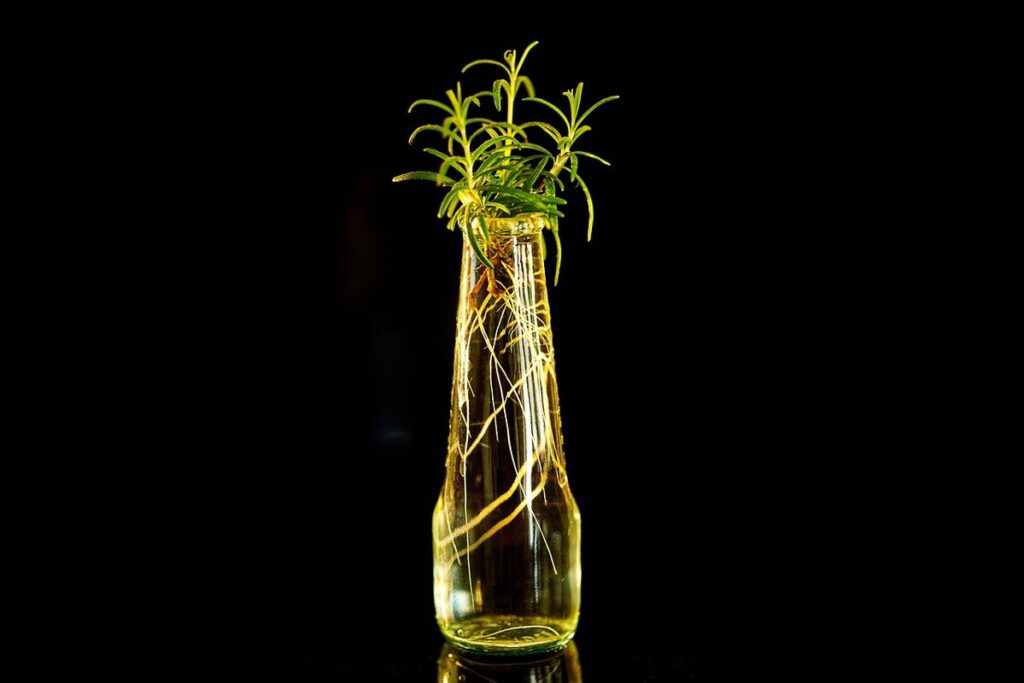
Understanding Rosemary and Its Requirements
To successfully grow rosemary from seed, you’ll need to understand its specific needs, including light, temperature, soil, and watering requirements that can be a bit tricky to get right. Let’s dive into these details together!
Section Overview
To successfully grow rosemary from seed, it’s essential to understand its basic requirements. As a popular herb, rosemary needs specific climate conditions to thrive. Ideally, rosemary prefers warm and dry climates with temperatures between 65-75°F (18-24°C). Avoid planting rosemary in areas prone to frost or excessive moisture, as this can lead to root rot.
When it comes to soil, rosemary requires well-draining soil rich in organic matter. Mix in compost or well-rotted manure to improve the soil‘s structure and fertility. Avoid using heavy clay soils, which can retain too much water and cause root rot.
In terms of light conditions, rosemary needs full sun to partial shade. Direct sunlight for at least six hours a day is ideal, but it can tolerate some shade, especially in warmer climates. When growing rosemary from seed, make sure the pot or garden bed receives sufficient light to promote healthy growth and prevent legginess.
When planting rosemary seeds, consider their natural habitat – Mediterranean regions with dry summers and mild winters. By replicating these conditions, you’ll set your rosemary plants up for success.
Choosing the Right Variety of Rosemary
When it comes to growing rosemary from seed, selecting the right variety is crucial for success. There are over 180 species of rosemary, each with its unique characteristics, growth habits, and uses. As a home gardener, you’ll want to choose a variety that suits your climate, space constraints, and personal preferences.
Some popular varieties of rosemary include ‘Miss Jessopp’s Upright’, a compact, upright-growing rosemary perfect for small gardens or containers; ‘Hill Hardy’, a hardy, frost-resistant rosemary ideal for cooler climates; and ‘Tuscan Blue’, a fragrant, sprawling rosemary well-suited for Mediterranean-style gardens. When selecting a variety, consider the mature size of the plant, its growth rate, and its tolerance to heat, cold, and moisture.
For home gardeners new to growing rosemary from seed, it’s best to start with a compact or dwarf variety that requires minimal maintenance. These varieties are often more forgiving and easier to care for, making them perfect for beginners. Remember to research the specific needs of your chosen variety to ensure optimal growth and success.
Importance of Soil Quality in Rosemary Growth
When growing rosemary from seed, it’s essential to prioritize soil quality, as it significantly impacts the herb’s growth and overall health. Soil pH plays a crucial role in rosemary cultivation; ideally, it should be slightly alkaline, ranging from 6.0 to 7.0 on the pH scale. If your soil is too acidic or basic, it may lead to nutrient deficiencies or toxicity, hindering rosemary growth.
To create an optimal environment for rosemary, ensure adequate nutrient content in your soil. Rosemary requires a balanced mix of essential nutrients like nitrogen, phosphorus, and potassium. You can improve soil fertility by incorporating compost or well-rotted manure into the soil before sowing seeds. Don’t forget to address drainage concerns – rosemary doesn’t thrive in waterlogged conditions. A good rule of thumb is to check the soil moisture regularly; if it feels dry to the touch, it’s time to water. By paying attention to these factors and making adjustments as needed, you’ll be well on your way to cultivating a thriving rosemary crop from seed.
Starting Rosemary from Seed: Preparation and Sowing
Before you begin sowing rosemary seeds, let’s get your growing space ready by preparing the soil and selecting the right containers. This is a crucial step in ensuring healthy seedling growth.
Preparing the Seeds for Germination
When starting rosemary from seed, selecting the right seeds is crucial for high germination rates. Choose fresh seeds from a reputable supplier or save your own seeds from healthy, disease-free plants. Rosemary seeds have a relatively short shelf life and can lose their viability quickly, so use them within 12-18 months of harvesting.
Proper storage techniques are essential to maintain seed quality. Store the seeds in an airtight container, such as a glass jar or envelope, and keep it in a cool, dry place. Avoid storing seeds near direct sunlight, heat sources, or moisture, which can damage the seeds’ embryo. If you’re not planting the seeds immediately, store them in a refrigerator at around 40°F (4°C) to slow down seed deterioration.
Before sowing, prepare the seeds by gently rubbing them between your fingers or with a soft brush to remove any surface debris. This process is called scarification and helps ensure that water can penetrate the seed coat more easily during germination. Be gentle, as excessive pressure can damage the embryo inside the seed.
Optimal Conditions for Seed Germination
When it comes to starting rosemary from seed, providing optimal conditions for germination is crucial. This means creating an environment that mimics the natural conditions of a Mediterranean climate, where rosemary typically thrives.
First and foremost, temperature plays a significant role in seed germination. Rosemary seeds prefer warm temperatures between 65°F to 75°F (18°C to 24°C) for optimal germination. Avoid placing the seeds near drafty windows or air conditioning vents, as cold temperatures can slow down or even prevent germination. If you’re starting your rosemary seeds indoors, a propagation tray or a seed starting mix specifically designed for warm-season crops will provide the right conditions.
In terms of moisture levels, keep the soil consistently moist but not waterlogged. Rosemary seeds typically take 1-2 weeks to germinate, so make sure to maintain a gentle humidity around them by covering the tray with a clear plastic bag or cloche. Once the seeds have germinated and sprouted, reduce watering to about once a week, as rosemary plants are relatively drought-tolerant.
Finally, light requirements for seed germination are also crucial. Rosemary seeds prefer bright, indirect light but can tolerate some direct sunlight. Avoid placing them directly under grow lights or in a spot with intense direct sunlight, which can cause the soil to dry out too quickly. A south-facing windowsill or an east-west facing one is ideal for providing gentle, indirect light.
Sowing Rosemary Seeds Indoors vs. Outdoors
When it comes to starting rosemary seeds, you have two main options: sowing them indoors or directly outdoors. Both methods have their pros and cons, which we’ll explore below.
Sowing rosemary seeds indoors offers several advantages. For one, it allows you to control the environment and ensure optimal growing conditions. You can provide the perfect temperature, light, and humidity for seed germination and early growth. This is especially beneficial in regions with unpredictable or harsh climates. Additionally, indoor sowing reduces the risk of pests and diseases that might affect your plants outdoors.
However, sowing indoors also has some drawbacks. It requires more effort and resources to maintain a suitable environment, such as providing sufficient light through grow lights. You’ll also need to transfer the seedlings outdoors when they’re large enough, which can be a delicate process. Directly sowing rosemary seeds outdoors can be a simpler option, but it’s essential to consider your climate and region. In areas with frost or harsh winters, indoor sowing is often a safer choice.
Consider your local climate and pest situation before deciding where to sow your rosemary seeds. If you live in an area with mild winters, direct sowing outdoors might be suitable. However, if you’re in a region with unpredictable weather or frequent pests, starting indoors may provide better results.
Germination and Early Stages of Growth
Now that you have your seeds prepared, it’s time to talk about what happens next: getting them to germinate and establish their roots in the soil. This crucial phase sets the stage for a healthy rosemary plant.
Monitoring Seed Germination
Regular monitoring is crucial when growing rosemary from seed to ensure that everything is progressing as it should. One of the most significant risks during this period is seed rot and fungal infections, which can severely impact germination rates.
To prevent these issues, keep a close eye on your seeds’ moisture levels. Check them daily, making sure the soil isn’t too wet or dry. A gentle touch will reveal if the seeds feel soggy to the touch; if they do, it’s likely that they’re rotting due to excessive moisture.
Another crucial aspect of monitoring seed germination is keeping track of temperature and humidity. Rosemary seeds typically require a warm environment with temperatures between 65°F to 75°F (18°C to 24°C). High temperatures above 80°F (27°C) can trigger fungal growth, while low temperatures may slow or even halt the germination process.
Monitor your seed trays’ temperature regularly by using a thermometer. Maintain a humid environment during this period but avoid overwatering. A well-ventilated growing area will help prevent moisture from accumulating and promote healthy growth.
Transplanting Seedlings into Larger Containers
When transplanting rosemary seedlings into larger containers, timing is crucial. Wait until they have two to three sets of leaves and their roots have started to fill the container. This usually occurs 2-3 weeks after germination.
Consider using a container that is at least 6-8 inches deep to accommodate the plant’s extensive root system. A pot with good drainage holes is essential, as rosemary prefers well-draining soil to prevent waterlogged conditions.
During the transition process, it’s essential to handle the seedlings gently to avoid damaging their delicate roots. Gently remove them from their original container and place them in a larger one filled with a mix specifically designed for herbs. Water thoroughly, and then reduce watering to once a week, as the increased soil volume will require more time to dry out.
Keep an eye on your transplanted seedlings for signs of stress, such as yellowing leaves or reduced growth. Adjust their care routine accordingly by pruning back any leggy stems or adjusting watering schedules as needed.
First Set of Leaves and Pruning
As you continue to care for your young rosemary seedlings, it’s essential to recognize when they produce their first set of leaves. This usually occurs within 1-2 weeks after germination, and these initial leaves will be small, fragile, and pale green in color. Look closely at the seedling’s crown, as this is where the first true leaves emerge. They may appear as a pair or a cluster, but they’ll quickly grow into the characteristic needle-like shape of mature rosemary.
Now that you’ve identified your rosemary’s first set of leaves, it’s time to prune. Pruning at an early stage promotes bushy growth and encourages your plant to develop a robust root system. Pinch off the top set of leaves when they reach about 1 inch in length, using clean scissors or pruning shears. This will stimulate new growth from the nodes below, resulting in a fuller, more compact plant.
Keep an eye out for pests like spider mites and mealybugs, which can easily infest young rosemary plants. Regularly inspect your seedlings, and if you notice any signs of infestation, treat them promptly with neem oil or insecticidal soap.
Advanced Care Techniques for Mature Rosemary Plants
As your rosemary plants mature, they’ll require more attention and specialized care to maintain their health and flavor. We’ll cover essential tips for nurturing these older plants in the following section.
Fertilization Schedule for Optimal Growth
When it comes to fertilizing mature rosemary plants, understanding the role of nitrogen, phosphorus, and potassium (NPK) ratios is crucial for optimal growth. Nitrogen promotes leafy green growth, while phosphorus encourages root development and flowering. Potassium helps with overall plant health and resistance to disease.
A balanced NPK ratio for rosemary typically falls between 10-20-10 or 15-30-15. However, it’s essential to adjust the ratio according to the season. For example, during the active growth phase (spring-fall), a higher nitrogen content (around 20%) can promote healthy foliage development.
In contrast, during the dormant winter months, reduce nitrogen and increase phosphorus to encourage root storage. Here are some seasonal fertilization recommendations for mature rosemary plants:
* Spring: Apply a balanced fertilizer with an NPK ratio of 10-20-10
* Summer: Use a slightly higher nitrogen content (around 15-30-15) to promote leafy growth
* Autumn: Reduce nitrogen and increase phosphorus (around 5-20-10) for root storage before winter
* Winter: Avoid fertilizing, but if necessary, use a low-nitrogen, high-phosphorus fertilizer to encourage root development
Mulching and Water Conservation
As your rosemary plants mature, it’s essential to implement advanced care techniques to ensure their continued health and productivity. Mulching is a vital practice that not only retains moisture but also regulates soil temperature, which can be particularly beneficial for rosemary plants during hot summer months.
When choosing a mulch, opt for organic materials like wood chips or bark, as they will gradually break down and add nutrients to the soil. Apply a 2-3 inch layer around the base of your rosemary plants, keeping it a few inches away from the stems to prevent rot. This will help retain moisture, suppress weeds, and regulate soil temperature.
During dry spells, water conservation is crucial for mature rosemary plants. Water them deeply but infrequently to encourage deep root growth, which will help them survive droughts more efficiently. Aim to provide about 1-2 gallons of water per plant, depending on the size of your rosemary plants and the level of soil moisture.
Pest and Disease Management Strategies
As your rosemary plant matures, it’s essential to be aware of common pests and diseases that can affect its health. Regular monitoring will help you catch issues early on, preventing damage and promoting a robust plant. Check for signs of infestation or disease such as white powdery patches (powdery mildew), black spots, or actual insects like spider mites or mealybugs.
Natural methods are often the most effective approach to prevent and control pest and diseases in rosemary plants. Here are some strategies you can implement:
* Inspect your plant regularly for signs of infestation or disease.
* Maintain good air circulation around your plant by pruning nearby foliage and providing adequate spacing between plants.
* Avoid overwatering, which creates an ideal environment for fungal growth and pest infestations.
* Spray neem oil on the leaves to repel pests like aphids and whiteflies.
* Mix a solution of 1 tablespoon baking soda per gallon water to treat powdery mildew.
* Isolate affected plants to prevent the spread of disease.
Challenges and Troubleshooting: Common Issues with Growing Rosemary from Seed
Growing rosemary from seed can be a bit finicky, so let’s tackle some common challenges you might encounter, like slow germination and weak seedlings.
Identifying and Correcting Nutrient Deficiencies
Nutrient deficiencies can creep up on even the most attentive gardeners, and rosemary is no exception. One of the first signs of a nutrient deficiency is yellowing leaves, which can be a sign that your soil lacks nitrogen or magnesium. If you notice this happening to your rosemary seedlings, don’t panic – it’s an easy fix.
To correct a nitrogen deficiency, try adding some compost or well-rotted manure to the soil. You can also use a balanced fertilizer at half the recommended strength to avoid burning the roots of your delicate seedlings. On the other hand, if you suspect a magnesium deficiency, try adding some Epsom salt to the water before watering your rosemary.
Preventing nutrient deficiencies is easier than correcting them, though. To maintain optimal soil health, make sure to use a well-draining potting mix and avoid overwatering, which can lead to root rot and a host of other problems. Regularly testing your soil pH can also help you identify potential issues before they arise. By taking these simple steps, you’ll be well on your way to growing healthy, thriving rosemary from seed.
Overcoming Environmental Stressors
When growing rosemary from seed, you may encounter environmental stressors that can impact its growth. Extreme temperatures and frost damage are common issues that can be challenging to overcome. If the temperature drops below 40°F (4°C), rosemary may experience shock, leading to stunted growth or even death.
To cope with frost damage, you can take a few precautions. One strategy is to bring your potted rosemary indoors during winter months when temperatures drop. Alternatively, you can protect your outdoor plants by covering them with a sheet of burlap or a frost blanket. This will help maintain a stable temperature and prevent damage from harsh weather conditions.
If you live in an area prone to extreme heatwaves, ensure that your rosemary seedlings receive adequate water and shade during the hottest part of the day. Keep the soil consistently moist but not waterlogged, as this can lead to root rot and other problems.
Common Pests and Diseases: Prevention and Treatment
When growing rosemary from seed, you may encounter common pests and diseases that can affect its health. One of the most prevalent issues is root rot, which occurs when the soil is too wet or waterlogged. To prevent this, ensure good air circulation around your plants by providing enough space between them. Also, avoid overwatering, as this can lead to fungal growth.
Some common pests that target rosemary include spider mites, mealybugs, and aphids. Regularly inspect your plants for signs of infestation, such as white cottony patches or sticky sap. If you notice any issues, treat your plants with neem oil or insecticidal soap. It’s also essential to maintain good hygiene by removing any debris or weeds that may harbor pests.
In terms of diseases, rosemary is susceptible to powdery mildew and leaf spot. To prevent these conditions, water your plants from below using a drip irrigation system, and avoid getting the leaves wet. If you do notice any fungal growth, apply a fungicide according to the product’s instructions. After treating your plant, make sure to provide it with enough light and air circulation to promote healthy recovery.
In addition to prevention and treatment, aftercare procedures are crucial for maintaining healthy rosemary plants. Regularly prune your plants to encourage bushy growth and prevent them from becoming leggy. This will also help to reduce the risk of pests and diseases.
Frequently Asked Questions
How often should I water rosemary seedlings after germination?
Water your rosemary seedlings gently but thoroughly when the top inch of soil feels dry to the touch. This is usually every 2-3 days during their first month, gradually increasing to once a week as they grow.
Can I propagate rosemary from cuttings instead of seeds?
Yes, you can successfully propagate rosemary from stem cuttings, but this method works best for established plants with mature stems. Cutting the right section and taking care to minimize moisture loss will increase your chances of success.
What are some common pests that target rosemary seedlings, and how do I prevent them?
Common pests like spider mites, mealybugs, and aphids can damage young rosemary seedlings. To prevent infestations, keep your plants indoors until they’re strong enough to withstand outdoor conditions, maintain good air circulation, and inspect for pests regularly.
How long does it take for rosemary seeds to germinate?
Under ideal conditions (65-75°F/18-24°C), rosemary seeds can take anywhere from 1-3 weeks to germinate. However, germination rates may vary depending on the quality of your seeds and the specific climate in which you’re growing.
Can I grow rosemary indoors year-round, or is it essential to move them outside during warmer months?
While it’s technically possible to grow rosemary indoors, outdoor conditions with plenty of sunlight and fresh air can significantly enhance their growth. If you plan on keeping your rosemary plants inside permanently, ensure they’re receiving sufficient artificial lighting and maintaining optimal humidity levels.