
Are you eager to grow your own delicious Roma tomatoes? With their rich flavor, versatility in recipes, and high yields, it’s no wonder why this popular variety is a favorite among gardeners. But growing healthy and productive Roma tomato plants requires more than just throwing some seeds in the ground. You need to know the best selection techniques, how to provide optimal care, and be aware of common pests and diseases that can wreak havoc on your crop.
In this comprehensive guide, we’ll walk you through everything you need to know to grow succulent and healthy Roma tomatoes. From selecting the perfect varieties for your climate to harvesting tips and tricks, we’ve got you covered. Whether you’re a seasoned gardener or just starting out, our expert advice will help you achieve success with these popular tomato plants.
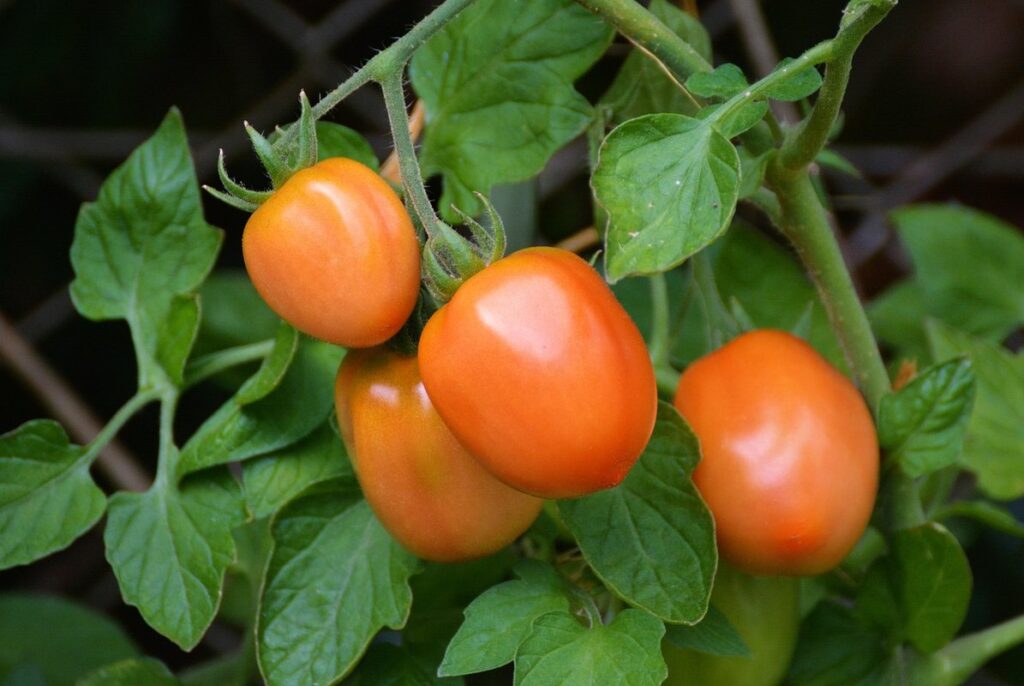
Understanding Roma Tomatoes: A Brief Overview
Let’s start with the basics, shall we? In this next section, we’ll dive into what makes Roma tomatoes so unique and why they’re a favorite among gardeners.
What are Roma Tomatoes?
Roma tomatoes are one of the most popular and versatile varieties among gardeners. Their unique characteristics make them an ideal choice for canning, sauces, and fresh eating. One of their distinguishing features is their elongated shape, typically around 5-7 inches long and about 1-2 inches in diameter. This compact size allows for easy handling and storage.
What sets Roma tomatoes apart from other varieties is their dense flesh. When cooked, they retain a lot of their natural juices, making them perfect for sauces and soups. Their low water content also means that they have less risk of spoilage, extending their shelf life.
Roma tomatoes are also known for their minimal seeds and few cores, which makes them easy to prepare for canning or fresh use. With their robust flavor and high acidity level, Roma tomatoes pair well with a variety of herbs and spices, making them a favorite among chefs and home cooks alike. Whether you’re growing them for personal consumption or looking to supply your family and friends, understanding the characteristics and uses of Roma tomatoes is essential for any gardener.
History of Roma Tomatoes
Roma tomatoes have a rich history that dates back to Italy, where they were specifically bred for their unique characteristics. These tomatoes were developed from Italian plum tomatoes, which were prized for their dense, meaty flesh and low water content. The original purpose of Roma tomatoes was canning – farmers wanted to create a variety that could withstand the heat of the canning process without breaking apart or losing its texture.
To achieve this goal, breeders crossed Italian plum tomatoes with other varieties to produce a tomato that was both dense and had a higher solid content. This led to the creation of Roma tomatoes as we know them today – elongated, blocky in shape, and packed with juice. The result was a tomato perfect for canning, sauces, and cooking down into concentrated flavors.
Today, Roma tomatoes are grown worldwide for their exceptional canning qualities. Their dense flesh makes them ideal for processing, while their flavor profile is often described as sweet and slightly acidic. Whether you’re a seasoned gardener or just starting out, understanding the history of Roma tomatoes will help you appreciate their unique characteristics and how to best utilize them in your cooking.
Choosing the Right Variety: Tips for Selecting Roma Tomato Plants
When selecting Roma tomato plants, you’ll want to consider factors such as disease resistance and growth habits to ensure a bountiful harvest. Here’s how to choose the right variety for your needs.
Factors to Consider When Selecting a Roma Tomato Variety
When selecting a Roma tomato variety, there are several key factors to consider. Disease resistance is a crucial factor to think about, especially if you’re new to growing tomatoes. Some popular varieties, such as ‘Roma VF’ and ‘Patio Roma’, have built-in disease resistance, making them ideal for gardeners who want low-maintenance plants.
Growth habits are another important consideration. If you have limited space or prefer a more compact plant, look for varieties like ‘Tiny Tim’ or ‘Red Robin’, which mature to be around 1-2 feet tall. On the other hand, if you have plenty of space and want to grow a larger Roma tomato plant, consider ‘Roma Verna’ or ‘Roma Gigante’, which can reach up to 3-4 feet in height.
In addition to disease resistance and growth habits, consider the flavor profile of the variety. Some Roma tomatoes are bred for their high acidity and sweetness, while others have a more complex flavor profile with notes of earthy undertones. Choose a variety that suits your taste preferences and cooking needs.
Popular Roma Tomato Varieties
Roma tomato plants are known for their elongated shape and dense, meaty flesh, making them perfect for canning and sauces. But did you know there are many popular Roma tomato varieties to choose from? Let’s take a look at some of the most sought-after ones.
One of the most widely grown Roma varieties is ‘Roma VF’, known for its exceptional flavor and high yields. This variety requires full sun (at least 6 hours of direct sunlight) and well-drained soil with a pH between 6.0-7.0. Another popular choice is ‘Amish Paste’, prized for its sweet, tangy taste and low acidity.
For gardeners in warmer climates, ‘San Marzano’ is an excellent option. Its compact growth habit makes it perfect for smaller spaces, while its high sugar content results in a sweeter flavor. Lastly, ‘Pomodoro’ is a favorite among chefs due to its rich, intense flavor and firm texture.
When selecting Roma varieties, remember to research their specific growing requirements to ensure you can provide the right conditions for optimal growth.
Planting and Soil Preparation for Optimal Growth
Before you start planting, let’s get your Roma tomato plants off to a great start by preparing the soil for optimal growth. This is where things can go right or wrong, so we’ll cover it all here!
Preparing the Soil for Your Roma Tomatoes
When preparing the soil for your Roma tomato plants, it’s essential to get it right from the start. Healthy plant growth begins with a well-prepared soil that provides optimal conditions for nutrient uptake and root development. The first step is to test the pH levels of your soil. You can purchase a soil testing kit or send a sample to a laboratory for analysis.
Most vegetable crops, including Roma tomatoes, prefer a slightly acidic to neutral soil pH between 6.0 and 7.0. If your soil’s pH level falls outside this range, you’ll need to amend it accordingly. For example, if your soil is too alkaline (high pH), you can add sulfur or peat moss to lower the pH. Conversely, if your soil is too acidic, adding lime will help raise the pH.
Keep in mind that Roma tomatoes are sensitive to extreme pH levels, so it’s crucial to get this step right. A general rule of thumb is to aim for a balanced mix of compost, well-rotted manure, and perlite or vermiculite to create an ideal growing medium. By testing and adjusting your soil’s pH levels, you’ll be creating a solid foundation for your Roma tomato plants to thrive.
Planting Techniques for Maximum Yield
When it comes to planting roma tomato plants for maximum yield, it’s essential to get the technique right. To begin with, spacing is crucial. Plant seedlings 2-3 feet apart, depending on their expected growth and spread. This allows for good air circulation, which is vital in preventing diseases like fusarium wilt.
For taller varieties, provide support early on using tomato cages or trellises. These not only keep the plants upright but also make harvesting easier. You can start by placing a stake next to each seedling as it grows and gently tie it with twine. As the plant reaches the top of the cage or trellis, remove any weak growths to encourage upward growth.
Keep in mind that too much support can be detrimental, so avoid over-tightening or using metal supports that might damage the stem. Instead, opt for gentle guidance to prevent damage and promote healthy growth.
Care and Maintenance: Watering, Pruning, and Pest Control
Now that you’ve planted your Roma tomatoes, let’s dive into the essential care and maintenance tasks to keep them healthy and thriving throughout their growing season. Proper watering, pruning, and pest control are crucial for a bountiful harvest.
Proper Watering Practices for Roma Tomatoes
When it comes to growing delicious and healthy Roma tomatoes, proper watering practices are crucial. Without sufficient water, these plants can quickly become stressed, leading to reduced yields and flavor. On the other hand, overwatering can be just as detrimental, causing root rot and a range of other problems.
To avoid both extremes, start by checking the soil moisture daily. Stick your finger into the soil up to the first knuckle, and if it feels dry, it’s time for watering. The general rule is to provide about 1-2 inches of water per week, either from rainfall or irrigation. For young plants, this means watering every 3-4 days during hot weather.
It’s also essential to consider the soil type and its ability to retain water. Sandy soils dry out quickly, while clay soils can become waterlogged. Adjust your watering schedule accordingly, taking into account factors like climate, temperature, and plant maturity. By paying attention to these details, you’ll be well on your way to growing a bountiful harvest of juicy Roma tomatoes.
Pruning Techniques for Encouraging Fruit Production
Pruning techniques are a crucial aspect of growing healthy and productive Roma tomato plants. By strategically pruning your plant, you can encourage more fruit production, improve air circulation, and reduce disease susceptibility. Tip-pruning is one method where you remove the tips of the stems to promote branching and increase yields. This technique is particularly useful for indeterminate varieties like the Roma tomato.
Another technique is suckering, which involves removing lower-growing branches to direct the plant’s energy towards producing fruit on the upper growths. By removing these weak or spindly branches, you allow your plant to focus its resources on developing more robust and productive stems.
When pruning, be sure to make clean cuts just above a node (the point where a leaf meets the stem), using sharp, sterile tools to prevent spreading disease. Regular pruning also helps maintain the plant’s overall shape and structure, ensuring better air circulation and sunlight penetration – both essential for healthy fruit production.
Common Pests and Diseases: Prevention and Treatment Options
As you nurture your Roma tomato plants, it’s essential to be aware of common pests and diseases that can threaten their health, so let’s explore prevention and treatment options together.
Identifying Common Roma Tomato Pests
When growing Roma tomato plants, it’s essential to be aware of common pests that can damage your crop. Two of the most notorious pests that target Roma tomatoes are hornworms and aphids.
Hornworms are large, green caterpillars with a distinctive horn on their rear end. They feed on tomato leaves and fruits, causing significant damage and reducing plant growth. To identify hornworms, look for irregular holes in leaves or stems, and check the underside of leaves for the telltale horn. Hand-picking is an effective control method, but be sure to remove any eggs you may find on nearby plants.
Aphids, on the other hand, are small, soft-bodied insects that feed on plant sap. They secrete a sticky substance called honeydew, which attracts ants and promotes fungal growth. To identify aphids, look for clusters of tiny, pear-shaped insects on stems or leaves. Use neem oil or insecticidal soap to control aphid populations, and apply these products in the early morning or evening when the sun is not intense.
Regularly inspecting your plants will help you catch infestations before they get out of hand.
Disease Prevention and Treatment Strategies
When growing Roma tomato plants, it’s essential to be aware of potential diseases that can affect their health. Two common issues are powdery mildew and fusarium wilt, which can significantly impact yields if left unchecked. To prevent these problems, maintain good air circulation around the plants by spacing them at least 18-24 inches apart. This will help reduce humidity levels and make it more difficult for fungal spores to spread.
Additionally, ensure that your Roma tomato plants receive adequate sunlight – at least six hours of direct sunlight per day. This will also promote healthy growth and increase resistance to disease. Regularly inspect your plants for signs of disease, such as yellowing leaves or white powdery patches on the surface. If you notice any issues, remove affected areas immediately to prevent further spread.
In case of an outbreak, treatment options include using fungicides specifically labeled for use on tomatoes. For powdery mildew, a 1:10 solution of baking soda and water can also be effective in preventing its spread. To avoid these diseases altogether, use disease-resistant Roma tomato varieties or implement crop rotation techniques to minimize the risk of soil-borne pathogens.
Harvesting and Storage: Tips for Enjoying Your Fresh Roma Tomatoes
Now that your Roma tomatoes are ripe, learn how to carefully harvest them and store them properly to enjoy their sweet flavor all season long. Proper storage ensures peak freshness and quality.
When to Expect Harvests from Your Roma Tomato Plants
As you tend to your Roma tomato plants, it’s essential to know when to expect those first juicy fruits. Typically, Roma tomatoes are ready for harvest 60-90 days after sowing the seeds, depending on factors like weather conditions and soil quality.
To monitor for ripeness, gently lift a fruit from the plant and give it a little tug. If it comes off easily, it’s likely ripe. You can also check the color – Roma tomatoes are usually red or yellow when fully ripe. However, keep in mind that some varieties may retain their green hue even when ripe.
Another way to determine ripeness is by gently pressing the skin around the stem end of the fruit. If it yields slightly, it’s ready to be picked. Avoid over-ripening your Roma tomatoes, as they will quickly become soft and mealy. Harvest them regularly to encourage the plant to produce new growth, ensuring a bountiful harvest throughout the season.
In ideal conditions, you can expect multiple harvests from a single Roma tomato plant, with some varieties producing up to 20 pounds of fruit per season!
Storing and Preserving Roma Tomatoes
When it’s time to store and preserve your Roma tomatoes, you want to make sure they remain fresh for as long as possible. Freezing is a fantastic way to enjoy these delicious tomatoes year-round. Before freezing, blanch the tomatoes in boiling water for 10-15 seconds to inactivate enzymes that cause spoilage. Then, immediately submerge them in an ice bath and let them cool. Once cooled, package the Roma tomatoes in airtight containers or freezer bags, making sure to remove as much air as possible before sealing.
Another great option is canning, which allows you to preserve your Roma tomatoes for up to 12 months. To can, start by preparing your tomatoes according to your preferred recipe. Next, pack them into clean, hot jars, leaving about 1/2 inch of space at the top. Process the jars in a boiling water bath for 15-20 minutes, then let them cool before storing in a cool, dark place.
You can also try dehydrating or making sauces and soups to preserve your Roma tomatoes for later use.
Frequently Asked Questions
How do I know if my Roma tomato plant is receiving enough water?
Make sure to check the soil moisture by inserting your finger about an inch deep into the soil. If it feels dry, it’s time for watering. Also, keep an eye on your plants’ leaves; if they start to wilt, increase the frequency of watering.
Can I grow Roma tomatoes in containers or do they require a lot of space?
Roma tomatoes can thrive in containers as long as they receive at least 6 hours of direct sunlight and have good drainage. Use a large container with a minimum depth of 12-18 inches to accommodate the plant’s root system. This will ensure optimal growth.
What are some common mistakes gardeners make when growing Roma tomatoes?
Some common mistakes include overwatering, which can lead to disease and root rot; poor pruning techniques that stunt fruit production; and inadequate support for the plants as they grow. Be mindful of these potential pitfalls to avoid disappointing harvests.
Can I grow Roma tomatoes in areas with poor soil quality or frost-prone regions?
While Roma tomatoes prefer well-draining, fertile soil, you can still grow them in areas with poor soil quality by adding organic matter like compost or manure to improve the soil structure. For frost-prone regions, choose a variety that is resistant to frost damage, such as ‘Patio’ or ‘Tiny Tim’.