
Raspberries are one of the most delicious and nutritious fruits you can grow in your own backyard. Not only do they add a burst of sweetness to oatmeal, yogurt, or salads, but they’re also packed with antioxidants and vitamins. If you’re new to growing raspberries, you might be wondering where to start – choosing the right location, selecting the best variety, and ensuring optimal growth conditions are all crucial steps in successfully cultivating these delectable plants.
In this article, we’ll take you through everything you need to know about growing and caring for raspberry plants. From planting and pruning techniques to fertilizing and pest management strategies, our expert tips will help you grow a bountiful harvest of juicy raspberries right in your own garden. We’ll cover the essentials of harvesting and storing your fresh raspberries, ensuring they stay ripe and flavorful for as long as possible. Whether you’re an experienced gardener or just starting out, this guide has everything you need to know to become a raspberry-growing pro!
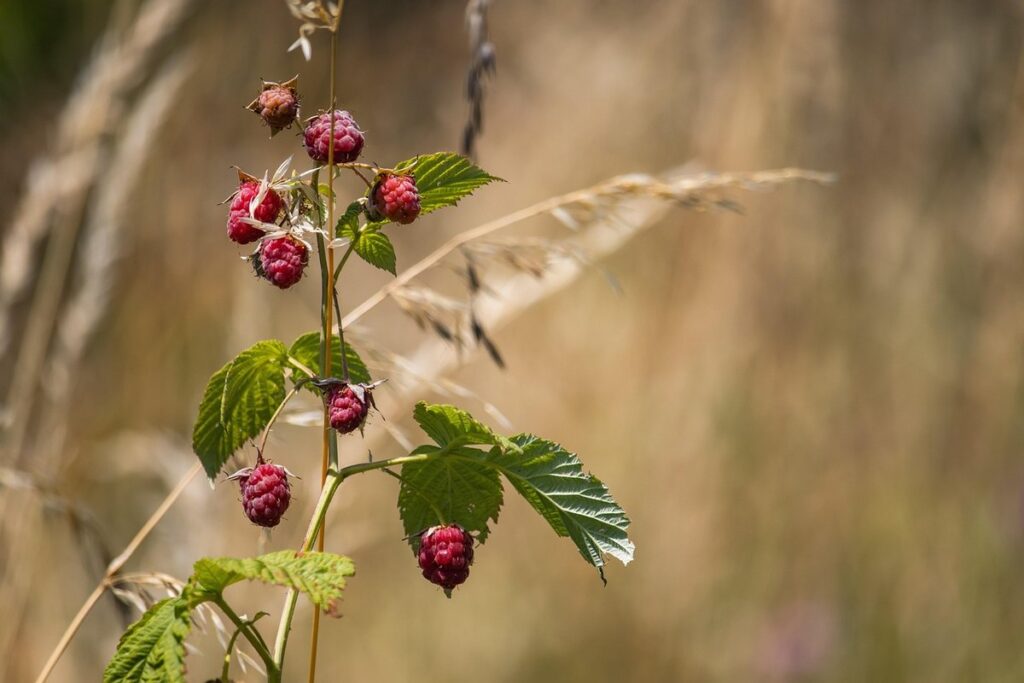
Understanding Raspberry Plant Basics
To grow delicious raspberries, it’s essential to understand their basic needs and characteristics, such as how they thrive in different conditions and what types of care are required. Let’s dive into these fundamental aspects together!
What are Raspberries?
Raspberries are one of the most popular and nutritious fruits globally, prized for their unique flavor, texture, and numerous health benefits. Botanically speaking, raspberries belong to the genus Rubus and are classified as aggregate fruits, meaning they’re formed from multiple ovaries in a single flower.
One of the distinctive characteristics of raspberries is their hollow, cone-shaped structure, which consists of tiny drupelets attached to a central stem. This unique formation allows raspberries to retain moisture and flavor, making them a favorite among fruit enthusiasts. Raspberries are also relatively low-maintenance compared to other fruits, requiring minimal care and handling.
There are over 200 species of raspberries worldwide, with the most common being the red raspberry (Rubus idaeus) and the yellow raspberry (Rubus caesius). Some varieties are specifically bred for their sweet-tart flavor, while others excel in terms of nutritional content or disease resistance. By understanding these unique characteristics, you can choose the perfect raspberry variety to suit your taste preferences, growing conditions, and care abilities.
Types of Raspberries
When it comes to growing raspberries, understanding the different types is crucial for selecting the right variety for your garden. There are primarily three main categories: summer-bearing, fall-bearing, and everbearing raspberries. Summer-bearing varieties, such as ‘Summit’ or ‘Autumn Bliss’, produce one large crop in mid-to-late summer. These plants typically require a period of cold winter chill to induce flowering, making them ideal for areas with a distinct winter season.
Fall-bearing varieties, like ‘Heritage’ or ‘Autumn Gold’, ripen their fruit later in the summer and continue into early fall. They often produce smaller crops but have a longer harvest window than summer-bearing types. Everbearing raspberries, exemplified by ‘Fall Gold’ or ‘Polka’, consistently produce two to three smaller crops throughout the growing season. This trait makes them a great choice for gardeners with limited space or those who prefer staggered harvests.
Each type of raspberry has its own unique growth habits and requirements. Summer-bearing varieties tend to be more compact, while fall-bearing types often spread wider. Everbearing raspberries can become quite sprawling. By choosing the right type based on your specific climate and growing conditions, you’ll be well on your way to enjoying a bountiful harvest of delicious homegrown raspberries.
Climate and Soil Requirements
When it comes to growing raspberries, understanding their ideal climate and soil conditions is crucial for a bountiful harvest. Raspberries are a temperate crop that thrives in areas with cool winters and warm summers.
In terms of temperature, raspberries prefer daytime temperatures between 65°F (18°C) and 75°F (24°C), while nighttime temperatures should be around 55°F (13°C). This temperature range allows for optimal growth and fruit production. Avoid planting raspberries in areas with extremely hot or cold temperatures, as this can lead to reduced yields or plant damage.
When it comes to sunlight, raspberries need full sun to produce well, so choose a location that receives at least 6 hours of direct sunlight per day. As for soil pH, raspberries prefer a slightly acidic to neutral soil pH, ranging from 5.5 to 7.0. Test your soil pH before planting and amend it if necessary.
In terms of specific requirements, make sure the soil is well-draining and rich in organic matter. Add compost or well-rotted manure to improve soil fertility and structure. By meeting these climate and soil conditions, you’ll be well on your way to growing delicious and healthy raspberries.
Planting and Establishing Raspberry Plants
When planting raspberries, it’s essential to choose a spot that receives full sun and has well-draining soil. Follow these steps for successful establishment of your new raspberry plants.
Choosing the Right Location
When choosing the right location for your raspberry plants, it’s essential to consider several key factors. First and foremost, think about sunlight: raspberries need full sun to produce an abundance of fruit, so select a spot that receives at least six hours of direct sunlight per day. Additionally, avoid areas with dense shade or heavy tree cover, as this can impede plant growth and fruit production.
Wind protection is another critical consideration. Raspberry plants are relatively delicate and can be damaged by strong winds, which can also lead to disease transmission. Look for a location that provides some windbreak, such as a fence or a row of evergreen trees.
Accessibility is also crucial when planting raspberries. Choose a spot that’s easily accessible for regular maintenance tasks like watering, fertilizing, and pruning. Avoid areas with steep slopes or uneven terrain that could make it difficult to tend to your plants. By considering these factors, you’ll be well on your way to creating an ideal environment for your raspberry plants to thrive.
Preparing the Soil
Before planting your raspberry bushes, it’s essential to prepare the soil properly. This involves adding organic matter and adjusting the pH levels to create an environment that is conducive to healthy growth.
To start, test the pH level of your soil using a soil testing kit or by sending a sample to a lab for analysis. Most raspberries prefer a slightly acidic to neutral soil pH between 6.0 and 7.0. If your soil’s pH is outside this range, you may need to add lime to raise it or sulfur to lower it.
In terms of organic matter, compost or well-rotted manure are excellent additions to the soil. These will help improve drainage, aeration, and nutrient availability for the plants. Mix in 2-3 inches of compost or manure into the top 6-8 inches of soil before planting. You can also use mulch to retain moisture and suppress weeds.
Additionally, raspberries prefer well-draining, fertile soil with a mix of sand, silt, and clay. If your soil is heavy clay or sandy, consider amending it with organic matter or other amendments to improve its structure. By taking the time to prepare your soil properly, you’ll set your raspberry plants up for success and enjoy a bountiful harvest in the years to come.
Planting Raspberry Cane Cuttings or Seedlings
When it comes time to plant your raspberry canes or seedlings, proper spacing, depth, and watering are crucial for their success. To start, choose a location that receives full sun and has well-draining soil with a pH between 5.5 and 6.5.
For planting canes, dig a hole about 1-2 inches deeper than the root system of the cane. Space them 12-18 inches apart for summer-bearing varieties or 24-36 inches apart for fall-bearing varieties. Gently spread the roots outwards and then fill in the soil with a mix of compost and existing soil. Water thoroughly to settle the soil.
Seedlings, on the other hand, can be planted at the same depth as they were previously grown. Space them about 12-18 inches apart. Plant seedlings in the spring or fall when the weather is cooler, and water regularly during their first growing season. Avoid overwatering, which can lead to root rot and poor growth.
Remember, consistent moisture during the first year will help establish a strong foundation for your raspberry plants to thrive in subsequent years.
Raising Healthy Raspberries Plants
To grow healthy and thriving raspberry plants, it’s essential to establish a strong foundation from planting to maturation, and here are some key tips to help you succeed.
Fertilizing Raspberries
When it comes to fertilizing raspberries, you’ll want to choose a fertilizer that’s rich in nutrients, especially nitrogen, phosphorus, and potassium. A balanced fertilizer with a 10-10-10 NPK ratio is a good starting point. However, if your soil test indicates specific nutrient deficiencies, opt for a fertilizer tailored to those needs.
Apply the fertilizer according to package instructions or follow these general guidelines: In early spring, before new growth begins, spread 1-2 pounds of fertilizer per mature plant around the base of the canes. For established plants, a summer application in mid-to-late July is beneficial, as this is when raspberries produce fruit.
Timing is crucial to ensure your raspberry plants receive nutrients during critical growth periods. Avoid applying high-nitrogen fertilizers in late summer or fall, as this may promote new growth that’s susceptible to winter damage.
In terms of organic options, consider composted manure, fish emulsion, or bone meal. These slow-release fertilizers provide long-term benefits without burning your plants’ roots. Always follow recommended application rates and guidelines for safe use to avoid harming your raspberries.
Pruning and Training Raspberry Cane
Pruning and training raspberry canes is an essential aspect of growing healthy raspberries. Regular pruning not only promotes healthy growth but also increases yields and maintains the plant’s shape. It’s a good idea to prune your raspberry canes annually, removing any dead or damaged stems to prevent disease from spreading.
When it comes to pruning, focus on cutting back the tips of new canes by about one-third in late winter or early spring. This encourages bushy growth and prevents them from becoming leggy. Remove any weak or spindly canes altogether as they will not produce fruit well.
For established plants, prune out any old, woody stems that no longer produce new canes. This will help to promote air circulation around the plant, reducing the risk of disease. For summer-bearing varieties, wait until after harvesting to prune back the stems to about 4-6 inches from ground level.
By pruning and training your raspberry canes regularly, you’ll be rewarded with healthier plants that produce more fruit over time. Don’t forget to also mulch around the base of the plant to retain moisture and suppress weeds, further promoting healthy growth.
Managing Pests and Diseases
Pests like aphids, spider mites, and Japanese beetles can wreak havoc on your raspberry plants. These tiny critters feed on sap, weakening the plant’s defenses and making it more susceptible to disease. Aphids, in particular, are notorious for spreading viruses like Raspberry Bushy Dwarf Virus (RBDV). To prevent infestations, inspect your plants regularly and use neem oil or insecticidal soap as a gentle deterrent.
Diseases such as powdery mildew, rust, and crown gall can also decimate your raspberry crop. Powdery mildew, caused by fungi like Sphaerotheca macularis, appears as white powder on leaves. To control it, remove infected leaves, improve air circulation, and apply fungicides containing sulfur or copper.
Prevention is key to maintaining healthy plants. Implement good hygiene practices, such as disposing of infested or diseased material, cleaning tools regularly, and avoiding overhead watering. Rotate crops and ensure adequate spacing between plants to reduce pressure on the soil ecosystem.
Raspberries Harvesting and Storage
To get the most out of your raspberry crop, it’s essential to know when to harvest and how to store them properly. Learn how to handle raspberries from ripe to refrigerated.
Timing the Harvest
Harvesting raspberries at their optimal ripeness is crucial to ensure they remain fresh and flavorful. The ideal time for harvesting depends on several factors, including weather conditions, plant maturity, and color change.
As a general rule of thumb, raspberries are usually ready to pick about 5-7 days after they have turned from green to a vibrant red or yellow color, depending on the variety. However, this can vary depending on the specific growing conditions. For instance, if you’re experiencing a warm and dry spell, your berries may ripen more quickly.
To determine if your raspberries are ready, gently grasp one between your thumb and index finger and twist it slightly. If it comes off easily, it’s likely ripe and ready to eat. It’s essential to check the berries regularly as they can quickly go from perfectly ripe to overripe and mushy.
It’s also worth noting that raspberries are typically more tender and sweeter when picked in the morning after a light frost, which helps break down some of the cell walls making them even tastier.
Handling and Storing Fresh Raspberries
When it comes to enjoying fresh raspberries throughout the season, proper handling and storage are crucial to maintain their quality and prevent spoilage. To keep your raspberries fresh for a longer period, handle them gently to avoid bruising or crushing the delicate fruit.
To store fresh raspberries, place them in a single layer on a paper towel-lined container or tray. This helps absorb excess moisture and prevents mold from forming. Store them in the refrigerator at a consistent temperature below 40°F (4°C). Avoid washing raspberries before storing, as excess moisture can lead to spoilage.
Another effective method is to store fresh raspberries in an airtight container with a paper towel or cloth to maintain humidity levels. You can also freeze fresh raspberries for later use by spreading them on a baking sheet and transferring them to a freezer-safe bag once frozen solid.
Keep your stored raspberries away from strong-smelling foods, as they can absorb odors easily. Regularly check on the stored raspberries for any signs of spoilage and consume or discard them promptly.
Advanced Raspberry Plant Care Techniques
To take your raspberry plant care to the next level, we’ll explore some advanced techniques for pruning, fertilizing, and protecting these fragile yet resilient plants.
Propagating Raspberries through Division or Cuttings
Propagating raspberry plants through division or cuttings is an effective way to multiply your favorite varieties and share them with friends. Timing is crucial for successful propagation: spring and early summer are ideal times for division, while fall is best for taking cuttings.
To divide raspberry canes, wait until they’re dormant, usually around February or March. Dig up the entire plant, gently separating the roots using a fork. Identify the new growth at the base of each cane and separate it from the main stem, making sure each section has at least one “eye” (the small, swollen buds that produce new growth). Replant the divided sections in well-draining soil, about 12-18 inches apart.
For taking cuttings, select healthy canes with at least six weeks of new growth. Cut a 6-8 inch piece from the tip of the cane, just above a node (where a leaf meets the stem). Remove lower leaves and any weak or damaged growth. Plant the cutting in moistened potting mix, firming the soil gently around it. Keep the soil consistently moist but not waterlogged until roots develop. With proper care, division and cuttings can yield success rates of up to 80%.
Using Supports and Trellises for Raspberries
As your raspberry plants grow, they’ll need some support to keep them upright and promote healthy growth. This is where supports and trellises come into play. Using these tools will not only help maintain the plant’s structure but also improve yields and make harvesting easier.
When choosing a support system for your raspberries, consider a sturdy trellis or stake that can withstand wind and rain. For smaller plants, a simple bamboo stake will suffice, while larger varieties may require more substantial support. You can install the stakes at planting time or later in the season as needed.
Training your raspberry canes onto a trellis is straightforward: simply tie them to the wires using twine or wire. Be sure to leave enough space between the canes for air circulation and sunlight penetration. Regularly inspect your plants’ support system, adjusting it as necessary to prevent damage from wind or heavy fruit loads.
A well-planned support system will pay dividends in terms of reduced plant loss and improved berry quality.
Troubleshooting Common Raspberry Plant Issues
Don’t let common problems get in the way of a bountiful harvest – we’ll address issues like yellowing leaves, pests, and fungal diseases to help you save your raspberry plants.
Identifying Causes of Poor Growth or Yield
Identifying the cause of poor growth or yield is crucial to resolving the issue and getting your raspberry plants back on track. Low yields can be caused by a variety of factors including inadequate sunlight, insufficient water, and nutrient deficiencies. For instance, if your plants are not receiving enough direct sunlight, their energy levels may be compromised, resulting in stunted growth.
On the other hand, inconsistent watering can cause stress to the plant, leading to reduced fruit production. Nutrient deficiencies such as lack of potassium, magnesium, or phosphorus can also significantly impact yield. To identify nutrient deficiencies, look for yellowing leaves, curled or distorted leaves, and weak stalks.
Check your soil pH levels and amend them if necessary, as raspberries prefer a slightly acidic environment with a pH between 5.5 and 6.5. Regularly inspect your plants for signs of pests or diseases, such as aphids, spider mites, or fungal infections, which can weaken the plant and reduce yield.
By pinpointing the cause of poor growth or yield, you can take targeted actions to address the issue and promote healthy growth in your raspberry plants. Keep a close eye on your plants’ progress, and make adjustments to their care routine as needed.
Managing Unwanted Raspberries Growth
If you’re finding that unwanted raspberry growth is taking over your garden or yard, don’t worry – it’s a common problem many raspberry enthusiasts face. Invasive varieties can quickly spread beyond control, crowding out other plants and causing damage to nearby structures.
The primary culprit behind unwanted raspberry growth is typically the ‘Autumn Bliss’ or ‘Heritage’ varieties, which are known for their vigorous spreading habits. These plants have an aggressive root system that allows them to produce new shoots and roots easily, making them nearly impossible to eradicate once they’ve taken hold.
To manage these invasive plants, start by identifying the areas where the unwanted growth is occurring. Cut back the canes as close to ground level as possible using a sharp pruning tool or loppers. For more mature plants, you may need to use a saw or even a machete to remove the thicker stems.
Next, apply a herbicide specifically designed for root systems. Be cautious when handling herbicides and follow all safety guidelines carefully. Apply the herbicide directly to the cut stumps or along the roots, taking care not to overspray surrounding plants. Monitor the area closely over the next few weeks, removing any new growth that emerges.
It’s worth noting that prevention is often the best approach. To minimize the risk of invasive raspberry growth in your garden, choose varieties known for their more compact growth habits, such as ‘Fall Gold’ or ‘Polka’. Regular pruning and maintenance will also help keep these plants under control.
Frequently Asked Questions
How do I know when my raspberry plants are ready to produce fruit?
Raspberry plants typically take 1-2 years after planting before they start producing fruit. Keep an eye on your plant’s growth, and if you notice a noticeable increase in cane length, it’s likely preparing for fruiting.
Can I grow raspberries in containers or do they require a lot of space?
While traditional raspberry varieties prefer extensive ground, compact or dwarf varieties can thrive in large containers (at least 12-18 inches deep). Choose the right variety and ensure proper drainage to support healthy growth.
What are some common pests that target raspberry plants, and how can I prevent infestations?
Common raspberry pests include aphids, Japanese beetles, and cane borers. Practice integrated pest management by using physical barriers (like fine mesh), introducing beneficial insects, and applying targeted insecticides only when necessary.
How do I store raspberries to maintain their freshness for an extended period?
Raspberries are highly perishable and should be consumed within a few days of harvest. To extend shelf life, store them in the refrigerator at 32°F (0°C), away from direct sunlight. Avoid washing before storage; instead, gently brush off any dirt with a soft-bristled brush.
Can I grow multiple types of raspberries together in the same garden?
While some raspberry varieties are more compatible than others, it’s generally recommended to grow single species per bed to avoid potential issues like disease transmission and competition for resources.