
Growing radishes in a greenhouse can be a game-changer for gardeners who want to enjoy a quick and rewarding harvest. These fast-growing roots are perfect for adding some crunch and flavor to salads, sandwiches, and other dishes. However, growing radish in a controlled environment like a greenhouse requires careful planning to ensure optimal results. Climate control is crucial, as radishes prefer cool temperatures between 60-75°F (15-24°C) to thrive.
In this comprehensive guide, we’ll walk you through the essential tips for growing radish in a greenhouse, including climate management, soil preparation, and pest control strategies. Whether you’re a seasoned gardener or just starting out, our expert advice will help you overcome common challenges and achieve bountiful harvests with ease. By following these simple steps, you’ll be enjoying fresh, homegrown radishes in no time!
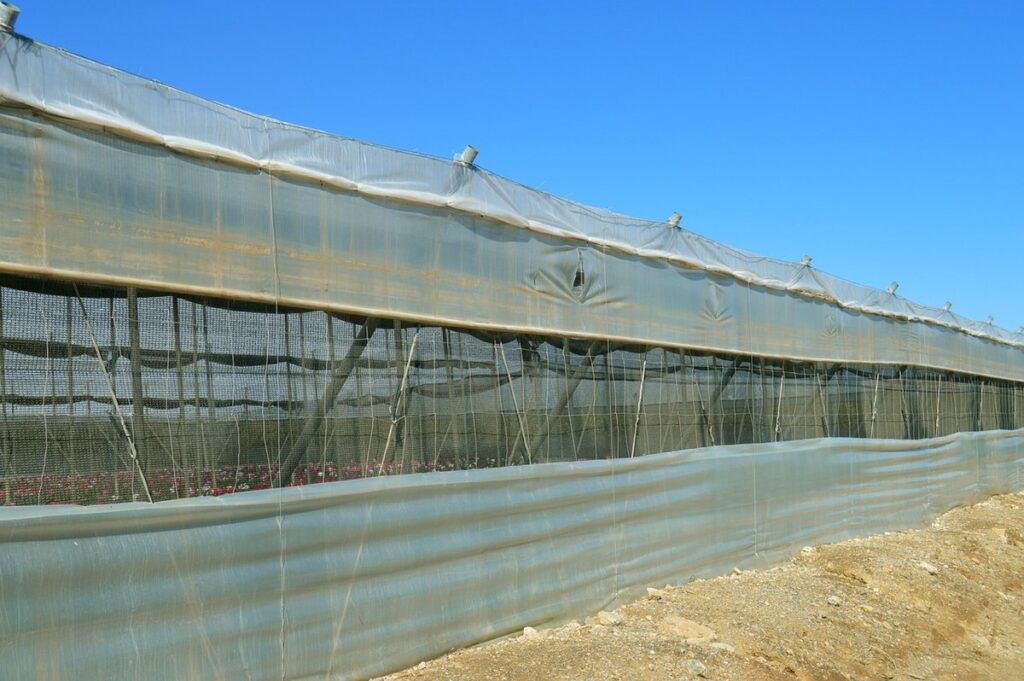
Understanding Radish Growth Requirements
To grow healthy radishes, it’s essential to understand their specific needs for optimal growth, including light, temperature, and soil requirements. This section breaks down these key factors to ensure your greenhouse-grown radishes thrive.
Section 1.1: Climate and Temperature Needs
When growing radishes in a greenhouse, it’s essential to understand their temperature requirements. Radishes prefer cooler temperatures, especially during germination and early growth stages. The ideal temperature for germination is between 65°F (18°C) and 75°F (24°C), with consistent moisture levels to prevent drying out.
As the plants mature, they can tolerate warmer temperatures up to 80°F (27°C). However, prolonged exposure to heat above 85°F (29°C) can lead to bolting, causing the radish tops to grow before the roots are fully developed. To maintain optimal growth conditions in your greenhouse, aim for a temperature range of 70°F (21°C) to 75°F (24°C).
It’s also crucial to consider ventilation and air circulation within the greenhouse. Radishes need well-distributed air movement to prevent fungal diseases that thrive in stagnant environments. By regulating the temperature and providing adequate airflow, you can create an ideal environment for radish growth and ensure a bountiful harvest.
Section 1.2: Soil and Nutrient Optimization
When growing radishes in a greenhouse, it’s essential to create an optimal soil environment that promotes healthy growth. Well-draining soil is crucial for radish roots to develop properly, so make sure the soil mix you use is specifically designed for root vegetables like radishes.
Maintaining the right pH level is also vital. Radishes prefer a slightly acidic to neutral soil pH, ranging from 6.0 to 7.0. If your greenhouse’s water supply has high alkalinity levels, it may be necessary to adjust the pH with organic amendments like compost or elemental sulfur.
To optimize nutrient levels, incorporate balanced fertilizers into your soil mix at planting time. A general-purpose fertilizer with a 10-10-10 NPK ratio will suffice, but you can also consider adding secondary nutrients like calcium and magnesium for enhanced growth. For example, a study on greenhouse-grown radishes found that applying a calcium-rich fertilizer increased yields by up to 25%. Monitor soil fertility levels regularly and adjust your fertilization schedule accordingly. By paying attention to these details, you’ll be well on your way to producing healthy, robust radish crops in your greenhouse.
Selecting the Right Radish Variety
When growing radishes in a greenhouse, choosing the right variety is crucial for optimal flavor and growth. Let’s dive into selecting the perfect radish variety for your specific climate and needs.
Section 2.1: Choosing Heirloom or Hybrid Varieties
When selecting radish varieties for your greenhouse, you’ll come across two primary types: heirloom and hybrid. Understanding their differences is crucial to optimize growth and ensure a bountiful harvest.
Heirloom radishes are open-pollinated, meaning they’re bred from traditional seed lines. These varieties tend to have more complex flavors and textures, often with a spicy kick. They also require minimal maintenance and can be grown in a variety of conditions. However, heirlooms may not exhibit the same level of disease resistance as their hybrid counterparts.
Hybrid radishes, on the other hand, are bred for specific traits such as speed, size, or disease resistance. These varieties often have higher yields but may lack the unique flavor profiles found in heirloom radishes. Some popular hybrid varieties include ‘Cherry Belle’ and ‘White Icicle’. When choosing between heirloom and hybrid varieties, consider your greenhouse’s climate, pest pressures, and desired harvest time.
For example, if you’re growing radishes for their roots, a hybrid variety like ‘French Breakfast’ may be a better choice due to its high yield and resistance to root rot. If you prefer the unique flavor of an heirloom radish, opt for varieties like ‘White Lisbon’ or ‘Cherocks’.
Section 2.2: Considerations for Fast-Growing Radishes
Fast-growing radish varieties are perfect for greenhouse growers who want to maximize their yields and get crops to market quickly. These varieties can be harvested in as little as 20-25 days, making them ideal for cut-and-come-again systems or for growers who need a rapid turnaround.
When sowing fast-growing radishes, it’s essential to consider the sowing density and spacing. A general rule of thumb is to sow seeds 1-2 inches apart in rows that are 12-18 inches apart. This will give the roots room to spread out and allow for optimal growth. You can also use a grid system or a raised bed with narrow rows to increase yields.
To optimize their growth, make sure the greenhouse temperature is maintained between 60°F to 70°F (15°C to 21°C). Provide adequate moisture by watering deeply but infrequently to encourage deep root development. By following these tips and using fast-growing radish varieties, you can enjoy multiple harvests throughout the growing season and take advantage of the high demand for fresh produce in your area.
Preparing the Greenhouse Environment
Before you start sowing your radish seeds, let’s get the greenhouse environment just right to give them the best possible start. This includes temperature, humidity, and light control settings.
Section 3.1: Creating an Optimal Growing Space
When creating an optimal growing space for radishes within your greenhouse, it’s essential to consider several key factors. Radishes are sensitive to temperature fluctuations and require a stable environment to thrive. To maintain the ideal temperature range of 60-70°F (15-21°C) for radish growth, ensure that your greenhouse is equipped with precise temperature control systems.
Proper air circulation is also crucial for healthy radish development. A well-designed ventilation system will help prevent moisture buildup and reduce the risk of fungal diseases. To achieve this, consider installing vents or screens to allow for gentle airflow while maintaining humidity levels above 40%.
Humidity management is another critical aspect of creating an optimal growing space. Radishes prefer a humid environment, but excessive moisture can lead to root rot. Monitor your greenhouse’s humidity levels and maintain them between 50-70% using misting systems or humidifiers as needed.
Maintaining adequate air circulation while controlling temperature and humidity will create an ideal environment for radish growth. By paying attention to these factors, you’ll be able to provide your plants with the best possible conditions to thrive in your greenhouse.
Section 3.2: Trellising or Support Systems for Radishes
As radish plants grow and mature, their stems can become quite fragile, making them prone to breakage. This is particularly true for compact or ‘hair’ varieties that are commonly grown in greenhouses. To prevent stem damage and promote upright growth, it’s essential to provide a support system for your radishes.
You have several options when it comes to trellising or supporting your radish plants. One popular choice is to use bamboo stakes, which can be inserted into the soil near the base of each plant. Simply tie the stem of the radish plant around the stake using twine or wire, making sure not to constrict the plant.
Another option is to use a trellis system specifically designed for radishes and other root vegetables. These systems usually consist of a series of horizontal wires or bars that provide support and keep the stems upright. You can also repurpose old garden netting or chicken wire to create a makeshift trellis.
Regardless of which method you choose, make sure to install your support system at planting time, when the radish seeds are still small. This will give the plants the best chance to grow up and benefit from the support.
Sowing and Caring for Radishes in a Greenhouse
When growing radishes in a greenhouse, sowing and caring for them requires some specific attention to detail. This section covers the essential steps to ensure your radish crop thrives under glass.
Section 4.1: Seed Starting and Germination Strategies
When sowing radish seeds in a greenhouse, it’s essential to follow best practices for optimal germination rates. Start by selecting a well-draining seed starting mix and sow the seeds 1/4 inch deep and 1-2 inches apart on a tray or cell pack. This will give them room to grow without overcrowding.
Timing is crucial when sowing radish seeds in a greenhouse. In most climates, it’s best to sow them in late winter to early spring, about 2-3 weeks before the last frost date. This allows them to germinate and mature before the heat of summer sets in. If you’re growing radishes as a fall crop, sow them about 8 weeks before the first frost.
To promote healthy germination, maintain a consistent temperature between 70-80°F (21-27°C) during the day and around 55-65°F (13-18°C) at night. Keep the soil consistently moist but not waterlogged, as radish seeds can be prone to rot if the soil is too wet. By following these guidelines, you’ll be well on your way to growing healthy, robust radishes in your greenhouse.
Section 4.2: Irrigation and Fertilization Schedules
When it comes to growing radishes in a greenhouse, maintaining a consistent irrigation schedule is crucial. Radishes need about 1-2 inches of water per week, either from rain or irrigation. A good rule of thumb is to water them deeply once or twice a week, depending on the climate and soil type. You can also use a drip irrigation system or soaker hose to deliver water directly to the roots.
Fertilization is another important aspect to consider. Radishes are heavy feeders and require a balanced fertilizer that’s rich in nitrogen, phosphorus, and potassium (NPK). A 10-10-10 NPK fertilizer is a good starting point. You can also add organic matter like compost or well-rotted manure to improve soil fertility. It’s essential to fertilize radishes regularly, ideally once every two weeks, to prevent nutrient deficiencies.
Some signs that your radishes may be lacking in nutrients include yellowing leaves, stunted growth, and poor root development. By maintaining a consistent irrigation schedule and fertilizing regularly, you can promote healthy growth and ensure a bountiful harvest of delicious radishes.
Monitoring and Controlling Pests and Diseases
As you nurture your radish crop, keeping a watchful eye out for pests and diseases is crucial to prevent damage and ensure a healthy harvest. This section will cover essential strategies for monitoring and controlling common issues that may affect your greenhouse-grown radishes.
Section 5.1: Common Greenhouse Pests Affecting Radishes
When growing radishes in a greenhouse, it’s essential to be aware of common pests that can target these crops. Aphids, for instance, are small, soft-bodied insects that feed on plant sap, causing curled or distorted leaves and stunted growth. Regularly inspecting plants and using neem oil sprays can help control aphid populations.
Slugs and snails are another significant threat to radishes in greenhouses, especially during humid or rainy periods. These pests feed at night, leaving behind silvery trails on the soil. Implementing cultural controls such as removing weeds, mulching around plants, and using copper tape can deter these pests. Introducing natural predators like ground beetles or lacewings can also help regulate slug and snail populations.
Caterpillars are another common pest affecting radishes in greenhouses. These insects feed on leaves, stems, and roots, causing damage and reducing yields. Using Bt (Bacillus thuringiensis) sprays or introducing parasitic wasps like Trichogramma can help control caterpillar infestations.
By being proactive and using integrated pest management techniques, you can minimize the risk of pests affecting your radish crop in a greenhouse.
Section 5.2: Managing Fungal and Bacterial Diseases
Radish crops are susceptible to fungal and bacterial diseases that can significantly impact yields. Fungal diseases like root rot, leaf spot, and downy mildew often result from overwatering or poor air circulation within the greenhouse. Bacterial diseases, such as soft rot and bacterial leaf spot, typically arise when water splashes onto plant leaves during watering.
Preventing these issues is easier than treating them. To keep your radish plants healthy, make sure to maintain optimal temperature and humidity levels within the greenhouse. Ensure proper spacing between plants for adequate air circulation and avoid overwatering. Implement a crop rotation plan, removing infected plants to prevent disease spread.
Organic treatment options include using neem oil to control fungal diseases or applying a copper-based solution to manage bacterial infections. Regularly inspect your radish crops, taking note of any unusual symptoms or discoloration. Isolate affected areas and implement targeted treatments as necessary.
Harvesting and Storage Techniques
Now that you’ve successfully grown a bounty of radishes, it’s time to learn how to harvest them at their peak flavor and store them for future meals. Proper care will keep your radish crop fresh for weeks.
Section 6.1: Timing Radish Maturity for Optimal Harvest
Radish maturity is a delicate balance between harvesting at the optimal time and missing out on peak flavor and texture. As a greenhouse gardener, you want to catch your radishes when they’re tender and crisp, but not over-mature and woody.
To determine if your radishes are ready for harvest, look for signs such as a slight resistance when gently tugging on the leaves, or a small white root visible at the base of the stem. For most varieties, this occurs between 20 to 30 days after sowing. However, some compact varieties can be harvested in as little as 15 days.
Harvest your radishes when they’re slightly tender, as over-maturity leads to a loss of flavor and texture. Over-mature radishes will have developed a thick, woody taproot and may even begin to bolt (produce flowers). To avoid this, check on your radishes daily during the last week of their growth cycle.
If you miss the optimal harvest time, your radishes can still be used, but they’ll be less flavorful and more prone to spoilage. Store them in a cool, dry place to prolong their shelf life.
Section 6.2: Proper Handling and Storage Techniques
When you’ve harvested your radishes, it’s essential to handle them with care to prevent damage and maintain their freshness. Start by gently washing the roots under cool running water to remove any dirt or debris. Pat them dry with a clean towel or paper towels to prevent moisture buildup.
Next, trim the leaves, leaving about an inch of stem attached to the root. This helps preserve the radish’s natural sweetness and prevents moisture from accumulating in the leafy greens. You can also use scissors to cut off any damaged or wilted leaves, as these can harbor bacteria that can lead to spoilage.
For long-term storage, you’ll want to keep your radishes cool, dark, and humid. Store them in a perforated plastic bag or container with some moisture, such as a damp paper towel, to maintain humidity. Place the bag in the refrigerator at a consistent temperature between 32°F and 40°F (0°C and 4°C). This will help slow down spoilage and keep your radishes fresh for several weeks.
Frequently Asked Questions
What’s the ideal greenhouse temperature for radish growth during the hot summer months?
If you’re growing radishes in a greenhouse during the hot summer, it’s essential to maintain temperatures below 75°F (24°C). To avoid overheating, ensure proper ventilation and shading systems are in place. You can also consider using evaporative cooling or misting systems to lower the temperature by up to 10-15°F (5-8°C).
How often should I water my radishes in a greenhouse environment?
Radish plants require consistent moisture levels, especially during the germination and growth stages. Water your radishes when the top inch of soil feels dry to the touch. Aim for about 1-2 inches of irrigation per week, depending on the climate and humidity levels inside your greenhouse.
Can I grow radishes in a shaded area of my greenhouse, or do they require direct sunlight?
While radishes can tolerate partial shade, they still require at least 4-6 hours of direct sunlight per day. If you’re growing radishes in a shaded area, consider using supplemental lighting to ensure they receive the necessary light for optimal growth.
How long does it typically take for radishes to mature and be ready for harvest?
The maturation period for radishes depends on the variety, but most greenhouse-grown radishes are ready to harvest within 20-25 days after sowing. Keep an eye on their size and color, as they’re usually ready when the roots reach about 1 inch in diameter.
What’s the best way to handle and store harvested radishes to maintain their freshness?
To keep your freshly harvested radishes fresh for a longer period, handle them gently to avoid bruising or damaging the roots. Store them in a cool, dry place with good air circulation, such as a root cellar or refrigerator. Keep them away from direct sunlight, heat sources, and moisture to prolong their shelf life.