
Are you eager to grow your own quince tree but not sure where to start? With its unique flavor, versatility in cooking, and stunning flowers, it’s no wonder why many gardeners want to cultivate their own quince trees. However, growing a healthy and productive quince tree requires careful planning and attention to detail.
In this comprehensive guide, we’ll walk you through the entire process of growing a successful quince tree, from selecting the right variety for your climate to harvesting and storing the fruit at its best. We’ll cover essential topics such as planting techniques, care and maintenance, pest management, and more. Whether you’re a seasoned gardener or just starting out, our expert advice will help you overcome common challenges and enjoy the sweet rewards of growing your own quince tree.
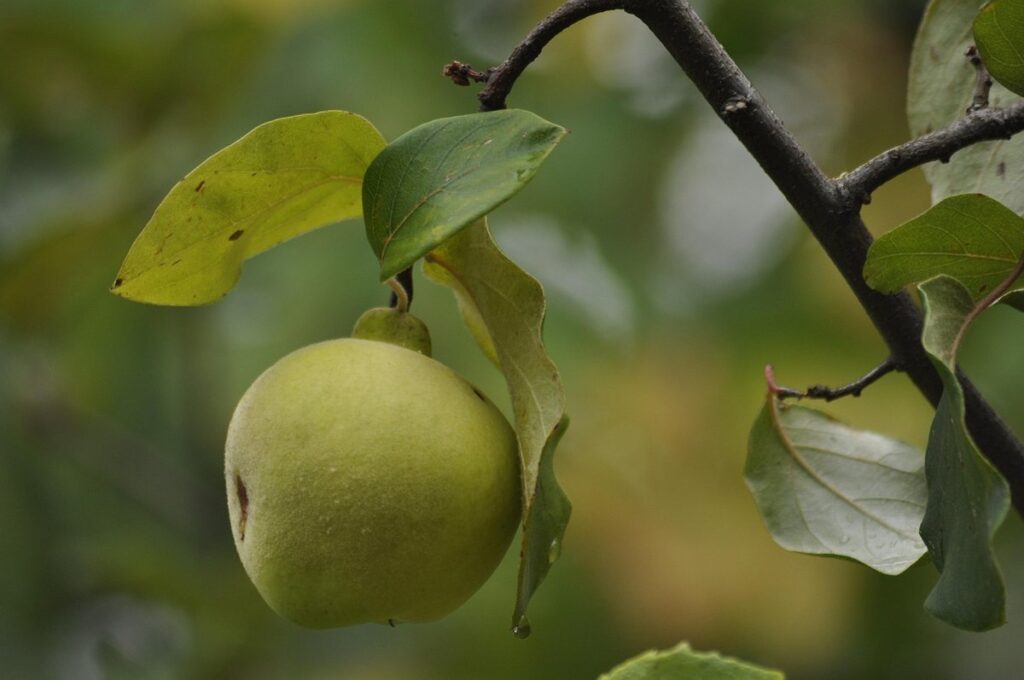
Choosing the Right Quince Variety
When selecting a quince variety, you’ll want to consider factors such as climate suitability and intended use for your fruit. This will help ensure you grow a healthy and productive tree.
Understanding Quince Types
There are several types of quinces that vary in their characteristics and suitability for different climates. One popular variety is ‘Champion’, a large-fruited quince from the United States. It’s known for its robust growth, tolerance to extreme temperatures, and high productivity, making it an excellent choice for gardeners in cooler regions.
In contrast, the ‘Vovlo’ quince, originating from Italy, is a compact variety with smaller fruit but still offers good yields. This dwarf tree requires minimal space and maintenance, making it ideal for smaller gardens or containers.
For warmer climates, the ‘Portugal’ quince is a suitable option. Native to Portugal, this variety thrives in Mediterranean conditions and produces medium-sized fruits with an intense fragrance. It’s also relatively low-maintenance, requiring less water and pruning compared to other varieties.
When choosing a quince variety, consider your local climate, available space, and desired fruit characteristics. Research the specific needs of each type and consult with local nurseries or gardening experts for personalized advice.
Selecting a Quince for Your Region
When selecting a quince variety for your region, it’s essential to consider three critical factors: climate, soil type, and desired fruit quality. Let’s break down each of these considerations.
Climate is the most significant factor when choosing a quince variety. Quinces are typically hardy in USDA zones 5-9, but some varieties can tolerate cooler or warmer temperatures. If you live in an area with frost-prone winters, look for varieties like ‘Portugal’ or ‘Meech’s Prolific’, which are known to be more cold-hardy. On the other hand, if your region experiences hot summers, choose a variety like ‘Champion’ that is resistant to heat stress.
Soil type also plays a crucial role in quince growth and fruit quality. Quinces prefer well-draining soil with a pH between 6.0 and 7.0. If you have heavy clay or sandy soils, consider amending the soil before planting. In areas with poor drainage, raise the bed to ensure good air circulation.
Lastly, think about the type of quince fruit you desire. Do you want a variety that’s high in pectin for making jams and jellies, or one that’s sweet and juicy for eating fresh? Choose a variety like ‘Golden’ or ‘Diosa’, which are known for their exceptional flavor and texture.
Consider your region’s climate, soil type, and desired fruit quality when selecting a quince variety. This will ensure you choose the best tree for your needs, resulting in a bountiful harvest.
Planting Quince Trees
When planting quince trees, it’s essential to choose a location with full sun and well-drained soil that’s perfect for their root system. Follow these steps to ensure a healthy start for your tree.
Preparing the Soil
When planting quince trees, it’s essential to give them a solid foundation by preparing the soil correctly. Quince trees prefer well-draining soil that’s slightly acidic to neutral in pH, with a range of 4.5-6.0 being ideal. If your soil is heavy clay or prone to waterlogging, consider amending it with organic matter like compost or well-rotted manure. This will not only improve drainage but also increase the overall fertility of the soil.
To check your soil pH, you can purchase a DIY testing kit or send a sample to a lab for analysis. Based on the results, you may need to add lime to raise the pH or sulfur to lower it. For example, if your soil is too alkaline and your quince tree is struggling to grow, adding elemental sulfur can help bring down the pH levels.
It’s also crucial to remove any debris, rocks, or weeds from the planting area before digging. This will give your quince tree roots room to spread out and establish themselves in the soil. Finally, if you’re transplanting a young quince tree, consider digging a slightly larger hole than the root ball to allow for easy establishment.
Planting Techniques and Spacing
When planting a quince tree, it’s essential to get it right from the start. The optimal way to plant a quince tree is by digging a hole that’s two to three times as wide and just as deep as the root ball. Gently remove the tree from its container or burlap, taking care not to disturb the roots.
Space your quince trees 10-15 feet apart to ensure proper air circulation and sunlight penetration. This distance also allows for easy access for pruning and maintenance. If you’re planting multiple trees, create a grid pattern with rows running north-south and east-west. This layout promotes even growth and minimizes competition for resources.
After planting, prune the roots by about one-third to encourage establishment and reduce transplant shock. Water your quince tree thoroughly after planting and keep the soil consistently moist during its first year. Avoid overwatering, as this can lead to root rot and other problems. Instead, rely on deep watering once or twice a week, depending on weather conditions. This approach promotes a strong, healthy root system that will support your tree for years to come.
Quince Tree Care and Maintenance
To grow a thriving quince tree, proper care and maintenance are essential. This section will guide you through the necessary steps to keep your tree healthy and productive year-round.
Watering and Fertilization
Proper watering and fertilization are crucial for quince trees to thrive. Consistent schedules will promote healthy growth, fruit production, and overall tree longevity. Aim to water your quince tree regularly, providing about 1 inch of water per week. This can be achieved through rainfall or irrigation, but avoid overwatering as it can lead to root rot.
When choosing a fertilizer for your quince tree, opt for a balanced formula (10-10-10 NPK) applied in early spring and again after fruit harvest. You can also use a citrus-specific fertilizer, which will provide additional nutrients beneficial to quince trees. Follow the recommended application rates on the fertilizer package to avoid overfertilization.
A general rule of thumb is to fertilize your quince tree annually, but adjust the frequency based on soil conditions and tree growth. If your tree is young or struggling, consider a higher nitrogen content (20-5-5 NPK) to promote vigorous growth.
Pruning and Training
Pruning and training are essential practices for maintaining a healthy and productive quince tree. Regular pruning not only promotes fruit production but also helps maintain the tree’s structural integrity. The goal is to remove diseased, damaged, or crossing branches, which can compromise the tree’s overall health.
To prune your quince tree, start by removing any dead, diseased, or damaged wood in the winter or early spring when it’s dormant. Cut back new growth to about one-third of its length to encourage branching and promote a strong framework. In the summer, focus on maintaining shape and encouraging fruiting branches. Remove any suckers or water sprouts that can divert energy from the rest of the tree.
Proper training is equally important for quince trees. Encourage an open center system by pruning the central leader and removing any weak growth. This will allow sunlight to penetrate the canopy, promoting healthy fruit development. By pruning and training your quince tree regularly, you’ll be rewarded with a bountiful harvest of fragrant, delicious fruit.
Pest and Disease Management
Quince trees are susceptible to various pests and diseases that can affect their health, so it’s essential to know how to identify and manage these issues effectively. Regular monitoring and proactive measures will help keep your quince tree healthy.
Common Pests Affecting Quinces
Quinces are susceptible to various pests that can cause significant damage if left unchecked. One of the most common pests affecting quince trees is the codling moth (Cydia pomonella), which lays its eggs on the fruit, causing the larvae to feed on the flesh from inside out. These moths can be identified by their silvery-gray eggs and caterpillars that have a distinctive red head.
Another common pest is the aphid, particularly the green apple aphid (Aphis pomi), which feeds on the sap of quince trees, causing curled or distorted leaves. Aphids are small, soft-bodied insects with long legs and can be found in clusters on the underside of leaves.
To control these pests, it’s essential to monitor your quince trees regularly for signs of infestation. Use sticky traps or yellow traps to capture adult codling moths and aphids. For severe infestations, consider using insecticidal soap or neem oil to control the pest population. Implementing integrated pest management (IPM) strategies, such as introducing beneficial insects like ladybugs or lacewings that prey on these pests, can also be an effective long-term solution.
Fungal Diseases in Quince Trees
Fungal diseases can be a significant threat to quince trees, causing damage to leaves, flowers, and fruit. One of the most common fungal diseases affecting quince trees is powdery mildew, characterized by a white, powdery coating on leaves and stems. Root rot is another severe disease caused by fungi that thrive in moist environments, leading to yellowing or browning of leaves and eventual tree death.
To manage these fungal diseases, it’s essential to adopt good sanitation practices. Remove any infected branches, and disinfect pruning tools between cuts. Regularly inspect your quince tree for signs of disease, and treat promptly if you notice any symptoms. A balanced fertilizer can also help promote healthy growth, making the tree more resistant to disease.
Monitor soil moisture levels, ensuring that they’re not too high or low, as this can exacerbate fungal diseases. Avoid overwatering, which can lead to root rot. Regularly aerating the soil and improving air circulation around the tree can also reduce the risk of fungal diseases.
Harvesting and Storing Quince Fruit
Now that you’ve successfully harvested your quince fruit, it’s time to learn how to properly store them to enjoy their sweet flavor for months to come. Let’s dive into the best methods for preserving your quince harvest.
Timing and Methods for Harvesting
Harvesting quince fruit typically takes place from late October to early November, when the fruit is fully ripe and has developed its characteristic golden-yellow color. It’s essential to time your harvest correctly, as overripe quinces can become too soft and develop off-flavors.
When harvesting manually, use a gentle touch to avoid bruising the delicate skin of the fruit. Hold the quince with one hand, supporting it from underneath, while using the other hand to carefully twist it away from the tree. This technique helps prevent any damage to the stem or the surrounding branches.
Mechanical harvesting can also be used for larger quantities of fruit. Use a soft-bristle brush attachment on a vacuum cleaner or a dedicated quince harvester with gentle suction power to collect the fruit without causing damage. Regardless of the method, it’s crucial to handle the quinces gently to maintain their quality and prevent bruising.
Storage and Preservation Techniques
Proper storage of freshly harvested quinces is crucial to maintaining their quality and flavor. Store them in a cool, dry place, away from direct sunlight, at a temperature between 32°F and 45°F (0°C and 7°C). You can also wrap each quince individually in paper bags to prevent moisture loss.
For longer-term preservation, you have several options. Jam-making is a popular method, as it allows you to create delicious quince preserves that will last throughout the year. To make quince jam, peel, core, and chop the fruit, then combine it with sugar and pectin (optional) in a saucepan. Bring the mixture to a boil, stirring constantly, until the jam reaches the desired consistency.
Drying is another effective method for preserving quinces. Slice the fruit thinly and dry it using a food dehydrator or by placing it in a single layer on a baking sheet in a low-temperature oven (150°F/65°C). This will help preserve the fruit’s flavor and texture. Alternatively, you can pickle quince slices in a brine solution made from vinegar, sugar, and spices to create a tangy condiment for meats or cheeses.
Keep in mind that preserved quinces are best consumed within 6-12 months of storage.
Troubleshooting Common Quince Growing Issues
Don’t let quince growing challenges get you down! This section addresses common problems gardeners face when cultivating their quince trees, from fungal diseases to poor fruit set.
Identifying and Addressing Deficiencies
Poor fruit set and disease susceptibility are two common issues that can plague quince trees. Identifying the causes of these problems is crucial to implementing corrective measures.
When inspecting your quince tree, look for signs of nutrient deficiencies, such as yellowing leaves or stunted growth. Regular soil testing can help determine if the issue is related to a lack of essential nutrients like nitrogen, phosphorus, or potassium. For example, if your quince tree is suffering from poor fruit set, it may be due to insufficient calcium or boron levels in the soil.
Disease susceptibility can also be caused by environmental factors, such as excessive rain, extreme temperatures, or poor air circulation. Fungal diseases like powdery mildew and scab are common issues for quince trees, but they can often be prevented with proper pruning, watering, and sanitation practices.
To address these issues, consider implementing integrated pest management strategies that combine physical barriers, cultural controls, and organic pesticides to minimize chemical use. By monitoring your tree regularly and taking prompt action when problems arise, you can reduce the risk of disease susceptibility and promote a healthy quince tree with abundant fruit production.
Best Practices for Overcoming Challenges
When growing quinces, you’ll inevitably encounter some challenges along the way. Whether it’s dealing with fluctuating temperatures due to climate change, addressing soil quality issues, or managing pests that threaten your harvest, having a solid plan in place can make all the difference.
To start, be prepared for unexpected temperature swings and protect your tree from extreme weather conditions. Invest in a frost blanket or windscreen to shield it from harsh winds and freezing temperatures during winter months. This simple yet effective measure will help prevent damage to young trees and promote healthy growth.
In areas with poor soil quality, consider adding organic matter like compost or manure to improve drainage and fertility. Regularly monitor your tree’s nutrient levels by conducting a soil test every 2-3 years, making adjustments as needed.
When it comes to pest management, integrate beneficial insects into your garden ecosystem. Encourage natural predators of pests like wasps and lacewings to inhabit the area around your quince tree. Implement IPM (Integrated Pest Management) techniques that balance chemical control with biological methods for effective results.
Tips for Successful Quince Growing in Your Garden
As you cultivate your quince tree, getting tips on how to promote healthy growth and avoid common mistakes can make all the difference in a bountiful harvest. Follow these expert-approved tips for success!
Seasonal Tasks and Reminders
As a quince tree owner, it’s essential to stay on top of seasonal tasks and reminders to ensure your tree remains healthy and thrives. In the spring, focus on pruning and fertilizing your quince tree. Prune any dead or damaged branches, cutting them back to about 6-8 inches from the trunk. This will help promote new growth and prevent disease.
Fertilize your tree with a balanced, citrus-specific fertilizer (10-10-10 NPK) in early spring when new growth begins. Follow the manufacturer’s instructions for application rates. Summer months require regular watering, especially during hot spells. Aim to provide about 1 inch of water per week, either through rainfall or irrigation.
In autumn, quince trees typically drop their leaves and prepare for dormancy. Monitor your tree’s sugar content by tasting a ripe fruit – if it’s sour and lacks sweetness, apply an acidic fertilizer (such as ammonium sulfate) in late winter to boost flavor.
Encouraging Continuous Improvement
As you tend to your quince tree, remember that the journey to bountiful harvests is ongoing. Quince growing is a process of continuous learning and adaptation, even for seasoned gardeners. It’s essential to regularly assess your practices and make adjustments as needed to ensure optimal results.
Monitor your tree’s growth, paying attention to factors like soil quality, sunlight exposure, and watering habits. Take note of any challenges you face, such as pests or diseases, and research effective solutions. Consider consulting with fellow gardeners, online forums, or local nurseries for expert advice.
Set aside time each season to evaluate your quince growing practices. Ask yourself questions like: What worked well this year? What didn’t? Are there areas where I can improve? By embracing a mindset of continuous improvement, you’ll be better equipped to overcome obstacles and coax the best possible harvest from your quince tree. This ongoing process will help you refine your techniques, resulting in more abundant and delicious quinces year after year.
Frequently Asked Questions
How do I know if my quince tree needs additional support as it grows?
As your quince tree matures, it may require staking or other forms of support to prevent wind damage or promote a strong structure. Check the tree’s height and growth habit regularly, looking for signs of instability or leaning. If you notice any issues, install stakes or use other supports like trellises to secure the tree.
What are some common mistakes I should avoid when planting quince trees?
Some common errors gardeners make when planting quince trees include overwatering, which can lead to root rot, and failing to prune the tree properly. Be sure to plant your quince in well-draining soil and water it only when necessary. Also, don’t be afraid to prune your tree regularly to maintain its shape and promote healthy growth.
Can I grow quince trees in containers?
Yes, you can grow quince trees in containers if you choose a compact variety like ‘Vovlo’. Make sure the container is at least 24 inches deep and has good drainage holes. Quinces prefer full sun and regular watering, so ensure your container placement meets these requirements.
How do I prevent pests from damaging my quince tree?
Regularly inspect your quince tree for signs of pests like aphids, spider mites, or scale insects. Use organic methods to control infestations whenever possible, such as introducing beneficial insects or applying neem oil. If you catch a problem early, it will be easier to manage and prevent damage to your tree.
What are some ways I can use the fruit of my quince tree?
Quinces are highly versatile fruits that can be used in various culinary applications. You can cook them down into jam or preserves, make wine or liqueurs, or even dry the slices for a tasty snack. Experiment with different recipes to find your favorite uses for this unique and delicious fruit.