
Are you excited to get your hands on some Pussy Cat Paw plant seeds? These adorable little plants are perfect for indoor gardening, and with the right care, they’ll thrive in no time. But first, let’s talk about how to grow them from seed. It all starts with properly preparing those tiny seeds – a crucial step that often gets overlooked. With this article, we’ll take you through every stage of growing Pussy Cat Paw plants, including seed preparation, germination, and even troubleshooting common issues that might arise.
We’ll also cover the essential care requirements for these low-maintenance plants, such as watering, lighting, and propagation methods. By the end of this article, you’ll be well-equipped to grow your own Pussy Cat Paws from seeds and enjoy their charming blooms all year round.
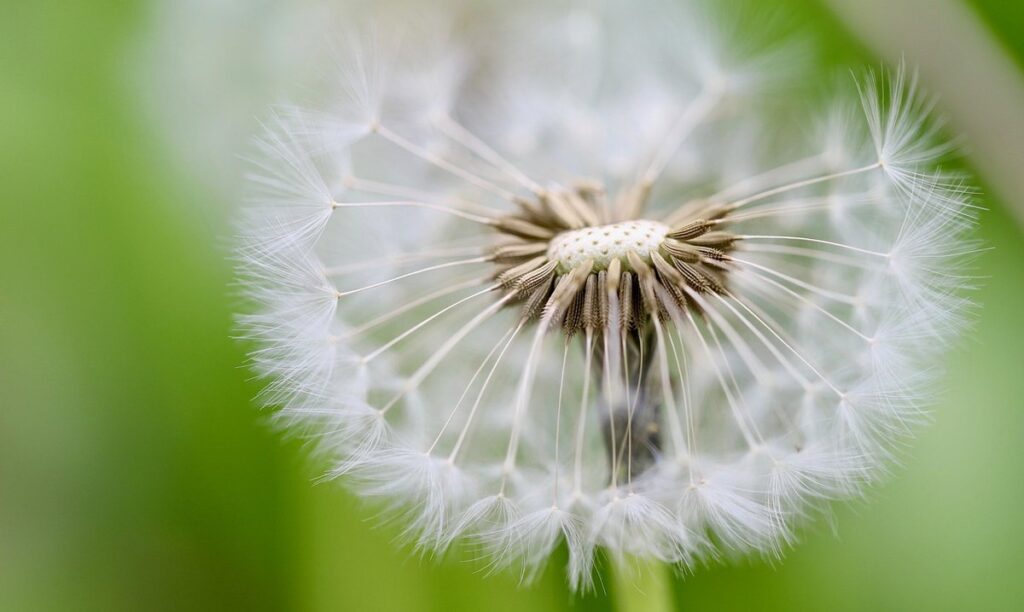
What is a Pussy Cat Paw Plant?
Let’s start by learning more about what makes the pussy cat paw plant so unique, and how it got its adorable name. This section explores the basics of this fascinating plant species.
What are Pussy Cat Paw Plants?
Pussy cat paw plants (Anturium andinum) are a type of flowering plant that belongs to the Arum family. They are native to the tropical regions of South America, specifically in the Andean highlands. These plants have gained popularity worldwide for their unique, umbrella-like leaves and long-lasting blooms. One of the most distinctive features of pussy cat paw plants is their ability to thrive in low-light conditions, making them an ideal choice for indoor gardening.
In terms of classification, Anturium andinum falls under the category of tropical houseplants. They are relatively easy to care for and can adapt well to a variety of environments. With proper care, these plants can grow quite large, up to 3 feet in height and width, making them a statement piece in any room. Pussy cat paw plants also produce long-lasting flowers that come in shades of white, pink, and red, adding an extra touch of elegance to their unique foliage.
When it comes to propagation, many gardeners opt for seeds due to the ease of germination and rapid growth rate.
History and Origins
The pussy cat paw plant, also known as Tetradenia riparia, has a rich history that dates back centuries. Native to tropical Africa, the plant is believed to have originated in the savannas and grasslands of countries such as South Africa, Mozambique, and Kenya. For years, it was used by local communities for medicinal purposes, including treating fever, rheumatism, and skin conditions.
The plant’s cultivation history is not well-documented, but it’s likely that early farmers discovered its value through observation of the native wildlife. In some regions, the pussy cat paw plant has been used as a natural fence or barrier to protect crops from grazing animals. Today, the plant is still widely cultivated in Africa and other parts of the world for its ornamental and medicinal properties.
Interestingly, the pussy cat paw plant’s unique appearance – with its small, rounded leaves resembling cat paws – made it an attractive addition to gardens and indoor spaces. Its adaptability to various environments and ability to thrive in poor soil conditions have also contributed to its popularity among gardeners and plant enthusiasts.
Growing Pussy Cat Paw Plants from Seeds
Growing your own pussy cat paw plant from seeds can be a fun and rewarding experience, but it requires some special care to ensure success. Let’s walk through the steps together.
Preparing the Soil for Germination
When it comes to growing Pussy Cat Paw plants from seeds, one of the most critical steps is preparing the soil for germination. This process may seem straightforward, but there are some specific requirements and considerations that you should be aware of to ensure successful growth.
Firstly, Pussy Cat Paw seeds require a well-draining potting mix with a slightly acidic pH. A mix specifically designed for cacti and succulents would work well. You can also create your own mix by combining perlite, vermiculite, and sand in the right proportions.
It’s essential to note that Pussy Cat Paw seeds are sensitive to overwatering. Therefore, the potting mix should be able to retain just the right amount of moisture without becoming waterlogged. To achieve this, you can add a small amount of coconut coir or peat moss to your mix.
Before sowing your seeds, make sure the soil is at room temperature (around 65-75°F) and has been moistened but not waterlogged. By paying attention to these details, you’ll be providing your Pussy Cat Paw seeds with the best possible start in life. This will help them germinate successfully and grow into healthy plants.
Sowing and Germinating the Seeds
To successfully sow and germinate your Pussy Cat Paw seeds, follow these essential steps. Begin by preparing a good quality seed starting mix and filling a small pot to about an inch from the top. Place 2-3 seeds on the surface, ensuring they don’t touch each other or the sides of the container.
Next, gently cover them with a thin layer of soil – not too much, as this can prevent germination. The optimal depth for sowing Pussy Cat Paw seeds is about one-eighth inch deep. Water the mixture thoroughly by pouring lukewarm water over it.
Place the pot in a location receiving indirect light, ideally 12-14 hours per day. Avoid direct sunlight, which can cause the soil to dry out too quickly. The ideal temperature for germination ranges from 70-75°F (21-24°C). Check on your seeds daily and maintain consistent moisture levels by watering them when the top inch of soil feels slightly dry.
Keep in mind that Pussy Cat Paw seeds typically take between 1-3 weeks to germinate, so be patient. Once you notice the first set of leaves emerging, continue providing gentle care until they are strong enough to be transplanted into individual pots or directly into your garden.
Care and Maintenance of Mature Plants
Now that you’ve successfully germinated your Pussy Cat Paw Plant seeds, it’s time to learn how to care for these mature plants so they continue to thrive in their new environment. Proper maintenance will ensure a long and healthy life for your newly grown plant.
Watering Requirements
Watering is one of the most critical aspects of caring for mature Pussy Cat Paw plants. These plants are adapted to dry conditions and can survive with minimal watering, but they still need regular moisture to thrive.
In general, you should water your mature Pussy Cat Paw plant every 7-10 days during the spring and summer months when it’s actively growing. During the fall and winter months, reduce watering to once a month as the plant goes dormant. The key is to make sure the soil isn’t too wet or dry – if the top inch of soil feels dry to the touch, it’s time for a drink.
Signs of overwatering include yellowing leaves, soft stems, and root rot. If you notice any of these symptoms, stop watering immediately and repot the plant in well-draining mix. On the other hand, signs of underwatering include crispy leaves, wilted stems, and brown edges. To avoid this, make sure to water your plant thoroughly, allowing excess water to drain from the pot.
Monitor your plant’s specific needs based on its environment – if it’s exposed to direct sunlight or has high humidity, you may need to adjust its watering schedule accordingly.
Lighting Conditions
When it comes to providing optimal care for your mature Pussy Cat Paw plants, understanding their lighting needs is crucial. These plants are native to tropical regions and thrive best in bright, indirect light conditions.
Direct sunlight exposure can be detrimental to your plant’s health, causing the leaves to become scorched and discolored. If possible, place your Pussy Cat Paw plant near an east- or west-facing window to ensure it receives gentle, indirect sunlight throughout the day.
Alternatively, artificial lighting options are also available if you don’t have a suitable natural light source. LED grow lights or fluorescent lamps can provide the necessary spectrum for photosynthesis without overheating your plant.
To avoid over-exposure, keep your Pussy Cat Paw plant at least 3-4 feet away from any direct light source. Monitor its response to different lighting conditions and adjust accordingly. With proper lighting care, your mature Pussy Cat Paw plants will continue to thrive, their beautiful leaves a vibrant green with no signs of discoloration.
Propagation Methods
To successfully grow more pussy cat paw plants, you’ll need to know how to propagate them effectively. Let’s dive into some reliable methods for multiplying your seedlings.
Using Stem Cuttings
Propagating Pussy Cat Paw plants using stem cuttings is an excellent way to multiply these beautiful plants. To start, you’ll need a healthy mother plant with plenty of stems to work with. Choose a section with at least two nodes (the joint where a leaf meets the stem), as this will increase your chances of successful propagation.
Prepare the stem cuttings by trimming them just above a node using a sharp, sterile tool. This will encourage root growth and prevent the cutting from becoming waterlogged. Dip the trimmed end into rooting hormone powder or liquid to stimulate root development – make sure to follow the manufacturer’s instructions for application rates.
Next, fill a pot or propagation tray with well-draining soil, such as a mix specifically designed for cacti and succulents. Plant the stem cutting about 1-2 inches deep, firming the soil gently around it. Water sparingly, allowing the soil to dry slightly between waterings. Keep the propagated plants in bright, indirect light but not direct sunlight until roots have developed.
Leaf or Division Propagation
When you’re ready to multiply your Pussy Cat Paw plant collection, consider trying leaf or division propagation. These methods offer a great alternative to seed starting and can be just as effective.
Leaf cuttings involve snipping off healthy leaves from the mother plant, allowing them to develop their own roots in water or a rooting medium. The main advantage of this method is that it preserves the plant’s genetic traits, ensuring the new growth will have the same desirable characteristics as the parent plant. To increase your chances of success, make clean cuts just above a node and use a rooting hormone to stimulate root growth.
Division propagation involves separating established plants into smaller sections, each with its own roots. This method is ideal for mature Pussy Cat Paw plants that have outgrown their containers or become pot-bound. When dividing the plant, aim to separate it into sections with at least two growing points each to ensure successful regrowth.
Common Issues and Troubleshooting
Don’t worry if you’re experiencing problems growing your pussy cat paw plant from seed – we’ve got solutions to common issues that might be holding back your success. Let’s troubleshoot together!
Overwatering and Root Rot
Overwatering and root rot are two of the most common issues that Pussy Cat Paw plant owners face. One of the main signs of overwatering is yellowing leaves, which can quickly turn brown and drop off if left untreated. The stems may also start to soften and become mushy to the touch.
If you suspect your Pussy Cat Paw plant has been overwatered, stop watering immediately and repot the plant in a well-draining mix. Remove any dead or dying roots and trim back the affected areas to prevent further damage. To prevent root rot in the future, make sure to check the soil moisture regularly by sticking your finger into the soil up to the first knuckle.
It’s also essential to provide good air circulation around your Pussy Cat Paw plant, as this can help to prevent fungal diseases that thrive in moist environments. By catching the signs of overwatering early and taking prompt action, you can save your plant from root rot and keep it healthy and thriving. Regularly inspecting your plant’s roots during repotting can also give you an idea of any potential issues before they become severe.
Pest Infestation Management
As you’re nurturing your Pussy Cat Paw plant to grow into its adorable fuzzy leaves, it’s not uncommon for pests to pay a visit. Identifying common pests and taking proactive steps to control infestations can save your plant from potential harm.
Some of the most common pests that affect Pussy Cat Paw plants include spider mites, mealybugs, and scale insects. These tiny critters feed on the sap of the plant, weakening it over time. To identify an infestation, look for fine webbing, white cottony patches, or a sticky substance called honeydew.
To control these pests, isolate your plant to prevent further spreading. Then, gently spray water mixed with mild dish soap directly onto the affected areas. For severe cases, use insecticidal soap or neem oil as directed. Regularly inspect your plant for signs of infestation and take action promptly to maintain its health.
For prevention, keep your plant in a location with good air circulation and moderate humidity levels. Prune off any weak or damaged leaves to reduce the risk of pest attraction. By staying vigilant and taking quick action, you can safeguard your Pussy Cat Paw plant against common pests and enjoy watching it thrive.
Conclusion
In conclusion, growing Pussy Cat Paw Plant seeds can be a rewarding experience for anyone looking to cultivate a unique and low-maintenance plant. By following the tips and advice outlined in this post, you should now have a solid understanding of how to successfully germinate and care for your Pussy Cat Paw Plant seeds.
Remember to store seeds properly until planting time, and be patient as they can take several weeks to sprout. With proper care, your Pussy Cat Paw Plant will thrive and provide beautiful foliage year-round. Don’t hesitate to experiment with different planters or creative displays to showcase your new green friend.
Frequently Asked Questions
Can I grow Pussy Cat Paw plants from seed if they’re already established in a pot?
Yes, it’s possible to propagate new Pussy Cat Paws from the seeds of an existing plant. However, this method can be more challenging than starting with fresh seeds. Make sure to select healthy seeds and follow proper germination techniques to increase your chances of success.
How often should I water my newly germinated Pussy Cat Paw seedlings?
Keep the soil consistently moist but not waterlogged during the first few weeks after sowing. Watering frequency will depend on the humidity level in your area, so adjust accordingly. A good rule of thumb is to check the soil daily and water when it feels slightly dry to the touch.
Can I use regular potting mix for growing Pussy Cat Paw plants from seeds?
Yes, but it’s recommended to create a seed starting mix with a higher concentration of perlite or vermiculite to improve drainage. Regular potting mixes can be too dense for young seedlings and may lead to root rot if the soil is too moist.
What are some common signs that my Pussy Cat Paw seeds have germinated?
Watch for small white or yellowish roots emerging from the seed coat, followed by a slight swelling at the base of the seed. You might also notice tiny leaves or stems poking out of the soil. Keep in mind that germination can take anywhere from 1-6 weeks, depending on conditions.
Can I propagate Pussy Cat Paw plants using leaf cuttings?
Yes, it’s possible to propagate new Pussy Cat Paws using healthy leaf cuttings. However, this method requires a bit more finesse and patience than seed propagation. Make sure to choose firm, thick leaves with no signs of pests or diseases, and follow proper rooting techniques for optimal success.