
Growing potatoes indoors can be a fun and rewarding experience, but it’s not without its challenges. One of the biggest obstacles you may face is pest infestation. Aphids, spider mites, and other unwanted critters can quickly destroy your potato crop, leaving you with nothing to show for your efforts. But don’t worry, there are ways to prevent these pests from taking over your indoor garden. In this article, we’ll explore effective methods for managing common indoor potato pests, as well as strategies for preventing infestations through good sanitation and crop rotation practices. Whether you’re a seasoned gardener or just starting out, learning how to keep pests at bay will help you achieve a bountiful harvest of delicious homegrown potatoes.
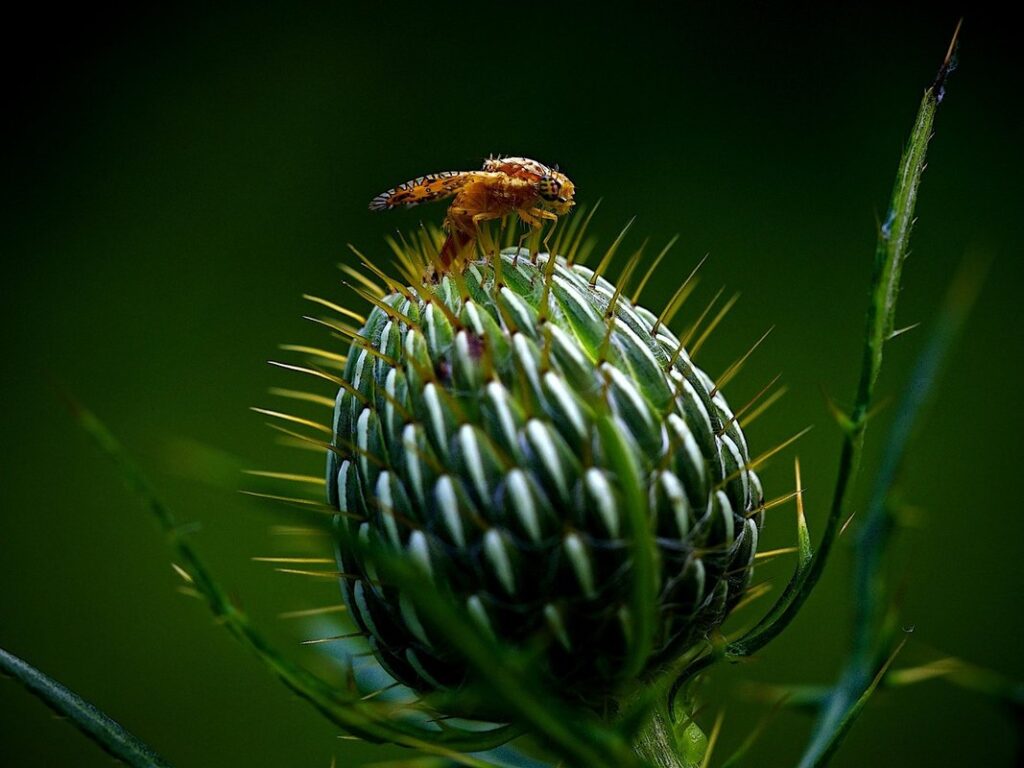
Understanding Potato Pests
As you tend to your indoor potato crop, it’s essential to recognize common pests that can damage your tubers and understand their habits to take preventative measures. Let’s dive into the world of potato pests.
Types of Common Potato Pests
Aphids are one of the most common potato pests that can infest indoor crops. These small, soft-bodied insects feed on plant sap, causing curled or distorted leaves and stunted growth. They reproduce quickly, with some species able to produce multiple generations in a single growing season.
Spider mites are another type of pest that can be problematic for indoor potato crops. These tiny arachnids feed on plant sap, causing yellowing leaves and fine webbing. They thrive in warm, dry conditions and can be difficult to control without integrated pest management strategies.
Mealybugs are also a common issue when growing potatoes indoors. These small, white insects secrete a sticky substance called honeydew, which attracts other pests and promotes the growth of fungi. They feed on plant sap, causing stunted growth and distorted leaves.
Whiteflies are another type of pest that can infest indoor potato crops. These small, flying insects feed on plant sap, causing yellowing leaves and stunted growth. They can also transmit diseases such as tomato spotted wilt virus to potatoes.
It’s essential to monitor your plants regularly for signs of these pests, as early detection is key to effective management. Inspect the undersides of leaves, stems, and soil for eggs, larvae, or adults.
Signs of Pest Infestation in Potatoes
When inspecting your indoor potato crop, it’s essential to be vigilant for signs of pest infestation. These can manifest physically, through damage caused by pests, and even changes in the behavior of the plants themselves.
Physical signs of pest infestation may include tiny eggs, larvae, or adult insects on or near the potatoes. Check for white, cottony patches on the stems and leaves, which are often indicative of aphid infestations. Other physical signs might include small holes or tunnels in the skin of the potatoes, typically caused by wireworms.
Pests can also cause significant damage to your indoor potato crop. For example, aphids may secrete a sticky substance called honeydew that attracts other pests and promotes fungal growth. Wireworms can tunnel through the tubers, making them unsuitable for consumption. Look for any changes in plant behavior, such as yellowing leaves or stunted growth.
To identify pest infestations early on, regularly inspect your indoor potato crop. Check for signs of pests when harvesting, as this is often the time they are most active. Keep an eye out for eggs and larvae, and take action promptly to prevent damage and protect your crop.
Choosing the Right Growing Conditions for Healthy Potatoes
To grow healthy potatoes indoors, it’s essential that you provide them with the right growing conditions. This includes factors such as temperature, light, and soil quality to ensure a bountiful harvest.
Optimizing Lighting for Indoor Potato Growth
When growing potatoes indoors, providing adequate lighting is crucial for optimal growth and development. Potato plants typically require 14-16 hours of light per day to produce a healthy crop. However, this can be challenging when growing indoors, where natural light may be limited.
LED grow lights are an excellent solution for supplementing the lack of natural light. They provide a broad spectrum of light that mimics natural sunlight, promoting healthy growth and maximizing yields. When choosing LED grow lights for potato plants, look for those with a balanced spectrum (350-700nm) and high lumens per watt (LPW). This will ensure your plants receive the necessary light intensity without overheating or wasting energy.
In addition to LED grow lights, you can also make use of natural light by placing your potato plants near a sunny window. However, be mindful of direct sunlight, which can cause scorching and damage to the leaves. If using a combination of natural and artificial lighting, ensure that the total daily light exposure meets the recommended 14-16 hours per day.
Maintaining Proper Temperature and Humidity Levels
Maintaining proper temperature and humidity levels is crucial for growing potatoes indoors. The ideal temperature range for potato growth is between 60°F (15°C) and 70°F (21°C). Temperatures above 80°F (27°C) can lead to disease and pests, while temperatures below 50°F (10°C) can slow down growth.
Maintaining the right humidity levels is equally important. Potatoes thrive in humid environments, typically between 60% and 90%. However, if the environment becomes too humid, it can lead to fungal diseases such as powdery scab or blackleg. Aim for a consistent humidity level by using a humidifier or placing the growing containers on trays filled with water and pebbles.
Monitor your grow space’s temperature and humidity levels closely. Keep an eye out for signs of stress, such as yellowing leaves or reduced growth. Regularly check the temperature and humidity readings to ensure they remain within the optimal range. This will not only promote healthy potato growth but also help prevent pest infestations that thrive in suboptimal conditions.
Organic Pest Control Methods for Indoor Potato Gardens
When it comes to growing potatoes indoors, one of the biggest challenges is dealing with pests that can quickly damage your crop. In this section, we’ll explore effective organic methods for keeping your indoor potato garden pest-free.
Using Neem Oil and Soap Solutions
When it comes to managing pests in your indoor potato garden, organic methods are often the most effective and environmentally friendly approach. Neem oil and soap solutions are two popular natural pest control options that can help keep aphids, whiteflies, and spider mites under control.
To prepare a neem oil solution, mix 2-3 teaspoons of neem oil with 1 quart of water in a spray bottle. Shake well before each use to emulsify the oil. Spray the solution directly on affected plants or areas where pests are present, making sure to cover all surfaces evenly. Repeat as needed, usually every 7-10 days.
Soap solutions work similarly, but use a mild dish soap that’s specifically designed for gardening. Mix 1 tablespoon of soap with 1 quart of water and spray it on the affected areas. Be cautious not to overdo it, as excessive soap can damage your plants’ leaves. You can also add a few drops of neem oil to the soap solution for enhanced efficacy.
When using either neem oil or soap solutions, make sure to spray them in the early morning or evening when the sun isn’t too intense, and avoid spraying on new growth or sensitive areas.
Introducing Beneficial Insects to the Indoor Garden
When it comes to managing pests in your indoor potato garden, introducing beneficial insects can be a game-changer. These tiny allies can help control pest populations naturally, reducing the need for chemical pesticides and maintaining a healthy ecosystem.
Beneficial insects like ladybugs and lacewings are voracious eaters of common indoor pests such as aphids, whiteflies, and spider mites. Ladybugs, in particular, feed on over 20 species of pests, making them an excellent choice for indoor gardens. To introduce beneficial insects to your indoor garden, start by purchasing a few dozen from a reputable supplier or nursery.
Release the insects near infested areas at dusk when they’re most active. You can also create a welcoming environment for these beneficial friends by providing a source of water and shelter, such as a shallow dish filled with fresh water and a nearby hiding place like a leafy plant. By introducing beneficial insects to your indoor garden, you’ll be taking a crucial step towards maintaining a balanced ecosystem that promotes healthy growth and minimizes pest-related problems.
Using Chemical Controls for Indoor Potato Pests
If you’ve tried non-chemical methods but still struggle with pests, this section will walk you through the use of chemical controls to keep your indoor potatoes safe. We’ll cover the safest and most effective options available.
Common Chemical Control Methods
When it comes to managing potato pests indoors, chemical control methods can be an effective solution. However, it’s crucial to choose the right product and use it responsibly. Insecticides are commonly used to control aphids, whiteflies, and spider mites that feed on potato plants. Neem oil, pyrethrin sprays, and insecticidal soap are popular choices due to their low toxicity and ease of use.
Fungicides are also essential for controlling diseases like powdery scab and early blight that can devastate indoor potato crops. Copper-based fungicides are often recommended as they are effective against a broad spectrum of pathogens. However, be sure to follow the label instructions carefully and take necessary safety precautions when handling these chemicals.
To use chemical controls effectively, it’s essential to monitor your plants regularly for signs of pests or diseases. Keep in mind that over-reliance on chemical control methods can harm beneficial insects and contribute to the development of pesticide-resistant pest populations. Always explore integrated pest management (IPM) strategies that combine physical, cultural, and chemical controls for a sustainable approach.
Precautions When Using Chemical Controls in the Home Garden
When using chemical controls in your home garden to combat indoor potato pests, it’s essential to exercise caution and follow guidelines carefully. The risks associated with chemical pesticides can be significant, including exposure to toxic compounds, contamination of soil and water, and harm to beneficial insects.
Before applying any chemical control measures, make sure you’ve identified the pest accurately, as some products may not be effective against certain species. Always read and follow the product label instructions, taking note of recommended application rates, timing, and safety precautions.
Some key considerations when using chemical controls in your indoor potato garden include:
* Using protective gear such as gloves, masks, and eyewear to minimize exposure
* Applying chemicals at night or early morning when pests are most active
* Avoiding spraying during peak sun hours to prevent drift and ensure effectiveness
* Monitoring your plants closely for signs of over-application, which can lead to leaf scorch, reduced yields, or even plant death
Keep in mind that chemical controls should be used as a last resort and in conjunction with good gardening practices, such as crop rotation, sanitation, and monitoring.
Preventing Pest Infestations on Indoor Potatoes
To keep your indoor potatoes pest-free, it’s essential to understand how common pests can sneak into your crop and what steps you can take to prevent infestations from happening in the first place.
Crop Rotation and Sanitation Practices
When growing potatoes indoors, it’s essential to implement crop rotation and sanitation practices to prevent pest infestations. Pests such as aphids, whiteflies, and spider mites can quickly spread through an indoor garden, causing significant damage to your crop.
To avoid this issue, rotate your potato crops annually. This means removing all soil and debris from the container, disposing of any infected plants, and starting with fresh seed potatoes or tubers in a new location. By doing so, you’ll break the pest life cycle and reduce the risk of re-infestation.
Maintaining cleanliness is also crucial. Inspect your plants regularly for signs of pests, and gently remove any affected leaves or stems. Use neem oil or insecticidal soap to control mild infestations. Wash your hands thoroughly before handling plants, and disinfect tools between uses with a mixture of water and bleach.
By implementing these simple practices, you’ll create an environment that discourages pest growth and ensures a healthy crop.
Monitoring for Pests Regularly
Monitoring for pests regularly is essential to prevent infestations from getting out of control. Start by checking your potato plants every week, looking for signs of pests like aphids, whiteflies, and spider mites. Inspect the leaves, stems, and soil for any visible damage or eggs. Use a magnifying glass if necessary to get a closer look.
Some common pest indicators to watch out for include:
• Yellowing or stunted growth on leaves
• Tiny eggs or larvae on the undersides of leaves
• Fine webbing or sticky substance on leaves or stems
If you notice any of these signs, take action immediately. For small infestations, a gentle spray of water can dislodge pests. For larger issues, consider using neem oil or insecticidal soap to control populations.
To prevent re-infestation, maintain good hygiene practices around your plants. Remove and dispose of any affected leaves or stems, and ensure that your indoor growing space remains clean and dust-free. By staying vigilant and taking prompt action when necessary, you can minimize the risk of pest infestations and enjoy a healthy crop of indoor potatoes.
Troubleshooting Common Issues with Indoor Potato Pests
If you’ve encountered unwelcome visitors in your indoor potato crop, don’t worry – we’ll help you identify and address common pests that can affect your harvest. Let’s troubleshoot those problems together!
Identifying Root Causes of Pest Problems
When it comes to identifying root causes of pest problems with indoor potatoes, it’s essential to consider a few common issues. One major contributor is overwatering, which can lead to fungal diseases like powdery scab and soft rot. These conditions create an ideal environment for pests like aphids and spider mites to thrive.
Inadequate light is another root cause of pest problems. Potatoes need sufficient light to photosynthesize and grow strong, but if they’re not receiving enough, they may become weak and vulnerable to pests. This can lead to infestations by nematodes or fungus gnats.
To address these issues, make sure you’re providing your potato plants with the right balance of water and nutrients. Check the soil moisture regularly and avoid overwatering. Ensure that your potatoes are receiving at least 6 hours of direct sunlight per day, or supplement with grow lights if necessary. By identifying and addressing these root causes, you can prevent pest problems from arising in the first place.
Some signs to look out for include yellowing leaves, soft spots on tubers, or an increased presence of pests like aphids or spider mites.
Implementing Effective Solutions to Manage Pest Populations
Implementing effective solutions to manage pest populations is crucial for maintaining a healthy crop. First and foremost, identify the type of pest you’re dealing with, as each requires different management strategies. For example, if you have an aphid infestation, introducing natural predators like ladybugs or lacewings can help control their numbers.
For more severe issues, consider using integrated pest management (IPM) techniques. This involves combining physical barriers, traps, and targeted pesticides to minimize harm to the environment. For instance, diatomaceous earth can be used to repel slugs and snails without harming them.
Another approach is to focus on preventative measures, such as maintaining proper growing conditions like temperature control, humidity levels, and adequate air circulation. Regularly inspect your plants for signs of pests, and remove any infested areas promptly. It’s also essential to monitor the soil pH and adjust it if necessary to prevent pest attraction.
Harvesting Healthy Potatoes from the Indoor Garden
Now that your potato plants are mature, it’s time to focus on harvesting them to ensure you get a bountiful yield of healthy, disease-free tubers. Let’s explore the best techniques for harvesting indoor potatoes.
Understanding the Importance of Maturation and Yield
When it comes to harvesting potatoes grown indoors, understanding the importance of maturation and yield is crucial for getting the best results. This is often where growers go wrong, as they tend to harvest their potatoes too early, resulting in small tubers that are difficult to store.
The ideal time to harvest your indoor potatoes depends on several factors, including the variety you’re growing, the growing conditions, and the size of the tubers. In general, most varieties are ready to be harvested 70-100 days after planting. However, some compact or ‘new’ varieties can be ready in as little as 50-60 days.
One way to determine if your potatoes are mature is to gently dig around the plants with a fork, being careful not to damage the tubers. If the tubers are still too small, cover them back up and let them continue to grow for another week or two. Keep in mind that over-maturity can also be detrimental, as it can lead to an increase in disease and insect infestations.
A good rule of thumb is to aim for a yield of at least 1-2 pounds per plant. This will give you a decent supply of potatoes for the next few months. However, some varieties can produce much more, with yields reaching up to 5-6 pounds or more per plant.
To ensure that your harvested potatoes store well, make sure they are dry and free of any dirt or debris. Store them in a cool, dark place, such as a cellar or pantry, and keep them away from direct sunlight and heat sources. Proper storage will help extend the shelf life of your potatoes for several weeks to months.
Some growers also recommend “topping” their plants, where they cut off the foliage to about an inch above the tubers before harvesting. This helps reduce moisture loss and can make it easier to dig around the tubers without damaging them. Give this method a try if you want to optimize your yield and storage potential!
Frequently Asked Questions
Can I use the same neem oil solution for multiple applications?
Yes, neem oil solutions can be reused for multiple applications as long as you’ve followed proper preparation and application guidelines to ensure their effectiveness against indoor potato pests.
How often should I inspect my indoor potato crop for signs of pest infestation?
Regularly inspect your indoor potato crop at least twice a week, especially during peak growth periods or when you notice any unusual changes in leaf color or texture. This allows you to catch potential problems before they escalate into full-blown infestations.
What’s the best approach to prevent aphid populations from getting out of control?
Implementing good sanitation practices and crop rotation strategies can significantly help prevent aphid infestations on your indoor potato crops. Remove weeds, debris, and any infested plants promptly, and consider using row covers or fine mesh screens to keep pests at bay.
Can I use beneficial insects to manage spider mite populations in my indoor garden?
Yes, introducing beneficial insects like ladybugs, lacewings, or parasitic wasps can be an effective way to control spider mite populations on your indoor potato crops. However, ensure you introduce these beneficials at the first sign of a problem and maintain a clean environment to prevent any potential complications.
How long does it take for potatoes grown indoors to mature after infestation?
Maturity times may vary depending on factors like pest pressure, temperature fluctuations, or other environmental conditions. Generally, potatoes grown indoors can mature within 70-100 days, but this timeline may be affected if your crop has been compromised by pests.