
If you’re fascinated by the sweet-tart flavor of pomegranates, you’ve probably wondered: can I grow pomegranate seeds in my own backyard? With over 500 varieties to choose from, growing pomegranate trees from scratch can be a rewarding experience. Not only do pomegranate trees provide delicious fruit, but they’re also drought-tolerant and relatively low-maintenance. But where do you start? Choosing the right variety of pomegranate tree is crucial, as some are better suited for cooler or warmer climates. In this article, we’ll walk you through the process of growing pomegranate seeds from scratch, including soil preparation, overcoming common challenges, and selecting the perfect variety for your region. Whether you’re a seasoned gardener or a beginner, learning how to grow pomegranates can add a new dimension to your gardening adventures.
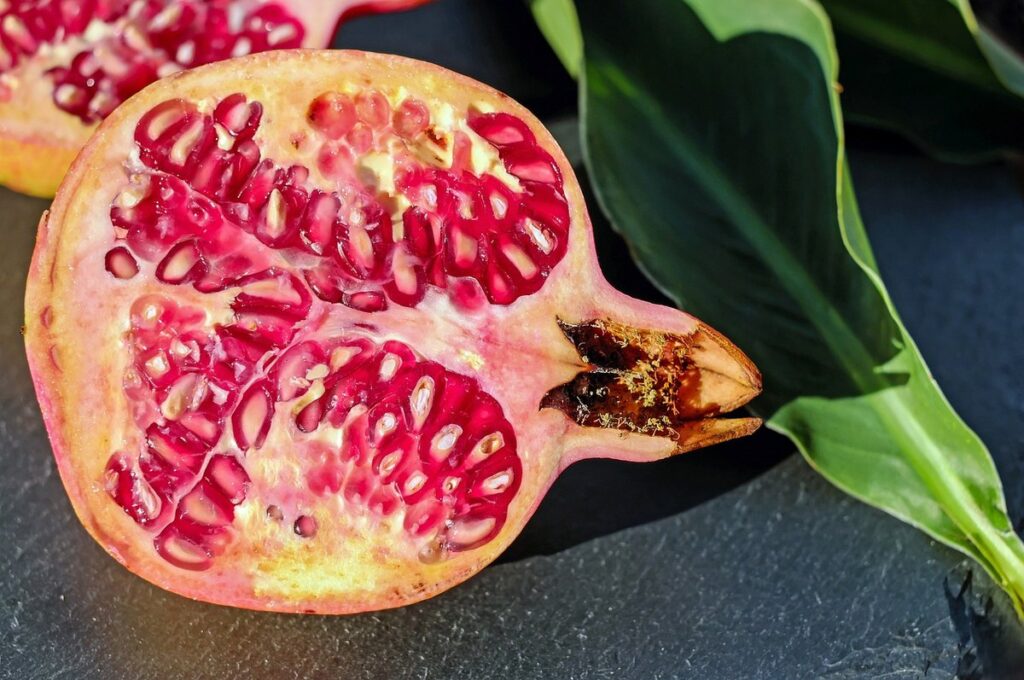
The Benefits of Growing Your Own Pomegranate Tree
Growing your own pomegranate tree can be a rewarding experience, offering numerous benefits and advantages over buying from stores. From improved flavor to increased nutrition, there’s much to consider when deciding whether to grow one yourself.
Introduction to Pomegranate Trees
Pomegranate trees have been a symbol of abundance and fertility for centuries, originating from the Middle East and South Asia. Today, they’re grown in warm climates around the world, prized not only for their vibrant red arils but also for their impressive health benefits. Growing your own pomegranate tree can be a rewarding experience, offering you access to fresh, nutrient-dense fruit right in your backyard.
One of the main advantages of cultivating pomegranate trees is their hardiness. These deciduous plants are remarkably adaptable, thriving in USDA zones 6-10 and tolerating temperatures as low as -20°F (-29°C). With proper care, a pomegranate tree can live for decades, producing fruit for years to come.
In addition to their ability to produce delicious and nutritious fruit, pomegranate trees offer a range of benefits that make them an attractive choice for gardeners. They’re drought-tolerant, require minimal pruning, and attract pollinators like bees and butterflies. With proper care, your pomegranate tree can become a thriving part of your landscape, providing you with years of enjoyment and fresh produce.
Choosing the Right Variety for Seed Germination
When it comes to growing pomegranate trees from seed, not all varieties are created equal. Some pomegranate tree types are better suited for seed germination than others. Dwarf varieties, in particular, make excellent choices for small spaces or beginners.
Some popular dwarf pomegranate tree varieties include ‘Nana’, ‘Pom-Pom’, and ‘Dwarf Granada’. These compact trees typically grow between 6-10 feet tall and produce smaller fruit. They’re ideal for containers or small gardens, making them perfect for urban growers or those with limited space.
When selecting a variety for seed germination, consider factors such as climate, soil type, and desired fruit size. Pomegranate trees prefer well-draining soil and full sun to partial shade. Some dwarf varieties are more tolerant of cooler temperatures than others, so be sure to research the specific needs of your chosen variety.
Keep in mind that even with proper care, seed-grown pomegranate trees may take 3-5 years to mature, whereas grafted trees can produce fruit within 2-3 years. Nonetheless, growing from seed offers a rewarding experience and allows you to experiment with different varieties. By choosing the right variety for your climate and space constraints, you’ll be well on your way to successfully germinating pomegranate seeds.
The Process of Growing Pomegranate Seeds
To grow pomegranate seeds successfully, you’ll need to understand the specific steps involved in nurturing them from seed to mature tree. This process requires patience and attention to detail.
Preparing the Soil and Sowing the Seeds
When it comes to growing pomegranate seeds, the process begins with preparing the soil and sowing the seeds. To start, choose a location that receives full sun to partial shade and has well-draining soil. Pomegranates prefer slightly acidic to neutral soil pH, ranging from 6.0 to 7.0.
To prepare the soil, add organic matter such as compost or manure to improve its fertility and drainage. You can also mix in a balanced fertilizer to provide essential nutrients for germination. If your soil is heavy clay or sandy, amend it with perlite or vermiculite to achieve the right consistency.
Once you’ve prepared the soil, it’s time to sow the seeds. Plant them about 1-2 inches deep and 6-8 inches apart in late winter or early spring, when the temperature is around 65°F to 75°F (18°C to 24°C). Water the seeds gently but thoroughly after sowing, making sure not to wash away the soil.
Keep the soil consistently moist during the germination period, which typically takes 1-3 weeks. After germination, reduce watering to about 1 inch per week to encourage deep root growth and a strong tree.
Seedling Care and Transplanting
Proper seedling care is crucial for healthy growth and development of pomegranate plants. When your seeds have germinated and developed their first set of leaves, it’s time to start thinking about transitioning them from the initial growing medium into individual pots.
Watering is essential during this period, as seedlings are vulnerable to over-drying. Keep the soil consistently moist but not waterlogged. A good rule of thumb is to water your seedlings when the top inch of soil feels dry to the touch. Be cautious not to wash away delicate roots by avoiding overhead watering.
Fertilizing should begin once your seedlings have developed their second set of leaves. Use a balanced, water-soluble fertilizer at half the recommended strength to avoid burning sensitive root systems.
Pruning is another key aspect of seedling care. Remove any weak or spindly growth to promote bushy development and encourage fruiting. Transplant your seedlings into larger containers when they have developed two sets of leaves and their roots begin to outgrow their potting mix.
When transplanting, handle the roots gently to avoid causing damage. Dig a hole slightly larger than the pot, add organic matter like compost or well-rotted manure to improve soil fertility, and plant your seedling at the same depth as it was in its previous container. Water thoroughly after transplanting.
Where to Grow Pomegranate Trees
If you’re eager to grow your own pomegranate trees from seed, finding the right climate and location is crucial. Let’s explore where these tropical plants thrive best in your region.
Climate and Soil Requirements
When it comes to growing pomegranate trees from seeds, the ideal climate and soil requirements are crucial for their success. Pomegranates thrive in warm and dry climates with plenty of sunlight. They prefer a Mediterranean-type climate with long, hot summers and mild winters. The ideal temperature range for pomegranate growth is between 64°F (18°C) and 90°F (32°C). If you live in an area with frost, it’s best to grow pomegranates in containers that can be moved indoors during winter.
In terms of sunlight, pomegranate trees need full sun to produce fruit. They require at least six hours of direct sunlight per day. When it comes to water needs, pomegranates are drought-tolerant but still require regular watering, especially when they’re young. Aim for about 1 inch of water per week, either from rain or irrigation. Well-draining soil is also essential for pomegranate growth. The pH level should be between 6.0 and 7.0. If your soil is heavy clay or sandy, mix in organic matter like compost to improve its structure.
To ensure the best results when growing pomegranate trees from seeds, choose a location with good air circulation to prevent fungal diseases. With proper care and attention, you should be able to grow healthy and productive pomegranate trees from seed in no time!
Regions with Suitable Conditions
If you’re considering growing pomegranate trees from seeds, it’s essential to identify regions with suitable conditions. Pomegranates thrive in warm and dry climates with plenty of sunlight. Countries like Israel, Turkey, and Greece are renowned for their ideal pomegranate-growing conditions.
In the United States, California and Arizona offer suitable environments due to their Mediterranean climate. Cities like Phoenix, Tucson, and Los Angeles have optimal temperatures and soil types for pomegranates. The southeastern states, such as Florida and Georgia, also provide a favorable climate for growing pomegranate trees.
Look for regions with mild winters and hot summers, where temperatures rarely drop below 25°F (-4°C) or rise above 100°F (38°C). Pomegranate trees prefer well-draining soil and full sun, so ensure your chosen location receives at least six hours of direct sunlight daily. By selecting a region with the right climate and soil conditions, you’ll be well on your way to growing healthy pomegranate trees from seeds.
Overcoming Challenges in Growing Pomegranate Seeds
Growing pomegranate seeds can be a challenging process, but don’t worry, we’re here to walk you through some common obstacles and provide tips on how to overcome them. Let’s tackle those challenges together!
Common Problems and Solutions
When growing pomegranate seeds, you may encounter several common problems that can hinder their development. One of the primary issues is pests such as spider mites, mealybugs, and scale insects. These tiny creatures feed on the sap of the seedling, causing damage to the leaves and reducing its growth rate.
Diseases like root rot, leaf spot, and powdery mildew can also affect pomegranate seeds. Root rot occurs when the roots are exposed to excess moisture, while leaf spot and powdery mildew are caused by fungal infections that thrive in humid environments.
Nutrient deficiencies can also impact seed growth. Pomegranates require a balanced diet of essential nutrients like nitrogen, phosphorus, and potassium. Deficiencies in these micronutrients can lead to stunted growth, yellowing leaves, or poor fruit production.
To overcome these challenges, ensure good air circulation around the seedlings, maintain optimal watering schedules, and use organic pest control methods whenever possible. Regularly inspect your plants for signs of disease and nutrient deficiencies, taking corrective action promptly to prevent damage.
Tips for Success and Troubleshooting
As you navigate the process of growing pomegranate seeds, you may encounter some challenges. Don’t worry, with these tips and troubleshooting advice, you’ll be well-equipped to overcome them.
One common issue is poor germination rates due to inadequate moisture or inconsistent temperature fluctuations. To troubleshoot this, ensure your propagation tray has a consistent water level and maintain a stable temperature between 65°F to 75°F (18°C to 24°C). You can also try using a humidifier to maintain humidity levels above 50%.
Another challenge is root bound seedlings that require more space as they grow. To prevent this, transfer seedlings into larger pots or directly into the ground once they have 2-3 sets of leaves. Make sure to provide enough room for the roots to expand.
Lastly, keep an eye out for pests like fungus gnats and spider mites. Regularly inspect your plants and treat infestations promptly with organic pest control methods.
By following these tips and staying vigilant, you’ll be well on your way to successfully growing pomegranate seeds from scratch.
Harvesting and Caring for Your Pomegranate Tree
Now that you’ve successfully grown your pomegranate tree, it’s time to learn how to harvest its delicious fruit and keep it thriving in the future. Proper care is key to a healthy and productive tree.
When and How to Harvest the Fruits
When pomegranates are ready to be harvested, they typically take anywhere from 7 to 9 months after planting. However, there are some key signs of ripeness that you should look out for. The most obvious sign is the color change – a ripe pomegranate will turn from green to a deep red or purple hue.
But don’t rely solely on color alone; instead, gently twist the stem and check if it comes off easily. A ripe pomegranate’s skin will be slightly soft to the touch but still firm enough not to squish when pressed.
If you’re growing multiple trees, consider harvesting them at different times to stagger your yield. This way, you’ll have a continuous supply of fresh fruit throughout the season. To ensure optimal picking times, plan on harvesting in the morning after the dew has dried but before the heat of the day sets in.
By carefully timing your harvest and paying attention to these signs of ripeness, you’ll be able to enjoy your homegrown pomegranates at their peak flavor and freshness.
Pruning and Maintenance for Optimal Growth
Regular pruning is essential for maintaining a healthy pomegranate tree. This process not only encourages optimal growth but also promotes fruit production. By removing dead, diseased, and damaged branches, you’re allowing the tree to focus its energy on producing new growth and fruit.
When it comes to pruning, timing is crucial. Prune your pomegranate tree during its dormant season, usually between late winter to early spring. This period allows the tree to recover from any damage without compromising its ability to produce fruit in the upcoming growing season.
To prune effectively, use clean, sharp tools and remove only what’s necessary. Cut branches at a 45-degree angle, just above a bud or a lateral branch. Don’t over-prune, as this can stress the tree and impact future growth. A balanced approach will ensure your pomegranate tree continues to thrive and produce an abundance of delicious fruit for years to come.
To maintain your tree’s health, water it regularly but avoid overwatering, which can lead to root rot. Fertilize annually with a balanced fertilizer, following the manufacturer’s instructions. With regular pruning and maintenance, you’ll be rewarded with a bountiful harvest from your pomegranate tree.
Conclusion and Final Tips
Now that you’ve learned how to grow pomegranate seeds, let’s summarize the key takeaways and provide some final tips for success in your own garden.
Recap of Key Takeaways
In conclusion, we’ve explored the fascinating world of pomegranate seeds and their potential for cultivation. One key takeaway is that pomegranate seeds can be grown in various climates, but they require a specific set of conditions to thrive. To grow pomegranate seeds successfully, you need to choose a variety that suits your region’s climate and soil type.
When selecting a seedling or grafting a pomegranate tree, consider factors like temperature tolerance, drought resistance, and disease susceptibility. Regular pruning and fertilization can also help promote healthy growth and fruit production. For instance, in regions with hot summers, choose varieties with high heat tolerance to ensure optimal yields.
Another important consideration is the ideal growing conditions for pomegranate seeds. They require full sun, well-draining soil, and adequate moisture levels. Mulching around the tree can also help retain moisture and suppress weeds. With proper care and attention, you can enjoy a bountiful harvest of delicious pomegranates in your own backyard or container garden.
Remember to research specific requirements for your local climate and region to ensure the best results. By following these guidelines and tips, you’ll be well on your way to successfully growing pomegranate seeds at home.
Encouragement to Start Growing Your Own Pomegranate Tree
Growing your own pomegranate tree can be a rewarding experience that brings numerous benefits to your health, home, and environment. As you’ve learned throughout this article, growing pomegranate seeds from scratch requires patience, dedication, and the right conditions. But trust us, it’s worth the effort.
Not only will you have access to fresh, juicy pomegranates whenever you want, but you’ll also be contributing to your local ecosystem by planting a tree that’s both drought-tolerant and pest-resistant. Plus, with proper care, your pomegranate tree can live for up to 200 years, providing generations of family members with a sustainable source of fruit.
To encourage you to give growing your own pomegranate tree a try, let’s recap the advantages of doing so. For one, pomegranates are an excellent choice for home gardeners because they’re relatively low-maintenance and can thrive in a variety of conditions. They also provide numerous health benefits due to their high antioxidant content and potential anti-inflammatory properties.
If you’re new to gardening or unsure where to start, consider beginning with a container-grown pomegranate tree. This will allow you to monitor its growth and adjust your care routine as needed. With the right soil mix, sunlight, and watering schedule, your pomegranate tree will be thriving in no time.
So don’t let the idea of growing a new tree from seed intimidate you. Instead, see it as an opportunity to learn, experiment, and connect with nature on a deeper level. Remember, every small step counts, and starting a pomegranate tree from seed is just that – a small but significant beginning.
Frequently Asked Questions
Can I grow pomegranate seeds indoors, or do they require outdoor conditions?
Pomegranate trees can be grown indoors in containers, but they still need bright sunlight and warm temperatures to thrive. If you’re growing pomegranates indoors, choose a variety that’s compact or dwarf-sized, and provide it with plenty of direct sunlight (at least 4-6 hours) and maintain a temperature between 65°F to 75°F (18°C to 24°C).
How do I know if my pomegranate tree is receiving enough water?
Pomegranates are drought-tolerant, but they still need regular watering, especially during their first year of growth. Check the soil moisture by inserting your finger into the soil up to the knuckle; if the soil feels dry, it’s time to water. Water your pomegranate tree when the top 2-3 inches of soil feel dry to the touch.
What are some common pests or diseases that can affect pomegranate trees, and how do I prevent them?
Common pests like aphids, whiteflies, and mealybugs can be controlled using neem oil, insecticidal soap, or horticultural oil. Regularly inspect your tree for signs of disease like yellowing leaves, black spots, or fungal growth. Practice good sanitation by removing infected branches, pruning the tree regularly, and ensuring proper air circulation.
Can I propagate pomegranate trees using cuttings, or do I need to start with seeds?
Pomegranate trees can be propagated using cuttings (stem wood), which is a more efficient method than starting from seed. Take 6-8 inch stem cuttings from the current season’s growth during the dormant season, remove lower leaves, and plant them in well-draining soil. This method produces roots quickly, typically within 2-3 weeks.
How long does it take for pomegranate trees to produce fruit after planting seeds?
Pomegranate trees can take anywhere from 2-5 years to mature and produce fruit after planting seeds, depending on factors like climate, soil quality, and variety. If you’re growing a dwarf or compact variety, you may see fruit within 1-3 years. Factors like pollination, weather conditions, and tree health also affect the timing of fruit production.