
Are you ready to unlock the secret to growing vibrant poinsettias from seed? If you’re like many plant enthusiasts, you’ve probably wondered how long it takes for these stunning flowers to bloom from tiny seeds. The truth is, with optimal conditions and expert tips, you can coax your poinsettia seeds into thriving plants in no time. But what are the key factors that influence growth and blooming potential? In this article, we’ll dive into the ins and outs of growing poinsettias from seed, covering everything from ideal temperature and light conditions to common challenges and expert advice for accelerating growth and maximizing blooms. By the end of this post, you’ll have a solid understanding of how to grow your own poinsettia plants from seed and enjoy their beautiful, festive displays all year round.
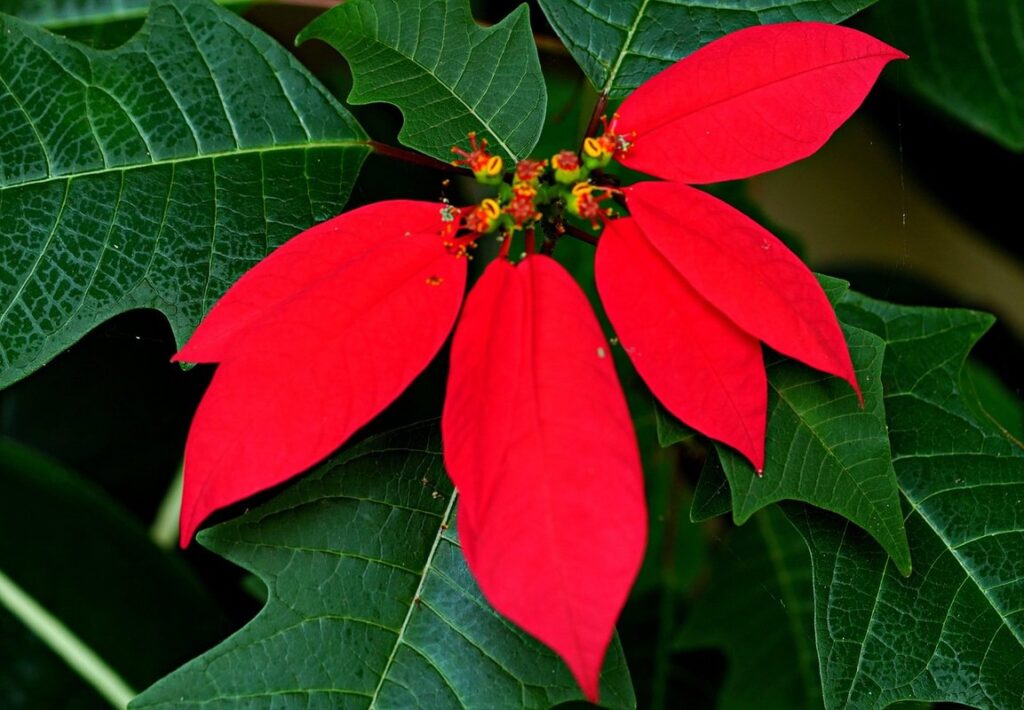
Understanding Poinsettia Seeds
Growing poinsettias from seed can be a bit of a challenge, but first, let’s talk about how long it actually takes to get your seeds sprouting into beautiful plants. With proper care, you can expect germination to occur within 1-3 months.
What You Need to Know About Poinsettia Seeds
Poinsettia seeds are not as readily available as you might think. In fact, most nurseries and online retailers sell poinsettias as already-grown plants rather than seeds. However, if you’re determined to grow a poinsettia from seed, you’ll need to track down a reputable supplier that specializes in tropical plant seeds. One such option is the American Poinsettia Society’s Seed Program.
Once you’ve obtained your seeds, it’s essential to understand their unique characteristics. Poinsettia seeds are relatively small and require specific conditions to germinate successfully. They thrive in warm temperatures between 75-85°F (24-29°C) and consistent moisture levels. Sowing them indoors around 8-10 weeks before the last frost date in your area will give them a head start on the growing season.
Keep in mind that poinsettia seeds can be temperamental, and germination rates may vary. Be patient, as it can take anywhere from 1-3 months for seeds to sprout. With proper care and attention, however, you’ll be well on your way to cultivating a thriving poinsettia plant from seed.
Choosing the Right Variety for Growth from Seed
Choosing the Right Variety for Growth from Seed is crucial to ensure successful germination and blooming. Poinsettia varieties can be broadly classified into two categories: open-pollinated (OP) and hybrid. OP varieties are more suitable for growth from seed as they tend to retain their desirable traits over generations.
When selecting a variety, consider factors such as hardiness, blooming potential, and growth habit. Some popular varieties that excel in these aspects include ‘Winter Rose’, ‘Prestige’, and ‘Jingle Bells’. These varieties are known to thrive in various climates and have a high chance of producing vibrant flowers.
To increase the chances of success, choose a variety that is specifically bred for seed production. Look for seed packets or catalogs from reputable suppliers that indicate the variety’s suitability for growth from seed. It’s also essential to read reviews and ask fellow growers about their experiences with specific varieties to make an informed decision. By selecting the right variety, you’ll be one step closer to growing a healthy and thriving poinsettia plant from seed.
Starting Poinsettia Seeds
Growing poinsettias from seed can be a rewarding experience, but it requires patience as it takes around 10 to 12 months from sowing seeds to flowering. This section explains each step of the process in detail.
Germination Techniques and Conditions
Germinating poinsettia seeds requires specific conditions to initiate growth. The ideal temperature for germination is between 70°F to 80°F (21°C to 27°C), with most seeds sprouting within 1-3 weeks. A consistent warmth is essential, as fluctuations can slow or prevent germination.
Lighting plays a crucial role in the germination process. While poinsettia seeds can tolerate some light, direct sunlight should be avoided, as it can cause overheating and reduce germination rates. Instead, use grow lights or place the seed tray near an east- or west-facing window to provide gentle, indirect light.
Maintaining proper moisture is also vital for successful germination. The soil should be kept moist but not waterlogged, with a consistent level of humidity around 50-60%. To achieve this, cover the seed tray with a clear plastic bag or a cloche to maintain a humid microclimate while allowing for some air exchange.
By controlling these conditions, you can create an optimal environment for poinsettia seeds to germinate successfully. Remember to monitor the soil’s moisture levels and adjust the temperature as needed to ensure a healthy start for your seedlings.
Seedling Care: Ensuring Healthy Growth
Once your poinsettia seeds have germinated and seedlings are about 2-3 inches tall, it’s time to start providing them with the right care. Transplanting your seedlings into individual pots will give them room to grow and develop their root system.
When transplanting, make sure the soil is moist but not waterlogged, as this can cause rot and other issues. Gently remove the seedling from its cell pack or small pot and place it in a slightly larger container filled with well-draining potting mix. Water thoroughly after transplanting to settle the soil.
Watering should be consistent but not excessive. Seedlings need about 1-2 inches of water per week, either from rain or irrigation. Be cautious not to overwater, as this can lead to root rot and other problems.
Fertilize your seedlings with a balanced, water-soluble fertilizer (10-10-10 N-P-K) at half the recommended strength. This will provide them with essential nutrients without burning their young roots. Avoid using high-nitrogen fertilizers, which can promote leaf growth at the expense of flower production.
Keep in mind that seedlings need about 4-6 weeks to develop enough to be transplanted outdoors. Be patient and enjoy watching your poinsettia plants grow into beautiful holiday flowers.
Growing Poinsettias from Seed to Maturity
Growing poinsettias from seed can be a rewarding experience, but it requires patience, as it takes around 9-12 months for the plant to mature from sowing seeds. This section will break down each stage of growth.
Transplanting and Potting Requirements
Transplanting poinsettia seedlings into larger pots or directly into the ground requires careful consideration of soil quality and size to prevent shock and promote healthy growth. When transplanting, choose a well-draining potting mix specifically designed for tropical plants like poinsettias. Avoid using regular garden soil as it may be too dense and cause root rot.
For seedlings grown in small cells or trays, wait until they have at least two sets of true leaves before transplanting. This will help ensure they have a strong enough root system to support themselves in larger containers. Gently remove the seedling from its cell or tray, taking care not to damage the roots. Place it into a slightly larger pot with a wide mouth to allow for easy watering and monitoring.
When transplanting directly into the ground, select an area with full sun to partial shade and ensure good air circulation. Dig a hole twice as deep as the seedling’s root system and twice as wide. Gently place the seedling in the hole, firming the soil around it to prevent settling. Water thoroughly after transplanting to settle the soil and provide enough moisture for establishment.
Environmental Conditions for Optimal Growth
Poinsettias are sensitive plants that require specific environmental conditions to thrive. When growing poinsettias from seed, it’s essential to provide them with the right temperature, light exposure, and humidity levels.
Temperature plays a crucial role in the growth of poinsettias. They prefer daytime temperatures between 65-75°F (18-24°C) and nighttime temperatures around 55-65°F (13-18°C). Avoid placing your poinsettia seedlings near heating vents or radiators, as this can cause them to dry out quickly.
Light exposure is also vital for poinsettias. Provide them with bright, indirect light but avoid direct sunlight, which can cause scorching. East- or west-facing windows are ideal for growing poinsettias indoors.
Humidity levels should be maintained between 50-60%. To achieve this, you can place the pot on a tray filled with water and pebbles or use a humidifier nearby. Keep in mind that overwatering is common when growing poinsettias, so ensure the soil isn’t too wet.
By controlling these environmental factors, you’ll be able to create an optimal environment for your poinsettia seedlings to grow and mature successfully.
Challenges Faced When Growing Poinsettias from Seed
Growing poinsettias from seed can be a bit more challenging than starting them from cuttings, and one of the biggest hurdles is waiting for the seeds to germinate. It can take anywhere from 10 to 30 days for seeds to sprout into tiny seedlings.
Common Issues and Their Solutions
As you embark on growing poinsettias from seed, it’s essential to be aware of common issues that may arise during the growth process. One of the most significant challenges is pests and diseases. Aphids, whiteflies, and spider mites can infest your plants, causing damage and stunted growth. Regularly inspect your seedlings for signs of infestation and treat promptly with neem oil or insecticidal soap.
Another common issue is nutrient deficiencies. Poinsettias require a balanced diet of nitrogen, phosphorus, and potassium to thrive. However, if the soil lacks these essential nutrients, it can lead to weak growth, yellowing leaves, and poor flowering. To prevent this, use a well-balanced fertilizer during the vegetative stage (weeks 1-6) and a bloom booster during the flowering stage (weeks 7-12).
It’s also crucial to address root bound issues, as poinsettias grown from seed can become pot-bound quickly. Repot your seedlings every 4-6 weeks to provide fresh soil and prevent root circling. By being aware of these common issues and taking proactive measures, you’ll be well on your way to successfully growing poinsettias from seed.
Overcoming Specific Growth Obstacles
When growing poinsettias from seed, you may encounter specific growth obstacles that can hinder progress. One common challenge is germination failure, where seeds fail to sprout despite optimal conditions. To overcome this hurdle, ensure that the soil mix has sufficient moisture and warmth (around 70-80°F). You can also try soaking the seeds in water for 24 hours before sowing.
Another obstacle is uneven growth, where seedlings develop at varying rates. This can be caused by inconsistent watering or inadequate light. To mitigate this issue, maintain a consistent watering schedule and provide your seedlings with sufficient indirect light (around 12-14 hours per day).
Germination failure can also result from using old seeds, which lose their viability over time. Use fresh seeds within the recommended timeframe for optimal results. Monitor your seedlings closely, removing any weaker or spindly growth to direct energy towards more vigorous plants.
By addressing these specific growth obstacles and providing the right conditions, you’ll increase your chances of successfully growing poinsettias from seed.
Optimizing Poinsettia Seed Growth
Growing poinsettias from seed can be a lengthy process, taking anywhere from 12 to 18 weeks of careful nurturing before they’re ready for transplant. In this section, we’ll break down that timeline and explore how you can make the most of it.
Tips for Accelerating Germination and Growth Rates
When it comes to growing poinsettias from seed, accelerating germination and growth rates can be crucial for achieving a robust crop. To boost the speed of seed germination, consider using propagation trays with high-quality seed starting mix specifically designed to retain moisture but prevent waterlogging. These specialized mixes promote even germination, reducing the likelihood of weak or spotty roots.
Another technique for speeding up growth is to utilize hydroponics. Hydroponic systems allow for precise control over nutrient delivery and pH levels, which can significantly enhance plant development. This method also reduces the risk of disease and pests that can slow down growth. If you’re new to hydroponics, consider starting with a simple NFT (Nutrient Film Technique) system.
To further accelerate growth rates, ensure your propagation environment provides optimal conditions: 65-75°F (18-24°C) temperatures, adequate humidity (around 50%), and sufficient light (aim for 14-16 hours of supplemental lighting). By implementing these strategies, you’ll be well on your way to cultivating healthy poinsettia seedlings that can thrive in the nursery.
Enhancing Blooming Potential and Color Intensity
To unlock the full blooming potential and color intensity of your poinsettia seedlings, it’s essential to provide them with a boost through nutrient supplements. Start by adding a balanced fertilizer specifically formulated for flowering plants, following the recommended dosage on the label. You can also consider using calcium nitrate or magnesium sulfate to promote healthy cell growth and development.
Pruning techniques also play a significant role in enhancing blooming potential. Pinch off tips of leggy seedlings after 6-8 weeks of growth to encourage branching and a bushier plant shape. This process, called “pinching,” stimulates the plant to focus its energy on producing more flowers rather than extending stem length.
To maximize color intensity, keep your poinsettia seedlings in a bright, sunny location with temperatures between 65°F to 70°F (18°C to 21°C). Avoid exposing them to direct sunlight during peak hours, as this can cause scorching. With proper care and attention, you’ll be rewarded with vibrant, full-bodied blooms that will make your poinsettia stand out in any room.
Harvesting and Caring for Mature Poinsettias
Now that your poinsettia plant is mature, it’s time to harvest its beautiful flowers while still caring for the delicate leaves that will continue to thrive with proper attention.
Timing and Methods for Pruning and Training
As your poinsettia plant reaches maturity, regular pruning and training will be necessary to maintain its shape and promote healthy growth. This is an essential step in the care of mature poinsettias, as it helps control the size and encourages new growth.
Timing-wise, prune and train your poinsettia during the growing season, which typically starts around late spring or early summer, depending on your location. For pruning, focus on removing any dead or damaged leaves, stems, or branches to prevent disease spread. Use clean, sharp tools for this process, as dull ones can cause damage.
To maintain a desirable shape, prune or train new growth in the direction you want it to grow. This involves gently guiding stems and branches with clips or ties, making sure not to constrict them too tightly. Regular pruning will help your poinsettia stay compact and encourage more blooms next season.
Preserving Poinsettia Cuttings for Future Growth
If you’ve fallen in love with the vibrant colors and unique shapes of your mature poinsettia plants, you’ll be happy to know that preserving cuttings from these plants is a great way to ensure their continued growth. This method allows you to propagate new plants while maintaining the same characteristics as the parent plant.
To preserve poinsettia cuttings for future growth, start by selecting healthy stems with plenty of leaves. Cut 4-6 inch sections from the tips of these stems, making sure each cutting has at least two sets of leaves. Remove lower leaves to prevent waterlogged soil and promote root development.
Dip the cut ends in rooting hormone powder or liquid to stimulate growth, then plant them in a well-draining potting mix. Water thoroughly and place the container in a warm location with bright indirect light. Keep the soil consistently moist but not waterlogged, as this can lead to root rot.
In about 3-4 weeks, you should start seeing roots develop, at which point you can transplant the cuttings into individual pots filled with fresh potting mix. With proper care and attention, these new plants will thrive just like their parent counterparts, allowing you to enjoy the beauty of poinsettias for years to come.
Frequently Asked Questions
Can I use regular potting soil for poinsettia seeds, or do they require a specific type of mix?
Yes, you’ll want to use a high-quality seed starting mix that’s specifically designed for tropical plants like poinsettias. Regular potting soil can be too dense and may not provide the necessary drainage for germination.
How long does it take to transplant poinsettia seedlings into larger containers once they’ve reached 4-6 inches tall?
It’s generally recommended to wait until the seedlings have at least 2 sets of leaves before transplanting them into individual pots. This can be anywhere from 1-3 weeks after germination, depending on growth rates.
What are some common mistakes to avoid when trying to grow poinsettias from seed, and how can I troubleshoot issues?
One common mistake is overwatering, which can lead to root rot and poor germination. Keep an eye out for yellowing leaves or soft stems, and adjust your watering schedule accordingly. You can also consult online forums or seek advice from experienced growers for specific guidance.
Can I propagate poinsettia cuttings from mature plants to save money on seeds?
Yes, you can take 4-6 inch stem cuttings from mature poinsettias and root them in a controlled environment. This method is a great way to multiply your favorite varieties and get a head start on next year’s blooms.
How do I ensure that my poinsettia plants receive the right amount of light for optimal growth and blooming?
Poinsettias require bright, indirect light to photosynthesize properly. Aim to provide at least 4-6 hours of direct sunlight per day, or use grow lights to supplement natural lighting. Avoid placing your plants in dark corners or areas with intense direct sunlight, as this can cause scorching and poor growth.