
Are you ready to grow your own delicious zucchini plants? With its versatility in both savory and sweet dishes, it’s no wonder that many gardeners want to learn how to cultivate this nutritious veggie. But growing zucchini requires more than just throwing some seeds in the ground – it demands attention to detail from seedling selection to harvesting.
In this article, we’ll take you through the entire process of growing a thriving zucchini plant, including tips on choosing the right soil, fertilizing for optimal growth, managing common pests, and storing your harvest for long-term enjoyment. Whether you’re a seasoned gardener or just starting out, our expert advice will have you enjoying homegrown zucchini in no time!
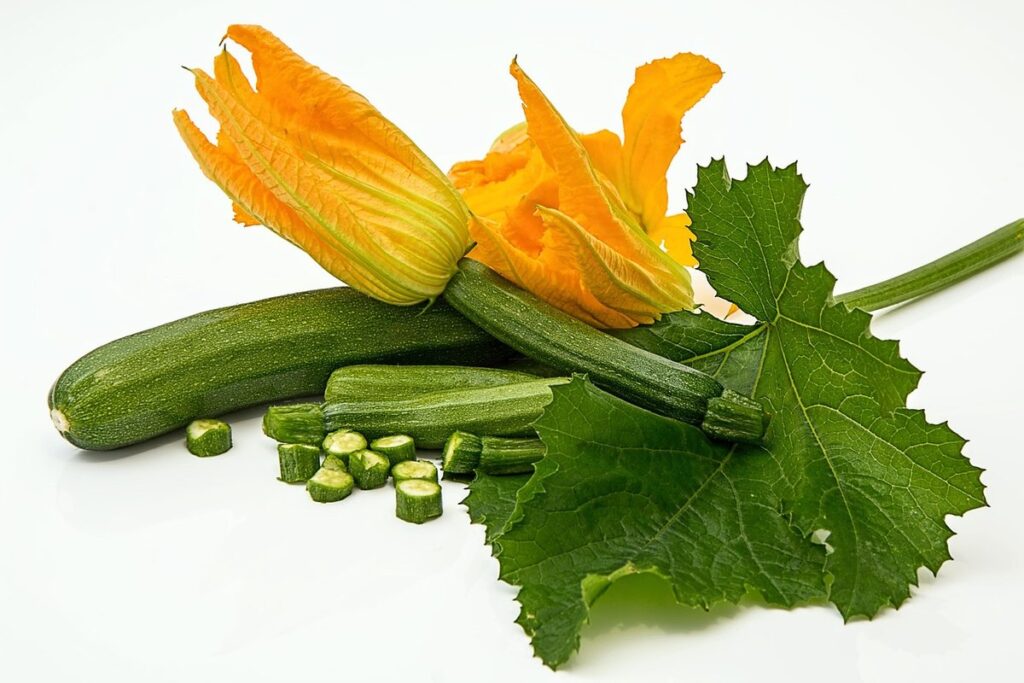
Understanding Zucchini Plant Basics
To grow zucchini plants successfully, you need a solid understanding of their basic needs and requirements. This section will cover the essential aspects to get you started on your gardening journey with zucchini.
Types of Zucchini
There are numerous varieties of zucchini plants, each with its unique characteristics and uses in cooking. Among them, ‘Black Beauty’ is a popular choice for its dark green skin and dense, flavorful flesh. It’s ideal for grilling or roasting due to its slightly sweet taste.
On the other hand, ‘Costata’ is another well-known variety that boasts an unusual ribbed texture and elongated shape. Its pale green skin makes it suitable for stuffing, while its mild flavor pairs well with herbs like basil.
In addition to these two, there’s also ‘Round Robin’, which has a compact growth habit and produces small, spherical fruits. This variety is perfect for container gardens or small spaces where space is limited.
When choosing a zucchini variety, consider the cooking methods you prefer and the space available in your garden. Some varieties are more disease-resistant than others, so be sure to check their specific needs before planting.
How to Choose a Healthy Seedling
When selecting a healthy zucchini seedling, there are several key factors to consider. First and foremost, take a look at the stem thickness. A healthy zucchini seedling should have a sturdy stem that is at least 1/4 inch thick. This will help support the weight of the plant as it grows. If the stem is too thin, it may become weakened and prone to damage from wind or other environmental factors.
Next, inspect the leaf color. Zucchini leaves should be a deep green color with no signs of yellowing or discoloration. A healthy seedling will also have a good balance of leaf size, with larger leaves at the bottom of the plant gradually decreasing in size towards the top.
Another important factor to consider is root development. Gently remove the seedling from its pot and inspect the roots. Look for a good network of fine white roots that are evenly spaced around the base of the stem. Avoid seedlings with circling or tangled roots, as this can indicate poor soil quality or insufficient root growth.
Planting Zucchini for Maximum Yield
To get the most out of your zucchini harvest, you’ll want to plant them at the right time and with the optimal spacing in mind. Let’s dive into these crucial steps.
Preparing the Soil
When it comes to growing zucchini plants, one of the most crucial steps is preparing the soil. This may seem like a no-brainer, but trust us – a well-prepared soil can make all the difference in the world when it comes to maximizing your yield.
First and foremost, you’ll want to consider the pH level of your soil. Zucchini plants prefer a slightly acidic to neutral soil pH, ranging from 6.0 to 7.0. If your soil is too alkaline or too acidic, it can stunt your plant’s growth or even prevent it from germinating altogether. To check your soil’s pH level, you can purchase a DIY testing kit or send a sample to a lab for analysis.
In terms of nutrient requirements, zucchini plants are heavy feeders and will appreciate a rich, well-balanced fertilizer. Look for a fertilizer with a 5-10-5 NPK ratio (nitrogen-phosphorus-potassium) and follow the instructions carefully to avoid over-fertilizing. Additionally, consider incorporating compost or well-rotted manure into your soil to provide beneficial microorganisms and improve drainage.
Good drainage is also essential for zucchini plants, as they’re prone to root rot in waterlogged conditions. To ensure optimal drainage, create raised beds or mounds with a slight slope to allow excess water to flow away from the roots. Finally, loosen the top 6-8 inches of soil to a depth that allows your seeds or seedlings to grow comfortably – and you’ll be off to a great start!
Sowing Seeds vs. Seedlings
When it comes to planting zucchini, you have two main options: sowing seeds directly into the garden or starting with seedlings. Both methods have their pros and cons, which we’ll explore below.
Sowing seeds directly into the garden can be a cost-effective and time-efficient approach. This method allows you to skip the step of transplanting seedlings, which can be stressful for young plants. Additionally, direct sowing can lead to faster growth rates, as the roots don’t need to adjust to a new environment. However, this method also means that your zucchini will be more susceptible to disease and pests in the early stages.
On the other hand, starting with seedlings provides a head start on the growing season. Seedlings are already several weeks old when transplanted, which gives them a better chance of survival and reduces the risk of disease. However, this method requires more time and effort, as you need to purchase seeds, sow them indoors, and eventually transplant them into the garden.
To balance both methods, consider starting your zucchini with indoor seedlings and then transplanting them outdoors when they’re strong enough. This approach allows you to tap into the benefits of both worlds: the speed of direct sowing and the resilience of seedlings.
Caring for Zucchini Plants Throughout Their Life Cycle
As you nurture your zucchini plants through their life cycle, it’s essential to provide them with optimal care at each stage of growth. From seedling to harvest, we’ll walk you through what to do next.
Watering and Irrigation Strategies
Zucchini plants require consistent moisture, especially when they’re producing fruit. However, overwatering can be detrimental to their health. To strike a balance, it’s essential to establish an optimal watering schedule.
Start by checking the soil moisture every morning. You can do this by inserting your finger into the soil up to the first knuckle. If the soil feels dry, it’s time to water. Water your zucchini plants deeply once or twice a week, depending on weather conditions. Aim for about 1-2 inches of water per week.
Monitor the soil moisture closely during hot spells, as zucchini plants need more water in these situations. Also, be cautious not to overwater when you’re getting regular rainfall. You can also use a moisture meter to accurately determine the soil’s moisture levels.
To make watering more efficient, consider using drip irrigation or soaker hoses. These systems deliver water directly to the roots, reducing evaporation and runoff. By following these tips, you’ll be able to provide your zucchini plants with the right amount of water throughout their life cycle.
Fertilization and Pest Management
As your zucchini plants continue to grow and thrive, it’s essential to provide them with the right nutrients to maximize their yields. Fertilization plays a crucial role in maintaining healthy plant growth, but you also need to be aware of common pests that can damage your crop.
For fertilizers, opt for balanced formulas that contain nitrogen (N), phosphorus (P), and potassium (K). A 10-10-10 N-P-K ratio is an excellent starting point. You can use granular or liquid fertilizers, depending on your preference. For example, compost tea is a popular choice as it’s eco-friendly and provides essential micronutrients.
Common pests like aphids, whiteflies, and powdery mildew can wreak havoc on your zucchini plants if left unchecked. To manage these issues:
* Inspect your plants regularly for signs of infestation.
* Use neem oil or insecticidal soap to control aphid populations.
* Encourage beneficial insects, such as ladybugs and lacewings, which prey on pests.
* Practice good hygiene by removing weeds that can harbor pests.
Maintaining a healthy balance between fertilization and pest management will ensure your zucchini plants produce an abundance of delicious fruit all season long.
Common Pests and Diseases Affecting Zucchini Plants
As you care for your zucchini plants, it’s essential to be aware of the common pests and diseases that can affect their health, causing damage and reducing yields. Let’s take a closer look at what to watch out for.
Identifying Common Issues
Zucchini plants are susceptible to various common issues that can hinder their growth and productivity. One of the most prevalent issues is fungal diseases, which thrive in warm and humid conditions. Powdery mildew and fusarium wilt are two of the most common fungal diseases affecting zucchini plants.
Bacterial spot is another significant issue, caused by the bacterium Xanthomonas campestris. It’s characterized by small, circular spots on the leaves that can spread rapidly if left untreated. To manage bacterial spot, make sure to maintain good air circulation around your plants and remove any infected leaves.
Insect-borne illnesses are also a common problem for zucchini plants. Aphids, whiteflies, and squash bugs are some of the most notorious pests that can transmit diseases like curly leaf and cucumber mosaic virus. Regularly inspect your plants and use neem oil or insecticidal soap to control infestations. Be sure to monitor your plants’ health closely, as early detection is key to preventing these issues from spreading.
Early signs of common issues may include yellowing leaves, stunted growth, and a general decline in plant vigor. By recognizing the warning signs and taking prompt action, you can prevent the spread of these problems and ensure a healthy crop of zucchini.
Organic Solutions for Pest Control
When it comes to growing zucchini plants, managing pests and diseases is an essential part of the process. While chemical pesticides can be effective in the short term, they can also have negative impacts on the environment and human health. Instead, consider using organic solutions that are both eco-friendly and effective.
One popular option is neem oil, a natural pesticide derived from the seeds of the neem tree. Neem oil works by disrupting the growth of insects and fungi, preventing them from reproducing and ultimately killing them off. To use neem oil effectively, mix it with water according to the label instructions and spray it on your zucchini plants.
Another option is diatomaceous earth, a natural powder made from fossilized algae. Diatomaceous earth works by dehydrating pests, causing them to die off quickly. Simply sprinkle the powder around the base of your zucchini plants or mix it with water to create a spray.
Companion planting is another effective way to manage pests and diseases in your zucchini plants. Some examples include planting marigolds alongside your zucchini to deter nematodes, or basil near your plants to repel aphids. By incorporating these organic solutions into your growing routine, you can keep your zucchini plants healthy and thriving while minimizing harm to the environment.
Harvesting and Storing Zucchini for Maximum Enjoyment
To get the most out of your zucchini crop, you’ll want to learn how to properly harvest and store these versatile summer squash for maximum enjoyment. We’ll cover the best practices for both!
Knowing When to Pick
When harvesting zucchini, timing is everything. To ensure you pick the fruit at its peak ripeness, consider a combination of size, color, and texture. For the most part, zucchinis are ready to be picked when they reach a length of about 6-8 inches (15-20 cm). However, some varieties may continue to grow longer without reaching full maturity.
As for color, a mature zucchini will typically turn from a bright green to a more muted yellow or creamy tone. Keep in mind that this doesn’t necessarily indicate ripeness – some varieties may remain green even when overripe. The best way to determine the optimal harvest time is by checking the texture of the skin. It should be slightly soft to the touch but still firm enough to hold its shape.
If you’re unsure whether your zucchini is ready, gently twist it at the stem end. If it comes off easily, it’s likely overripe and may not store well. On the other hand, if the stem resists twisting, it’s probably not yet mature. With practice, you’ll develop a sense of when to pick your zucchinis for optimal flavor and texture.
Tips for Long-Term Storage
When you’ve harvested your zucchinis and want to enjoy them beyond the summer season, proper storage is key. To keep your freshly picked zucchini fresh for a longer period, follow these storage methods:
Firstly, if you plan to use your zucchinis within 2-3 days, store them at room temperature away from direct sunlight. Keep them in a breathable container or bag, and make sure they’re not crushed or bruised.
For longer-term storage (up to 1 week), place the zucchinis in the refrigerator. The ideal temperature is between 32°F (0°C) and 40°F (4°C). Store them separately from other fruits and vegetables to prevent moisture transfer, which can lead to spoilage.
If you want to keep your zucchinis for an even longer period, consider freezing or pickling. Freezing prevents the loss of nutrients and flavor, while pickling allows for a more convenient storage option. To freeze, simply slice, dice, or spiralize your zucchinis before placing them in an airtight container or freezer bag. When ready to use, thaw frozen zucchini by leaving it at room temperature for 30 minutes.
By following these simple storage tips, you’ll be able to enjoy your homegrown zucchinis well beyond the summer harvest season!
Troubleshooting Common Zucchini Growing Issues
Don’t worry if your zucchini plants aren’t thriving – we’ve got you covered. This section tackles common problems and provides solutions to get your zucchini growing strong again.
Overwatering and Root Rot
Overwatering and root rot are two of the most common issues that can plague zucchini plants. When you overwater, the roots become waterlogged, making it difficult for oxygen to reach them. This leads to root rot, which is a fungus that breaks down plant tissue and causes the roots to decay.
To prevent overwatering, make sure to check the soil moisture by sticking your finger into the soil up to the knuckle. If the soil feels dry, it’s time to water. Avoid getting water on the leaves or crown of the plant, as this can encourage fungal growth. Instead, water at the base of the plant, allowing the soil to absorb what it needs.
Symptoms of root rot include yellowing or droopy leaves, a soft or mushy stem, and a sour smell from the soil. If you suspect your zucchini plant is suffering from root rot, stop watering immediately and treat the soil with a fungicide. To prevent root rot in the future, make sure to repot your zucchini plant in well-draining potting mix and provide good air circulation around the plant.
By being mindful of water intake and providing the right growing conditions, you can avoid overwatering and root rot altogether.
Poor Growth and Yield
When it comes to growing zucchini plants, there’s nothing more frustrating than seeing them struggle with poor growth and yield. If you’re noticing stunted growth, weak stems, or a disappointing harvest, there are several potential reasons to consider.
One common culprit behind poor growth is nutrient deficiencies. Zucchini plants require a balanced diet of nitrogen, phosphorus, and potassium to thrive. However, if the soil lacks these essential nutrients, it can hinder plant development. For example, a lack of nitrogen can cause yellowing leaves and reduced foliage growth.
Temperature fluctuations are another issue that can affect zucchini growth. While they prefer warm temperatures between 65°F to 95°F (18°C to 35°C), extreme heat or cold can damage the plants. Soil compaction is also a problem in some areas, as it restricts root growth and prevents the plant from accessing vital nutrients.
To address these issues, make sure your zucchini plants are receiving enough water and nutrients through regular fertilization. Check the soil temperature regularly to avoid exposing them to extreme temperatures. If you suspect soil compaction, try loosening the top 6-8 inches of soil around each plant using a fork or spade. By identifying and correcting these problems, you can help your zucchini plants reach their full potential.
Frequently Asked Questions
What are some essential tools I need to get started with growing zucchini?
You’ll need basic gardening tools like a shovel, trowel, watering can, and gardening gloves. Additionally, consider investing in a soil test kit to ensure your soil is suitable for zucchini growth.
How do I prevent overwatering, which can lead to root rot and poor growth?
Overwatering is common when growing zucchini. To avoid it, check the soil moisture regularly by inserting your finger into the soil up to the knuckle. Water only when the top inch of soil feels dry to the touch.
What’s a good way to rotate my zucchini crop to maintain optimal yield and prevent pests?
Rotate your zucchini crop every season to break disease and pest cycles. For example, if you planted zucchini in the east-facing bed last season, try planting it in a different area this time around. This will also help improve soil fertility.
Can I grow zucchini in containers or is it best suited for traditional garden beds?
Zucchini can be grown in containers, but make sure they are at least 12-18 inches deep and have good drainage holes to prevent waterlogged soil. Use a well-draining potting mix specifically designed for container gardens.
How long does it take for zucchini seeds to germinate, and what’s the optimal temperature range?
Zucchini seeds typically take 3-5 days to germinate in warm temperatures (above 60°F) with consistent moisture. Sow seeds directly in the garden or start them indoors 2-3 weeks before the last frost date.