
Growing your own peppers in Florida can be a thrilling experience, but it requires some knowledge of the subtropical climate. As a pepper enthusiast, you’re probably eager to know which varieties thrive in our state’s warm and humid conditions. With so many types of peppers to choose from, selecting the right ones for your garden can be overwhelming. But don’t worry, we’ve got you covered! In this comprehensive guide, we’ll walk you through everything you need to know about growing peppers in Florida, including choosing the perfect varieties, preparing the soil, planting and watering techniques, and effective pest management methods. By the end of this article, you’ll be well-equipped to grow delicious and healthy peppers right in your own backyard.
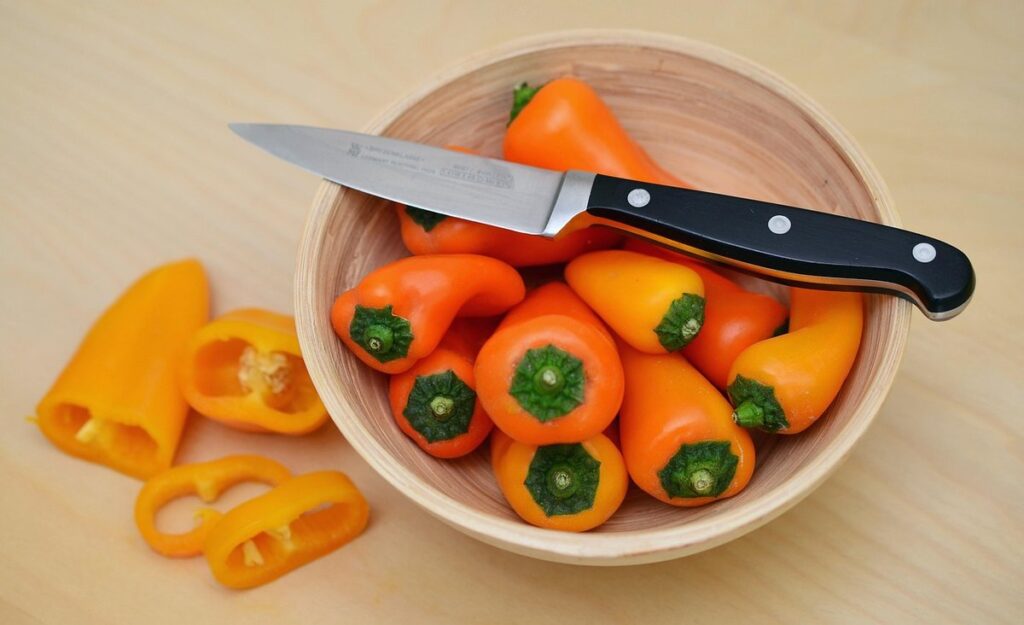
Choosing the Right Pepper Variety for Florida’s Climate
When selecting pepper varieties for your Florida garden, it’s essential to choose ones that thrive in the state’s subtropical climate and can tolerate its unique weather conditions.
Understanding Pepper Types and Their Adaptability
When it comes to growing peppers in Florida’s subtropical climate, understanding the different types of peppers and their adaptability is crucial for a successful harvest. There are several pepper varieties, each with its unique characteristics, tolerance to heat, humidity, and sunlight.
Bell peppers, for instance, prefer cooler temperatures and well-drained soil, making them ideal for Florida’s spring or fall seasons. Jalapeno and other hot pepper varieties thrive in warmer weather and can tolerate high humidity levels. Sweet peppers, on the other hand, are more adaptable and can grow well in a range of conditions.
Consider factors like heat tolerance when selecting pepper varieties. Some peppers, such as Anaheim and Poblano, can handle temperatures up to 90°F (32°C), while others may bolt or become stressed in high heat. Also, keep in mind the sunlight requirements for your chosen variety. Some peppers need full sun, while others prefer partial shade.
When choosing a pepper variety, consider factors like disease resistance, growth habit, and expected yield. This will help you select varieties that fit your specific growing conditions and preferences.
Factors to Consider When Selecting a Pepper Variety
When selecting pepper varieties for your Florida garden, there are several factors to consider. Disease resistance is one of the most critical considerations, as peppers are prone to fungal diseases like powdery mildew and bacterial leaf spot. Look for varieties that have built-in resistance or tolerance to these diseases, such as ‘Bell Boy’ or ‘California Wonder’.
Growth habits are another essential factor to think about. Some pepper plants can grow quite large, while others remain compact and bushy. If you’re short on space, consider growing a patio pepper variety like ‘Thai Hot’ or ‘Bird’s Eye’. On the other hand, if you have plenty of room to spare, go for a larger plant like ‘Big Bertha’ that will produce an abundance of fruit.
Finally, think about your personal preferences when it comes to flavor. Do you like sweet bell peppers or spicy hot peppers? Some popular varieties in Florida include the sweet and mild ‘Sweet Mini Bell’ and the hot and smoky ‘Jalapeño’. Consider growing multiple varieties to cater to different tastes and uses in the kitchen. By taking these factors into account, you can choose pepper varieties that thrive in Florida’s climate and meet your specific needs.
Preparing the Soil for Optimal Growth
Before you start planting, it’s essential to prepare your soil for optimal growth. This involves selecting a well-draining location and incorporating organic matter into the soil.
Understanding Florida’s Soil Types and pH Levels
Florida’s soil types and pH levels can significantly impact the growth of your peppers. The state’s geology is characterized by a mix of sand, clay, and limestone, resulting in various soil compositions. Sandy soils, common in coastal areas, drain quickly but may lack nutrients, while clay soils in central Florida retain water but can be heavy and difficult to work with.
To determine the type of soil you have, perform a simple test: dig a small hole about 12 inches deep and fill it with water. If the water drains quickly, your soil is likely sandy; if it takes several hours or even days to drain, it’s probably clay. You can also check for pH levels using a DIY kit available at most gardening stores.
The ideal pH range for peppers in Florida is between 6.0 and 7.0. To adjust the pH of your soil, add lime to raise the level or sulfur to lower it. A more cost-effective approach is to use organic matter like compost or well-rotted manure to improve soil structure and fertility.
It’s essential to understand that different pepper varieties have varying tolerance levels for different soil conditions. For example, bell peppers prefer a slightly acidic pH, while hot peppers can thrive in more alkaline environments.
Amending Soils for Better Pepper Growth
When it comes to growing peppers in Florida’s climate, amending soils with organic matter, fertilizers, and other materials can make all the difference. Peppers need well-draining soil that’s rich in nutrients to thrive, and Florida’s heavy rainfall and high temperatures can quickly deplete soil quality.
To improve drainage, try incorporating compost or well-rotted manure into your soil. These organic amendments help break up clay soils and allow excess water to seep away, reducing the risk of root rot. For areas with sandy soils, mix in a layer of peat moss or coconut coir to retain moisture and suppress weed growth.
When it comes to fertilizing peppers, use a balanced fertilizer (10-10-10 NPK) as directed by the manufacturer. You can also side-dress with a high-phosphorus fertilizer (10-20-10 NPK) to promote fruiting and flowering. Avoid over-fertilizing, which can lead to weak growth and reduced yields.
Some popular soil amendments for peppers include fish bone meal, alfalfa meal, and blood meal. These natural fertilizers provide a slow release of nutrients that support healthy root development and fruit production. Always follow the recommended application rates to avoid overloading your plants with excess nutrients.
Planting Peppers at the Right Time
When growing peppers in Florida, timing is crucial for a bountiful harvest. We’ll walk you through the ideal seasons to plant and transplant pepper seeds.
Understanding Florida’s Growing Season
When planting peppers in Florida, it’s essential to understand the state’s growing season to ensure optimal growth and yields. The Sunshine State has a subtropical climate, with temperatures varying across different regions. This affects the best times for planting peppers.
In general, spring (late March to early May) and fall (September to November) are ideal seasons for planting peppers in Florida. During these periods, temperatures are relatively mild, averaging between 60°F and 80°F. This allows pepper plants to thrive without extreme heat stress or cold damage. In the northern parts of the state, such as Pensacola and Panama City, spring is the best time to plant, while in central and southern regions like Orlando and Miami, fall is preferred.
In terms of specific planting dates, consider the last frost date for your area. For example, in Tampa, which has a March 15th last frost date, you can start planting peppers as early as late January. Conversely, areas with earlier last frost dates, such as Jacksonville (February 20th), should wait until mid-February to plant. By understanding these optimal planting times, you’ll be able to give your pepper plants the best chance of success.
Planning Ahead: Preparing Beds and Starting Seeds Indoors
To ensure a bountiful pepper crop in Florida’s subtropical climate, planning ahead is crucial. Start by preparing your beds for spring planting, typically between late March and early May, when the soil has warmed up to at least 60°F (15°C). Before you begin, test your soil pH and amend it if necessary, as peppers prefer a slightly acidic to neutral soil pH (6.0-7.0).
For those who want an earlier start, consider starting seeds indoors 8-10 weeks before the last frost date in your area. Use seed trays or small pots filled with a well-draining seed mix and keep them in a warm location with temperatures around 75°F (24°C). Once seedlings have 2-3 sets of leaves, transplant them into larger containers or directly into beds.
When transplanting seedlings, choose a cloudy day to minimize stress. Harden off the seedlings by gradually exposing them to outdoor conditions over the course of 7-10 days before moving them to their permanent location. This will give your pepper plants the best chance to thrive in Florida’s hot and humid climate.
Watering and Mulching Techniques
Now that you’ve got your pepper plants growing, let’s focus on keeping them happy and healthy by mastering effective watering and mulching techniques in Florida’s climate. Proper hydration is key to a bountiful harvest!
Optimizing Water Intake for Peppers
When it comes to growing peppers in Florida’s hot and humid climate, optimizing water intake is crucial for their growth. Peppers are sensitive to overwatering, which can lead to root rot and other issues. To ensure your pepper plants receive the right amount of water, start by checking the soil moisture levels regularly.
You can use a soil probe or simply stick your finger into the soil up to the knuckle. If the soil feels dry, it’s time to water. Aim for about 1-2 inches of water per week, either from rain or irrigation. Drip irrigation is an excellent method for peppers in Florida as it delivers water directly to the roots, reducing evaporation and runoff.
For mulching, apply a layer of organic material like bark chips or straw around the plants to retain moisture and suppress weeds. Monitor your pepper plants’ response to watering schedules and adjust as needed. In general, peppers require more water when they’re fruiting and less during dormant periods. Keep in mind that soil type and weather conditions can affect watering needs.
Some general guidelines for Florida’s regions are:
* Northern part of the state: Water every 7-10 days
* Central region: Water every 5-7 days
* Southern part of the state: Water every 3-5 days
Benefits of Mulching for Pepper Plants
Mulching around pepper plants offers numerous benefits that can significantly impact their growth and productivity. One of the primary advantages is weed suppression. Mulch creates a barrier that prevents weeds from germinating and growing, reducing competition for water and nutrients. This allows pepper plants to focus on healthy growth and fruit production.
Another benefit of mulching is temperature regulation. During extreme heat or cold snaps, mulch helps insulate the soil, keeping it cooler in summer and warmer in winter. This consistent temperature promotes balanced growth, reduces stress, and encourages fruiting. For example, a 2-inch layer of organic mulch can reduce soil temperature by up to 10°F (5.6°C) during hot summer months.
Mulching also plays a crucial role in soil conservation. It retains moisture, reducing the need for frequent watering and preventing erosion caused by heavy rainfall. By retaining soil moisture, mulch ensures that pepper plants have access to consistent water levels throughout their growth cycle, promoting healthy root development and fruiting. To get started with mulching, use a 2-3 inch layer of organic material like straw or bark chips around the base of your pepper plants.
Common Pests and Diseases Affecting Peppers in Florida
As you work towards growing perfect peppers in Florida, it’s essential to know what pests and diseases are lurking in your garden, waiting to strike your prized plants. This section will highlight common issues to watch out for.
Identifying Common Pest Problems (e.g., aphids, whiteflies)
Peppers are one of the most popular garden crops in Florida, but they can be susceptible to various pests that can cause significant damage. Identifying common pest problems is essential for effective management and prevention. Aphids, whiteflies, and spider mites are some of the most common pests affecting peppers in Florida.
Aphids are small, soft-bodied insects that feed on plant sap, causing curled or distorted leaves. Whiteflies, on the other hand, are tiny flying insects that suck plant sap, leading to yellowing or stunted growth. Spider mites are microscopic arachnids that feed on plant cells, causing fine webbing and bronzing of leaves.
Integrated Pest Management (IPM) is a holistic approach to managing pests, combining physical, cultural, biological, and chemical controls. In Florida, IPM for peppers involves monitoring for pest populations, using resistant varieties, introducing beneficial insects, and applying targeted pesticides only when necessary. Regularly inspecting your pepper plants, keeping the garden clean, and maintaining optimal growing conditions can also help prevent pest infestations. By understanding these common pests and implementing effective management strategies, you can enjoy a healthy and productive pepper crop in Florida.
Recognizing and Controlling Pepper-Related Diseases (e.g., powdery mildew)
As a pepper grower in Florida, it’s essential to recognize and control diseases that can affect your crop. One of the most common pepper-related diseases in the state is powdery mildew. This fungal disease causes a white, powdery coating on leaves and stems, leading to reduced growth and fruit production.
To diagnose powdery mildew, look for yellowing or browning leaves, stunted plant growth, and a white, cottony appearance on infected areas. Inspect your plants regularly, as early detection is crucial for effective treatment. To control powdery mildew, use fungicides specifically labeled for pepper crops. Organic options like neem oil and copper-based products can also be effective.
In addition to powdery mildew, other common pepper diseases in Florida include bacterial leaf spot and tobacco mosaic virus. Bacterial leaf spot causes small, circular lesions on leaves, while tobacco mosaic virus can lead to mottled or distorted leaves. To prevent disease spread, practice good garden hygiene by removing infected plants, disinfecting tools, and rotating crops.
Regularly inspect your plants for signs of disease, and treat promptly if necessary. By recognizing the symptoms of common pepper diseases in Florida and taking control measures, you can protect your crop and enjoy a healthy harvest.
Harvesting and Preserving Peppers
Now that you’ve nurtured your pepper plants to perfection, it’s time to harvest and preserve them for a flavorful year-round enjoyment. Learn essential tips on how to pick, store, and enjoy your homegrown peppers.
Knowing When to Pick Peppers
Knowing when to pick peppers can be a bit tricky, especially for Florida gardeners who have to contend with the state’s unique climate. Generally, peppers are ready to harvest when they reach their full color and have a glossy appearance. However, it’s not just about waiting until they’re fully ripe – picking peppers at different stages of ripeness will affect their quality and shelf life.
For bell peppers, wait until they turn from green to their final color, whether that’s red, yellow, orange or purple. If you pick them too early, they’ll be seedy and taste bitter. On the other hand, if you let them over-ripen, they’ll become mushy and less flavorful. For smaller peppers like Thai chilies or bird’s eye chilies, use a slightly different approach – pick them when they’re still green but have started to turn red.
If you notice a pepper starting to wrinkle or develop soft spots, it’s likely over-ripe. Check for this daily to avoid missing the optimal harvest time.
Techniques for Preserving Fresh Peppers
When it’s time to enjoy your homegrown peppers beyond the harvest season, preserving them is a great way to make the most of your crop. Freezing and dehydrating are two popular methods for keeping fresh peppers flavorful and nutritious.
To freeze peppers, start by washing and chopping or slicing them as desired. Next, blanch the peppers in boiling water for 2-3 minutes to inactivate enzymes that can cause spoilage. Then, submerge them in an ice bath to stop the cooking process. Package the peppers in airtight containers or freezer bags, making sure to remove as much air as possible before sealing.
Dehydrating is another excellent way to preserve peppers. Slice or chop the peppers and dry them using a food dehydrator or by placing them in a single layer on a baking sheet in a low-temperature oven (150°F – 200°F). Store dried peppers in airtight containers, where they’ll retain their flavor and texture for up to six months.
Proper storage is key to maintaining the quality of preserved peppers. Keep frozen peppers at 0°F (-18°C) or below, while dehydrated peppers should be stored in a cool, dry place away from direct sunlight. By following these simple techniques, you can enjoy your homegrown peppers year-round and preserve their unique flavors for months to come.
Frequently Asked Questions
Can I grow peppers year-round in Florida, or are there specific seasons for planting?
Yes, while it’s technically possible to grow peppers year-round in Florida’s subtropical climate, the best time to plant depends on your location within the state. Generally, spring (March-May) and fall (September-November) are ideal times for growing peppers in Florida due to the milder temperatures. Avoid planting during the hottest summer months when pepper plants can be more susceptible to disease.
How do I troubleshoot common issues like yellowing leaves or stunted growth on my pepper plants?
Common problems like yellowing leaves or stunted growth often stem from overwatering, nutrient deficiencies, or pests/diseases. Inspect your plants regularly for signs of pests and diseases, and adjust your watering schedule to ensure the soil drains well. Fertilize your peppers with a balanced fertilizer (e.g., 10-10-10 NPK) once a month during the growing season.
Can I grow multiple pepper varieties together in the same bed?
Yes, but it’s essential to choose pepper varieties that have similar growth habits and space requirements. Some pepper varieties can be quite compact or spread out, while others may require more support as they grow. Consider companion planting to maximize your garden’s productivity – some peppers complement each other well (e.g., bell peppers repel nematodes), but make sure not to overcrowd the bed.
How do I know when my peppers are ready for harvest?
Peppers are typically ready for harvest when they reach their full color and firmness. For sweet peppers, this usually occurs 70-80 days after transplanting. Hot peppers may require a bit longer – around 90-100 days. Gently twist the pepper to avoid damaging it or the stem; if it doesn’t come off easily, wait another day or two.
Can I save seeds from my own pepper harvest for replanting next season?
Yes, saving seeds from your harvested peppers can be an excellent way to propagate new plants and preserve heirloom varieties. However, make sure to select healthy, disease-free peppers with desirable traits. Harvest the peppers at full maturity when they are fully ripe, then dry them thoroughly before extracting the seeds. Store the seeds in a cool, dry place for up to 5 years or more.