
Are you ready to spice up your garden with the most versatile and delicious plant around? Pepper plants are a favorite among gardeners, but even experienced growers can struggle with getting the best harvest. With so many varieties to choose from, knowing where to start can be overwhelming. In this ultimate guide, we’ll walk you through everything you need to know about growing pepper plants. From selecting the right soil and pruning techniques to managing pests and harvesting your peppers at the perfect time, we’ve got you covered. Whether you’re a seasoned gardener or just starting out, our expert tips will help you grow a bountiful crop of juicy, flavorful peppers that’ll add excitement to any dish. Let’s get growing!
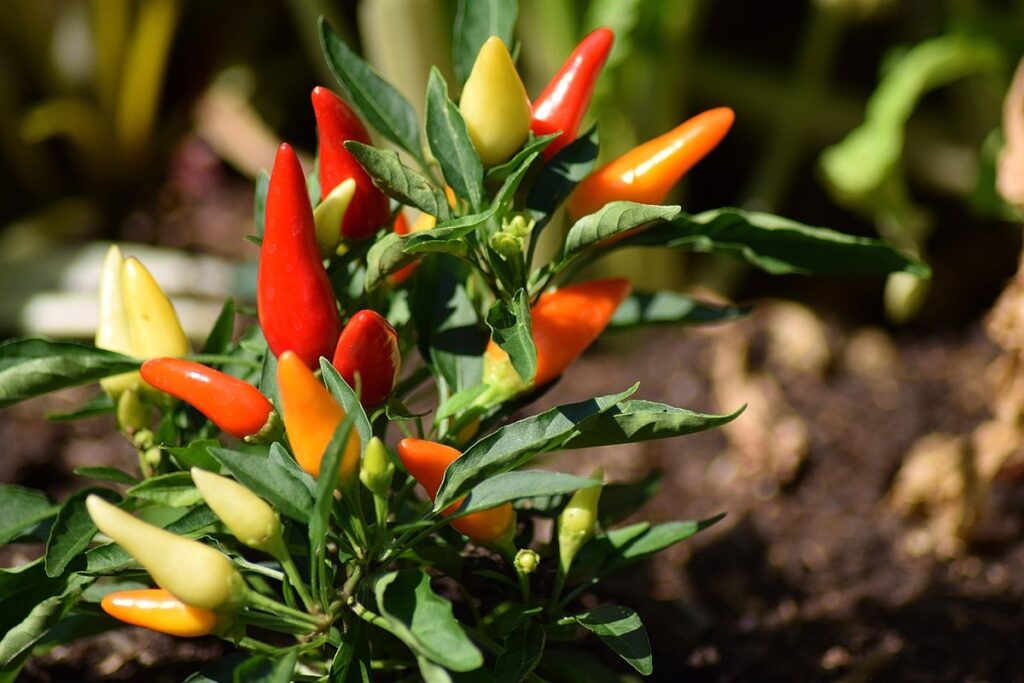
Section 1: Choosing the Right Pepper Plant Variety
When it comes to growing pepper plants, selecting the right variety is crucial for success. Let’s dive into the key factors to consider when choosing a pepper plant that thrives in your garden.
Types of Peppers to Grow
When it comes to growing pepper plants, one of the most crucial decisions is choosing the right variety. With hundreds of pepper types to choose from, selecting the perfect pepper for your garden can be a daunting task.
Let’s break down some of the main types of peppers you can grow in your garden:
Sweet Bell Peppers are one of the most popular varieties, known for their crunchy texture and sweet flavor. They come in a range of colors, including green, red, yellow, orange, and purple. Sweet bell peppers prefer well-drained soil and full sun to partial shade.
Hot Peppers, on the other hand, pack a punch with their intense heat. From mild Anaheim Peppers to scorching hot Habanero Peppers, there’s a variety of hot peppers for every level of spice tolerance. Hot peppers require similar growing conditions to sweet bell peppers but need more space due to their sprawling growth.
Specialty Peppers like Padron and Cubanelle add a unique twist to any garden. These small to medium-sized peppers are often used in Mediterranean cuisine and have a slightly sweet, smoky flavor. They prefer well-drained soil and full sun, making them ideal for containers or small gardens.
Ultimately, the type of pepper you choose will depend on your personal taste preferences, cooking needs, and available growing space. By selecting the right variety for your garden, you’ll be one step closer to enjoying a bountiful harvest of delicious peppers all season long!
Understanding Pepper Scoville Heat Units (SHU)
When it comes to growing pepper plants, understanding the concept of Scoville Heat Units (SHU) is crucial. This measurement helps you determine just how spicy a particular pepper variety will be. The SHU rating is calculated by quantifying the amount of capsaicin present in a pepper. Capsaicin is the compound responsible for the heat or spiciness we experience when eating peppers.
To put it into perspective, let’s consider some common pepper varieties and their corresponding SHU ratings:
* Bell peppers: 0 SHU (mild)
* Jalapeño: 2,500-8,000 SHU (medium-hot)
* Cayenne pepper: 30,000-50,000 SHU (hot)
* Habanero: 100,000-350,000 SHU (extremely hot)
When choosing a pepper variety, consider the level of heat you prefer. If you’re new to growing peppers or want a mild flavor, stick with Bell or Poblano peppers. For those who enjoy a moderate kick, Jalapeño or Anaheim peppers are great options. If you dare to try the hottest peppers, Habanero or Ghost Peppers might be for you.
Remember that SHU ratings can vary depending on factors like weather conditions and soil quality. However, using this guide will help you make an informed decision when selecting a pepper variety to grow in your garden.
Section 2: Preparing the Soil and Climate for Pepper Plants
Before you can grow healthy pepper plants, it’s essential to prepare their environment by selecting the right soil type and climate conditions that suit them best.
Creating an Optimal Growing Environment
Growing pepper plants requires specific climate conditions to thrive. Ideally, peppers prefer full sun, warm temperatures between 65-75°F (18-24°C), and moderate humidity levels around 50-60%. However, these requirements can be challenging for areas with extreme climates or limited sunlight.
To create a suitable microclimate, consider using techniques such as shading, wind protection, or creating a greenhouse effect. For example, placing a clear plastic sheet or cloche over the plants can trap heat and protect them from frost. This method is particularly useful for cooler regions or during cold winter months.
Another approach is to use passive solar design by orienting your pepper bed towards the south-facing side of your garden. This allows the plants to absorb sunlight directly, reducing the need for additional shading. By understanding and mimicking the ideal climate conditions, you can provide a favorable environment for your pepper plants to grow, even in less-than-ideal areas.
Keep in mind that these techniques may require some experimentation to determine what works best for your specific location and climate. With patience and creativity, you can create an optimal growing environment for your pepper plants to flourish.
Soil Preparation and Fertilization
When it comes to growing pepper plants, one of the most crucial steps is preparing the soil. Pepper plants thrive in well-draining soil that’s rich in nutrients, so let’s dive into what you need to know.
First and foremost, ensure that your soil drains well. Peppers don’t like wet feet, so if you’re using a heavy clay soil, mix in some organic matter like compost or well-rotted manure to improve its structure. Aim for a pH level between 6.0 and 7.0 – slightly acidic to neutral – as peppers can tolerate this range.
In terms of nutrient requirements, pepper plants need a balanced diet that includes nitrogen (N), phosphorus (P), potassium (K), and other micronutrients like calcium and magnesium. If your soil test indicates deficiencies, use organic amendments like fish emulsion or bone meal to provide the necessary nutrients. For example, if your soil lacks nitrogen, you can side-dress with a balanced fertilizer or compost tea.
As a general rule of thumb, add 2-3 inches of compost to the top 6-8 inches of soil before planting pepper seeds or seedlings. This will help improve soil fertility and structure, setting your plants up for success from the very beginning.
Section 3: Planting and Transplanting Pepper Seedlings
When it comes time to plant your pepper seedlings, you’ll want to make sure they’re getting off to a strong start. This is where proper planting and transplanting techniques come into play.
Starting Seeds Indoors or Outdoors
When it comes to starting pepper seedlings, you have two main options: starting seeds indoors and then transplanting them outdoors, or sowing them directly into the garden. Both methods have their pros and cons.
Starting seeds indoors can give your pepper plants a head start on the growing season. It allows you to control temperature and humidity levels, which can be crucial for seed germination. You can place seed trays near a sunny window or under grow lights, ensuring optimal conditions for growth. To prepare seed trays, fill them with a good quality potting mix, moisten it gently but thoroughly, and sow the seeds about ¼ inch deep. Keep the soil consistently moist during the first few weeks after sowing, and maintain temperatures between 70-80°F (21-27°C). This will help your pepper seeds germinate quickly and establish strong roots.
Directly sowing pepper seeds outdoors can be a more straightforward process. Simply sow the seeds about ¼ inch deep in well-draining soil, water gently but thoroughly, and keep the area consistently moist during the first few weeks after sowing.
Hardening Off and Transplanting
Harden off your pepper seedlings by gradually acclimating them to outdoor conditions over 7-10 days. Start by moving them from a sunny indoor spot to a shaded outdoor area for 1-2 hours, then gradually increase the duration and exposure to direct sunlight. Monitor their response and adjust the schedule as needed.
This process is crucial for minimizing transplant shock, which can lead to weakened plants or even death. Pepper seedlings are sensitive to extreme temperature fluctuations, so it’s essential to acclimate them slowly. Begin with shorter periods of outdoor time, and increase the duration by 1-2 hours every day or two. Water your seedlings thoroughly before hardening off, as this will help prevent shock.
To promote healthy establishment after transplanting, choose a location with well-draining soil and full sun to partial shade. Dig holes that are slightly larger than the pots, and gently remove the seedlings from their containers. Place them in the holes at the same depth as they were previously, and water thoroughly. Water consistently during the first few weeks to ensure your pepper plants establish a strong root system.
Section 4: Caring for Pepper Plants Throughout Their Life Cycle
As your pepper plants mature and thrive, it’s essential to adjust their care to meet their changing needs at different stages of growth. This section will walk you through the unique requirements for each life cycle phase.
Watering and Irrigation Strategies
Consistent moisture levels are crucial for pepper plants, especially during their fruiting stage. Waterlogged soil can lead to root rot and other issues, while dry spells can cause buds to drop and reduce yields.
To maintain optimal moisture levels, adopt a drip irrigation system. This method delivers water directly to the roots, reducing evaporation and runoff. You can also use soaker hoses or install a drip irrigation kit specifically designed for pepper plants. Mulching around your plants helps retain soil moisture and regulate temperature fluctuations. Organic mulches like wood chips or bark work well.
When watering your peppers, follow these tips:
* Water them in the morning to allow excess water to evaporate before nightfall.
* Avoid overhead sprinklers, which can promote fungal diseases.
* Use a moisture meter to determine when the soil needs water.
* Don’t overwater! Check the soil daily during hot or dry spells.
By implementing efficient watering methods and keeping an eye on your plants’ needs, you’ll enjoy healthier, more productive pepper plants.
Pruning and Training Techniques
Pruning and training techniques are essential for promoting healthy growth, increasing yields, and preventing disease in pepper plants. Tip pruning involves removing the top sets of leaves to encourage bushy growth and prevent the plant from becoming leggy. This technique helps to redirect energy towards producing more fruiting branches.
Lateral branching can be promoted by pinching off the tips of new stems or by using a tool specifically designed for this purpose. This encourages lateral growth, resulting in a fuller plant with more yields. It’s also an excellent method for maintaining air circulation within the plant, which is vital for preventing disease.
Staking or caging support structures can be necessary to keep pepper plants upright and prevent damage from wind or excessive rain. Bamboo stakes or tomato cages are ideal options as they allow for easy access to the fruit while keeping the plant supported. When using these structures, ensure that you tie them loosely around the plant to avoid causing damage to its delicate stems.
Proper pruning techniques can significantly impact your pepper plants’ overall health and productivity.
Section 5: Common Pests and Diseases Affecting Pepper Plants
As a pepper plant grower, it’s essential to know how to identify and manage common pests and diseases that can damage your crop, from spider mites to fungal infections. Let’s take a closer look at these issues together.
Identifying Common Pest Problems
When it comes to growing pepper plants, one of the most significant challenges gardeners face is pest infestations. Among the many types of pests that can affect pepper plants, aphids, whiteflies, spider mites, and slugs/snails are among the most common culprits.
Aphids, for instance, are small, soft-bodied insects that feed on plant sap, causing curled or distorted leaves and stunted growth. Whiteflies, on the other hand, are tiny flying insects that also feed on plant sap, leaving behind a sticky substance known as honeydew that can attract other pests.
Spider mites are another common problem, particularly in dry conditions. These tiny arachnids spin fine webs and feed on plant sap, causing yellowing or bronzing of leaves.
Slugs and snails, while not insects, can still cause significant damage to pepper plants by feeding on the leaves, stems, and fruits. To manage these pests, use a combination of physical barriers, traps, and organic deterrents like copper tape or crushed eggshells around plant bases.
Integrated pest management (IPM) strategies involve monitoring for pest populations, using a range of control methods including cultural, mechanical, biological, and chemical controls.
Recognizing and Treating Fungal and Bacterial Diseases
Fungal diseases like powdery mildew and bacterial spot can wreak havoc on your pepper plants if left unchecked. These issues often arise from excess moisture, poor air circulation, or overcrowding. Powdery mildew is identified by a white, powdery coating on leaves and stems, while bacterial spot causes small, dark spots to form on the leaves.
To prevent these diseases, maintain good garden hygiene by removing weeds, which can harbor pests and diseases that spread to your pepper plants. Ensure adequate air circulation around your plants by spacing them 12-18 inches apart. Regularly inspect your plants for signs of disease and address any issues promptly.
When treating fungal or bacterial diseases, it’s essential to use the right tools for the job. Copper-based fungicides are effective against powdery mildew, while bactericides can help combat bacterial spot. Follow the product instructions carefully and apply treatments at the first sign of infection to minimize damage. For severe cases, consider replacing affected plants to prevent the spread of disease to other plants in your garden.
Section 6: Harvesting and Preserving Pepper Plants
Now that your pepper plants are thriving, it’s time to reap the rewards of their hard work. In this next step, we’ll walk you through harvesting and preserving them for future use.
Determining Ripeness and Maturity
When it comes time to harvest your pepper plants, determining ripeness and maturity is crucial. This ensures you pick peppers at their peak flavor and texture. Start by checking the color of the pepper, as this can be a good indicator of ripeness for many varieties.
For example, bell peppers will typically turn from green to yellow, orange, or red as they mature. However, some pepper varieties may not change color at all, such as the sweet mini peppers that remain green throughout their development. In these cases, texture becomes a more reliable guide.
Check the skin of the pepper for smoothness and firmness, feeling gently with your fingers to avoid bruising the fruit. A ripe pepper will be slightly soft to the touch but still firm enough to hold its shape. Some varieties may develop a subtle sheen or slight drooping as they ripen. Be sure to inspect your peppers regularly, as over-maturity can lead to a loss of flavor and texture.
Methods for Storing and Preserving Peppers
When it’s time to harvest your pepper plants, you’ll want to preserve those delicious peppers for long-term use. One of the most popular methods is air-drying, which helps retain the peppers’ natural flavor and texture. Simply tie a string around the stem and hang them upside down in a warm, dry place with good airflow.
Freezing is another great option, as it allows you to store large quantities of peppers for future use. To freeze peppers, slice or chop them and then spread them out on a baking sheet lined with parchment paper. Once frozen solid, transfer the peppers to an airtight container or freezer bag for storage. Frozen peppers are perfect for adding to sauces, soups, and stews.
For longer-term preservation, consider pickling or canning. These methods not only allow you to enjoy your peppers year-round but also add a tangy twist to any dish. When pickling, be sure to use a brine that’s at least 5% acidity, such as vinegar, to prevent spoilage. Canning requires more equipment and attention to detail but produces high-quality, shelf-stable products.
Regardless of the method you choose, make sure to follow safe food preservation practices to avoid contamination or spoilage.
Section 7: Troubleshooting Common Issues with Pepper Plants
Don’t worry if your pepper plants aren’t thriving – we’ve got you covered. This section will help you troubleshoot common issues and get back on track to a bountiful harvest.
Addressing Common Growth Problems
One of the most frustrating experiences for pepper plant enthusiasts is dealing with common growth problems. Let’s address some of these issues head-on to get you back on track.
If your pepper plants are displaying yellow leaves, it could be a sign of nutrient deficiency, overwatering, or exposure to too much direct sunlight. Inspect your soil and adjust your fertilization schedule accordingly. For example, if you’re using organic fertilizer, try supplementing with a balanced synthetic fertilizer to provide a boost of essential micronutrients.
Droopy stems can often be caused by pests like aphids or whiteflies. Regularly inspect your plants for signs of infestation and treat promptly with neem oil or insecticidal soap. Environmental stressors like extreme temperatures, humidity fluctuations, or inadequate air circulation can also cause droopy stems. Provide a stable environment by moving your pepper plants to a protected area during periods of intense weather.
Reduced yields can be due to various factors, including nutrient deficiencies, disease, or pests. Ensure you’re providing adequate support for your pepper plants with stakes or trellises to promote even growth and fruiting. Monitor your plants closely and address any issues promptly to prevent further damage.
Overcoming Seasonal Challenges
Pepper plants require special care during different seasons and climate zones. In areas with harsh winters, protecting your pepper plants from frost damage is crucial. Bring potted pepper plants indoors before the first frost, and place them near a sunny window or under grow lights to provide enough light.
For winter protection, you can also use row covers or bring larger plants into unheated garages or greenhouses. This will help prevent damage from cold temperatures and wind. In regions with mild winters, you can leave pepper plants outdoors year-round, but still protect them from frost using techniques like mulching or covering the soil with a breathable cloth.
During hot summer months, pepper plants need extra care to manage heat stress. Keep the soil consistently moist, but not waterlogged, and provide shade for your plants during the hottest part of the day using umbrellas or shade cloths. This will help prevent leaf scorch and promote healthy growth.
To adapt pepper plant care for different climate zones, observe local weather patterns and adjust your care routine accordingly. Use temperature-sensitive varieties that are well-suited to your region’s conditions, and consider planting at the right time of year for optimal yields.
Frequently Asked Questions
How often should I water my pepper plants during different stages of growth?
Pepper plants have varying watering needs depending on their stage of growth. Seedlings require consistent moisture, while mature plants prefer slightly drier conditions to prevent root rot. Aim to provide about 1-2 inches of water per week, either through rainfall or irrigation, taking care not to overwater during periods of high heat.
Can I grow pepper plants indoors using a hydroponic system?
Yes, you can successfully grow pepper plants in a hydroponic system indoors. This method allows for precise control over nutrient intake and temperature, which can lead to healthier and more productive plants. However, ensure that your system is well-designed and maintained to prevent root damage or nutrient deficiencies.
How do I know if my pepper plant has powdery mildew?
Powdery mildew appears as a white, powdery coating on leaves, often accompanied by yellowing or curling of the foliage. To control this fungal disease, remove affected areas, improve air circulation around the plants, and treat with a fungicide specifically designed for pepper diseases.
Can I use companion planting to deter pests from my pepper plants?
Companion planting can be an effective way to reduce pest pressure on your pepper plants. Certain herbs like basil and mint can repel aphids and other insects, while marigolds can help deter nematodes. However, some companion plants may compete with peppers for resources or attract beneficial pollinators.
What’s the best way to store harvested peppers to maintain their flavor and texture?
To preserve the quality of your freshly harvested peppers, store them in a cool, dry place with good air circulation. Avoid washing the peppers before storage, as excess moisture can lead to mold and decay. Keep them away from direct sunlight, heat sources, or areas prone to moisture buildup.