
Are you ready to grow your own delicious and nutritious peas right in your backyard? Growing peas can be a delightful experience, not only because they’re easy to cultivate but also because they provide a bounty of fresh produce that’s packed with protein, fiber, and vitamins. In this comprehensive guide, we’ll walk you through the entire process of growing peas in soil, from preparation to harvesting. We’ll cover essential tips on how to prepare your garden bed for pea planting, including selecting the right variety and creating an optimal environment for growth. By following our expert advice, you’ll be able to enjoy a successful harvest of crunchy, sweet peas that are perfect for snacking, cooking, or freezing.
Understanding the Basics of Growing Peas
Let’s start with the basics: peas are a cool-season crop that thrive in well-draining soil and full sun, requiring minimal care to grow.
Choosing the Right Variety
When it comes to growing peas, choosing the right variety is crucial for a successful harvest. There are three main types of peas: garden peas, snow peas, and snap peas, each with its unique characteristics.
Garden peas are the most common type and produce large, plump pods containing several seeds. They require a longer maturation period, typically taking 60-70 days to mature. Garden peas prefer cooler temperatures and well-drained soil, making them ideal for spring or fall crops.
Snow peas, on the other hand, have flat, tender pods that are harvested before the seeds inside start to form. They mature in as little as 50-60 days and can thrive in warmer temperatures, making them a great choice for summer crops. Snow peas also tend to be more resistant to disease than garden peas.
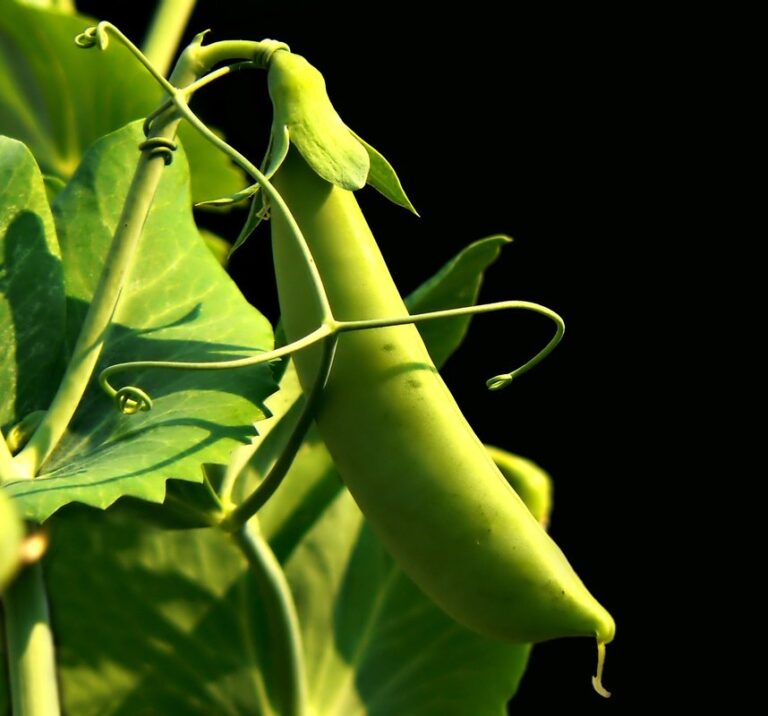
Snap peas are similar to snow peas but have thicker, crunchier pods that are sweeter and less fibrous. They take around 60-70 days to mature and require well-drained soil with full sun exposure. When choosing a variety of pea, consider your specific climate, available space, and desired harvest time.
Preparing the Soil for Pea Growth
When it comes to growing peas in soil, preparing the soil is a crucial step that often gets overlooked. However, giving your pea crop a good foundation can make all the difference in its health and productivity. The ideal pH range for pea growth is between 6.0 and 7.0, but they can tolerate slightly acidic or alkaline conditions.
To determine if your soil needs adjustments, get a soil test done to check its nutrient levels and pH. Based on the results, you may need to add lime to raise the pH or sulfur to lower it. As for nutrients, peas are heavy feeders and require adequate nitrogen, phosphorus, and potassium (NPK). You can incorporate compost or well-rotted manure into the soil to provide a balanced diet.
In terms of structure, peas prefer a loose, well-draining soil that allows their roots to grow freely. Avoid compacting the soil by treading on it or using heavy machinery. Instead, gently rake the surface to create a smooth, even bed for your seeds to germinate.
Planning and Preparation for a Successful Crop
To ensure a bountiful pea harvest, it’s essential to plan carefully, considering factors such as soil quality, climate, and crop rotation. Let’s dive into the key steps to prepare your garden for success.
Selecting the Best Location for Your Peas
When selecting a location for your pea crop, several key factors come into play. First and foremost, consider the amount of sunlight your chosen spot receives. Peas love full sun to partial shade, so aim for an area that gets at least 6 hours of direct sunlight per day. Avoid spots with heavy tree cover or overhanging branches, as these can cast dense shadows that limit pea growth.
Another crucial consideration is wind direction. Peas are sensitive to strong winds, which can damage their delicate stems and flowers. Choose a location that provides some protection from prevailing winds, such as a south-facing slope or a spot near a fence line.
Accessibility is also important – you’ll want to be able to easily reach your pea crop for tasks like watering and harvesting. Consider selecting a spot near a garden path or access road to make maintenance easier. Remember to take note of any nearby obstacles, such as power lines or other garden features that may impact air circulation or sunlight penetration. By carefully evaluating these factors, you can create an optimal environment for your pea crop to thrive.
Preparing the Soil for Planting
Preparing your soil for planting is crucial to ensure a bountiful pea harvest. Before you start sowing those seeds, take some time to till the soil and loosen it up to a depth of about 8-10 inches. This will help improve drainage, reduce soil compaction, and increase oxygen levels, making it easier for your peas to grow.
Next, consider adding organic matter such as compost or well-rotted manure to enrich the soil with nutrients. A general rule of thumb is to add a 2-inch layer of compost to the top 6 inches of soil. This will not only feed the beneficial microbes but also attract earthworms and other soil-dwelling organisms that help break down organic matter.
Don’t forget to check for any hidden pests or diseases in your soil, such as nematodes or fungal spores. Use a sample test kit or consult with local gardening experts to identify potential issues and take corrective action before planting. By doing so, you’ll be creating an ideal environment for your peas to grow strong and healthy.
Planting Peas in the Right Conditions
When it comes to growing peas, understanding the ideal conditions is crucial for a bountiful harvest. In this section, we’ll explore how to create the perfect environment for your pea plants.
Sowing Seeds at the Right Depth and Spacing
When sowing seeds for peas, it’s essential to get the depth and spacing right. If you plant them too shallowly, they may rot before germinating, while planting them too deeply can lead to weak and spindly growth. As a general rule, pea seeds should be planted 1-2 inches deep, depending on the variety.
The ideal spacing between each seed also varies depending on the type of pea you’re growing. Bush peas prefer being planted about 2-3 inches apart, while climbing peas need more room to grow and are best planted 4-5 inches apart. It’s a good idea to plant seeds in rows that are about 12-18 inches wide.
The arrangement of your seeds is also crucial for healthy growth. Plant seeds in a single row or block pattern, rather than scattering them randomly across the bed. This will help you keep track of which areas have been watered and fertilized, making it easier to maintain your peas throughout their growing season. By following these simple guidelines, you’ll set your pea plants up for success from the very start.
Watering and Irrigation Needs for Peas
When it comes to growing peas in soil, maintaining consistent moisture levels is crucial, especially during the germination process. This is because pea seeds need about 6-8 weeks of cool weather and adequate moisture to sprout successfully. If the soil becomes too dry or waterlogged, the seeds may rot before they even have a chance to germinate.
To avoid overwatering, it’s essential to use efficient irrigation methods. One way to do this is by using soaker hoses or drip irrigation systems that deliver water directly to the roots of the plants, reducing evaporation and runoff. You can also water your peas in the morning or early evening to allow for maximum absorption.
Aim to provide about 1-2 inches of water per week, either through rainfall or irrigation. Make sure not to overwater, as this can lead to fungal diseases and other problems that can harm your pea plants. Check the soil daily by inserting a finger into it; if the top inch feels dry, it’s time for another watering. By keeping an eye on moisture levels, you’ll be able to create an ideal environment for your peas to thrive in.
Monitoring and Maintaining a Healthy Pea Crop
To ensure a bountiful pea harvest, it’s crucial to monitor your crop regularly and maintain optimal growing conditions. This involves keeping an eye on factors like moisture levels, temperature, and pests.
Identifying Common Problems and Solutions
As you tend to your pea crop, it’s essential to be aware of potential problems that may arise. Powdery mildew is a common issue affecting peas, caused by high humidity and temperatures above 65°F (18°C). Symptoms include white powdery growth on leaves and stems, which can lead to defoliation and reduced yields.
To prevent powdery mildew, maintain good air circulation around your plants, remove weeds that compete for water and nutrients, and ensure adequate spacing between rows. If the issue arises, treat with a fungicide or remove infected areas to prevent further spread.
Root rot is another problem caused by overwatering, particularly in heavy clay soils. To prevent root rot, avoid overwatering and ensure your soil has good drainage. Check for symptoms like yellowing leaves, stunted growth, and soft stems.
Aphid infestations can also impact yields. These pesky insects feed on sap, causing curled or distorted leaves. Control aphids with neem oil or insecticidal soap, introducing natural predators like ladybugs or lacewings to your garden.
Monitor your plants regularly for signs of these issues and take prompt action if you notice any problems.
Supporting Pea Growth with Pruning and Trellising
Pruning and trellising are two essential techniques for supporting pea growth. By removing weak or damaged stems, you promote healthy development and encourage the plant to focus its energy on producing pods. Prune your peas when they reach about 6 inches tall, removing any weak or spindly growth. This will help create a strong base for the plant and prevent it from becoming leggy.
Trellising provides support for the pea vines as they grow upwards. You can use a trellis, fence, or even a simple stake to train the stems. To trellis your peas, gently tie the main stem to the support using twine or clips. As the plant grows, you’ll need to tie in new growth to keep it from becoming tangled. Some gardeners also swear by using pea sticks – long, thin stakes that provide individual support for each stem.
Regular pruning and trellising will not only improve yields but also make harvesting easier. By keeping the plants tidy and contained, you can pick your peas at the optimal stage of ripeness without having to fight through a tangle of vines.
Harvesting Your Peas: Timing and Techniques
When it’s time to harvest your peas, knowing when and how to do it is crucial for getting the best flavor and texture out of your crop. Let’s explore the timing and techniques involved in harvesting peas successfully.
Determining Optimal Maturity
Checking for optimal maturity is crucial when harvesting peas. You’ll want to inspect the pods regularly, as this will give you a clear indication of when they’re ready to be picked. Start by checking the pod color – most varieties will turn from green to yellow or purple depending on their type. However, it’s essential not to wait for the pods to reach their full color, as this can cause them to become too ripe and vulnerable to spoilage.
Next, check the size of the pods. Typically, peas are ready to harvest when they’re around 1-2 inches in length. Gently grasp a few pods and compare their size; if most have reached the desired length, it’s likely time for harvesting.
Lastly, give the pods a gentle squeeze – ripe peas will be firm but yield slightly to pressure. Overripe peas will be soft and mushy. To ensure optimal flavor and texture, pick your peas when they’re at this “firm-yield” stage. By paying attention to these three factors – pod color, size, and firmness – you’ll be able to harvest your peas at their peak ripeness and enjoy a bountiful crop.
Harvesting Methods and Storage Tips
When it’s time to harvest your peas, you’ll want to do so at the right stage of growth to ensure optimal flavor and texture. The method for harvesting will depend on whether you’re dealing with bush or climbing peas. For bush peas, simply snip off the entire plant at soil level when the pods are plump and tender. This will help preserve moisture and prevent the peas from drying out.
For climbing peas, you can use a similar approach by cutting the vines about 6 inches above the soil. Alternatively, you can harvest individual peas as they reach maturity by twisting them off the vine. Make sure to check on your peas regularly, as they’ll be ready in just 50-60 days after sowing.
To keep your freshly harvested peas fresh for longer, store them in a cool, dry place such as the refrigerator. You can also blanch and freeze them for later use by submerging them in boiling water for 2-3 minutes before plunging into an ice bath to stop the cooking process. Frozen peas will retain their flavor and texture for up to 8 months.
Additional Considerations for Successful Pea Growth
When it comes to growing peas, there are a few key factors that can make all the difference in achieving a bountiful harvest. Let’s take a closer look at some essential considerations for success.
Companion Planting Strategies for Improved Yield
Companion planting is a strategic way to enhance pea growth and promote beneficial insects or nutrients. By pairing peas with specific plants, you can create a harmonious garden ecosystem that reduces pest pressure, improves soil health, and increases yields. Some popular companion plants for peas include marigolds, which repel nematodes that can harm pea roots, and borage, which attracts pollinators and improves flavor.
Other beneficial companions include legumes like beans and clover, which fix nitrogen in the soil, reducing the need for synthetic fertilizers. Corn is also a good companion for peas, as it provides shade and suppresses weeds. When planting these companions, be sure to allocate adequate space to prevent overcrowding and competition for resources.
To incorporate companion planting into your pea garden, consider rotating crops seasonally or intercropping with other vegetables. This not only reduces pest pressure but also promotes biodiversity and soil health. For example, you can plant peas alongside lettuce or radishes, which repel pests like aphids and slugs.
Expanding Your Knowledge: Resources and Tips for Advanced Growers
If you’re an advanced grower looking to refine your pea-growing skills, there are numerous resources available to help you expand your knowledge. For instance, “The New Seed Starter’s Handbook” by Nancy Bubel is a comprehensive guide that covers the basics of seed starting and provides detailed instructions on growing peas.
Online forums like GardenWeb and Reddit’s r/gardening community also offer valuable insights from experienced growers who share their tips, tricks, and experiences with pea cultivation. You can ask questions, share your own successes and failures, and learn from others in these online communities.
To take your knowledge to the next level, consider attending workshops or seminars on permaculture principles, soil health, and integrated pest management (IPM). These topics will help you develop a more holistic approach to growing peas and improve the overall fertility of your garden. Additionally, explore local nurseries, extension offices, and botanical gardens in your area for expert advice and resources tailored to your region’s specific climate and conditions.
Frequently Asked Questions
How do I determine the optimal soil pH for growing peas?
The ideal soil pH for growing peas is between 6.0 and 7.0, which allows for proper nutrient uptake and absorption. To check your soil pH, you can purchase a DIY testing kit or send a sample to a lab for analysis. Based on the results, you can adjust the pH by adding lime to raise it or sulfur to lower it.
Can I grow peas in containers if I don’t have space in my garden?
Yes, peas can thrive in containers, provided they receive full sun and well-draining soil. Use a container at least 6-8 inches deep to accommodate the taproot of the pea plant. Make sure the container has drainage holes to prevent waterlogged soil.
How do I protect my peas from common pests like aphids and slugs?
To combat aphids, introduce beneficial insects like ladybugs or lacewings into your garden. For slugs, use copper tape around the base of the plants or set up beer traps to capture them. Keep your garden free of debris and weeds, which can attract these pests.
Can I grow peas in a greenhouse or indoor space?
Yes, you can grow peas indoors in a controlled environment like a greenhouse or sunroom. Provide sufficient light (at least 12 hours of direct sunlight) and maintain a consistent temperature between 60-70°F (15-21°C). Use a well-draining potting mix and keep the soil consistently moist.
How do I preserve my pea harvest for longer storage?
To extend the shelf life of your peas, blanch them in boiling water for 30 seconds to 1 minute before freezing. This helps preserve their color, texture, and nutrients. You can also dry fresh peas using a food dehydrator or by spreading them on paper towels in a single layer. Store dried peas in airtight containers to maintain freshness.