
Patio tomatoes are a game-changer for small-space gardeners. Not only do they thrive in compact containers, but they also produce an abundance of juicy fruits that are bursting with flavor. If you’re tired of sacrificing your outdoor living space to make room for a sprawling tomato patch, it’s time to think vertically and grow delicious patio tomatoes instead.
In this article, we’ll dive into the world of container gardening and share expert tips on how to choose the perfect variety of patio tomatoes for your small space. We’ll also cover the best locations to place your containers for maximum sunlight and care tips to ensure a bountiful harvest. Whether you’re a seasoned gardener or just starting out, this guide will show you how to grow mouthwatering patio tomatoes in even the smallest of spaces.
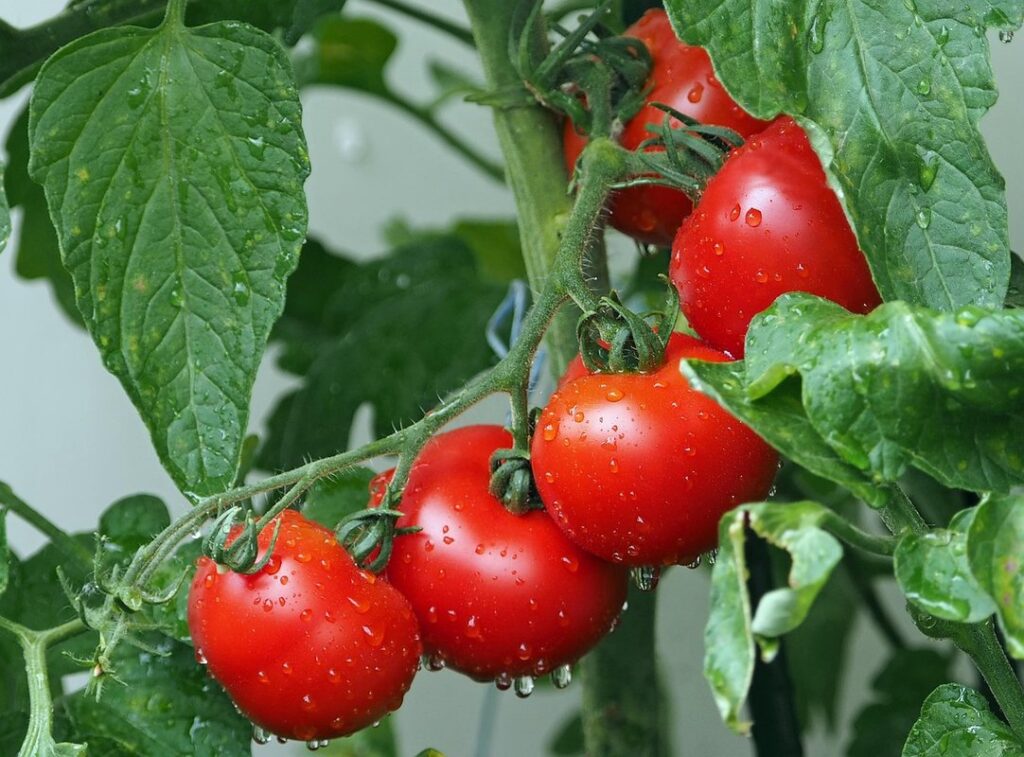
Benefits of Growing Patio Tomatoes
Growing patio tomatoes can be a game-changer for your outdoor space, and we’re excited to share some of the top benefits you’ll experience when growing these compact fruits. From fresh produce to increased garden satisfaction, there’s so much to gain!
Introduction to Patio Tomatoes
Patio tomatoes are a fantastic option for gardeners with limited space, and they’re gaining popularity by the day. So, what exactly are patio tomatoes? Simply put, they’re compact varieties of tomatoes that thrive in containers or small spaces. These tiny powerhouses pack a big punch when it comes to flavor, productivity, and ease of care.
Growing your own patio tomatoes can be a game-changer for several reasons. For one, you’ll save money on grocery bills – homegrown tomatoes taste far superior to store-bought ones, and they’re often cheaper in the long run. Plus, with patio tomatoes, you don’t need a sprawling garden to get started; just a small container or balcony will do. This makes them perfect for city dwellers, apartment dwellers, or anyone with limited outdoor space.
In addition to cost savings, growing your own patio tomatoes means you’ll enjoy the freshest flavor possible. Imagine biting into a juicy, ripe tomato that’s been plucked from your very own garden – it’s an experience like no other! With patio tomatoes, you can have this delight in your life without breaking the bank or sacrificing precious space.
Space-Saving Advantages
Growing patio tomatoes in small spaces is not only possible but also incredibly convenient. With the right container and some basic care, you can enjoy a bountiful harvest even on a tiny balcony or patio. Let’s talk about the benefits of growing patio tomatoes in confined areas.
When it comes to choosing a container, size matters. Look for containers that are at least 5-gallons large to provide enough space for the tomato plant’s roots to grow. You can use plastic pots, wooden barrels, or even self-watering planters. Some popular options include vertical planters, hanging baskets, and tiered plant stands.
Another advantage of growing patio tomatoes is that they require minimal land area. This makes them perfect for indoor gardening, urban farming, or small-scale agriculture. Consider using a compact tomato variety like ‘Tiny Tim’ or ‘Red Robin’, which are bred specifically for container growing. These varieties will thrive in smaller spaces and produce a decent harvest.
Varieties of Patio Tomatoes
When it comes to choosing the perfect patio tomato variety for your garden, there are many great options to consider. Compact and dwarf varieties are ideal for small spaces, such as balconies, patios, and container gardens.
Some popular compact patio tomatoes include ‘Tiny Tim’, which produces small red fruits weighing in at around 2-3 ounces, and ‘Red Robin’, a sweet cherry tomato variety that’s perfect for snacking. These varieties typically grow to be around 1-2 feet tall, making them perfect for containers or hanging baskets.
Dwarf patio tomatoes like ‘Patio’ and ‘Tiny Red’ are also great options. They produce larger fruits, weighing in at around 4-6 ounces, and have a more vigorous growth habit, but still remain relatively compact. If you’re looking for something with a bit more flavor, try the ‘Yellow Pear’, a dwarf variety that produces sweet, yellow fruits.
When choosing your patio tomato variety, consider factors such as fruit size, growth habits, and flavor profiles to ensure you find one that suits your needs.
Choosing the Right Location and Soil
When it comes to growing patio tomatoes, selecting a location and soil that suits your plants’ needs is crucial for their health and productivity. Let’s dive into the key considerations for making these essential choices.
Sunlight Requirements
When it comes to growing patio tomatoes, sunlight is one of the most critical factors to consider. Tomatoes need a significant amount of direct sunlight to produce an abundance of fruit, and a lack of sunlight can result in stunted growth, reduced yields, or even disease susceptibility.
To ensure your patio tomatoes receive the right amount of sunlight, choose a location that receives at least 6 hours of direct sunlight per day. Ideally, select a spot that gets morning sun, as this helps prevent scorching and promotes healthy growth. Avoid areas with partial shade, especially during peak summer months when tomatoes require intense sunlight.
Some practical tips for selecting the right location include considering the direction your patio faces. South-facing patios receive the most direct sunlight throughout the day, making them an ideal choice. East- or west-facing patios also work well, but you may need to adjust your planting schedule accordingly to ensure your tomatoes receive adequate sunlight during peak hours.
Keep in mind that if you’re growing patio tomatoes in a container, be mindful of the soil temperature as it can affect the plant’s ability to absorb sunlight. Make sure the potting mix is at least 1-2 inches deep and has good drainage to prevent waterlogged soil that can hinder light absorption.
Soil Selection and Preparation
When it comes to growing patio tomatoes, selecting and preparing the right soil is crucial for healthy plant growth. A well-draining potting mix specifically designed for containers is essential to prevent waterlogged soil that can lead to root rot.
Consider a mix with perlite or vermiculite to improve drainage and aeration. Avoid regular garden soil as it can compact and prevent proper water circulation. Look for a mix with a slightly acidic pH, around 6.0-7.0, suitable for most tomato varieties.
The nutrient content is also vital. A balanced fertilizer (10-10-10 NPK) will provide the necessary macro-nutrients. Some mixes may contain slow-release fertilizers, which can save you from frequent watering schedules. If using a potting mix without added nutrients, consider adding a starter fertilizer at planting time and follow package instructions for subsequent applications.
Avoid over-fertilizing, as this can lead to excessive vegetative growth at the expense of fruit production. A good rule of thumb is to provide moderate amounts of fertilizer throughout the growing season, promoting healthy growth while encouraging fruiting.
Container Options and Sizes
When it comes to growing patio tomatoes, the right container is crucial for optimal growth and production. The type of container you choose will depend on several factors including space constraints, personal preference, and drainage needs.
You can opt for traditional plastic pots, which are inexpensive and come in various sizes. However, be mindful that they can dry out quickly, requiring more frequent watering. Terra cotta containers are a popular choice for patio tomatoes as they provide good air circulation and allow excess water to drain. These earthenware pots also have the added benefit of being aesthetically pleasing.
Self-watering planters are another excellent option for growing patio tomatoes. These clever containers feature a built-in water reservoir that allows plants to draw water as needed, reducing watering frequency by up to 50%. They often come with a saucer or tray that catches excess water, preventing mess and maintaining soil health.
When selecting a container, consider the size as well. Compact or dwarf tomato varieties thrive in smaller containers measuring between 5-7 gallons. Larger varieties require more space and should be planted in containers of at least 14-18 gallons. Make sure to choose a container that fits your growing needs and provides sufficient room for root growth and soil depth.
Growing Patio Tomatoes: Tips and Techniques
As you start growing patio tomatoes, it’s essential to consider factors like sunlight, soil quality, and support systems to ensure a bountiful harvest. Here are some expert tips to get you started.
Seed Starting and Transplanting
Starting seeds indoors or directly in the container is an essential step in growing patio tomatoes. For indoor seed starting, choose a good quality potting mix and sow seeds 1-2 inches deep in small cells or pots. Keep the soil consistently moist but not waterlogged. Once seedlings have 2-3 sets of leaves, they’re ready to be transplanted into larger containers.
For direct sowing, wait until the last frost date has passed and the soil temperature is above 55°F (13°C). Sow seeds about 1/4 inch deep and 18-24 inches apart. Keep the soil consistently moist during this period.
When transplanting seedlings, it’s essential to handle delicate roots carefully. Use a gentle digging motion with your fingers or a blunt instrument to loosen the root ball without causing damage. Plant at the same depth as before, and firm the soil gently around the roots to prevent air pockets. Water thoroughly after transplanting.
Watering and Irrigation
Watering patio tomatoes effectively is crucial for their growth and production. Overwatering can lead to fungal diseases, root rot, and poor fruit quality, while underwatering stunts the plant’s development. Aim to water your patio tomatoes when the top 1-2 inches of soil feels dry to the touch.
A good rule of thumb is to water them deeply once or twice a week, depending on weather conditions. For example, if you live in an area with high temperatures and low humidity, you may need to water every other day. In cooler, more humid climates, watering once a week should suffice. To determine the right amount of water, stick your finger into the soil up to the knuckle; if it’s dry, it’s time for a drink.
Drip irrigation systems are an excellent option for patio tomatoes, as they deliver water directly to the roots while minimizing evaporation and runoff. You can also use soaker hoses or mulch to retain moisture in the soil. Remember to avoid watering during peak sun hours to prevent water loss through evaporation. By following these tips, you’ll be well on your way to growing healthy, productive patio tomatoes.
Fertilization and Pruning
When it comes to growing patio tomatoes, fertilization and pruning are crucial steps that can make all the difference between a bountiful harvest and a disappointing one. Fertilizing your patio tomato plants regularly will provide them with the necessary nutrients for healthy growth and fruiting.
You’ll want to use a balanced fertilizer (10-10-10) during the growing season, typically from late spring to early fall. However, if you’re using container-grown tomatoes, consider using a water-soluble fertilizer that’s specifically designed for containers. This will help prevent nutrient burn and ensure your plants are getting the right balance of nutrients.
In terms of pruning, remove any weak or spindly growth, as this can divert energy away from fruiting. Instead, focus on promoting lateral growth by pinching off the tips of stems to encourage branching. Remove lower leaves that touch the soil to prevent fungal diseases and ensure good air circulation around the plant. By keeping your plants well-fertilized and pruned, you’ll be rewarded with a more productive and healthier harvest.
Common Challenges and Solutions
Growing patio tomatoes can be a breeze, but even seasoned gardeners face obstacles along the way. In this next part of our guide, we’ll address some common challenges and share practical solutions to keep your plants thriving.
Pests and Diseases
As you nurture your patio tomatoes, it’s inevitable that you’ll encounter some unwelcome visitors: pests and diseases. These common culprits can quickly spread and compromise the health of your plants. To help you tackle these issues, let’s take a closer look at some of the most prevalent problems.
Hornworms are notorious tomato pests, feeding on leaves, stems, and fruit. Their presence is often signaled by holes in leaves or a noticeable decrease in plant vigor. Regular inspections can help you catch them early, but be sure to also remove any infested areas to prevent further damage. Neem oil and Bt (Bacillus thuringiensis) are effective organic control methods.
Powdery mildew is another common disease affecting patio tomatoes. It appears as a white, powdery coating on leaves, which can reduce photosynthesis and lead to sunscald. To manage this issue, ensure good air circulation around your plants, water them in the morning to minimize moisture retention, and apply a fungicide specifically labeled for powdery mildew control.
Aphids are another pest that thrives on patio tomatoes. These tiny insects can spread plant viruses and cause curled or distorted leaves. To combat aphid infestations, spray them with a strong jet of water to dislodge the pests, followed by an application of neem oil or insecticidal soap.
Environmental Factors
When growing patio tomatoes, it’s essential to consider the environmental factors that can impact their growth. Temperature fluctuations, wind, and humidity are just a few of the external conditions that can affect your plants’ health.
Temperature is perhaps the most critical environmental factor for tomato growth. Most tomato varieties thrive in temperatures between 65°F and 70°F (18°C and 21°C), but they can be damaged by temperatures above 85°F (29°C) or below 55°F (13°C). To mitigate temperature-related stress, choose a location that receives partial shade during the hottest part of the day. You can also use row covers or other shading materials to protect your plants from intense sunlight.
Wind and humidity are equally important considerations. Tomato plants prefer well-ventilated areas with moderate humidity levels. Avoid planting in low-lying areas where water may collect, as this can lead to root rot. Use stakes or a trellis to support your plants and keep them upright in windy conditions. By being mindful of these environmental factors, you can create an optimal growing environment for your patio tomatoes.
Harvesting and Storage
When it’s time to harvest your patio tomatoes, you’ll want to make sure they’re picked at the peak of ripeness. To avoid bruising and damage, use a gentle technique: grasp the fruit firmly but carefully, twisting it slightly as you lift it from the plant. This will help prevent any delicate stem end from breaking off.
For larger or more stubborn tomatoes, try cutting them from the plant with scissors or pruning shears. Make sure to leave enough stem attached to the tomato so it can breathe and retain its natural moisture.
To store your fresh harvest, keep them at room temperature until they’re ripe, but not overripe. Once fully ripened, refrigerate them to slow down the ripening process. You can also store unripe tomatoes in a cool, dark place like a pantry or cupboard, where they’ll continue to ripen slowly.
For optimal flavor and texture, try storing your tomatoes stem-side down on a plate or tray. This helps prevent moisture from collecting around the stem, which can lead to spoilage.
Patio Tomato Recipes and Variations
Now that you’ve grown a bountiful harvest of patio tomatoes, it’s time to get creative with your fresh produce. We’ll show you some mouth-watering recipe ideas and clever variations to try.
Fresh Tomato Salads and Sides
When you’re enjoying the fruits of your labor and harvesting those juicy patio tomatoes, it’s only natural to want to showcase them in a dish. Fresh tomato salads and sides are an excellent way to do just that. Let’s start with one of the simplest yet most flavorful options: a caprese skewer.
To make this colorful appetizer, simply thread cherry tomatoes, mozzarella balls, and fresh basil leaves onto toothpicks or skewers. Drizzle with olive oil and balsamic glaze for a sweet and tangy combination that’s perfect for warm weather gatherings.
For a more substantial salad, try tossing sliced patio tomatoes with mixed greens, crumbled feta cheese, and a homemade vinaigrette made from red wine vinegar and olive oil. This recipe is especially refreshing when served as a side dish to grilled meats or paninis.
Consider using the smaller cherry tomato varieties for these recipes, as their sweeter flavor and burst of juice add an extra layer of excitement to any dish. With just a few simple ingredients and some creativity, you can turn your patio tomatoes into show-stopping centerpieces that are sure to impress family and friends alike.
Sauces, Soups, and Other Preparations
Patio tomatoes are more than just a fresh snack or salad topping. They’re also a versatile ingredient for creating delicious sauces, soups, and other preparations that’ll elevate your summer meals.
One of the simplest ways to use up a bounty of patio tomatoes is by making homemade tomato sauce. This recipe is a staple in many Italian households, and it’s easy to adapt to using fresh tomatoes from your patio garden. Simply sauté 2-3 pounds of chopped tomatoes with some olive oil, garlic, and herbs like basil or oregano, then let the mixture simmer until the flavors have melded together and the sauce has thickened.
For a more substantial soup option, try making a creamy tomato soup using your patio tomatoes. Simply puree cooked tomatoes with vegetable broth, heavy cream or half-and-half, and a pinch of nutmeg for added depth of flavor. You can also add some diced vegetables like onions, carrots, or celery to make the soup heartier.
If you’re looking for something spicy to add some excitement to your meals, try making a homemade salsa using patio tomatoes. Simply chop 2-3 cups of fresh tomatoes and mix them with red onion, jalapeño peppers, cilantro, and lime juice. This salsa is perfect for topping tacos, grilled meats, or vegetables.
Remember, the key to making the most of your patio tomato harvest is to experiment with different recipes and flavor combinations. Don’t be afraid to get creative and add your own twist to these classic dishes. With a little practice, you’ll be making delicious sauces, soups, and salsas in no time!
Conclusion and Next Steps
Now that you’ve mastered the art of growing patio tomatoes, it’s time to think ahead: what’s next for your garden? We’ll walk you through final tips and planning ideas.
Recap of Key Takeaways
As you’ve learned throughout this comprehensive guide, growing patio tomatoes can be a rewarding and delicious experience. To recap, let’s summarize the key takeaways for those new to growing these compact wonders.
Firstly, choose a suitable variety that fits your space and climate, considering factors like growth habit, disease resistance, and yield potential. Next, prepare your container or hanging basket with well-draining potting mix and a trellis or cage for support. Don’t forget to select a sunny location with at least six hours of direct sunlight per day.
When it comes to care, remember to water regularly but avoid overwatering, which can lead to disease and root rot. Fertilize your patio tomatoes with a balanced feed, following the manufacturer’s instructions. Finally, monitor for pests and diseases, taking action promptly if you notice any issues.
By applying these key takeaways, you’ll be well on your way to enjoying a bountiful harvest of delicious patio tomatoes.
Encouragement to Start Growing
Now that you’ve learned the ins and outs of growing patio tomatoes, it’s time to get started on your own garden. We can’t stress enough how rewarding this experience will be. Not only will you enjoy the taste of fresh, homegrown produce all summer long, but you’ll also reduce food waste and feel a sense of pride in nurturing a thriving plant.
To start, begin by selecting a sunny spot on your patio or balcony with good air circulation. Next, choose a variety of tomato that’s well-suited for container growing, such as ‘Patio’ or ‘Tiny Tim’. These compact plants will produce plenty of fruit without taking up too much space.
Once you’ve got your seeds or seedlings, follow the steps outlined in this guide to ensure they get off to a healthy start. And don’t be afraid to experiment with different techniques and varieties – it’s all part of the fun! For further support, check out online forums or social media groups dedicated to container gardening, where you can connect with other growers and learn from their experiences.
With a little patience and practice, you’ll be enjoying fresh patio tomatoes in no time. Happy growing!
Frequently Asked Questions
Can I grow patio tomatoes in extremely cold climates?
Yes, while patio tomatoes prefer warmer temperatures, there are some varieties that can tolerate cooler conditions. Look for ‘Early Girl’ or ‘Patio’ varieties, which are bred to produce fruit at a lower temperature. Make sure to choose a container with good drainage and keep it in a spot that receives partial shade during the hottest part of the day.
How often should I water patio tomatoes?
Yes, overwatering is a common mistake when growing patio tomatoes. Check the soil daily by inserting your finger into the top inch of soil. Water only when the soil feels dry to the touch. Aim for about 1-2 gallons of water per week, depending on the weather and container size.
Can I use regular tomato fertilizer for patio tomatoes?
While you can use a balanced fertilizer (10-10-10) for patio tomatoes, it’s best to opt for a high-phosphorus formula (10-20-10) during the fruiting stage. This will promote healthy fruit growth and development.
How do I protect patio tomatoes from pests like hornworms?
To prevent hornworms and other pests, use fine mesh or row covers to cover your containers when you see any signs of infestation. Hand-pick pests daily and dispose of them in a sealed bag. Also, keep an eye out for beneficial insects like ladybugs and lacewings, which can help control pest populations naturally.
Can I grow patio tomatoes from seed indoors before transplanting?
Yes, starting seeds indoors 6-8 weeks before the last frost date can give your patio tomato plants a head start on the growing season. Use a good quality potting mix and keep the soil at around 70°F (21°C) for optimal germination. Transplant seedlings into larger containers when they have 2-3 sets of leaves, making sure to handle the roots gently.