
Growing your own herbs indoors can be a game-changer for home cooks, and none is more versatile than parsley. Not only does it add fresh flavor to soups, salads, and sauces, but it’s also packed with nutrients that can boost our health and wellbeing. But what if you live in an area with harsh winters or limited outdoor space? The good news is that you can enjoy the benefits of parsley year-round by growing it indoors. In this article, we’ll show you how to choose the best varieties for indoor growth, provide expert tips on lighting requirements, and share care secrets for a thriving indoor parsley garden. By the end of this post, you’ll be equipped with everything you need to grow your own parsley indoors and enjoy its many perks all year long.
Benefits and Uses of Indoor-Grown Parsley
Now that you have a thriving indoor parsley plant, let’s explore all the amazing benefits it brings to your cooking and health. From garnishes to medicinal uses, we’ll dive into its many advantages.
Nutritional Value and Health Benefits
Parsley is often considered a culinary afterthought, but this nutrient-dense herb offers a wealth of health benefits that can be enjoyed year-round when grown indoors. With its rich stores of vitamins A and K, as well as folate, parsley provides a natural way to boost your immune system, improve digestion, and even support bone health.
One of the most significant advantages of indoor-grown parsley is its availability throughout the year. Unlike store-bought parsley, which may have been sitting on a shelf for days or even weeks, indoor-grown parsley is harvested at peak freshness, ensuring that you get the most nutritional value from each sprig. To maximize your parsley’s health benefits, be sure to harvest it regularly, as this will encourage new growth and prevent the plant from flowering.
In addition to its impressive vitamin profile, parsley also contains a powerful antioxidant called apigenin, which has been shown to have anti-inflammatory properties and even exhibit anticancer activity. By growing your own parsley indoors, you can enjoy access to these health benefits throughout the year, making it an excellent choice for anyone looking to incorporate more nutritious herbs into their diet.
Culinary Uses and Versatility
When it comes to using your indoor-grown parsley, the possibilities are endless. One of the most obvious uses for fresh parsley is as a garnish. Simply chop the leaves finely and sprinkle them over soups, salads, or main dishes like steaks or fish. Parsley adds a burst of freshness and flavor that elevates any meal.
But parsley’s versatility extends far beyond just being a pretty face on your plate. It can be used to add depth and complexity to sauces, marinades, and even as a fresh herb in soups like bouillabaisse. For example, try mixing chopped parsley with garlic, lemon juice, and olive oil for a tasty salad dressing.
In addition to these uses, parsley is also a great addition to salads, from classic green salads to more substantial grain bowls or pasta dishes. Simply chop the leaves finely and toss them in along with your favorite ingredients. You can even use parsley as a fresh herb in soups like creamy broths or stews.
Choosing the Right Variety for Indoor Growth
When growing parsley indoors, selecting a variety that thrives in low-light conditions is crucial. Let’s explore some popular options suitable for indoor cultivation.
Factors to Consider When Selecting a Parsley Variety
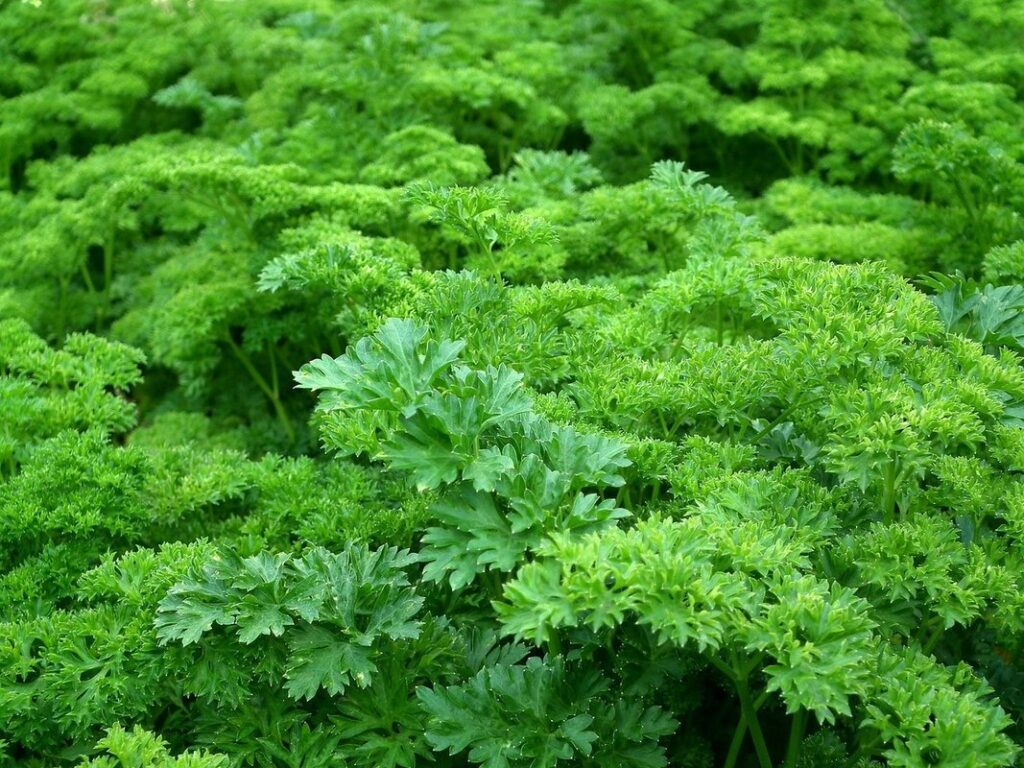
When it comes to selecting a parsley variety for indoor growth, you’ll find that there are several types to choose from. Curly-leaf parsley, also known as ‘curled leaf’ parsley, is one of the most popular varieties and does well indoors due to its compact growth habit. However, it’s not the only option.
Flat-leaf parsley, on the other hand, is a great choice for indoor growing if you’re looking for a more intense flavor. It grows slightly taller than curly-leaf parsley but can still thrive in low-light conditions. If you live in a region with high humidity or experience temperature fluctuations indoors, consider ‘Italian dark’ or ‘Parisian curly’, which are bred to be more resilient.
When selecting a variety, think about the space you have available and how much light your plants will receive. Choose a variety that suits your needs, taking into account its growth habit and light requirements. You can also experiment with different types to see what works best for you. Keep in mind that some varieties may require more maintenance than others.
Some popular parsley varieties suitable for indoor growing include ‘Curly-Leaf’, ‘Flat-Leaf’, ‘Italian Dark’, and ‘Parisian Curly’.
Popular Varieties for Indoor Cultivation
When it comes to growing parsley indoors, some varieties are better suited for indoor conditions than others. Look for cultivars that are compact, slow-bolting, and have a high yield potential.
Some popular options include ‘Curled Leaf’, ‘Flat Leaf’, and ‘Turnip-Rooted’ parsley. These varieties are well-suited for indoor growth because they require minimal space and can thrive in low-light conditions. The ‘Curled Leaf’ variety is particularly popular among gardeners due to its compact growth habit and high yield potential.
Another option is the ‘Parsley ‘Hamburg” variety, which is known for its resistance to bolting (premature flowering) and ability to tolerate cooler temperatures. This makes it an excellent choice for indoor cultivation where temperature control can be a challenge.
When selecting a parsley variety for indoor growth, consider factors such as lighting requirements, mature size, and yield potential. Choose a variety that fits your available space and growing conditions, and you’ll be well on your way to harvesting fresh parsley indoors year-round.
Preparing the Environment for Growing Parsley Indoors
Before you start growing parsley indoors, it’s essential to prepare a suitable environment that mimics the plant’s natural habitat and provides optimal growing conditions. Let’s explore the key factors to consider when setting up your indoor space.
Lighting Requirements for Parsley Growth
When it comes to growing parsley indoors, adequate lighting is crucial for healthy growth and development. Parsley requires bright, indirect light to thrive, making it an ideal candidate for indoor cultivation. If you’re using natural light, place your parsley plants near a sunny window that receives direct sunlight for at least 4-6 hours a day.
However, natural light may not be available in all areas or during certain times of the year, which is where artificial lighting options come into play. LED grow lights are an excellent choice for growing parsley indoors, as they provide a broad spectrum of light that promotes healthy growth and development. Aim for 12-14 hours of supplemental lighting per day, with a minimum intensity of 20-30 watts.
Keep in mind that parsley is a slow-growing crop, so it’s essential to maintain consistent light levels throughout the day. Avoid placing your plants under direct sunlight or using high-intensity grow lights, as this can cause scorching and damage to the leaves. By providing your parsley with the right amount of light, you’ll be rewarded with lush, healthy growth and a bountiful harvest.
Temperature and Humidity Considerations
When growing parsley indoors, it’s essential to maintain optimal temperature and humidity levels to promote healthy growth. Parsley thrives in temperatures between 65°F (18°C) and 75°F (24°C), with an ideal range of 68°F (20°C). Avoid placing your parsley plant near heating vents or radiators, as this can cause the temperature to fluctuate.
Humidity is also crucial for parsley growth. Indoor spaces typically have low humidity levels, which can dry out the leaves and prevent proper photosynthesis. To combat this, maintain a relative humidity of 40-60% around your parsley plant. You can achieve this by placing the pot on a tray filled with water and pebbles or using a humidifier nearby.
Keep in mind that parsley is sensitive to extreme temperature fluctuations. Avoid exposing it to drafts or sudden changes in temperature, as this can cause shock and stunted growth. Monitor the temperature and humidity levels regularly to ensure they remain within the optimal range for healthy parsley growth.
Planting and Caring for Indoor-Grown Parsley
Now that you’ve got your parsley seedlings thriving, it’s time to dive into the nitty-gritty of planting and caring for them indoors. We’ll cover the essential tips to keep your parsley healthy and fresh all year round.
Seed Starting and Transplanting Techniques
When it’s time to start growing parsley indoors, you’ll want to begin by starting seeds indoors. This involves sowing parsley seeds in a seed tray or small pots filled with a well-draining potting mix. Make sure the soil is moist but not waterlogged, as this can cause the seeds to rot.
For optimal germination, keep the seed tray in a warm location, around 70-80°F (21-27°C). It’s essential to provide sufficient light for your parsley seedlings. You can place them under grow lights or near a sunny window that receives direct sunlight for at least six hours a day.
Once your seedlings have two sets of leaves, it’s time to transplant them into larger containers. Choose a container with good drainage and fill it with fresh potting mix. Gently remove the seedling from its original pot, taking care not to disturb the roots. Place the seedling in the new container, making sure the soil level is the same as it was in the original pot.
To minimize transplant shock, water your parsley plants thoroughly after transplanting and keep the soil consistently moist during the first few weeks. With proper care, your parsley plants should adapt quickly to their new environment and thrive indoors.
Watering, Fertilization, and Pruning Tips
Maintaining healthy parsley plants requires attention to their watering, fertilization, and pruning needs. Watering schedules are crucial, as overwatering can lead to root rot and under-watering can cause the leaves to turn yellow. Check the soil daily by inserting a finger into the top inch of the potting mix; if it feels dry, it’s time to water. Allow the top 1-2 inches of the soil to dry out between waterings.
Fertilization is also essential for parsley growth. Use a balanced fertilizer (10-10-10 NPK) once a month during the spring and summer months when the plant is actively growing. You can also use a liquid fertilizer at half the recommended strength to prevent burning the roots. For example, if the package recommends mixing 1 tablespoon of fertilizer with 1 gallon of water, start with 0.5 tablespoons per gallon.
Pruning is necessary for maintaining parsley’s shape and encouraging new growth. Remove any yellow or wilted leaves to prevent the spread of disease and encourage healthy growth. Pinch off flower buds as they appear, as this will direct the plant’s energy towards leaf production. Use scissors or pinch off individual stems at a 45-degree angle just above a node to promote branching and prevent the plant from becoming leggy.
Troubleshooting Common Issues with Indoor-Grown Parsley
Don’t worry if your indoor parsley isn’t thriving – we’ve got you covered. This section tackles common problems and provides practical solutions to get your parsley back on track.
Identifying and Addressing Pests and Diseases
As you care for your indoor-grown parsley, it’s essential to be on the lookout for pests and diseases that can damage your crop. Aphids, whiteflies, and spider mites are common pests that thrive in indoor environments, feeding on the sap of your parsley leaves. To prevent infestations, keep your growing space clean, ensure good air circulation, and avoid overwatering, which can create a humid environment that attracts these pests.
If you notice any signs of pest activity, such as curled or distorted leaves, or actual insects on your plants, treat the affected areas with insecticidal soap or neem oil. For more severe infestations, consider using systemic pesticides like imidacloprid, but always follow the manufacturer’s instructions and take necessary precautions to avoid harming yourself or others.
In terms of diseases, downy mildew and powdery mildew are common issues that can affect indoor-grown parsley. To prevent these fungal infections, maintain a consistent temperature between 65-75°F (18-24°C) and ensure good air circulation around your plants. If you notice any signs of disease, such as yellowing leaves or white, powdery patches on the foliage, treat the affected areas with fungicides like copper oxychloride or bicarbonate-based solutions.
Monitor your parsley regularly for signs of pests and diseases, and take prompt action to address any issues that arise. By being proactive and taking preventive measures, you can enjoy a healthy and thriving indoor parsley crop all year round.
Common Growing Mistakes to Avoid
When growing parsley indoors, there are several common mistakes to avoid if you want to achieve success. One of the most critical errors is overwatering, which can lead to root rot and kill the plant. To prevent this, make sure to check the soil moisture daily by inserting a finger into the soil up to the first knuckle.
Another mistake is not providing sufficient light for your parsley plant. Parsley requires at least 2-3 hours of direct sunlight per day or artificial lighting with a minimum of 12 hours of light exposure. If you’re struggling to provide enough natural light, consider investing in grow lights.
It’s also essential to fertilize your parsley plant regularly but avoid overfertilizing as this can damage the roots and lead to stunted growth. A balanced fertilizer applied once a month will promote healthy growth and prevent deficiencies.
Lastly, be cautious of pests like spider mites, mealybugs, and aphids that can infest indoor parsley plants. Regularly inspect your plant for any signs of infestation and treat promptly if necessary.
Harvesting and Preserving Indoor-Grown Parsley
Now that you’ve successfully grown your indoor parsley, it’s time to harvest and preserve its fresh flavor for future meals. This section will guide you through the process of harvesting and preserving your homegrown parsley.
Timing and Methods for Harvesting Parsley
When harvesting parsley grown indoors, timing is crucial to ensure you get the most out of your plant while also encouraging continuous growth. It’s best to start harvesting individual leaves as soon as they’re large enough to use, typically within 20-30 days after sowing.
To encourage new growth and prevent the plant from flowering, cut back the stems about one-third to one-half when you’ve harvested a few handfuls of leaves. This will allow the plant to redirect its energy towards producing more leaves rather than seeds. Pinch off any flower buds that form, as they can divert nutrients away from the leaves.
For larger harvests, wait until the plant has reached 6-8 inches in height and has developed a robust stem. Cut back the entire stem about an inch above the node, and new growth will emerge from the base of the plant within a week or two. This method allows you to harvest most of the plant’s foliage at once while still promoting continuous production.
Preserving Fresh Parsley through Drying or Freezing
When it comes to preserving fresh parsley from your indoor harvest, you have two reliable methods: drying and freezing. Both techniques can help maintain the herb’s flavor, aroma, and nutritional value.
Drying parsley is a simple process that involves removing excess moisture from the leaves. You can use a food dehydrator or simply air-dry the leaves by tying them in small bunches and hanging them upside down in a warm, dry place. Once dry, store the dried parsley in airtight containers to preserve its flavor and aroma.
Freezing is another effective method for preserving parsley. Simply chop the fresh leaves, place them in airtight containers or freezer bags, and store them in the freezer at 0°F (-18°C) or below. Frozen parsley retains much of its original flavor and can be used in soups, stews, and sauces.
To dry parsley using a food dehydrator, set it to 95-100°F (35-38°C). Check on the leaves every few hours to ensure they don’t over-dry. For freezing, chop the parsley just before use to maintain its flavor and texture.
Tips for Continuous Growth and Maintenance
To keep your parsley thriving, it’s essential to stay on top of regular maintenance tasks that promote healthy growth. This includes pruning, fertilizing, and monitoring for pests.
Strategies for Encouraging New Growth
To keep your parsley plants thriving throughout the year, it’s essential to implement regular pruning schedules and fertilization practices. Pruning not only encourages new growth but also prevents the plant from becoming leggy and promoting root development.
Aim to prune your parsley every 1-2 weeks during the spring and summer months when the plant is actively growing. Simply pinch off any flower buds that form at the top of the stem, as these will divert energy away from leaf production. For more significant pruning, trim back the entire plant by about one-third to half its height to encourage bushy growth.
Fertilize your parsley plants regularly with a balanced, water-soluble fertilizer (diluted to half the recommended strength). Feed them once a month during the growing season and skip fertilizing during the winter months when they are dormant. You can also use compost tea or worm casting as an organic alternative for added nutrients. By following these simple tips, you’ll be able to maintain a lush and healthy parsley plant indoors all year round.
Maintaining Indoor Gardens with Parsley as a Companion Plant
When growing parsley indoors, it’s essential to maintain a healthy environment for continuous growth. One effective way to do this is by incorporating companion planting with indoor gardens. Parsley makes an excellent choice as a companion plant due to its ability to repel pests and improve soil health.
To maintain your indoor garden with parsley as a companion plant, start by choosing the right varieties of plants that complement each other. Some good options include basil, mint, and cilantro. These herbs not only provide benefits for the parsley but also add visual appeal to your indoor space. When planting, ensure sufficient spacing between pots to prevent overcrowding, which can lead to reduced growth.
In addition to companion planting, maintain a consistent watering schedule and provide adequate light (4-6 hours of direct sunlight) for optimal growth. Regular pruning will also help control the parsley’s spread and promote new growth. By incorporating these tips into your indoor gardening routine, you’ll be able to enjoy fresh parsley year-round while minimizing common issues like pest infestations and nutrient deficiencies.
Frequently Asked Questions
Can I grow multiple varieties of parsley indoors?
You can experiment with different parsley varieties, but ensure they have similar lighting requirements to avoid stressing the plants. Popular choices like ‘Curled-Leaf’ and ‘Flat-Leaf’ can thrive together, while others might need separate conditions.
How often should I water my indoor-grown parsley?
Water your parsley when the top inch of soil feels dry to the touch. Avoid overwatering, which can lead to root rot and other issues. Check the moisture level daily during hot or dry periods.
Will indoor-grown parsley have a different flavor than store-bought parsley?
Indoor-grown parsley generally retains more nutrients and has a more vibrant flavor due to its optimal growing conditions. Regular harvesting will also encourage your plant to produce new growth, maintaining its taste and aroma.
Can I use LED grow lights for parsley cultivation indoors?
Yes, LED grow lights are an excellent choice for indoor parsley cultivation. They provide the necessary spectrum of light for healthy growth while minimizing energy consumption. Position the lights 6-8 inches above the plants to prevent burning.
How do I keep my indoor parsley garden pest-free and disease-resistant?
To maintain a healthy and balanced environment, use neem oil or insecticidal soap to control pests like spider mites and aphids. Regularly inspect your plants for signs of disease and treat promptly with organic fungicides. Maintain good air circulation and temperature stability to prevent fungal growth.