
Are you tired of buying wilted parsley from the supermarket, only to have it lose its flavor by the time you get home? Growing your own fresh parsley indoors is easier than you think and can elevate any dish with its bright, herbaceous flavor. Not only will you always have a stash on hand, but you’ll also save money and reduce food waste. To grow delicious and fresh parsley indoors, it’s essential to choose the right variety for indoor growing, provide the perfect lighting conditions, water and fertilize wisely, prune regularly, and know when to harvest. In this comprehensive guide, we’ll walk you through each of these crucial steps, sharing expert tips and tricks to help you grow a thriving, fragrant parsley plant all year round.
Choosing the Right Variety
When growing parsley indoors, selecting the right variety is crucial for a bountiful harvest. Let’s explore your options and find the perfect fit for your indoor garden space.
Understanding the Basics of Parsley Growth
When it comes to growing parsley indoors, understanding the basics of parsley growth is essential for selecting the right variety. Parsley varieties suitable for indoor growth are often compact, slow-bolting, and resistant to pests and diseases. Some popular varieties include ‘Curled-Leaf’ and ‘Flat-Leaf’, which are commonly used in cooking.
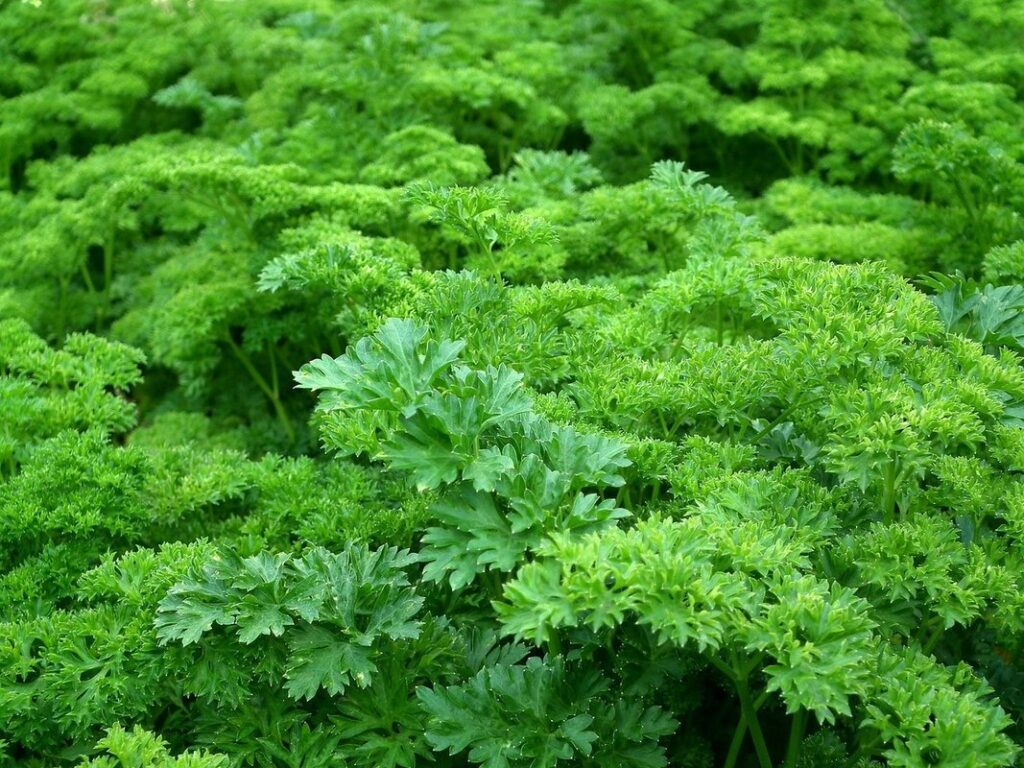
These varieties have unique characteristics that make them ideal for indoor cultivation. For example, ‘Curled-Leaf’ parsley has a more delicate flavor and aroma, making it perfect for adding fresh flavor to salads and soups. On the other hand, ‘Flat-Leaf’ parsley has a more robust flavor and texture, making it ideal for using as a garnish or in cooked dishes.
When choosing between these varieties, consider your personal preference and cooking needs. If you want a milder flavor, opt for ‘Curled-Leaf’. If you prefer a stronger flavor, choose ‘Flat-Leaf’. Regardless of the variety, make sure to select seeds or seedlings that are specifically labeled as suitable for indoor growth to ensure optimal results.
By understanding the characteristics of parsley varieties and choosing the right one for your needs, you’ll be well on your way to growing delicious and fresh parsley indoors.
Factors to Consider Before Selection
When selecting a parsley variety for indoor growing, there are several factors to consider. First and foremost, think about the space you have available. Some parsley varieties can grow quite tall, reaching heights of up to 18 inches or more, while others remain compact and bushy. If you’re short on vertical space, look for dwarf or compact varieties such as ‘Parisienne’ or ‘Curled Leaf’. These will thrive in containers and won’t overwhelm your indoor growing area.
Next, consider the flavor profile you prefer. Some parsley varieties have a milder taste, while others are more potent. If you like a strong parsley flavor, choose a variety like ‘Italian Flat-Leaf’, which is known for its robust taste. On the other hand, if you prefer a milder flavor, opt for ‘Curled Leaf’ or ‘Hamburg’.
Hardiness is also an essential factor to consider when selecting a parsley variety. If you live in a dry climate or tend to forget to water your plants from time to time, choose a hardy variety like ‘Flat-Leaf’, which can tolerate some neglect.
Recommended Varieties for Indoor Cultivation
When it comes to growing parsley indoors, not all varieties are created equal. Some types of parsley are more suited for indoor cultivation than others, and choosing the right one can make a huge difference in your success.
For beginners, I highly recommend starting with ‘Flat-Leaf’ or ‘Curled Leaf’ parsley varieties. These are some of the most popular and widely available options that thrive in indoor conditions. ‘Flat-Leaf’ parsley is known for its flat leaves and robust growth habit, making it an excellent choice for indoor growing. On the other hand, ‘Curled Leaf’ parsley has tightly curled leaves and a more compact growth habit, which makes it ideal for small spaces.
Some specific popular varieties to consider are ‘Parisienne’, ‘Clemson Spineless’, and ‘Hamburg’. These varieties have been bred specifically for their ability to grow well in indoor conditions and can tolerate the reduced light and cooler temperatures that come with indoor growing. They also tend to be more resistant to pests and diseases, making them a great choice for beginners.
When selecting a variety, look for ones that are disease-resistant and have a compact growth habit. This will ensure you get the best results from your indoor parsley crop.
Preparing the Environment
To grow parsley indoors successfully, it’s essential that you prepare a suitable environment for your plant to thrive. This involves choosing a spot with adequate light and temperature conditions.
Lighting Requirements for Parsley Growth
When it comes to growing parsley indoors, providing adequate lighting is crucial for its growth and development. Parsley is a slow-growing herb that requires plenty of light to photosynthesize and produce the nutrients it needs to thrive.
In general, parsley needs bright, indirect light to grow well. Placing your parsley plants near an east- or west-facing window is ideal, as these areas receive gentle, indirect sunlight throughout the day. If you don’t have a south-facing window, you can also use grow lights to supplement the natural light. Aim for at least 12 hours of light per day, with a mix of cool and warm white LED grow lights that mimic outdoor conditions.
Keep in mind that parsley is sensitive to direct sunlight, which can cause its leaves to become scorched or discolored. To avoid this, keep your plants at least 2-3 feet away from any direct sunlight source. By providing the right amount of light, you’ll be well on your way to growing healthy and flavorful parsley indoors.
Temperature Control for Optimal Growth
Maintaining optimal temperatures is crucial for parsley growth. As a rule of thumb, most herbs prefer daytime temperatures between 65°F (18°C) and 75°F (24°C), while nighttime temperatures can be slightly cooler, around 55°F to 65°F (13°C to 18°C). This temperature fluctuation encourages healthy growth and prevents the development of fungal diseases.
If your indoor space is too warm or too cold, parsley growth will suffer. A consistent temperature range helps parsley develop a strong root system and promotes leafy growth. To achieve optimal temperatures, consider the following:
• Keep your growing space away from heating vents, radiators, and air conditioning units to prevent temperature fluctuations.
• Use thermostatically controlled heaters or fans to maintain a stable temperature during colder months.
• Monitor temperature levels with a thermometer to adjust your environment accordingly.
In an ideal situation, parsley would receive bright, indirect light for most of the day. However, direct sunlight can cause temperatures to rise significantly, especially in warmer climates. Be mindful of this and provide shade when necessary.
Humidity Levels for Healthy Plants
When growing parsley indoors, maintaining the right humidity levels is crucial for healthy plants. Unlike outdoor environments where parsley can adapt to varying moisture conditions, indoor spaces require more attention to humidity levels.
Most parsley varieties thrive in a humid environment with relative humidity ranging from 40% to 60%. You can measure your indoor space’s humidity using a hygrometer and take steps to maintain the ideal range. To increase humidity around your parsley plants, place the pot on a tray filled with water and pebbles or use a humidifier nearby.
However, overwatering is a common mistake that can lead to root rot and other issues. Regularly check the soil moisture by sticking your finger into it up to the first knuckle. If the soil feels dry, it’s time for watering. Parsley plants also benefit from misting with water daily, especially during hot summer months or in arid environments.
Monitoring humidity levels and adjusting them as necessary will help ensure a healthy environment for your parsley plant. Remember, maintaining optimal humidity levels is an ongoing process that requires regular attention to keep your indoor garden thriving.
Planting Parsley Seeds or Seedlings
When it comes to getting your parsley crop off to a strong start, you have two main options: planting seeds or seedlings. We’ll break down each approach in detail below.
Starting from Seeds: Tips and Tricks
Starting from seeds can be an exciting and rewarding experience. To begin, make sure you have fresh parsley seeds that are suitable for indoor growing. Sow the seeds 1/8 inch deep and 1-2 inches apart in a seed starting tray or small pots filled with a well-draining seed starting mix.
The key to successful germination is providing optimal conditions: warmth, moisture, and light. Keep the soil consistently moist but not waterlogged, as this can lead to fungal growth and poor germination rates. Aim for daytime temperatures between 65-75°F (18-24°C) and nighttime temperatures around 55-65°F (13-18°C). You can place the seed tray near a sunny window or under grow lights.
Timing is also crucial. Sow parsley seeds 6-8 weeks before the last frost date in your area, allowing them to mature indoors before being transplanted outside. For example, if you live in a region with a last frost date of May 15th, sow the seeds around March 1st. This will give the seedlings enough time to grow and develop before being transferred outdoors.
Transplanting Seedlings: Essential Considerations
Transplanting seedlings is an essential step in growing parsley indoors. When to transplant depends on the seedling’s growth stage and health. Typically, seedlings are ready for transplantation when they have two sets of leaves and their roots have filled the pot.
Signs that your seedling needs transplanting include slow or stagnant growth, droopy leaves, or if you notice roots growing out of the drainage holes. These signs indicate that the seedling has outgrown its container and requires a larger space to develop.
To transplant successfully, prepare a new pot with well-draining soil and a slightly larger size than the original one. Gently remove the seedling from its old pot, taking care not to damage the roots or disturb the surrounding soil. Place the seedling in the new pot, firming the soil gently around it to secure the plant.
Keep the newly transplanted seedling in a bright location with consistent moisture and monitor its growth closely. It’s also essential to harden off your parsley seedlings before transplanting them outdoors or exposing them to direct sunlight for extended periods.
Planting Parsley in Containers or Pots
When planting parsley in containers or pots, it’s essential to choose the right potting mix. A well-draining potting mix specifically designed for indoor plants will help prevent waterlogged soil and root rot. You can also use a general-purpose potting mix, but make sure it’s not too dense or heavy.
Select a container that is at least 6-8 inches deep to give the parsley roots enough room to grow. A wider pot is better than a tall one, as it will allow for more soil volume and better air circulation. Make sure the container has drainage holes in the bottom to prevent water from accumulating.
Water your parsley plant thoroughly after planting, and then water when the top inch of soil feels dry to the touch. Parsley prefers moist soil but can tolerate some drought, so don’t overwater. Watering once a day is usually sufficient during hot weather, while once every two days is okay for cooler temperatures.
Keep in mind that parsley plants prefer partial shade, especially in warmer climates. A spot with bright indirect light or filtered sunlight will be perfect for your indoor parsley plant.
Caring for Indoor Parsley Plants
To keep your indoor parsley plants thriving, it’s essential to provide them with proper care and attention to their specific needs as they grow. We’ll cover the details on how to do just that.
Watering Parsley: Frequency and Methods
Watering parsley plants correctly is crucial to maintaining their health and preventing root rot. As a general rule of thumb, water your indoor parsley plant when the top 1-2 inches of soil feels dry to the touch. This frequency may vary depending on factors such as humidity, temperature, and pot size. Water your parsley more frequently in warmer temperatures (above 70°F) and less often in cooler temperatures.
Use room-temperature water that is free from chlorine and fluoride, which can damage plant roots. Allow excess water to drain thoroughly after watering to prevent root rot. Avoid overwatering by checking the soil moisture daily during the first few weeks of growth. You can also check for signs of underwatering such as wilted leaves or a pale color.
To avoid overwatering, use a well-draining potting mix and repot your parsley every 2-3 months to refresh the soil. Monitor your plant’s response to watering by observing changes in its appearance and adjusting your schedule accordingly. By striking the right balance between watering frequency and water quality, you can ensure your indoor parsley plants thrive under your care.
Fertilizing Indoor Parsley: Nutrient Requirements
Parsley is a nutrient-hungry plant that requires a balanced diet to thrive indoors. To ensure your parsley receives the necessary nutrients, it’s essential to understand its specific requirements. Parsley needs a moderate amount of nitrogen (N), phosphorus (P), and potassium (K) to promote healthy growth.
A general-purpose fertilizer with an N-P-K ratio of 10-10-10 is suitable for indoor parsley plants. However, as the plant matures, you can switch to a fertilizer with a higher nitrogen content to encourage leaf growth. For example, a 20-5-5 fertilizer is ideal for promoting lush green leaves.
To avoid over-fertilizing your parsley, remember that too much of any nutrient can harm the plant. Start by feeding your parsley with a diluted fertilizer solution (1/4 strength) and gradually increase the concentration as needed. Also, consider using organic fertilizers like fish emulsion or compost tea to provide essential micronutrients without burning your plants’ roots.
Monitor your parsley’s response to the fertilizer by observing changes in its color, growth rate, and overall health. Adjust your fertilization schedule accordingly to ensure your indoor parsley plant remains healthy and productive throughout its lifespan.
Pruning and Training Techniques
Pruning and training are crucial steps in maintaining healthy indoor parsley plants. Regular pruning not only keeps your plant looking its best but also encourages new growth, prevents pest infestations, and promotes a bushy shape. Start by removing any dead or discolored leaves to prevent the spread of disease.
To encourage bushy growth, prune back the top sets of leaves on your parsley plant, leaving two to three pairs of leaves at the top. This will stimulate the plant to produce new shoots from the center, resulting in a fuller appearance.
Training techniques also play a significant role in maintaining your indoor parsley plant’s shape and health. You can use trellises or tomato cages to provide support for tall varieties. Regularly gently rotate the pot to ensure even growth and prevent leaning.
Pruning and training should be done on a regular basis, ideally every 7-10 days during the active growing season. This will help keep your plant looking its best while maintaining its overall health.
Troubleshooting Common Issues
Don’t worry if things don’t go as planned – we’ve got you covered! This section will help you troubleshoot common issues that might be preventing your parsley from thriving indoors.
Identifying and Addressing Pests and Diseases
When growing parsley indoors, it’s essential to be aware of common pests and diseases that can affect this herb. Pests like spider mites, mealybugs, and aphids can infest your plants, while diseases such as root rot, leaf spot, and powdery mildew can harm them.
To identify pests, inspect your parsley regularly for signs of infestation, such as tiny eggs, yellowing leaves, or sticky substance on the leaves. For diseases, look for soft spots, yellowing patches, or a grayish coating on the leaves. If you spot any issues, act quickly to prevent their spread.
For pest control, use neem oil or insecticidal soap to kill pests, while quarantining the affected plant can help contain the problem. To treat diseases, remove infected leaves, improve air circulation, and adjust watering schedules to prevent overwatering. Keep in mind that prevention is key – maintain clean growing conditions, ensure proper watering, and provide enough light to keep your parsley healthy. Regular monitoring will also help you catch issues before they escalate.
Overcoming Nutrient Deficiencies
When growing parsley indoors, it’s essential to recognize signs of nutrient deficiencies and take corrective measures to ensure your plants receive a balanced diet. One common issue is yellowing leaves, which can be a sign of over-watering or a lack of nitrogen. To address this, repot the plant in fresh potting mix, and consider using a fertilizer high in nitrogen to promote healthy leaf growth.
Another indicator of nutrient deficiencies is stunted growth or slow development. This could be due to insufficient light, but it’s also possible that your parsley needs more phosphorus to support root development. In this case, use a balanced fertilizer with an emphasis on phosphorus, and ensure the plant is receiving sufficient indirect sunlight.
Regularly inspecting your parsley plants will help you identify potential nutrient deficiencies early on. Monitor for yellow or white spots on leaves, which can indicate a lack of magnesium or boron. By addressing these issues promptly and providing your parsley with a balanced diet, you’ll be well on your way to growing healthy and thriving indoor plants.
Common Growing Challenges and Solutions
When growing parsley indoors, you may encounter several common challenges that can hinder its growth and flavor. One of the most common issues is slow growth, which can be caused by insufficient light, inadequate watering, or poor soil quality. To address this issue, ensure that your parsley plant is receiving sufficient indirect sunlight (4-6 hours a day) and water it thoroughly, allowing the top 1-2 inches of soil to dry out between waterings.
Another common problem is yellowing leaves, which can be caused by overwatering, underwatering, or nutrient deficiencies. To prevent this, use a well-draining potting mix and avoid getting water on the leaves to prevent fungal diseases. If your parsley plant already has yellowing leaves, prune them off to maintain its appearance and promote healthy growth.
Poor flavor is another issue that can occur when growing parsley indoors. This can be caused by a lack of fresh air circulation or inadequate fertilization. To address this, ensure good air circulation around the plant and fertilize it with a balanced fertilizer (10-10-10 NPK) once a month to promote healthy growth and flavor development.
Harvesting and Enjoying Your Parsley Crop
Now that you’ve successfully grown your parsley indoors, it’s time to harvest and enjoy the fruits of your labor! This section will cover how to properly cut and use your fresh parsley.
Timing and Methods for Harvesting
When it’s time to harvest your parsley crop, timing and cutting techniques play crucial roles in maintaining the plant’s health and productivity. The ideal time for harvesting is when individual leaves are at least 6-8 inches long, but still tender and fresh-looking.
To harvest, use a pair of scissors or a sharp knife to cut the leaves about one inch above the node (where the leaf meets the stem). This will encourage new growth and prevent damage to the plant. For optimal flavor and aroma, it’s best to harvest parsley in the morning after the dew has evaporated but before the heat of the day.
When selecting which leaves to pick, aim for the larger, outer leaves that are more mature. Remove any discolored or damaged leaves as they can affect the overall appearance and taste of your crop. Regular harvesting will also prevent the plant from flowering and promote bushy growth.
Preserving Parsley: Tips and Tricks
When you’ve harvested your parsley crop indoors and it’s time to enjoy it throughout the year, preserving some of that freshness is a great idea. Here are some tried-and-true methods for keeping your parsley fresh for longer.
Freezing is an excellent way to preserve parsley. Simply chop or mince the leaves, place them in an airtight container or freezer bag, and store them in the freezer at 0°F (-18°C) or below. Frozen parsley is perfect for soups, stews, and sauces – just thaw it as needed.
Drying is another great way to preserve parsley, either by air-drying or using a food dehydrator. Tie the stems together in small bunches and hang them upside down in a warm, dry, dark place. Once dry, store them in airtight containers for up to six months. You can also use a food dehydrator at 95°F (35°C) or below – this method is faster but less energy-efficient.
If you don’t want to freeze or dry your parsley, proper storage will help it last longer. Keep the bunches of parsley in a vase with fresh water and store them in the refrigerator at 40°F (4°C) or below. This way, you can enjoy your homegrown parsley for several weeks without worrying about its freshness.
Frequently Asked Questions
What is the ideal temperature range for parsley growth indoors?
The ideal temperature range for parsley growth indoors is between 60-70°F (15-21°C). This temperature range will promote healthy growth, prevent bolting, and ensure a continuous harvest. Keep in mind that temperatures above 75°F (24°C) can cause parsley to become leggy and reduce its flavor.
Can I grow parsley indoors without direct sunlight?
While parsley loves bright light, it can tolerate low-light conditions. If you’re growing parsley indoors without direct sunlight, consider using LED grow lights with a spectrum of 400-500 nm, which will promote healthy growth and prevent stretching.
How often should I water my indoor parsley plants during the winter months?
During the winter months when the air is drier, it’s essential to increase watering frequency. Water your parsley plants every 3-4 days, making sure not to overwater, as this can lead to root rot and other problems.
Can I harvest parsley leaves at any time, or are there specific times of the day?
You can harvest parsley leaves at any time, but for optimal flavor and fragrance, pick them in the morning after the dew has dried. This will ensure that you get the best-tasting parsley possible.
How long does it take to grow a mature parsley plant from seed indoors?
It typically takes 6-8 weeks for a mature parsley plant to grow from seed indoors. Make sure to provide your plants with adequate light, water, and nutrients during this time, and they will reward you with a bountiful harvest.