
Are you ready to unlock the secrets of one of nature’s most incredible plants? The papaya flower plant is not only a stunning addition to any garden, but it also boasts an impressive array of benefits that can enhance your health, wellness, and culinary adventures. Not only does it produce delicious fruit packed with vitamins A and C, potassium, and folate, but the leaves and flowers themselves are rich in medicinal properties waiting to be tapped.
In this article, we’ll delve into the world of papaya flower plants, covering everything from how to grow and care for them to harvesting the ripest fruit. We’ll also explore their nutritional benefits, medicinal uses, and even some tasty culinary ideas to get you started on your papaya journey. Whether you’re a seasoned gardener or just starting out, we’ve got you covered with practical tips and expert advice to help you make the most of this incredible plant.
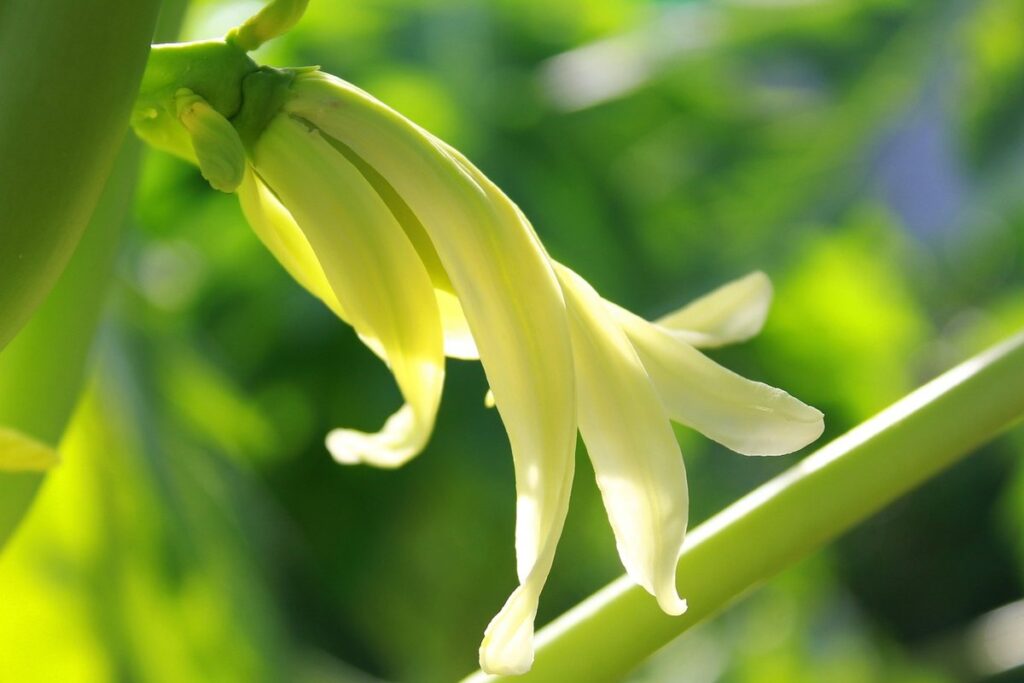
Section 1: Introduction to Papaya Flower Plants
Welcome to our comprehensive guide, and let’s start by exploring the fascinating world of papaya flower plants, where your journey begins. You’ll discover how these unique plants grow and thrive in ideal conditions.
What are Papaya Flower Plants?
Papaya flower plants are a type of vining plant that belongs to the Carica papaya family. Originating from Central America and Southern Mexico, they have become increasingly popular among modern gardeners due to their unique characteristics and ease of cultivation.
These tropical delights thrive in warm and humid climates, making them an ideal choice for gardeners living in regions with a subtropical or tropical climate. Papaya flower plants can grow up to 10-15 feet tall, with some varieties reaching heights of over 20 feet. They produce clusters of small, delicate flowers that are followed by fruit, typically taking around 5-7 months to mature from bloom.
One of the most appealing aspects of papaya flower plants is their fast growth rate and ability to spread quickly through suckers or seed propagation. This makes them a great choice for gardeners looking to create a lush and exotic display in their gardens. With proper care and attention, papaya flower plants can provide a bountiful harvest of delicious fruit, as well as attract pollinators and add visual interest to the garden.
Papaya flower plants are relatively low-maintenance and easy to care for, making them an excellent choice for both beginner and experienced gardeners.
History and Cultural Significance
The papaya flower plant has been an integral part of various cultures for centuries. Its historical significance is rooted in its use as a medicinal plant, particularly in traditional Asian medicine. In India, the fruit and flowers of the papaya plant are used to treat a range of ailments from fever to digestive issues.
In many tropical regions, papaya flowers are also used in culinary practices, adding flavor and nutrition to local dishes. For instance, in Southeast Asia, the unopened papaya flower buds are often stir-fried or sautéed as a vegetable side dish. The delicate petals have a soft, buttery texture that adds a unique flavor dimension.
Interestingly, the papaya plant has also been revered for its symbolic significance in some cultures. In Mexico and Central America, the fruit is associated with fertility and abundance. The vibrant orange-yellow color of the papaya flower has also inspired various artists and artisans to incorporate it into their work.
Today, while many modern remedies have replaced traditional uses for the papaya plant, its historical significance remains an important part of our cultural heritage.
Section 2: Benefits and Nutritional Value of Papaya Flowers
Papaya flowers are not just a beautiful sight to behold, but they also offer numerous benefits when consumed. Let’s dive into their impressive nutritional value and uses.
Nutritional Content
Papaya flowers are not only a delicacy in many tropical cultures but also a nutritional powerhouse. Rich in essential vitamins and minerals, they offer numerous health benefits when consumed. One of the most significant advantages of papaya flowers is their high content of vitamin A, an antioxidant that protects cells from damage, promotes healthy vision, and supports immune function.
In addition to vitamin A, papaya flowers are also rich in vitamin C, which plays a crucial role in collagen production, wound healing, and iron absorption. Vitamin E, another essential nutrient found in papaya flowers, acts as an antioxidant, protecting cells from oxidative stress and inflammation.
Papaya flowers are also an excellent source of potassium, an electrolyte that helps regulate fluid balance, blood pressure, and supports healthy muscle function.
Antioxidants in papaya flowers, including flavonoids and carotenoids, have been shown to exhibit anti-inflammatory properties, which may help reduce the risk of chronic diseases such as heart disease, cancer, and neurodegenerative disorders.
Medicinal Properties
Papaya flowers have been used for centuries in traditional medicine, particularly in tropical regions where they are native. The medicinal properties of papaya flowers can be attributed to their rich content of antioxidants and anti-inflammatory compounds.
Research has shown that the extracts from papaya flowers possess potent antiseptic properties, making them effective against a range of bacterial infections. The anti-inflammatory properties of papaya flowers also make them an excellent natural remedy for conditions such as arthritis and asthma. In addition, the flavonoids present in papaya flowers have been found to exhibit antioxidant activity, which can help protect cells from damage caused by free radicals.
To harness the medicinal benefits of papaya flowers, you can try making a tea by steeping dried or fresh petals in hot water. This can be consumed up to three times a day to reap the anti-inflammatory and antiseptic effects. Alternatively, you can use papaya flower extracts as a natural remedy for wound healing and skin conditions.
It’s essential to note that while papaya flowers have shown promise in traditional medicine, more research is needed to fully understand their therapeutic potential. As with any new supplement or treatment, consult with a healthcare professional before using papaya flowers for medicinal purposes.
Section 3: Growing Papaya Flower Plants
Now that you have a mature papaya plant, it’s time to focus on encouraging those beautiful flowers to bloom and eventually set fruit. In this next section, we’ll walk through the process of growing papaya flower plants from seedling stage.
Climate and Soil Requirements
When it comes to growing papaya flower plants, understanding the ideal climate and soil conditions is crucial for success. Papaya plants thrive in warm temperatures between 64°F (18°C) and 90°F (32°C), with optimal growth occurring between 75°F (24°C) and 85°F (29°C). They prefer full sun to partial shade, requiring at least six hours of direct sunlight per day.
In terms of soil, papaya plants love well-draining, rich soil with a pH between 5.5 and 6.5. Avoid planting in areas with standing water or where water tends to collect, as this can lead to root rot. If your native soil is heavy clay or prone to waterlogging, consider amending it with organic matter like compost or well-rotted manure.
It’s also essential to provide papaya plants with a location that receives consistent moisture levels. Avoid planting in areas with strong winds, which can cause damage to the plant and flowers. By replicating these ideal climate and soil conditions, you’ll be well on your way to growing healthy, thriving papaya flower plants.
Planting and Care Instructions
When planting your papaya flower plant, choose a location with full sun and well-draining soil. Dig a hole that’s at least 12 inches deep to accommodate the taproot of the plant. Gently remove the roots from the nursery pot, taking care not to damage them.
Next, water the plant thoroughly after transplanting it into its new home. Watering schedules will vary depending on your climate, but as a general rule, papaya plants require about 1 inch of water per week during their first year of growth. Be sure to check the soil moisture by inserting your finger into the soil up to the knuckle; if the soil feels dry, it’s time for another watering.
In terms of pruning techniques, remove any dead or damaged leaves or flowers as soon as you notice them. This will not only improve air circulation but also prevent the spread of disease. You can also prune back your papaya plant by one-third to one-half in the spring and summer months to encourage new growth and fruiting.
Section 4: Common Challenges and Pests
Growing papaya plants can be a thrilling experience, but it’s not without its challenges. In this section, we’ll explore common pests and issues that may affect your tropical delight.
Diseases and Pests Affecting Papaya Plants
Papaya plants are susceptible to several diseases and pests that can significantly impact their growth and fruit production. One of the most common issues is powdery mildew, a fungal disease that causes white, powdery patches on the leaves and stems. This can be prevented by maintaining good air circulation around the plant, watering it at soil level rather than overhead, and ensuring adequate sunlight.
Fruit flies are another persistent problem for papaya growers. These tiny insects lay eggs inside the fruit, causing it to rot from the inside out. To prevent infestations, inspect your plants regularly for signs of damage, use fine-mesh screens or fine-netted bags to cover the fruit, and remove any infested fruit immediately.
Other pests that can affect papaya plants include aphids, whiteflies, and spider mites. These can be controlled using neem oil sprays, insecticidal soap, or introducing natural predators like ladybugs or lacewings into your garden. Regular pruning of the plant to promote healthy growth and prevent moisture buildup is also essential in maintaining a pest-free papaya crop.
Organic Pest Control Methods
When it comes to growing papaya flower plants, one of the biggest challenges you’ll face is controlling pests and diseases. Chemical pesticides can be harsh on the plant and harm beneficial insects, so it’s essential to explore organic methods for pest control.
One effective way to manage pests naturally is by using neem oil. Neem oil is a derivative of the neem tree and has been used for centuries as an insecticide. It works by disrupting the insect’s life cycle, preventing them from reproducing and eventually killing them off. To use neem oil on your papaya plant, mix it with water according to the product label instructions and spray it directly on the affected areas.
Another method is companion planting, where you pair your papaya plant with other plants that repel pests naturally. For example, basil and mint are known to deter aphids and whiteflies, while marigold repels nematodes. By incorporating these beneficial plants into your garden, you can create a balanced ecosystem that minimizes the need for chemical pesticides.
By adopting organic pest control methods like neem oil and companion planting, you’ll not only protect your papaya plant but also promote a healthier environment for all the beneficial insects in your garden.
Section 5: Harvesting and Using Papaya Flowers
Now that you know how to care for your papaya plant, it’s time to explore one of its most valuable assets: the delicate yet edible flowers. We’ll show you how to harvest and use these lovely blooms in your cooking.
When to Harvest Papaya Flowers
Harvesting papaya flowers at the right time is crucial to ensure optimal flavor and nutritional value. Typically, you can start harvesting papaya flowers when they are around 6-8 inches long and have a vibrant yellow color with dark green tips. The best time for harvesting is usually in the morning after the dew has dried, but before the heat of the day sets in.
It’s essential to check the flowers regularly as they tend to change quickly from open to wilted. A good rule of thumb is to harvest every other flower or two to allow the plant to focus its energy on developing the fruit. This not only encourages more blooming but also helps prevent over-fertilization, which can negatively impact flavor and texture.
For optimal flavor, wait until the flowers have fully opened before harvesting them for use in salads, smoothies, or as a garnish. If you plan to use them for cooking, it’s best to pick them when they are slightly less open to ensure the delicate flavors aren’t lost during preparation.
Culinary Uses of Papaya Flowers
Papaya flowers are not only a delight to behold but also a culinary treasure waiting to be uncovered. In many tropical regions, papaya flowers are considered a delicacy and are used in various dishes to add flavor, texture, and color.
One of the most popular uses of papaya flowers is in salads, where they add a sweet and slightly tangy taste. Simply chop the flowers into small pieces and toss them with mixed greens, cherry tomatoes, and a citrus vinaigrette for a refreshing and healthy salad. Papaya flowers can also be used as a garnish to add a pop of color to your dishes.
In stir-fries, papaya flowers can be sautéed with garlic and ginger to create a flavorful sauce. Try combining them with protein sources like chicken or tofu for a nutritious and delicious meal. For dessert lovers, papaya flowers can be used to make a unique and exotic fruit salad by mixing them with diced mango, pineapple, and coconut milk.
When using papaya flowers in cooking, remember to only use the male flowers as they have a more delicate flavor than the female flowers. Also, be sure to wash the flowers thoroughly before using them to ensure food safety. With a little creativity, the culinary possibilities of papaya flowers are endless!
Section 6: Varieties of Papaya Flower Plants
You’re probably wondering how many different varieties of papaya flower plants exist, and we’re excited to share some of the most popular ones with you. Let’s dive into the fascinating world of papaya plant diversity.
Popular Varieties
When it comes to growing papaya flower plants, you’ll find numerous varieties to choose from. Each one has its unique characteristics and growth habits that make them suitable for specific climates and purposes.
Some popular varieties include the Hawaiian Gold, SunUp, and Karakaya. The Hawaiian Gold is a compact variety that grows up to 6 feet tall and produces fruit in as little as 10 months. It’s ideal for small gardens or containers and can thrive in cooler temperatures. In contrast, the SunUp variety requires warmer climates and can grow up to 12 feet tall.
The Karakaya variety is known for its high yield and tolerance of drought conditions. It grows up to 15 feet tall but produces fruit in as little as 8 months. This variety is ideal for large gardens or commercial farms where a high yield is required.
When selecting a papaya flower plant variety, consider the climate, available space, and desired outcome. Choose a variety that suits your needs and provides the best results.
Selection Tips for Home Gardeners
When selecting a papaya flower plant variety, it’s essential to consider your local climate conditions and personal gardening preferences. For instance, if you live in an area with short winters, look for varieties that are cold-tolerant or can be grown as container plants and moved indoors during the winter months.
Some popular papaya varieties include ‘Sunrise Solo’, which is compact and suitable for small spaces, while ‘Red Lady’ produces large, red-tinged fruits. If you’re after a variety with better disease resistance, consider ‘Kapoho’, but be aware that its fruit production may be lower.
If you live in an area with hot and humid summers, choose varieties like ‘Tainung No. 2’ or ‘Waimanalo’, which are more resistant to sun scorch and powdery mildew. When selecting a variety, also consider the papaya’s growth habits, fruit size, flavor, and texture to ensure it meets your specific needs.
Before making a final decision, research each variety’s specific requirements to guarantee success in your garden.
Section 7: Conclusion and Future Prospects
Now that we’ve explored the ins and outs of growing a thriving papaya flower plant, let’s wrap up our journey by discussing what to expect in future seasons.
Recap of Key Points
As we conclude our comprehensive guide to growing and caring for papaya flower plants, let’s recap the key points that will help you successfully cultivate this tropical delight.
Growing papaya flowers requires a warm and humid climate, well-draining soil, and sufficient sunlight. Remember to choose a variety that suits your local climate and provide regular fertilization to promote healthy growth. Pruning is also essential to encourage fruiting and prevent pests from taking over.
Some of the benefits of growing papaya flower plants include their high nutritional value, medicinal properties, and ability to thrive in poor soil conditions. However, challenges such as fungal diseases, pests, and nutrient deficiencies can arise if proper care isn’t taken.
To overcome these challenges, implement integrated pest management techniques, monitor your plant’s watering schedule, and maintain a balanced fertilizer routine. With the right knowledge and attention, you’ll be enjoying a bountiful harvest of delicious papayas in no time.
Future Developments and Research
As we conclude our comprehensive guide to growing and caring for papaya flower plants, it’s essential to consider the exciting future developments and research that are poised to revolutionize various aspects of agriculture, nutrition, and medicine. Researchers are actively exploring the potential applications of papaya flower extracts in pharmaceuticals, with a focus on developing novel compounds for cancer treatment.
Studies have shown that the unique combination of flavonoids and carotenoids present in papaya flowers possess potent antioxidant properties, which could lead to breakthroughs in cardiovascular disease prevention and management. Additionally, ongoing research is investigating the use of papaya flower extracts as natural food preservatives, reducing the reliance on synthetic additives.
In the realm of agriculture, scientists are working on developing genetically engineered papaya varieties with enhanced resistance to pests and diseases, minimizing the need for chemical pesticides. These advancements have far-reaching implications for sustainable farming practices and global food security. As we continue to unravel the secrets of the papaya flower plant, it’s clear that its potential applications will only continue to expand, offering new opportunities for innovation and growth.
Frequently Asked Questions
Can I grow papaya flower plants indoors, or do they require a specific climate?
You can grow papaya flower plants indoors, but they typically thrive in warmer climates with temperatures between 64°F to 90°F (18°C to 32°C). Provide your plant with bright, indirect light and maintain high humidity levels. This will help simulate the ideal conditions for optimal growth.
How do I protect my papaya plant from diseases and pests, especially if I’m using organic pest control methods?
Diseases such as root rot and leaf spot can be prevented by ensuring good air circulation and maintaining clean growing conditions. For pests like mealybugs and aphids, introduce beneficial insects like ladybugs or lacewings to your garden. Regularly inspect your plant for any signs of infestation.
Can I use papaya flowers in cooking without worrying about their medicinal properties affecting the dish’s flavor?
While papaya flowers do have medicinal properties, they are generally considered safe for consumption and can add a unique flavor to various dishes. However, be cautious not to consume large quantities, as excessive intake may lead to adverse reactions.
How long does it take for papaya flower plants to mature and produce fruit after planting?
Papaya flower plants typically take 6-12 months to mature and produce fruit after planting. Factors such as climate, soil quality, and care practices can influence the growth rate. Ensure you provide your plant with optimal growing conditions to promote healthy development.
Are there any specific tips for selecting papaya varieties suitable for home gardeners?
When choosing a papaya variety, consider factors like climate hardiness, disease resistance, and fruit size. For home gardeners, compact or dwarf varieties are often more suitable due to space constraints. Research popular varieties like ‘Red Lady’ or ‘Sunrise Solo’ for specific recommendations.