
Are you eager to add some flavor to your garden? Growing onions from sets is a great place to start, as they’re relatively easy to cultivate and can be harvested in just a few months. But, let’s face it – not all onion sets are created equal. Choosing the right quality sets is crucial for a successful crop, which is why we’ll dive into the details of selecting high-quality sets and preparing your soil for growth.
In this article, you’ll learn expert tips on how to fertilize, prune, and harvest your onions for a bountiful crop. We’ll cover common mistakes to avoid when growing onions from sets, so you can get the most out of your garden. With these simple steps and insider knowledge, you’ll be well on your way to harvesting delicious homegrown onions in no time!
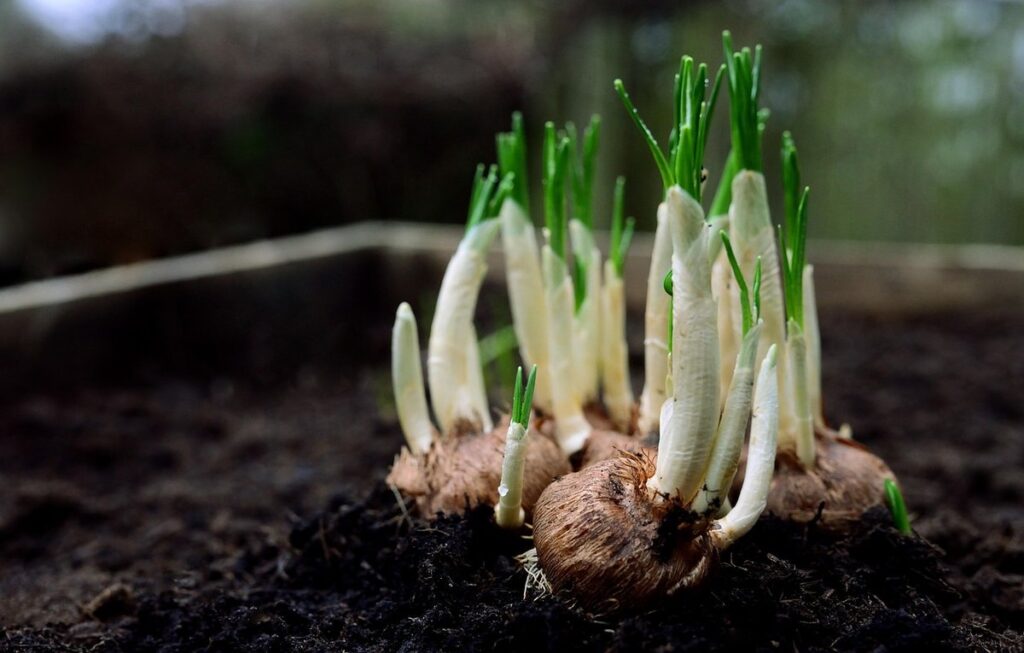
Choosing the Right Onion Sets
When it comes to growing onions from sets, selecting the right varieties for your climate and needs is crucial. This section will walk you through how to choose onion sets that thrive in your garden.
Understanding the Difference Between Onion Seeds and Sets
When it comes to growing onions, you may have noticed that there are two primary ways to get started: using onion seeds or sets. While both methods can produce delicious and healthy onions, they have some key differences.
Onion seeds are the tiny seeds that come from mature onions. They need to be sown indoors 8-10 weeks before the last frost date in your area. This method allows for greater variety selection, as you can choose from a wide range of onion varieties. However, it requires more effort and patience, as the seeds need to be started early and then transplanted outside when they’re about 6 inches tall.
Onion sets, on the other hand, are small bulbs that have been harvested in the summer or fall and replanted in the spring. They’re easier to use for beginners, as they can be direct-sown into the garden 4-6 weeks before the last frost date. This method is faster and more forgiving, making it a great choice for those new to growing onions.
Using onion sets has its advantages, especially for beginners. They have already developed roots, so they get off to a faster start than seedlings. Additionally, sets are less prone to disease and pests, as they’ve been through the challenging process of bulb formation.
Selecting High-Quality Onion Sets
When selecting onion sets for planting, it’s essential to focus on high-quality bulbs that will give you a strong start. Begin by inspecting the freshness of the onion sets. Look for plump, firm bulbs with no signs of mold or sprouting. Avoid sets that are soft, shriveled, or have visible damage.
The storage conditions of the onion sets can also impact their quality. Opt for sets stored in a cool, dry place away from direct sunlight and moisture. Some nurseries may store their onion sets in refrigerated conditions to maintain optimal freshness.
Certification is another factor to consider if available in your area. Look for labels that indicate the onion sets meet certain standards for quality or disease resistance. While certification isn’t always necessary, it can provide an added layer of assurance about the health and robustness of the bulbs. When in doubt, ask your supplier or nursery staff about their storage practices and any certifications they may offer.
Planning Your Onion Set Planting
When planning to plant onion sets, it’s essential to consider the climate and soil conditions of your garden. Onions thrive in well-draining, fertile soil with a pH between 6.0 and 7.0. If your soil is heavy clay or sandy, amend it with organic matter like compost to improve its structure.
Climate plays a significant role in onion growth. In regions with hot summers, onions are best planted in early spring or late summer/early fall to avoid the intense heat. In areas with mild winters, you can plant sets in the fall for a winter harvest. Onions need full sun to partial shade, so ensure your planting area receives at least six hours of direct sunlight.
Consider the microclimate in your garden as well. If you live in an area prone to heavy rainfall or frost, choose onion varieties that are resistant to these conditions. Some popular options include ‘Stuttgarter’ and ‘Beltsville Bunching’. By understanding your local climate and soil conditions, you’ll be better equipped to provide the right environment for healthy onion growth from sets.
Preparing the Soil for Onions
Before you start planting your onion sets, it’s essential to prepare the soil properly to give them a strong foundation and optimal growing conditions. This includes loosening the soil and eliminating any debris or weeds.
Testing and Amending Your Soil
Testing your soil is crucial before planting onions because it helps you understand its pH level and nutrient content. This information will determine what amendments are needed to create a favorable environment for onion growth. Onions prefer well-draining, fertile soil with a pH between 6.0 and 7.0.
A simple DIY test can be conducted using vinegar or baking soda to adjust the pH level of your soil. If it’s too acidic (pH below 6.0), add lime or dolomitic limestone. Conversely, if it’s too alkaline (pH above 7.0), mix in elemental sulfur or peat moss.
For optimal onion growth, amend your soil with compost or well-rotted manure to increase its nutrient content. You can also consider adding organic matter like green sand, alfalfa meal, or fish emulsion to provide essential micronutrients. Keep in mind that onions are heavy feeders and require a balanced diet of nutrients throughout their growth cycle.
Before planting onion sets, mix the amended soil well and let it settle for a few days to ensure even nutrient distribution.
Creating a Suitable Onion Bed
When creating an optimal growing environment for onions, several key factors come into play. First and foremost, drainage is crucial. Onions are susceptible to rot if the soil becomes waterlogged, so make sure the bed has good drainage. You can achieve this by adding organic matter like compost or well-rotted manure to the soil, which will improve its structure and allow excess water to percolate through.
Another important consideration is mulching. Mulch helps retain moisture in the soil, suppress weeds that compete with your onions for resources, and regulate soil temperature. Use a thin layer of organic mulch like straw or grass clippings around 2-3 inches thick. Avoid using too much mulch, as this can prevent water from reaching the roots of your onion sets.
To ensure optimal growing conditions, choose a location that receives full sun to partial shade and has well-aerated soil. Avoid planting onions in low-lying areas where water may collect. By paying attention to these factors, you’ll create an environment conducive to healthy onion growth and development.
Tips for Successful Onion Transplanting (If Applicable)
If you’re starting with onion sets that have already germinated and are 2-3 inches tall, you may need to transplant them into larger pots or directly into the garden bed. This process can be a bit tricky, especially if the roots of the onion set are circling around the inside of the pot.
One potential challenge is root disturbance during transplanting. To minimize this risk, gently dig around the onion set with your fingers or a blunt instrument to loosen the soil without damaging the roots. Next, use a cup or container to carefully scoop up the onion and its surrounding soil, making sure not to touch the delicate roots.
When transplanting, handle the onion sets as little as possible to avoid causing shock to the plant. Plant them at the same depth they were previously growing, taking care not to compact the soil around the roots. Keep the soil consistently moist during this period, and provide adequate sunlight for optimal growth. With proper care, your transplanted onion sets should thrive in their new environment.
Planting and Caring for Onions
Now that you have your onion sets, it’s time to plant them correctly and give them the care they need to thrive. Let’s get started on how to plant and care for your onions successfully.
Setting Onion Sets Correctly
When planting onion sets, it’s essential to do so correctly to ensure healthy growth and maximize yields. To start, choose a spot with full sun and well-draining soil. Onion sets are usually planted 2-3 inches deep, depending on the variety. The correct depth is crucial, as setting them too shallow can lead to green tops that fall over, while planting them too deep may cause rot.
To plant onion sets correctly, begin by creating a furrow in your garden bed about an inch deeper than the recommended planting depth. Place the set into the furrow with the pointed end facing upwards and the roots spread out evenly. Cover with a thin layer of soil, firming it gently around each set to prevent settling.
Onion sets should be spaced 4-6 inches apart, depending on the variety’s growth habit. Plant them in rows that are about 12-18 inches apart, allowing for easy access and air circulation between plants.
Watering and Mulching Techniques
Maintaining consistent moisture levels is crucial for healthy onion growth. Onions need about 1 inch of water per week, either from rain or irrigation. However, it’s essential to avoid overwatering, as this can lead to rot and other diseases. To ensure the right balance, check the soil daily by inserting your finger into it up to the knuckle. If the soil feels dry, it’s time for watering.
Mulching is another key factor in onion care. Mulch helps retain moisture, suppress weeds, and regulate soil temperature. Organic mulches like straw or bark chips work well for onions. Apply a 2-inch layer of mulch around the plants, keeping it about an inch away from the base. This will help maintain a consistent moisture level and prevent water loss through evaporation.
Remember to keep the mulch loose and not compacted, allowing air to reach the soil. As the onion bulbs mature, gradually reduce watering to encourage the formation of strong necks and healthy tops.
Common Pests and Diseases Affecting Onions
Onions are susceptible to various pests and diseases that can significantly impact their growth and flavor. Aphids, onion flies, and thrips are common pests that feed on the plant’s sap, causing curled or distorted leaves and reduced yields.
Diseases such as pink root rot, white rot, and downy mildew can also affect onions. Pink root rot is a fungal disease that causes the roots to turn pink and results in stunted growth. White rot is another fungal disease that causes the onion bulbs to rot from the inside out, often resulting in a foul odor.
Prevention is key when it comes to managing pests and diseases in your onion crop. Make sure to handle sets gently to avoid damaging them, which can create entry points for pathogens. Plant sets in well-draining soil and ensure good air circulation around each plant to prevent moisture buildup, a perfect breeding ground for fungal diseases. Regularly inspect your plants for signs of infestation or disease and take action promptly to prevent the issue from spreading.
Keep your onion bed clean by removing weeds that can harbor pests and diseases. Consider using neem oil or insecticidal soap to control aphid populations.
Fertilizing and Pruning Onions
To keep your onions thriving, we’ll cover the essential steps for fertilizing them at just the right times, as well as when to prune for optimal growth.
Understanding Onion Nutritional Needs
Onions require specific nutrients to grow and thrive. As they are relatively low-maintenance plants, they don’t need a lot of fertilizer. However, providing them with the right amount of nutrients can significantly improve their growth rate, bulb size, and overall health.
To determine if your onions need fertilization, inspect the leaves regularly. Healthy onion leaves should be dark green in color and grow upright from the base. If you notice any yellowing or browning, it may indicate a nutrient deficiency. Onions are particularly susceptible to nitrogen deficiencies, which can cause stunted growth and weakened plants.
To meet their nutritional needs, onions require a balanced diet of nitrogen, phosphorus, potassium, and sulfur. You can achieve this by using a fertilizer specifically formulated for vegetables. Follow the instructions on the package carefully, as over-fertilization can harm your onions. For example, a balanced fertilizer with an N-P-K ratio of 10-10-10 is suitable for onions. Apply it once a month during the growing season to keep the soil fertile and promote healthy growth.
Applying Organic Fertilizers
When applying organic fertilizers to promote healthy onion growth from sets, it’s essential to choose products that are rich in nutrients and gentle on the environment. Compost tea is an excellent option, as it provides a balanced mix of microorganisms and nutrients that help support the onions’ development. To make compost tea, steep 5-10% of compost material in water for 24 hours before straining and applying it to the soil.
Other suitable options include fish bone meal, alfalfa meal, and kelp meal, which are high in nitrogen, phosphorus, and potassium respectively. When using these products, follow the manufacturer’s instructions for application rates to avoid over-fertilizing. It’s also crucial to incorporate organic matter into the soil before planting onion sets. This can be achieved by adding a 2-inch layer of compost or well-rotted manure to the bed. As you continue to water and care for your onions, apply fertilizers at regular intervals to maintain optimal nutrient levels.
The Role of Pruning in Onion Growth
Pruning plays a crucial role in onion growth, and it’s essential to understand its benefits to get the most out of your onion crop. When you prune onions correctly, you’re not only promoting healthy plant development but also influencing bulb formation.
One of the primary reasons pruning is beneficial for onions is that it controls the amount of energy allocated to foliage versus bulb growth. Onions are a type of top-set plant, meaning they grow their bulbs at the base of the stem as opposed to in the soil like other vegetables. By removing or trimming off the lower leaves and weak stems, you’re redirecting the plant’s resources towards developing a larger, more flavorful bulb.
Pruning also helps maintain air circulation around the plants, reducing the risk of fungal diseases that thrive in humid environments. Regular pruning encourages the onion to focus its energy on producing high-quality bulbs rather than spreading outwards. To prune your onions effectively, simply remove any yellowing or damaged leaves and trim back weak growth by about one-third. This will encourage bushy growth and promote a better harvest at the end of the season.
Harvesting Onions at the Right Time
When it comes time to harvest your onion crop, timing is everything. Knowing when your onions are fully mature will help you avoid damaging the bulbs during harvest.
Determining When Onions Are Ready to Harvest
Checking on your onion crop regularly will give you an idea of when they are ready to harvest. One way to do this is by observing the neck elongation – a clear sign that the onions have matured and are ready for harvesting. As the onions grow, their foliage will start to yellow and fall over, which is another indication that they’re almost ready.
To check on the readiness of your onions, gently dig around the base with a fork, being careful not to damage the bulbs. If the necks appear elongated and the tops are falling over, it’s likely time to harvest. However, don’t wait too long – if left in the ground for too long, the bulbs will start to rot and become unfit for eating.
Keep an eye on the soil moisture as well, as dry conditions can cause the onions to spoil quickly. Ideally, you should be harvesting your onions when about one-third of the foliage has fallen over, signaling that they’re fully matured.
Tips for Gentle Handling and Storage
When harvesting onions grown from sets, it’s essential to handle them with care to preserve their quality. To start, gently lift the bulbs out of the ground using a fork to avoid damaging the necks. Handle them by the tops rather than grasping the delicate skin, which can easily tear.
Once harvested, allow the onions to cure for several days in a warm, dry location with good airflow. This helps to dry the outer skins and seal any openings that could lead to rot or mold. Next, trim the tops, leaving about an inch of stem intact, and store them in a cool, dark place with ventilation.
For longer-term storage, consider storing onions in a breathable container like a mesh bag or paper bag. Avoid plastic bags, as they can trap moisture and cause the onions to rot. Store them at around 60-70°F (15-21°C), which is cooler than room temperature but not so cold that it causes sprouting.
By following these tips, you’ll be able to enjoy your homegrown onions for several months after harvest.
Common Mistakes to Avoid When Growing Onions from Sets
When growing onions from sets, it’s easy to make mistakes that can sabotage your entire crop. Let’s cover some common errors to avoid for a healthy and productive harvest.
Troubleshooting Common Issues
One of the most frustrating things that can happen when growing onions from sets is encountering common issues that hinder their growth. Here are some potential problems you might face and how to address them:
Onion sets may not germinate or grow due to poor soil quality, lack of adequate sunlight, or insufficient watering. To ensure optimal conditions for your onion sets, choose a well-draining potting mix and provide at least six hours of direct sunlight each day. Water your onion sets when the top inch of soil feels dry to the touch.
Another issue you might encounter is fungal diseases such as neck rot, which can be caused by overwatering or poor air circulation. To prevent fungal diseases, ensure good air circulation around your onion plants and avoid watering them too frequently. If you notice any signs of disease, remove affected sets immediately to prevent the spread of infection.
Finally, pests like aphids, thrips, and spider mites can also harm your onion plants. To manage pest populations, use neem oil or insecticidal soap according to the product’s instructions, or introduce beneficial insects like ladybugs into your garden. Regularly inspect your onion sets for signs of infestation and take action promptly if you notice any issues.
Best Practices for Long-Term Success
As you’ve successfully navigated the process of growing onions from sets, it’s time to think about long-term success. Patience and attention to detail are key factors that will ensure a bountiful harvest and make the experience truly rewarding.
To reap the benefits of this labor-intensive process, don’t get discouraged if the first crop doesn’t meet your expectations. It’s normal for beginners to encounter setbacks or disappointing results, but use these experiences as opportunities to learn and improve. Regularly check on your plants, removing any weak or damaged sets to prevent them from spreading disease.
With each passing season, you’ll refine your techniques based on what works best for your specific environment. This may mean adjusting the timing of planting, fertilization, or pest management strategies. As you develop a deeper understanding of your onion crop’s needs, you’ll start to notice significant improvements in yield and quality.
Frequently Asked Questions
How do I know when my onion sets have sprouted enough to be transplanted outdoors?
After 2-3 weeks of indoor growing, your onion sets should have developed small green shoots. Wait for them to reach about 1 inch tall before transplanting them into a prepared bed with well-draining soil and full sun. Harden off the seedlings by gradually exposing them to outdoor conditions over the course of 7-10 days.
Can I grow onions from sets in containers or do they require a dedicated onion bed?
Onion sets can be grown in containers, provided they have good drainage and at least 6 hours of direct sunlight per day. Choose a container that’s at least 6-8 inches deep to accommodate the mature onion bulb. Use a well-draining potting mix and fertilize regularly for optimal growth.
How often should I water my onions, especially during hot or dry weather?
Onion plants need consistent moisture, especially when they’re producing bulbs. Water your onions deeply once or twice a week, depending on weather conditions. Mulch around the plants to retain soil moisture and suppress weeds. Avoid overhead watering, which can lead to fungal diseases.
Can I use store-bought onion sets for growing, or do I need to purchase high-quality sets specifically labeled as “garden sets”?
While it’s tempting to use store-bought onion sets, they may not be suitable for garden growth. Opt for high-quality onion sets that are specifically labeled as “gardening sets” or “bunching onions.” These sets will have been bred for better flavor and storage quality, resulting in a more successful harvest.
What should I do if my onion plants start to yellow or develop brown tips – is it a sign of disease or nutrient deficiency?
Yellowing leaves can be a sign of overwatering, while brown tips often indicate a lack of sulfur. If you suspect a nutrient deficiency, consider applying a balanced fertilizer or a sulfur-rich product specifically designed for onions. Regularly inspect your plants and take prompt action to address any issues before they spread to the rest of the crop.