
Growing onions from sets or seeds can be a delightful experience for any gardener, but getting the best results often depends on choosing the right variety. Whether you’re a seasoned green thumb or just starting out, understanding how to select and care for onion plants is crucial for achieving that perfect bountiful harvest. Onions are one of the most versatile vegetables, adding flavor and nutrition to countless dishes, making it essential to know the ins and outs of cultivating them in your garden. This article aims to provide a comprehensive guide to growing onions from sets and seeds, covering everything you need to know about variety selection, sowing, caring, and harvesting onion plants for a successful harvest.
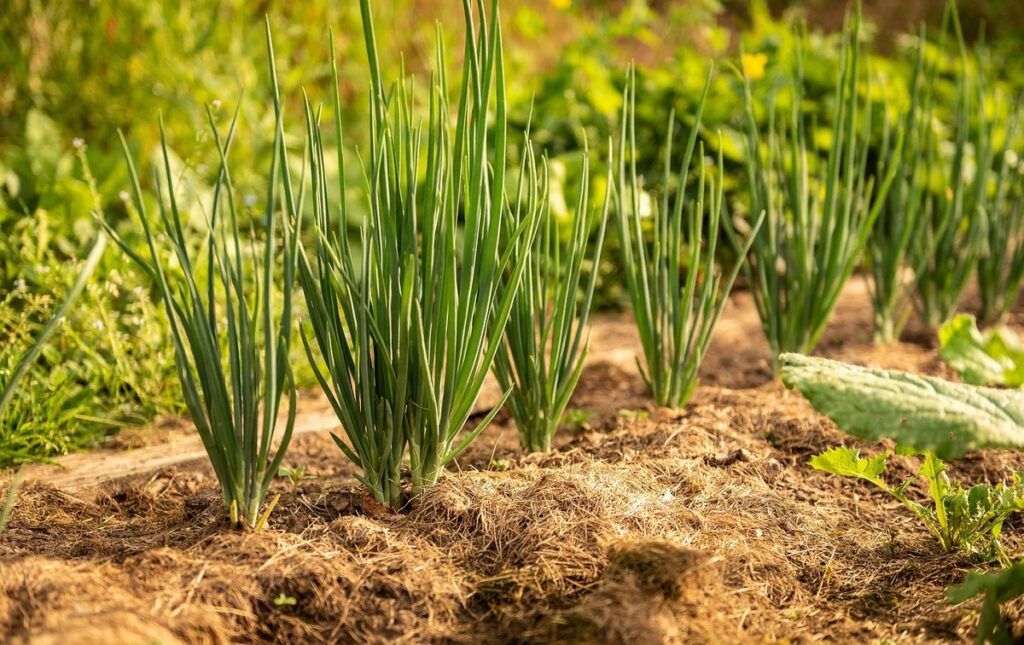
Choosing the Right Variety
When it comes to growing onions, selecting the right variety is crucial for a bountiful harvest. With so many options available, let’s explore the key factors to consider when choosing an onion variety that suits your needs.
Types of Onions for Different Uses
When it comes to choosing the right onion for your cooking needs, understanding the different types of onions is crucial. Let’s start with the three main categories: bulb, scallion (also known as green onion), and shallot.
Bulb onions are the most commonly used variety in cooking and can be further divided into sweet, yellow, red, white, and pearl onions. Sweet onions like Vidalia or Maui are perfect for caramelizing due to their high water content and mild flavor. Yellow onions, on the other hand, are great for cooking methods that involve a long period of heat, such as roasting or sautéing.
Scallions, with their longer green stems and smaller bulbs, add a pungent flavor to dishes like salads and stir-fries. Shallots, meanwhile, have a mild onion flavor but a sweeter taste than scallions. They’re often used in French cuisine for adding depth to sauces and marinades.
Some popular varieties suitable for different climates and regions include ‘Texas Grano’ for hot summer weather and ‘Beltsville Bunching’ for cooler temperatures.
Factors to Consider When Selecting an Onion Variety
When selecting an onion variety, there are several key factors to consider. One of the most important is flavor profile, as different varieties will have distinct tastes and aromas. For example, if you’re looking for a sweet onion, try planting a ‘Vidalia’ or ‘Texas Sweet’ variety. These onions are known for their mild, almost sweet flavor and make them perfect for fresh eating.
Another crucial factor to consider is size. Some onion varieties will produce much larger bulbs than others, while some will be smaller and more suitable for cooking or roasting. If you need large quantities of onions for canning or freezing, look for varieties like ‘Egyptian Walking Onion’ or ‘Yellow Granex’. These onions are known for their high yields and large bulb size.
Disease resistance is also a vital consideration when selecting an onion variety. Some varieties are more susceptible to diseases like downy mildew or fusarium basal rot than others. Look for varieties that have been bred with built-in disease resistance, such as ‘Resistant Red’ or ‘Yellow Globe Danver’. These onions will be better equipped to handle any potential diseases in your garden.
Color is also a factor worth considering. Some onion varieties will produce red, yellow, white, or even purple bulbs. If you want a pop of color in your garden or kitchen, try planting a variety like ‘Redwing’ or ‘Yellow Granex’.
Starting Onions from Seeds or Sets
When it comes to growing onions, you have two popular options: starting them from seeds or sets. Let’s dive into the pros and cons of each method.
Sowing Onion Seeds Indoors or Outdoors
Sowing onion seeds indoors 4-6 weeks before the last frost date is a great way to get a head start on the growing season. This allows you to have transplants ready to go into the garden as soon as the weather permits. To do this, fill a seed tray or small pots with good quality potting mix and sow the seeds about ¼ inch deep and 1-2 inches apart. Keep the soil consistently moist but not waterlogged.
Alternatively, direct sowing in late spring after the threat of frost has passed is also an option. In this case, sow the seeds about ¼ inch deep and 2-3 inches apart in well-draining soil that has been loosened to a depth of 12 inches. The key is to make sure the soil is warm enough for germination – aim for at least 40°F (4°C). Sowing too early can lead to rot and other problems, so it’s essential to wait until the soil has warmed up.
Timing-wise, in most regions, late spring is around late April or early May. This allows you to get a good crop of onions before the hot summer weather sets in. Keep in mind that some onion varieties are better suited for direct sowing than others – make sure to check the specific requirements for your chosen variety.
Setting Onions: Planting Onion Sets
When planting onion sets, it’s essential to choose high-quality sets that are disease-free and suitable for your climate. Select sets with at least one “eye” each, as these will produce the best results. Gently separate the sets from their packaging or roots, taking care not to damage them.
Plant the sets 1-2 inches deep and 4-6 inches apart in well-draining soil, spacing them evenly within rows. Onions require a minimum of six hours of direct sunlight per day; avoid planting in areas with partial shade. Timing is crucial: plant onion sets as soon as the weather warms up in early spring or late summer/early fall for a fall harvest.
In regions with frost, wait until the soil can be worked before planting. In warmer climates, you may need to provide some protection from intense sunlight and heat. Water the sets thoroughly after planting, but avoid overwatering, which can lead to rot and other problems. Keep the soil consistently moist during the first few weeks after planting, then gradually reduce watering as the onions grow.
Caring for Onion Plants
To ensure your onion plants thrive, it’s essential to provide them with proper care, including watering, fertilizing, and pest management techniques. With these tips, you’ll be well on your way to a bountiful harvest.
Watering and Soil Requirements
Water is essential for onion growth, but it’s easy to overwater or underwater these plants. To avoid stunted growth and weakened roots, make sure the soil has a good balance of moisture. Check the soil by inserting your finger into the ground up to the first knuckle; if the soil feels dry, it’s time for watering. Aim to provide about 1-2 inches of water per week, either through rainfall or irrigation.
But how do you ensure the right amount of water reaches your onions without washing away precious nutrients? Mulching is a great solution – spread a 2-inch layer around your onion plants and watch as it retains moisture while preventing erosion. If you’re using containers, keep an eye on the drainage holes to prevent waterlogged soil.
Adequate soil quality also plays a significant role in onion growth. Enrich the soil with organic matter by adding compost or well-rotted manure. This not only improves structure but also provides essential nutrients for healthy development. Mix it into the top 6 inches of soil before planting, and you’ll be rewarded with robust, disease-resistant onions.
Fertilizing Onion Plants: What Works and What Doesn’t
When it comes to fertilizing onion plants, you’ll want to provide them with the right balance of nutrients to promote healthy growth and development. Onions require a mix of nitrogen (N), phosphorus (P), and potassium (K) to thrive.
Organic fertilizers are an excellent choice for onion plants as they release nutrients slowly, preventing burning or over-fertilization. Compost, well-rotted manure, and fish emulsion are all great options. These natural sources provide a gentle boost of NPK, promoting root growth and bulb formation without overwhelming the plant.
Synthetic fertilizers, on the other hand, can be more aggressive and may damage onion plants if over-applied. A balanced 10-10-10 (N-P-K) fertilizer is often recommended for onions, but be cautious not to exceed the recommended application rates. Some synthetic fertilizers also contain micronutrients like boron and sulfur, which are essential for healthy onion growth.
Remember, it’s better to err on the side of caution when fertilizing your onion plants. Start with a small dose and gradually increase as needed, monitoring your plants’ response closely.
Common Pests and Diseases Affecting Onions
Onion plants can be susceptible to various pests and diseases that can significantly impact yields, so let’s take a closer look at some common issues. We’ll cover the most prevalent problems to watch out for.
Identifying Common Onion Pests
When growing onion plants and sets, it’s essential to be aware of common pests that can infest them. Among the most prevalent ones are aphids, whiteflies, and thrips. These tiny insects feed on the plant’s sap, causing curled or distorted leaves, stunted growth, and reduced bulb size.
Aphids, for example, are small, soft-bodied insects that can be found in clusters on the underside of leaves. They secrete a sticky substance called honeydew, which attracts ants and promotes the growth of sooty mold. Whiteflies, on the other hand, are tiny flying insects that feed on plant sap during the day and hide in protected areas at night. Thrips, often mistaken for aphids, have distinctive fringes on their hind wings.
To identify these pests, look for curled or distorted leaves, stunted growth, or reduced bulb size. Regularly inspect your onion plants for signs of infestation, especially after rainfall or watering. If you notice any of these symptoms, consider using neem oil, insecticidal soap, or horticultural oil to control the population.
Preventing and Managing Onion Diseases
Onions are one of the most widely cultivated crops globally, but they’re also susceptible to various diseases that can significantly impact yields. Among the major diseases affecting onion plants are downy mildew, rust, and smut.
Downy mildew is a prevalent issue in warm and humid climates, where it thrives due to optimal conditions for its growth. This disease causes yellowing leaves, followed by defoliation, which weakens the plant’s immune system and creates an entry point for secondary infections. To prevent downy mildew, use resistant varieties, maintain good air circulation around your plants, and water at soil level rather than overhead. If you notice symptoms, apply a fungicide as soon as possible.
Rust disease is another common issue affecting onion crops worldwide. It’s often spread through infected seeds or contaminated soil. Rust causes reddish-brown lesions on the leaves, which eventually turn black. To manage rust effectively, ensure you’re using healthy seeds and maintaining good crop rotation practices. Avoid watering in the evening to prevent moisture accumulation that can facilitate fungal growth.
Smut is a fungal disease affecting onion bulbs and plants during storage or at harvest. It’s often caused by high humidity levels and inadequate ventilation. To prevent smut, store your onions in a well-ventilated area with low humidity. If you notice any symptoms upon harvesting, treat the affected areas promptly to prevent further damage.
Harvesting and Storage of Onions
Now that your onion crop is ready, learn how to properly harvest it, including tips on when to dig, and how to store them for maximum flavor and longevity.
Signs of Maturity: When to Harvest Onions
When it comes to growing onions, knowing when they’re mature and ready for harvest is crucial. One of the easiest ways to determine onion maturity is by checking their size. A mature onion typically reaches a diameter of 1-2 inches (2.5-5 cm) or more, depending on the variety. To assess size, gently dig around the plant with your fingers, being careful not to damage any of the surrounding soil.
Another indicator of maturity is neck formation. As onions grow, they develop a neck – a smaller, narrower area that connects the bulb to the stem. A mature onion will have a well-defined neck, and the leaves will begin to yellow and fall over as the energy is diverted from the foliage to the bulb. If you gently tug on the top of the plant, it should come away easily from the soil.
If you’re growing sweet onions or other varieties that don’t form a strong neck, check for color instead. A mature onion typically turns a deep yellow or copper color, depending on the variety.
Curing and Storing Onions for Long-Term Use
To keep onions fresh for an extended period, it’s essential to cure and store them properly. The curing process involves allowing the onions to air dry, which helps to prevent mold and decay. To braid onions, start by tying a small bunch of onions together with twine or string. Leave enough space between each onion to allow for even drying.
For drying onions, tie them in small groups and hang them upside down in a warm, dry location with good air circulation. This method is ideal for smaller quantities of onions. Store the cured onions in a cool, dry place, such as a basement or pantry. Keep them away from direct sunlight, which can cause them to sprout.
When storing onions, it’s crucial to keep them in an airtight container or bag to prevent moisture from entering. You can also store them in a breathable material like paper bags or mesh bags. Store the onions in a single layer, rather than stacking them on top of each other, to maintain air circulation and prevent mold growth.
For long-term storage, consider storing onions in a root cellar or a cool, dark place with high humidity. This will help to keep the onions fresh for up to 8-10 months.
Tips for Troubleshooting Common Onion Issues
Sometimes, despite our best efforts, onion plants and sets can develop problems – don’t worry, we’ve got you covered. Let’s tackle common issues together, one tip at a time.
Overcoming Onion Growth Problems
Onion growth problems can be frustrating to deal with, especially when you’ve been waiting for weeks for your crop to mature. One common issue is yellowing leaves, which can indicate a range of underlying problems. Insufficient watering or nutrient deficiencies are often the culprits, so make sure to check your irrigation schedule and fertilization routine.
If stunted growth is the problem, it may be due to overwatering, which can cause roots to rot and hinder onion bulb development. On the other hand, under-watered onions may also struggle to grow, as they need consistent moisture levels throughout their growth cycle. To combat this, ensure you’re providing about 1-2 inches of water per week through a combination of rainfall and irrigation.
Delayed maturity is another common issue that can be caused by factors like temperature fluctuations or inadequate sunlight. Keep an eye on the weather forecast to plan your harvest accordingly, as onions are typically ready for harvesting when the tops begin to yellow and fall over.
How to Extend the Harvest Season: Succession Planting and Beyond
Extending the harvest season for onions is all about planning ahead and making the most of the growing conditions. Succession planting is a simple yet effective technique to ensure a continuous supply of onions throughout the year.
Here’s how it works: instead of planting one large batch of onion seeds, you sow small batches every 1-2 weeks, starting from early spring to late summer. This staggered planting schedule ensures that there’s always something maturing in the garden, extending the harvest season by several weeks.
Crop rotation is another valuable strategy for extending the harvest season. By rotating onions with other plants like beans, corn, or squash, you create a diverse and resilient ecosystem that promotes soil health and minimizes pests and diseases. This not only reduces onion-specific problems but also helps to break disease cycles and increase overall crop yields.
Consider companion planting as well – for example, planting garlic or chives near onions can help deter pests like aphids and spider mites. These plants work together in harmony, each benefiting from the others’ presence.
Frequently Asked Questions
Can I grow onions from seeds indoors during the off-season?
Yes, growing onions from seeds indoors during the off-season can give you a head start on the growing season. Make sure to provide them with sufficient light (around 12-14 hours) and maintain a temperature between 60-70°F (15-21°C). This will help you get a jump-start on the harvest.
What’s the best way to care for onion plants during hot weather?
When caring for onion plants during hot weather, it’s essential to ensure they receive adequate water. Water them deeply once or twice a week, depending on soil moisture. Mulching around the plants can also help retain moisture and regulate soil temperature.
Can I grow onions in containers if I have limited space?
Yes, you can grow onions in containers if you have limited space. Choose varieties that are compact or dwarf, such as ‘Beltsville Bunching’ or ‘Redwing’. Use a well-draining potting mix and provide sufficient support for the plants to prevent them from toppling over.
How do I know when my onion plants are ready for harvest?
Onion plants are typically ready for harvest when the tops begin to fall over, and the neck of the bulb is slightly visible above the soil. Gently dig around the plant with a fork, being careful not to damage the bulbs.
Can I use onion sets that have been stored in the refrigerator for a long time?
It’s best to use onion sets that are fresh and have been properly cured after harvest. If you’re using old onion sets that have been stored in the refrigerator, it’s possible they may not produce well or may be more susceptible to disease.