
Growing onions from seed can be a rewarding experience for gardeners, allowing you to save money and enjoy a fresh crop right in your own backyard. But starting with seeds requires some knowledge of variety selection, soil preparation, and sowing techniques. Choosing the right onion variety is crucial – it will determine the flavor, texture, and storage life of your harvest. In this article, we’ll walk you through the process of growing onions from seed, covering everything from selecting the perfect variety to post-harvest care. We’ll cover the best ways to prepare your soil, how to sow seeds for optimal germination, and what to expect when it’s time to harvest. Whether you’re a seasoned gardener or just starting out, this comprehensive guide will give you the confidence to grow delicious onions from seed in no time.
Understanding Onion Varieties and Their Suitability for Seed Growth
Onion varieties can greatly impact your seed-starting success, so let’s explore the key characteristics to look for in choosing the right type of onion to grow from seed.
Choosing the Right Variety
When it comes to growing onions from seed, one of the most critical decisions you’ll make is choosing the right variety. With so many options available, it can be overwhelming to select the perfect type for your needs. Red, yellow, white, and shallot varieties are popular choices among gardeners, each with its unique characteristics.
Red onion varieties, such as ‘Redwing’ or ‘Bartlett’, offer a sweet and mild flavor, while yellow onions like ‘Yellow Globe’ or ‘Texas Grano’ have a stronger, more robust taste. White onions, including ‘Vidalia’ or ‘Crystal Wax’, are known for their sweet and crunchy texture. Shallots, like ‘French Red’ or ‘Hautboy’, are a cross between an onion and garlic, offering a mild and nutty flavor.
When selecting an onion variety for seed growth, consider factors such as climate, soil type, and intended use. If you live in a hot and dry region, choose varieties with drought tolerance. If your soil is heavy clay or sandy, select types that are resistant to these conditions. For cooking purposes, pick varieties known for their strong flavor and texture. By choosing the right variety for your needs, you’ll set yourself up for success when growing onions from seed.
Seed Characteristics and Requirements
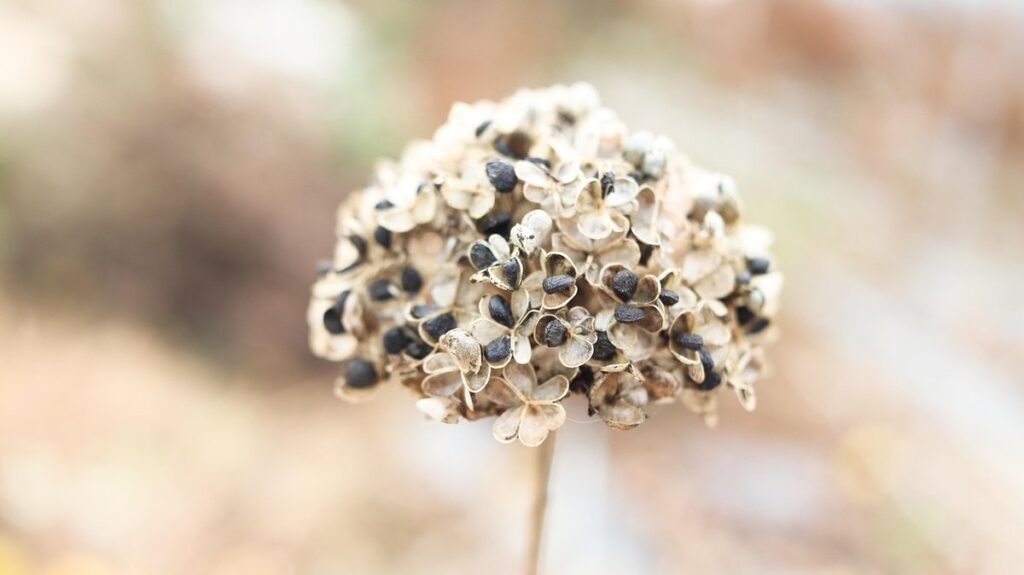
When it comes to growing onions from seed, understanding the characteristics and requirements of onion seeds is crucial for success. Onion seeds are relatively small, measuring about 2-3 millimeters in length, which makes them delicate and prone to damage. As a result, they require careful handling and storage conditions.
Onion seeds come in various colors, including brown, yellow, red, and white, depending on the specific variety. While color may not be an essential factor in seed selection, it can give you an idea of what to expect from your mature onions.
Proper storage is vital for onion seeds. They should be stored in a cool, dry place with low humidity, ideally at temperatures between 40-50°F (4-10°C). Exposure to heat or moisture can cause the seeds to deteriorate quickly, reducing their germination rate and overall viability. If you plan to store your onion seeds for an extended period, it’s essential to use airtight containers or seed storage packets to maintain optimal conditions. By paying attention to these characteristics and requirements, you’ll be better equipped to handle and care for your onion seeds, setting yourself up for success in the growing process.
Overview of Popular Onion Varieties Suitable for Seed Growth
When it comes to growing onions from seed, you’ll want to choose varieties that thrive under these conditions. Some popular onion varieties suitable for seed growth include ‘Redwing’, ‘Stuttgarter’, and ‘Ebenezer’. These varieties are known for their high germination rates and are often used by commercial growers.
‘Vernon’ and ‘Copra’ are also good options, offering a balance between flavor and disease resistance. When selecting onion seeds, look for varieties with a higher percentage of viable seed. This can range from 80-95% viability, depending on the specific variety.
It’s worth noting that some onion varieties, like ‘Redwing’, have a shorter maturation period than others, while varieties like ‘Stuttgarter’ take longer to mature. Be sure to check the specific days-to-maturity for each variety you choose to ensure they’ll be ready at the same time. By choosing the right variety, you can set yourself up for success when growing onions from seed.
Preparing the Soil and Climate for Onion Seeds
To ensure healthy onion seedlings, you’ll need to prepare your soil by loosening it to a depth of at least 12 inches. This will give roots room to grow and establish a strong foundation.
Creating a Favourable Climate
Creating a favourable climate for onion seeds is crucial to ensure they germinate and grow well. Onions require a cool and moist climate during their growth phase, which typically starts from spring to early summer. For optimal results, choose a location that receives partial shade to full sun, but not direct sunlight that can cause scorching.
In terms of temperature, onion seeds thrive in temperatures between 65°F (18°C) and 75°F (24°C). Avoid planting them in areas with intense heat or extreme cold as this can lead to poor germination rates. Aim for a location with gentle morning sun and afternoon shade to prevent overheating.
Adequate moisture is also essential, but be cautious not to overwater the seeds. Onions require about 1-2 inches of rainfall per week or supplemental irrigation if needed. Water them gently but thoroughly once a week to encourage deep root growth.
Preparing the Soil for Seed Germination
Before sowing onion seeds, it’s essential to prepare the soil for optimal germination. One of the first steps is to test the pH levels of your soil. Onions prefer a slightly acidic to neutral soil pH, ranging from 6.0 to 7.0. If your soil test reveals a higher or lower pH level, you may need to adjust it accordingly.
To do this, you can add lime to raise the pH or sulfur to lower it. However, be cautious not to overdo it, as drastic changes can be detrimental to the onions’ growth. For example, if you’re trying to lower your soil’s pH from 8.0 to 6.5, adding too much sulfur can result in an acidic environment that’s inhospitable to onion roots.
Another critical step is removing debris and weeds from the area. Clear any obstructions, rocks, or old plant matter that could interfere with seed germination or root development. This will also help prevent pests like aphids and slugs from finding shelter among the debris.
Tips for Growing Onions in Containers or Indoor Spaces
When it comes to growing onions from seed in non-traditional settings like containers or indoor spaces, you’ll want to focus on providing a suitable environment that mimics the conditions found outdoors. First and foremost, choose a container with good drainage holes to prevent waterlogged soil. Use a high-quality potting mix specifically designed for bulbs, as it will retain moisture but also drain excess water.
Onions require full sun to partial shade, so if growing indoors, place them near a sunny window or use grow lights to provide the necessary light. Temperatures between 60-70°F (15-21°C) are ideal for onion growth. If your indoor space is prone to temperature fluctuations, consider using a thermostat to regulate the temperature.
Keep in mind that onions grown in containers will be smaller than those grown outdoors due to the limited root system. To maximize yields, use seed starting mix and transplant the seedlings into larger containers once they have 2-3 sets of leaves. Water carefully, as overwatering is common when growing in containers.
Sowing Onion Seeds: Techniques and Timing
When it comes to sowing onion seeds, timing is crucial, so let’s dive into the techniques and best practices for getting your onions off to a great start. This section covers the essentials you need to know.
Understanding the Importance of Timing
When it comes to sowing onion seeds, timing is everything. Not only does it determine when you’ll be harvesting your onions, but it also plays a significant role in their overall health and flavor. In most regions, the optimal time for sowing onion seeds is in late winter or early spring, about 4-6 weeks before the last frost.
The exact timing will depend on your specific climate and region. For example, if you live in an area with mild winters, you may be able to sow onion seeds as early as February or March. On the other hand, if you live in a colder climate, it’s best to wait until late winter or early spring when the soil can be worked.
Getting the timing right is crucial for successful onion growth. If sown too early, seeds may rot in cold and wet conditions, while sowing too late can result in weak and leggy plants. By understanding your local climate and adjusting the sowing time accordingly, you’ll be able to give your onions the best possible start in life.
In addition to climate considerations, timing also affects the type of onion you’ll grow. For example, short-day onions do better in warmer climates with mild winters, while long-day onions prefer cooler temperatures and shorter days. By choosing the right variety for your region and sowing at the optimal time, you can enjoy a bountiful harvest of delicious homegrown onions.
Preparing the Seedbed for Sowing
Preparing the seedbed for sowing onion seeds is an essential step that requires careful consideration to ensure optimal growth. To begin with, select a location that receives full sun and has well-draining soil. Onion seeds prefer a slightly acidic to neutral soil pH, ranging from 6.0 to 7.0.
Before sowing, prepare the seedbed by loosening the top 8-10 inches of soil using a garden fork or spade. Remove any debris, rocks, or weeds that may interfere with seed germination and growth. Rake the soil gently to create a smooth, even surface. If your soil is heavy clay or sandy, mix in some organic matter like compost or well-rotted manure to improve its structure and fertility.
Check the temperature of your seedbed by inserting a thermometer into the soil. Onion seeds typically germinate between 55°F (13°C) and 65°F (18°C). If necessary, adjust the temperature by providing shade or using row covers to maintain optimal conditions for sowing. By following these steps, you’ll create an ideal environment for your onion seeds to take root and grow into healthy plants.
Sowing Techniques: Direct Seeding vs. Transplanting
When it comes to growing onions from seed, you have two main sowing techniques to choose from: direct seeding and transplanting. Both methods have their advantages and disadvantages, which we’ll explore below.
Direct Seeding:
This method involves sowing onion seeds directly into the ground where they will mature. It’s a simple process that requires minimal equipment and effort. To direct seed onions, start by preparing the soil with a balanced fertilizer. Sow seeds 1/4 inch deep and 1-2 inches apart in rows that are about 12-18 inches apart. Keep the soil consistently moist during the germination period, which typically takes 7-10 days.
Transplanting:
Alternatively, you can start onion seeds indoors in seed trays or pots before transplanting them into larger containers or directly into the garden. This method allows for better control over temperature and humidity conditions, promoting healthy growth from an early stage. Transplant seedlings when they have at least two sets of leaves, spacing them 6-8 inches apart to allow for proper air circulation.
In general, direct seeding is ideal for experienced growers who can provide optimal conditions for the onions’ germination and development. On the other hand, transplanting is a better option for those new to growing onions or in areas with challenging weather conditions.
Post-Sowing Care and Management
Once you’ve sown your onion seeds, proper care and management are crucial for a successful harvest. In this next step, we’ll cover everything you need to know about post-sowing care.
Irrigation and Watering Strategies
Water is essential for onion seed germination and growth. Overwatering can be detrimental, leading to fungal diseases and root rot. To avoid this, water the soil gently but thoroughly after sowing. Keep the soil consistently moist during the first week or two after planting.
After that initial period, allow the top inch of soil to dry out between waterings. Stick your finger into the soil up to the first knuckle to check for moisture. If it feels dry, it’s time to water. Onions grown in containers require more frequent watering than those planted in the ground due to their limited root zone.
Monitor weather forecasts and adjust your watering schedule accordingly. If it’s been raining heavily, hold off on watering for a few days to avoid overwatering. As the onions mature, reduce watering gradually, allowing the soil to dry out slightly between waterings. This will help prevent rot and promote healthy bulb development.
Weed Control and Mulching
Controlling weeds is crucial to ensure onion seedlings receive the necessary resources for healthy growth. One effective method is mulching around the plants. Organic mulch such as straw, wood chips, or grass clippings can suppress weed growth by blocking light and preventing seeds from germinating.
When applying mulch, keep it 2-3 inches away from the onion base to prevent moisture buildup and potential rot. Regularly inspect your mulched bed for any weeds that may have germinated through gaps in the mulch. Hand-pull or hoe these weeds promptly before they compete with your onion seedlings.
Mulching also helps retain soil moisture, reducing the need for frequent watering. Aim to apply a 2-inch layer of mulch around each plant, replenishing it as needed throughout the growing season. Keep in mind that some weed types may require more aggressive control methods, such as hand-weeding or using targeted herbicides.
Remember to maintain a clean growing area by removing any debris or weeds that can harbor pests and diseases. By controlling weeds effectively, you’ll be able to promote healthy onion growth and maximize your harvest.
Monitoring and Managing Pests and Diseases
As you nurture your onion seedlings, it’s essential to keep an eye out for common pests and diseases that can affect their growth. Pests like aphids, spider mites, and thrips can feed on the sap of young onions, causing damage and stunted growth. To prevent infestations, maintain a clean growing environment by removing weeds and debris around your plants.
Regularly inspect your onion seedlings for signs of pests, such as curled or distorted leaves, white powdery patches (spider mites), or tiny black dots on the undersides of leaves (aphids). For minor infestations, use neem oil or insecticidal soap to control pest populations. More severe issues may require integrated pest management techniques.
Diseases like downy mildew and rust can also impact onion growth. Prevent these by providing adequate air circulation around your plants, watering carefully to avoid over-saturating the soil, and maintaining good hygiene practices when handling the seedlings. Be on the lookout for yellowing leaves or a white powdery coating on leaves, which are common symptoms of fungal diseases.
By monitoring your onion seedlings regularly and taking swift action against pests and diseases, you can ensure healthy growth and avoid significant losses.
Harvesting and Storing Onion Bulbs
Once your onion plants have matured, it’s time to carefully dig up the bulbs, taking care not to damage them during harvest. Proper storage will keep them fresh for months to come.
Identifying the Optimal Harvest Time
When harvesting onions grown from seed, timing is crucial to ensure you reap the best results. To determine if your onion bulbs are ready for harvest, consider three key factors: size, color, and texture.
Start by checking the bulb’s size. Most onion varieties will be mature when the bulb has reached a diameter of about 2-3 inches (5-7.5 cm). This is usually around 100 to 120 days after sowing seeds. To measure the bulb’s size accurately, gently dig around it with a fork, taking care not to damage any nearby plants.
Next, inspect the color and texture of the onion skin. When mature, onions typically develop a papery, brown skin that’s dry and loose. Check for any signs of green or moisture around the neck of the bulb, as this can indicate immaturity. Finally, gently lift an onion from the soil to examine its texture. A fully formed bulb will be firm and not easily damaged when handled.
Keep in mind that over-mature onions may start to sprout or dry out quickly after harvest, so it’s essential to pick them at just the right moment.
Techniques for Harvesting Onion Bulbs by Hand or Machine
Harvesting onion bulbs by hand or machine requires careful attention to detail and the right techniques to avoid damaging the crop. When using manual methods, it’s essential to wait until the tops of the onions begin to yellow and fall over, indicating that the bulb is mature and ready for harvest.
To harvest by hand, gently dig around the onion with a fork, being careful not to damage the surrounding soil or nearby plants. Carefully lift the onion out of the ground, taking care not to break the neck of the bulb. For machine harvesting, use a specialized onion harvester that can remove the bulbs from the soil without damaging them.
Before using either method, inspect your onions for any signs of rot or disease. Discard any affected bulbs and wash the remaining ones in cold water to prevent further contamination. To extend the shelf life of harvested onions, store them in a cool, dry place with good ventilation, such as a mesh bag or paper sack.
Proper Storage and Handling After Harvest
After harvesting your onion bulbs, proper storage and handling are crucial to maintain their quality and shelf life. To ensure that your onions stay fresh for as long as possible, you should start by drying them thoroughly, either by leaving them out in the sun or using a fan to speed up the process.
Next, trim the tops of the onions, leaving about 1 inch of stem intact. This will help prevent moisture from entering the bulb and causing it to rot. Remove any damaged or diseased bulbs as they can spoil the rest of the crop.
Store your onions in a cool, dry place with good air circulation. A basement or root cellar is ideal, but if you don’t have one, a garage or shed will work too. The temperature should be around 40-50°F (4-10°C), and the relative humidity should be below 60%. You can also store onions in mesh bags or paper bags to keep them dry.
By following these steps, you’ll be able to enjoy your homegrown onions for months to come.
Frequently Asked Questions
Can I grow onions from seed if I live in a cold climate?
Yes, you can still grow onions from seed even in colder climates. While some onion varieties are more suitable for warm weather, there are many that can tolerate cooler temperatures and can be started indoors 8-10 weeks before the last frost date in your area.
How often should I water my onion seeds after sowing?
Onion seeds need consistent moisture to germinate well. Water them gently but thoroughly once a week, or whenever the top inch of soil feels dry to the touch. Reduce watering frequency as they grow and mature, but avoid allowing the soil to become too dry.
What is the ideal temperature for growing onions from seed indoors?
Onion seeds typically require a minimum temperature of 65°F (18°C) to germinate well. If you’re starting them indoors, aim for a consistent temperature between 65-75°F (18-24°C), as this will promote healthy growth and reduce the risk of disease.
Can I grow onions in containers if I have limited outdoor space?
Yes, onions can be grown successfully in containers, even with minimal outdoor space. Choose a container that’s at least 6 inches deep to provide enough room for root growth, and use a well-draining potting mix to prevent waterlogged soil.
How long does it typically take for onion seeds to germinate and mature?
Onion seed germination usually takes around 7-10 days, while the entire growing cycle can take anywhere from 120 to 180 days, depending on the variety and weather conditions. Keep in mind that some varieties may have a shorter or longer growth period than others.