
Growing your own onions from seed can be a rewarding experience, but it requires some know-how. With so many varieties to choose from, selecting the right type for your climate and needs is crucial. Whether you’re looking to harvest spring or summer onions, knowing how to prepare the soil, sow the seeds at the right depth, and care for them until maturity is essential for a bountiful crop. In this comprehensive guide, we’ll take you through every step of growing onions from seed, covering variety selection, soil preparation, sowing, and harvesting tips. By following our expert advice, you’ll be able to grow healthy, flavorful onions in your own backyard, perfect for adding depth to your favorite recipes. Let’s get started on the journey to a successful onion crop!
Choosing the Right Variety
With so many onion varieties to choose from, it’s essential to select one that suits your climate and desired flavor profile. This decision will greatly impact the success of your crop.
Understanding Onion Types
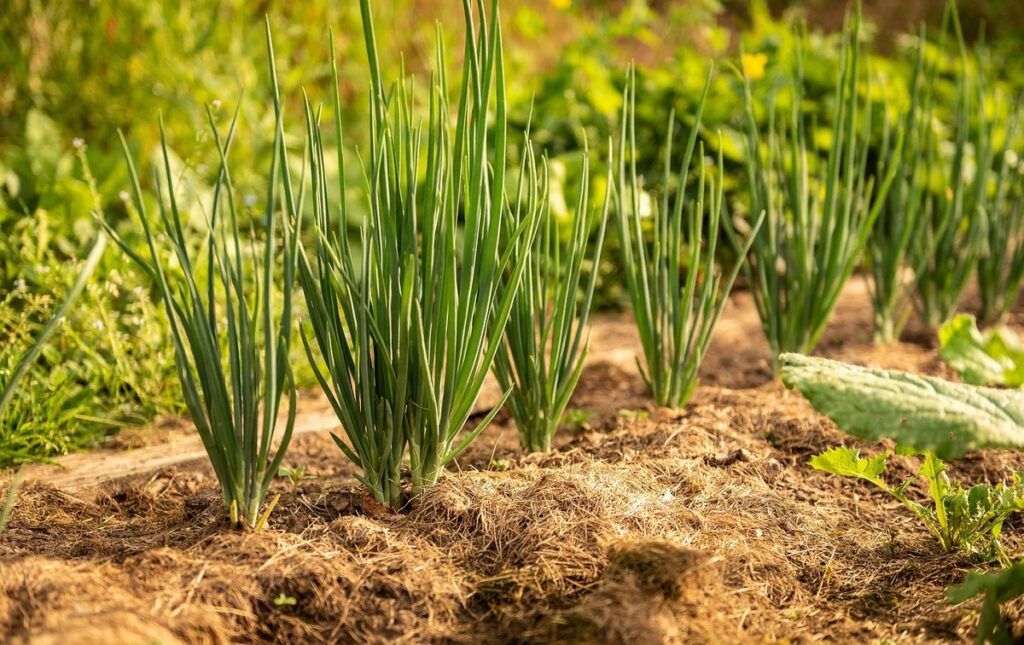
Onion varieties can be broadly classified into three main categories: bulb onions, scallions, and shallots. Bulb onions are perhaps the most commonly grown type and are characterized by their large, underground bulbs that can be stored for months. They come in a range of colors, including yellow, red, white, and even purple. On the other hand, scallions, also known as green onions or spring onions, have thin necks and broad leaves that are harvested before they reach maturity. They add a mild onion flavor to dishes without the pungency of mature bulbs.
Shallots are another type of onion that is closely related to garlic and are often used in French cuisine. They have a unique flavor profile and texture compared to bulb onions, with a sweet and nutty taste. Shallots can be harvested as either individual bulbs or as a bunch, and their tops can be used as a scallion substitute.
When choosing an onion variety for your garden, consider the climate, soil type, and intended use of the onions.
Factors to Consider When Selecting a Variety
When selecting an onion variety, it’s essential to consider three critical factors: climate, flavor profile, and intended use. If you live in a region with extreme temperatures, choose varieties that are resistant to heat or cold stress. ‘Texas Grano’ is a popular choice for warmer climates, while ‘Vancouver’ is more suitable for cooler regions.
Next, think about the flavor profile you prefer. Do you like sweet onions, like ‘Maude’s Hybrids’, which are perfect for caramelizing? Or perhaps you prefer pungent onions, such as ‘Ebenezer’, ideal for adding depth to savory dishes. Consider your cooking style and recipes when selecting a variety.
Finally, consider the intended use of your onions. Are they for fresh consumption, storage, or cooking? Some varieties, like ‘Yellow Granex’, store well for months, while others, like ‘Redwing’, are better suited for immediate use. Research different varieties and their characteristics to ensure you choose one that suits your needs. By considering these factors, you’ll be able to select the perfect onion variety for your specific growing conditions and preferences.
Preparing the Soil
Before you begin sowing your onion seeds, it’s essential to prepare the soil properly by loosening and aerating the top 8-10 inches of your garden bed. This simple step will give your onions a strong foundation for growth.
Testing Your Soil pH and Nutrient Levels
Before planting onion seeds, it’s essential to test your soil pH and nutrient levels. Onions are sensitive to extreme soil conditions, which can affect their growth and flavor. If the soil is too acidic or alkaline, onions may not grow properly, leading to reduced yields and lower quality bulbs.
To test your soil pH, you can purchase a DIY testing kit from a gardening store or send a sample to a lab for analysis. A pH meter will give you an accurate reading of your soil’s acidity level. Most onion varieties prefer a slightly acidic to neutral soil pH between 6.0 and 7.0.
You should also test your soil nutrient levels, particularly nitrogen, phosphorus, and potassium (NPK). Onions require a balanced diet of these nutrients for optimal growth. A basic NPK test will reveal if your soil is deficient in any of these essential nutrients. Based on the results, you can amend your soil with organic fertilizers or adjustments to create an ideal growing environment for your onions.
Amending the Soil for Optimal Growth
Onions require a balanced nutrient profile to grow well, and common deficiencies can hinder their development. One of the primary concerns is a lack of sulfur, which affects flavor, texture, and overall quality. To address this, you can add organic matter like compost or well-rotted manure to the soil, as these rich in sulfur. A 2-inch layer of compost applied before sowing seeds can work wonders.
Additionally, onions require a good amount of potassium for healthy growth. You can supplement your soil with potassium-rich fertilizers such as fish emulsion or alfalfa meal. These products not only provide essential nutrients but also improve soil structure and fertility.
When choosing an organic amendment, consider the pH level of your soil. Onions prefer slightly acidic to neutral conditions (pH 6.0-7.0), so if you have alkaline soil, you may need to add elemental sulfur or peat moss to adjust the pH.
Remember that it’s essential to balance nutrient additions with regular testing and adjusting your soil analysis as needed. This will ensure optimal growth and prevent over-supplementation that can lead to nutrient imbalances.
Sowing Onion Seeds
When sowing onion seeds, it’s essential to understand the optimal temperature and moisture levels for germination. Learn how to prepare the soil and sow your onion seeds successfully in this crucial step.
Seed Selection and Storage
When storing onion seeds, it’s essential to maintain optimal conditions to preserve their viability and ensure successful germination. First and foremost, keep the seeds in an airtight container to prevent moisture from seeping in. Excess moisture can cause mold or mildew to develop on the seeds, rendering them unusable.
For long-term storage, a temperature range between 35°F (2°C) and 45°F (7°C) is ideal. This temperature range slows down seed germination, allowing you to store the seeds for up to two years without significant loss of viability. It’s also crucial to avoid storing onion seeds near direct sunlight, as this can lead to overheating.
To further ensure optimal storage conditions, place the container in a cool, dry location with minimal humidity. Avoid storing the seeds in areas prone to temperature fluctuations or exposure to air currents. When not in use, store the seeds in their original packaging or transfer them to an airtight envelope to maintain freshness and extend shelf life. Regularly inspect the seeds for signs of damage or moisture penetration to prevent contamination and promote successful sowing.
Planting Depth and Spacing
When sowing onion seeds, it’s essential to get the planting depth and spacing just right. This will help prevent overcrowding and ensure proper growth. A good rule of thumb is to sow onion seeds about ¼ inch deep. If you’re using a seed starting mix, make sure it’s moist but not waterlogged.
To achieve optimal spacing, start by sowing 2-3 seeds in each cell or container. This may seem excessive, but it allows for a higher germination rate and helps ensure that at least one of the seedlings will survive to maturity. Once the seedlings have emerged, you can thin them out to the strongest one or two plants per cell.
Make sure to plant the seeds at a depth where the soil line is just above the top of the seed. This allows for even growth and prevents the seed from rotting. By getting the planting depth and spacing right, you’ll be well on your way to growing healthy, robust onion seedlings that will produce delicious bulbs.
Caring for Onions from Germination to Harvest
Once you’ve successfully germinated your onion seeds, it’s time to focus on their care as they grow into mature bulbs. Proper attention will ensure a healthy harvest in just a few months.
Watering and Mulching Strategies
When growing onions from seed, consistent moisture and mulch application are crucial for promoting healthy onion growth. Watering is a delicate balance between keeping the soil consistently moist and avoiding overwatering, which can lead to rot and other issues.
To maintain optimal moisture levels, it’s essential to water your onion seedlings when the top inch of soil feels dry to the touch. You can also check the moisture by gently inserting your finger into the soil up to the knuckle – if the soil feels dry, it’s time for a drink. Water at the base of the plants to avoid getting any on the leaves.
Mulching is another vital aspect of onion care. Organic mulches like straw, bark chips, or grass clippings help retain moisture, suppress weeds, and regulate soil temperature. Apply a 2-3 inch layer of mulch around your onion seedlings, keeping it a few inches away from the base of the plants to prevent moisture buildup.
Regularly inspecting your mulch layer will also allow you to catch any potential issues early on. Keep in mind that onions require about an inch of water per week during their growth period – so make sure you’re watering and mulching accordingly to meet this demand.
Common Pests and Diseases and How to Manage Them
Onions are susceptible to various pests and diseases that can significantly impact their growth and quality. One of the most common pests is aphids, which can be managed by introducing natural predators such as ladybugs or lacewings into the garden. Another pest to watch out for is onion maggots, which can be prevented by using row covers or crop rotation.
Diseases like downy mildew and pink rot can also affect onions. Downy mildew is caused by a fungal infection that thrives in moist environments, while pink rot is often linked to poor air circulation and high humidity. To manage these diseases, maintain good sanitation practices by removing infected plants and disposing of debris.
Monitoring your onion crop regularly will help you detect any issues early on. Inspect the leaves and bulbs for signs of pests or disease, and take action promptly if you notice anything unusual. Regular watering and fertilization can also help prevent pest and disease problems by promoting healthy plant growth.
Harvesting Onions
Once you’ve successfully grown your onions from seed, it’s time to bring them home and reap the rewards of your hard work by harvesting a fresh crop. We’ll walk you through the process step by step.
Timing the Harvest for Maximum Flavor
When you’re growing onions from seed, determining when they’re ready for harvest is crucial to bringing out their maximum flavor. To do this, you’ll need to monitor the size of the bulbs, as well as their color and flavor profile.
Start by checking the onion’s size regularly, typically around 3-4 months after planting. You can gently dig around the base of the plant with your fingers or a fork to assess the bulb’s development. A mature onion will have formed a solid, firm bulb that’s at least an inch in diameter.
Next, inspect the color of the onions, which should range from a deep yellow to a rich golden brown, depending on the variety. Avoid pulling back the leaves too early, as this can cause damage and reduce the overall yield.
In terms of flavor profile, fully mature onions will have developed their characteristic sweetness and pungency. Taste one to confirm its readiness – if it’s still starchy or lacking in flavor, let it grow for another week or two before checking again.
Tips for Handling and Storage After Harvest
When you’ve finally harvested your onions, it’s essential to handle them properly to prevent damage and maintain their freshness for as long as possible. Start by gently digging around the onions with a fork to loosen the soil without damaging the bulbs. Next, carefully lift each onion out of the ground, making sure not to touch the neck where the leaves meet the bulb, as this can cause bruising.
To prevent moisture from accumulating between the leaves and the bulb, trim the tops off at an angle, leaving about 1 inch of stem attached to the onion. This will also help prevent rotting. Then, place the harvested onions in a dry, well-ventilated area with indirect sunlight for a few days to dry out any excess moisture.
For long-term storage, you can store them in a cool, dark place with good air circulation. Hang the onions upside down from a hook or place them in a mesh bag, making sure they don’t touch each other. You can also store them in a sealed container or plastic bag with some ventilation to maintain humidity levels.
By following these simple steps, you’ll be able to enjoy your homegrown onions for months to come.
Troubleshooting Common Issues
Don’t worry if things don’t go according to plan – we’ve got you covered with some common onion seed germination and growth issues, along with their solutions. Let’s troubleshoot together!
Dealing with Poor Germination or Growth Rates
If you’re experiencing poor germination or growth rates with your onion seeds, don’t worry – it’s more common than you think. One of the most critical factors affecting seed germination is soil quality. Ensure your soil has a pH between 6.0 and 7.0, as onions prefer slightly acidic to neutral conditions.
Inadequate watering can also lead to poor growth rates or stunted onions. Onions need consistent moisture, especially during their early stages of development. Make sure to water them when the top inch of soil feels dry to the touch. Avoid overwatering, which can cause roots to rot and hinder seed germination.
Another common issue is temperature fluctuations. Onions typically require a period of cold stratification (around 4-6 weeks) before they begin to grow. If your area experiences sudden or extreme temperature changes, it may affect their growth patterns.
To overcome these issues, consider the following tips:
* Start with high-quality seeds from reputable suppliers
* Use seed starting mix specifically designed for onion germination
* Provide adequate sunlight (at least 4-6 hours of direct sunlight) and maintain a consistent temperature between 65°F to 75°F (18°C to 24°C)
* Monitor your soil moisture levels regularly, making adjustments as necessary
Managing Onions in Extreme Weather Conditions
Onions are notoriously sensitive to extreme weather conditions, which can significantly impact their growth and yield. If you’re experiencing drought, heatwaves, or frost, it’s essential to take proactive measures to protect your onion plants.
During a drought, onions require consistent moisture levels to produce bulbs. To mitigate this issue, ensure that the soil is consistently moist but not waterlogged. You can achieve this by providing an extra 1-2 inches of mulch around the base of the plant or installing drip irrigation systems. This will help retain moisture and regulate soil temperature.
In areas prone to heatwaves, onions often experience top growth before bulb formation, leading to weak bulbs. To prevent this, provide shade for your onion plants using row covers or individual shading devices during peak sun hours. You can also delay planting by a few weeks to give the weather a chance to stabilize.
Frost can cause significant damage to onion plants, particularly when they’re close to harvest. Avoid planting onions in areas where temperatures regularly drop below 20°F (-7°C) and protect your plants using frost blankets or row covers if necessary. Regularly inspect your onion plants for signs of damage and take action immediately if you notice any issues.
Frequently Asked Questions
What’s the optimal temperature for sowing onion seeds, and how does it affect germination rates?
The ideal temperature for sowing onion seeds is between 70°F to 85°F (21°C to 30°C). Sowing at this temperature range will ensure high germination rates. However, if you’re starting onions indoors, maintain the soil temperature around 75°F (24°C) during the day and slightly cooler at night to promote healthy growth.
How can I prevent pests like aphids and spider mites from infesting my onion crop?
To prevent pest issues, implement good garden hygiene practices. Remove weeds regularly, and keep your onions well-watered but not waterlogged. Regularly inspect your plants for signs of pests, and use organic methods to control infestations, such as introducing beneficial insects or using neem oil sprays.
Can I grow onions from seed in containers, and if so, what are the key considerations?
Yes, you can grow onions from seed in containers. Use a container at least 6-8 inches deep to accommodate the onion’s root system. Ensure good drainage and use a well-draining potting mix. Onions require full sun, so choose a location that receives direct sunlight for most of the day.
How do I store onion seeds over winter to ensure they remain viable for next year’s crop?
To store onion seeds, place them in an airtight container or envelope and put it in the refrigerator at a consistent 40°F (4°C) temperature. Check the seeds periodically for any signs of moisture, which can cause them to degrade quickly.
Can I grow different types of onions together in the same bed, such as scallions and bulb onions?
While you can plant different onion varieties near each other, it’s not recommended to mix them directly in the same bed. Scallions can spread quickly and may outcompete bulb onions for resources like light and water. If growing multiple types of onions, separate them with at least 6-8 inches of space between each type to avoid competition.