
You might be surprised to learn that the humble onion is more than just a flavorful ingredient in your favorite recipes. Beyond its pungent taste, the onion flower holds secrets and surprises waiting to be uncovered. Not only are these blooms edible and packed with nutrients, but they also hold medicinal properties and have been used for centuries in traditional remedies. If you’re intrigued by the potential of onion flowers or want to learn how to grow your own, this article is for you. We’ll delve into the uses and benefits of onion flowers in cooking, medicine, and more, providing tips on how to cultivate these versatile blooms and care for them properly. Whether you’re a seasoned gardener or a curious cook, get ready to discover the hidden charms of onion flowers.
What is an Onion Flower?
So, you’re curious about the mysterious onion flower that blooms on your kitchen crop? Let’s start by understanding what it is and why it grows.
Definition and Identification
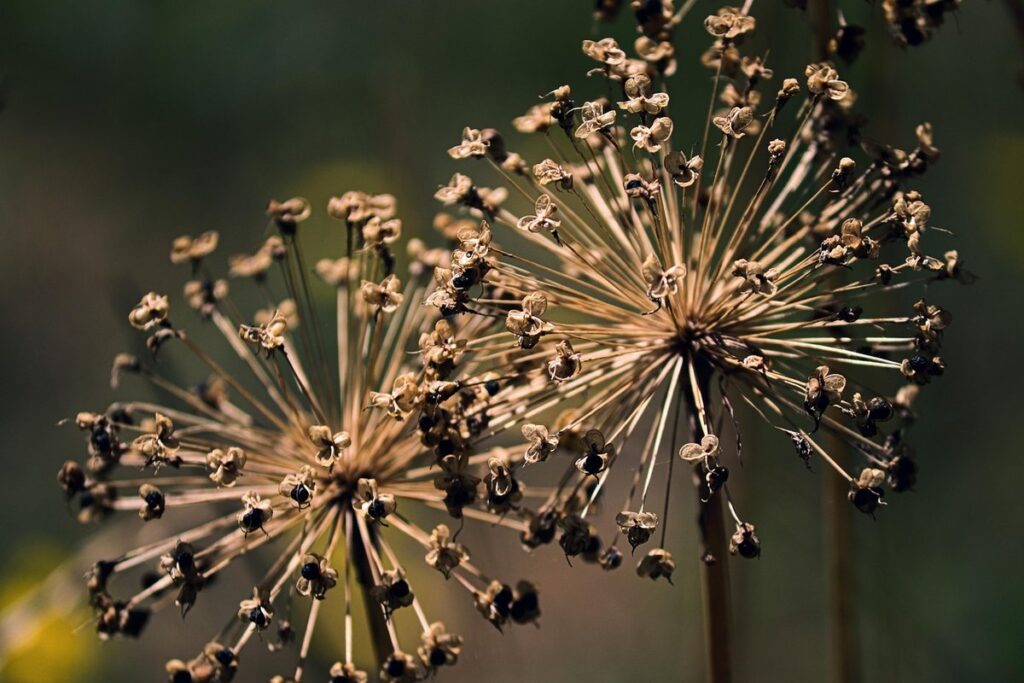
An onion flower is the reproductive structure of the onion plant (Allium cepa), consisting of tiny white or yellowish florets that grow on a tall stem, often reaching up to 2 feet high. From a botanical standpoint, an onion flower belongs to the Amaryllidaceae family and is closely related to garlic, leeks, and chives.
One key aspect that distinguishes onion flowers from other types of blooms is their unique shape and structure. Each floret is made up of six tepals (petal-like structures) and contains a reproductive part called a stamen, which produces pollen. Onion flowers are also characterized by their strong scent and flavor, which can be released into the air as they mature.
To identify an onion flower, look for its distinctive shape and size, often clustering at the top of the plant’s stem. Note that not all onions produce flowers – it depends on factors such as climate, soil quality, and nutrient availability. In general, onion flowers are a natural sign that your onion crop is near maturity or has completed its life cycle.
Importance in Cooking and Medicine
Onion flowers are not only visually appealing but also add immense value to our lives, particularly when it comes to cooking and medicine. In the culinary world, onion flowers are a sought-after ingredient due to their delicate flavor and crunchy texture. They’re often used as a garnish or added to salads, sandwiches, and various dishes for a burst of freshness.
In Asian cuisine, onion flowers are a staple in many recipes, particularly in Chinese and Japanese cooking. They’re commonly used in stir-fries, soups, and sauces. In fact, the flower is considered a delicacy in some parts of Asia and can cost up to 10 times more than regular onions!
Beyond their culinary uses, onion flowers have also been found to possess potential medicinal benefits. Research suggests that they contain various antioxidants and anti-inflammatory compounds that may help alleviate symptoms associated with arthritis, asthma, and other chronic conditions.
When using onion flowers in cooking, be sure to harvest them at the right time – when the buds are still closed but starting to open. This ensures maximum flavor and texture. Simply rinse and chop the flower buds before adding them to your dish.
Meaning and Symbolism
Now that we’ve covered the basics of caring for onion flowers, let’s dive into their rich history and symbolism, exploring what they truly represent.
Cultural Significance
Onion flowers have been imbued with cultural significance across various societies and traditions. In many Eastern cultures, such as China and Japan, onion flowers symbolize good luck, prosperity, and a long life. This is partly due to their association with garlic, which has been used for centuries in traditional medicine to ward off evil spirits and bring good fortune.
In contrast, the Western world often views onion flowers with skepticism, associating them with bad luck and misfortune. This perception may stem from their pungent smell, which can be overwhelming in closed spaces. However, this negative connotation is largely a matter of personal preference.
Some cultures also attribute spiritual significance to onion flowers. For example, in ancient Greece, garlic was believed to have purifying properties, driving away evil spirits and protecting against disease. By extension, onion flowers may represent protection and purification. When working with onion flowers in your garden or home, consider their symbolic meanings and how they might be incorporated into your personal practices or rituals.
Spiritual Significance
Onion flowers have long been imbued with spiritual significance across various cultures. In many traditions, they’re associated with love and fertility, symbolizing the union of opposites and the cyclical nature of life. Their delicate white petals and slender green stems are said to represent the balance between masculine and feminine energies.
When it comes to their connection with good luck, onion flowers are often seen as a harbinger of prosperity and abundance. In some cultures, they’re believed to ward off evil spirits and bring positive energy into one’s life. To tap into this symbolism, you can try placing an onion flower in a spot where you feel stagnant or need a boost of motivation.
To infuse your space with the spiritual significance of onion flowers, consider the following tips: surround yourself with the blooms when manifesting your desires; use their petals as a gentle reminder to stay grounded and focused on your goals.
Growing and Caring for Onion Flowers
Now that you’ve coaxed your onion plant into blooming, it’s time to learn how to nurture its delicate flowers and enjoy their beauty for a longer period. With proper care, these flowers can thrive in various conditions.
Planting and Soil Requirements
When planting onion flowers, it’s essential to get the soil conditions just right. Onion flowers prefer well-draining, fertile soil that’s rich in organic matter. A pH level between 6.0 and 7.0 is ideal for these delicate bulbs. To create a suitable growing environment, mix in a 2-inch layer of compost or well-rotted manure into the top 6 inches of soil.
Onion flowers thrive in full sun to partial shade, with temperatures ranging from 60°F to 70°F (15°C to 21°C). Avoid planting in areas with standing water or where water tends to collect. In cooler climates, onion flowers can be direct-sown in early spring as soon as the soil is workable.
When transplanting, space onion flower bulbs 6-8 inches apart to allow for proper air circulation and prevent fungal diseases. Water them regularly, keeping the soil consistently moist but not waterlogged. Avoid over-fertilizing, as this can cause the onions to focus on foliage growth rather than bulb development.
Watering and Fertilization Needs
Watering and fertilization are crucial aspects of onion flower care. When it comes to watering, these plants prefer well-draining soil that is consistently moist but not waterlogged. Aim to provide about 1-2 inches of water per week, either from rainfall or irrigation. You can also mulch around the base to retain moisture and suppress weeds.
As for fertilization, onion flowers benefit from a balanced diet of nitrogen, phosphorus, and potassium (NPK). Use a fertilizer with an NPK ratio of 10-10-10 or similar, and apply it once a month during the growing season. You can also side-dress with a high-nitrogen fertilizer to promote leaf growth.
Some specific tips to keep in mind: avoid over-fertilizing, as this can lead to weak and leggy stems; and if you’re using compost, be sure to mix it thoroughly into the soil to prevent burning the roots. By following these guidelines, your onion flowers should thrive and produce beautiful blooms that will attract pollinators to your garden.
Common Pests and Diseases
Onion flower plants can be susceptible to various pests and diseases that can affect their growth and appearance. One of the most common pests is the aphid, which feeds on the plant’s sap and can cause curled or distorted leaves. To prevent infestations, use neem oil or insecticidal soap to repel these unwanted visitors.
Root maggots are another pest that can target onion flowers. These larvae burrow into the roots of the plant, causing damage and stunted growth. To treat root maggots, hand-pick affected plants and discard them immediately.
Fungal diseases like downy mildew and powdery mildew can also affect onion flower plants. These conditions are often caused by overwatering or poor air circulation. To prevent fungal diseases, ensure good air circulation around your plants and avoid watering during the hottest part of the day. Regularly inspect your plants for any signs of disease, such as yellowing leaves or white powdery patches.
In addition to preventing pests and diseases through proper care, also keep in mind that onion flowers can be a natural deterrent against other pests, attracting beneficial insects like ladybugs and lacewings that prey on aphids.
Uses of Onion Flowers
Now that you know how to care for and understand the symbolism of onion flowers, let’s explore their practical uses in cooking and beyond! From garnishes to soups, we’ll cover it all.
Culinary Uses
Onion flowers can be a versatile addition to various dishes, adding flavor and visual appeal. When used as a garnish, they can add a delicate onion flavor without overpowering the main ingredients. Simply chop off the flower head and use it as you would fresh herbs like parsley or chives.
In soups, onion flowers can add a depth of flavor that’s hard to replicate with other ingredients. Try adding them to a clear broth or a creamy soup for added richness. For example, a classic French onion soup often features caramelized onions as the main ingredient, but onion flowers can be used as a substitute in some recipes.
Onion flowers also make a great addition to salads, especially those featuring bold flavors like blue cheese or balsamic vinaigrette. Simply chop off the flower head and toss it with mixed greens, your favorite salad toppings, and a light vinaigrette for a delicious and healthy side dish.
Medicinal and Cosmetic Uses
Onion flowers have been used for centuries in traditional medicine to treat various health issues. For medicinal purposes, onion flowers can be used to reduce inflammation and alleviate symptoms associated with skin conditions such as acne, eczema, and dermatitis. The antibacterial and antifungal properties present in onion flowers make them an effective remedy against infections.
To utilize the medicinal properties of onion flowers, you can create a tea by steeping 1-2 tablespoons of dried onion flowers in boiling water for 5-7 minutes. Strain the mixture and use it as a face wash or apply it directly to affected skin areas to reduce redness and inflammation. You can also infuse onion flowers in oil to create a topical treatment for wounds and cuts.
Some studies have shown that onion flower extracts exhibit potent antioxidant properties, which may help protect against cell damage and promote overall health. However, more research is needed to fully understand the potential benefits of using onion flowers for medicinal purposes. If you’re considering using onion flowers as a remedy, consult with a healthcare professional before making any treatments.
Crafting and Decorative Uses
Onion flowers can add a delicate touch to various craft projects. They’re perfect for making potpourri blends, wreaths, and other floral arrangements. For instance, you can dry the onion flowers to preserve them and use them as a decoration in glass containers or vases.
To incorporate onion flowers into your decorative designs, consider combining them with other materials like dried herbs, lavender, or baby’s breath. This mix of textures and colors will create visually appealing pieces that can be used as centerpieces for tables or hung on walls as mobiles.
When crafting with onion flowers, it’s essential to preserve their delicate petals by air-drying or using a silica gel desiccant. You can also incorporate them into your floral arrangements by attaching them to the base of stems using wire or floral adhesive. This adds an extra layer of texture and interest to the arrangement.
Health Benefits and Risks
While onion flowers are beautiful additions to any garden, it’s essential to consider their potential impact on your health and well-being. Let’s examine both the benefits and risks associated with these lovely blooms.
Nutritional Value
Onion flowers are not only a beautiful addition to any garden but also offer numerous health benefits due to their rich nutritional content. These delicate blooms are packed with vitamins A and C, potassium, and manganese, making them an excellent ingredient for salads, soups, or as a garnish. Vitamin A, in particular, is essential for maintaining healthy vision, immune function, and skin health.
In addition to its vitamin content, onion flowers also boast high levels of antioxidants, which help protect the body from free radicals that can cause cell damage. Studies have shown that consuming foods rich in antioxidants can reduce inflammation and improve overall well-being. To reap these benefits, try adding fresh or dried onion flowers to your favorite recipes or use them as a natural food coloring.
When foraging for wild onion flowers, ensure you identify the correct species and only pick what is safe for consumption. Wash the flowers thoroughly before using them in cooking. By incorporating onion flowers into your diet, you can enjoy not only their unique flavor but also their impressive nutritional profile.
Allergic Reactions and Toxicity
While onion flowers are edible and packed with nutrients, it’s essential to acknowledge the potential risks associated with their consumption. Some individuals may experience allergic reactions to onion flowers, which can range from mild symptoms like hives and itching to severe reactions such as anaphylaxis.
According to a study published in the Journal of Food Science, some people may be more susceptible to allergic reactions due to the presence of allergenic proteins like sulfur-containing amino acids. If you’re considering consuming onion flowers, start with small amounts (about 1/4 cup) and monitor your body’s response for at least 24 hours.
To minimize the risk of an allergic reaction or toxicity, ensure that the onion flowers are harvested from organic, pesticide-free sources. Wash them thoroughly before use to remove any potential contaminants. Also, be aware of individual tolerance levels, as some people may experience gastrointestinal issues due to high sulfur content. By exercising caution and adopting safe consumption practices, you can enjoy the health benefits of onion flowers while minimizing potential risks.
History and Mythology
The onion flower has a rich history and mythology surrounding its meaning, with ancient civilizations using it for medicinal purposes and symbolic significance. Let’s dive into the fascinating stories behind this unique bloom.
Ancient Cultures and Traditions
In ancient cultures, onion flowers were not just a symbol of beauty, but also held significant spiritual and symbolic value. In many civilizations, onions and their flowers were considered sacred plants, imbued with healing properties and mystical powers. For instance, in ancient Egypt, onions were believed to possess magical powers that could ward off evil spirits and bring good fortune.
In ancient Greece and Rome, onion flowers were often used in rituals and ceremonies to promote fertility and prosperity. The Greeks, in particular, revered the onion flower as a symbol of eternal life and rebirth. During these ceremonies, the onion flowers would be placed at the altar or burned as incense to invoke the gods’ blessings.
Interestingly, some ancient cultures also believed that the onion flower possessed healing properties that could cure various ailments. In India, for example, onions are still used in Ayurvedic medicine today, and their flowers are believed to have antibacterial and antiviral properties. When growing your own onion plants, consider incorporating these ancient traditions into your care routine by planting an onion flower in a sacred or auspicious location to tap into its mystical energies.
Folklore and Legends
Onion flowers have been woven into the fabric of folklore and legend across various cultures. In ancient Greece, it was believed that onions possessed magical powers, and their flowers were said to bring good fortune to those who cultivated them. The Greeks associated onion flowers with Aphrodite, the goddess of love, and would often use them in wedding ceremonies to ensure a happy marriage.
In many Eastern European countries, onion flowers are considered a harbinger of prosperity and wealth. According to legend, if an onion flower blooms in your garden, it’s a sign that you’ll soon receive a surprise windfall or inheritance. To harness this good fortune, people would often place a small onion flower in their homes or businesses.
Interestingly, the mystical properties of onion flowers have also been used in traditional medicine. For example, in some African cultures, onion flower essence is believed to ward off evil spirits and protect against disease. While these claims may seem far-fetched, they highlight the deep cultural significance and reverence surrounding onion flowers.
By tapping into this rich folklore, you can tap into a deeper connection with nature and potentially unlock its secrets for yourself. Next, we’ll explore the practical uses of onion flowers in herbalism and cooking.
Frequently Asked Questions
Can I use onion flowers as a garnish for any type of dish?
Yes, you can use onion flowers as a garnish for salads, soups, and other dishes where a delicate onion flavor is desired. However, be sure to harvest them at the right stage of development, when the florets are fully opened but still tender.
How do I store harvested onion flowers to preserve their nutritional value?
To preserve the nutritional value of onion flowers, store them in an airtight container in the refrigerator and use within 3-5 days. You can also freeze them by blanching the florets in boiling water for 30 seconds, then freezing them in an ice cube tray.
Can I grow onion flowers indoors if I don’t have space outdoors?
Yes, you can grow onion flowers indoors using a pot or container with well-draining soil and sufficient light. Choose a variety that is compact or dwarf, such as ‘Beltsville Bunching’ or ‘Walla Walla’, which are better suited for indoor growing.
Are there any potential health risks associated with consuming onion flowers?
While onion flowers are generally safe to eat, they can cause allergic reactions in some individuals. If you experience symptoms like hives, itching, or difficulty breathing after consuming onion flowers, discontinue use and consult a healthcare professional.
Can I use onion flower oil as a natural remedy for various health issues?
Yes, onion flower oil has been traditionally used as a natural remedy for various health issues, including colds, coughs, and skin conditions. However, its effectiveness may vary depending on the individual and the specific condition being treated. Always consult with a healthcare professional before using any herbal remedy.