
Growing your own nightshades can be an incredibly rewarding experience, but it can also be intimidating if you’re new to gardening. If you’re looking to cultivate tomatoes, peppers, eggplants, and other delicious varieties in your garden, you’ve come to the right place. Nightshades are some of the most popular and versatile vegetables out there, offering a range of benefits from boosting flavor to packing nutrients. However, they can also present their own set of challenges – from pesky pests to finicky soil requirements. In this article, we’ll take a closer look at everything you need to know about growing nightshades, covering the different types, how to care for them, and some valuable tips to ensure success in your garden. Whether you’re a seasoned gardener or just starting out, this guide is packed with expert advice to help you grow a bounty of healthy and flavorful nightshades.
Understanding Nightshades
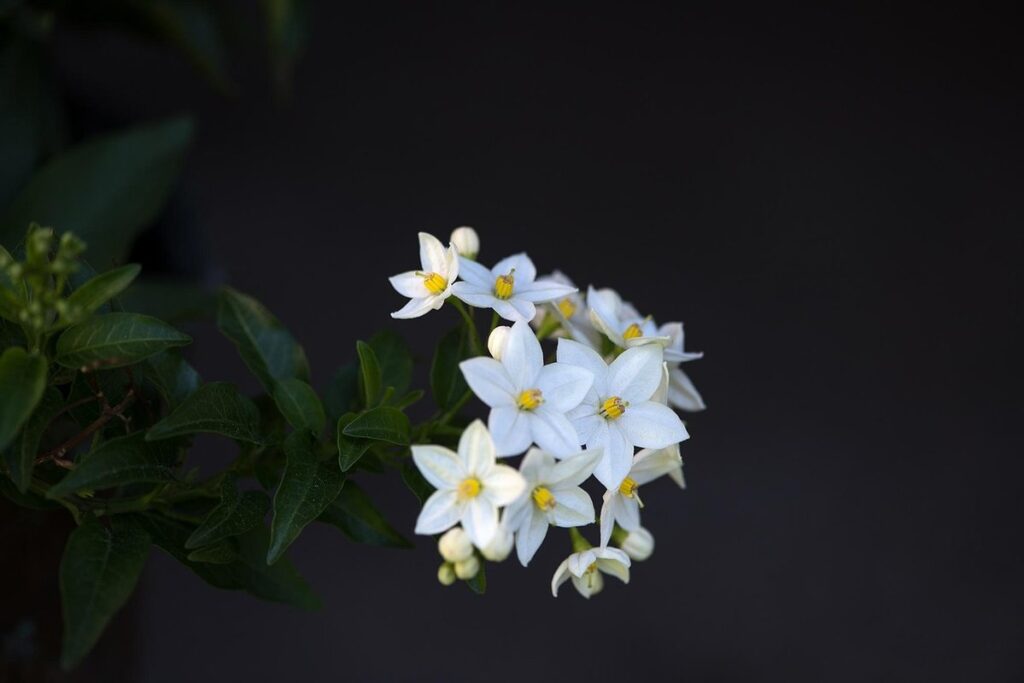
So, you’re probably curious about what makes nightshade plants unique. Let’s dive into understanding the characteristics that set these fascinating plants apart from others in your garden.
What are Nightshades?
When it comes to nightshades in gardening, it’s essential to understand what these plants are and where they originated. Nightshades belong to the Solanaceae family of flowering plants, which comprises over 2,000 species. These plants have been a staple in many cuisines for thousands of years, with evidence of their use dating back to ancient civilizations in South America.
But what makes a plant a nightshade? Simply put, it’s the presence of solanine, a naturally occurring glycoalkaloid compound found in the leaves, stems, and roots of these plants. Solanine serves as a defense mechanism against pests, diseases, and environmental stressors. As you tend to your garden, it’s crucial to recognize which plants are nightshades, such as tomatoes, peppers, eggplants, potatoes, and okra.
In terms of gardening, understanding the nightshade family can help you make informed decisions about plant selection, care, and rotation. For instance, if you’re growing multiple nightshade crops in your garden, be mindful of the potential for cross-pollination and disease transmission between plants. By recognizing the characteristics that define nightshades, you’ll be better equipped to manage their unique needs and thrive in your garden.
Types of Nightshades Commonly Grown
Tomatoes are one of the most popular nightshades grown in gardens. They come in a variety of shapes and sizes, from cherry tomatoes to large beefsteak tomatoes. Tomatoes prefer well-draining soil and full sun to produce a bountiful harvest. When it comes to flavors, tomatoes can range from sweet and juicy to tangy and acidic.
Peppers are another highly cultivated nightshade, including both sweet bell peppers and hot chili peppers. They thrive in warm weather and well-drained soil. Peppers add a burst of flavor to dishes and come in an array of colors, from green to red, yellow, orange, and even purple.
Eggplants, often used in Mediterranean cuisine, are a popular choice for gardeners. They require a long growing season and prefer full sun and warm weather. Eggplants can range from the classic globe-shaped variety to more elongated or oval varieties.
Okra is another lesser-known nightshade that grows easily in warmer climates. It’s prized for its slightly sweet flavor and tender pods. Okra prefers well-drained soil and partial shade, making it an excellent choice for gardens with full sun but hot summers.
Benefits of Growing Nightshades
Growing nightshades can bring numerous rewards, from luscious harvests to improved soil health and pest resistance. Let’s explore some of these benefits together!
Nutritional Value of Nightshades
When it comes to growing nightshades in your garden, one of the most significant benefits is their exceptional nutritional value. Nightshades are packed with antioxidants, vitamins, and minerals that can have a profound impact on our health when consumed regularly. For instance, tomatoes are an excellent source of vitamin C, potassium, and lycopene, an antioxidant that has been linked to reduced risk of certain cancers.
Bell peppers, another popular nightshade crop, are rich in vitamin B6, folate, and fiber. They also contain a powerful antioxidant called capsanthin, which has been shown to have anti-inflammatory properties. In addition to these individual nutrients, nightshades as a group are particularly high in polyphenols, which can help protect against oxidative stress and cell damage.
To get the most nutritional value out of your homegrown nightshades, be sure to eat them raw or lightly cooked to preserve their delicate nutrient profile. Consider adding cherry tomatoes to salads, slicing bell peppers for snacking, or making a homemade sauce with fresh tomatoes. By incorporating these nutritious foods into your diet, you can reap the rewards of growing nightshades in your own garden.
Ease of Cultivation
Growing nightshades is a breeze for even the most novice gardeners. One of the primary reasons nightshades are a favorite among gardeners is their adaptability to various climates and soil conditions. While they thrive best in warm weather, many varieties can tolerate cooler temperatures and some can even withstand light frosts.
In terms of soil requirements, nightshades prefer well-draining soil with a pH between 6.0 and 7.0. However, some species like eggplants are more tolerant of acidic soils while others like tomatoes can grow in slightly alkaline conditions. This flexibility allows gardeners to choose the best nightshade variety for their specific region’s soil type.
Many nightshades also possess built-in resistance to pests and diseases. For instance, tomato plants often develop a natural immunity to hornworms after being attacked by them once or twice. Similarly, some varieties of peppers are resistant to tobacco mosaic virus (TMV) making them a great choice for areas prone to this disease.
When selecting nightshade varieties, keep an eye out for those labeled as “disease-resistant” or “pest-tolerant.” These plants will give you a head start in maintaining a healthy and thriving garden.
Challenges of Growing Nightshades
Growing nightshades can be a thrilling experience, but it also comes with its own set of challenges that you’ll need to navigate as a gardener. From soil pH issues to pests and diseases, we’ll explore them all in this section.
Common Pests and Diseases
As you tend to your nightshade plants, it’s essential to be aware of common pests and diseases that can affect their growth. Among the most prevalent issues are aphids, whiteflies, and spider mites, which feed on plant sap and can cause curled or distorted leaves.
Tomato hornworms, in particular, can be devastating to tomato plants, causing significant damage through their voracious appetite for foliage. Prevention is key: ensure your plants receive adequate water and nutrients, as stressed plants are more susceptible to infestation.
Some of the most common diseases affecting nightshades include powdery mildew, fungal leaf spots, and septoria leaf spot. To manage these issues, practice good garden hygiene by removing any diseased plant material and providing air circulation around your plants.
You can also utilize natural deterrents like neem oil or garlic spray to repel pests and prevent disease from taking hold. Regularly inspecting your plants for signs of infestation or disease will enable you to address these problems promptly, saving your nightshade crops from significant damage.
Climate-Specific Considerations
When growing nightshades, it’s essential to consider the specific climate of your region. Different types of nightshades have varying tolerance levels for heat, cold, humidity, and sunlight, making some more suitable for certain climates than others.
In regions with hot and dry summers, such as the Mediterranean or Southwest US, tomatoes and peppers are ideal choices. These plants thrive in well-draining soil and full sun, making them perfect for areas with minimal rainfall during summer months. For example, in California’s Central Valley, farmers often grow high-tunnel tomatoes to protect against intense sunlight and heat.
Conversely, in colder climates like the Northeast US or UK, eggplants and okra are less viable due to their sensitivity to frost. However, you can still grow these plants if you provide them with protection such as row covers or greenhouses. In fact, some nurseries in the Pacific Northwest specialize in growing eggplant varieties that are bred specifically for cooler climates.
When choosing nightshades for your garden, research the specific climate requirements for each type to ensure success. This will help you select the most suitable varieties and avoid common pitfalls associated with inadequate climate matching.
Preparing Your Garden for Nightshades
Before growing nightshades, it’s essential to prepare your garden by selecting a location with well-draining soil and ensuring good air circulation to prevent disease. This will give your plants the best chance of thriving.
Soil Preparation
Soil preparation is a crucial step in cultivating nightshades in your garden. Nightshades thrive in well-draining, fertile soil with a pH range of 6.0 to 7.0. If your soil’s pH level is outside this range, you may need to adjust it before planting.
Start by testing your soil’s pH using a DIY kit or sending a sample to a laboratory for analysis. Based on the results, add lime to raise the pH or sulfur to lower it. A pH adjustment of 0.5-1 unit can make a significant difference in nightshade growth.
In addition to pH adjustments, consider adding organic matter such as compost or well-rotted manure to improve soil fertility and structure. This will provide essential nutrients for nightshades like tomatoes, peppers, and eggplants. A general rule of thumb is to add 2-3 inches of compost to the top 6-8 inches of soil.
To ensure optimal growth, also check your soil’s nutrient levels. Nightshades require a balanced diet of nitrogen, phosphorus, and potassium (NPK). If your soil test reveals deficiencies, apply NPK fertilizers according to package instructions.
Support Structures and Training
When it comes to supporting your nightshade plants, having the right structure is essential for optimal growth and productivity. Consider using trellises, arbors, or stakes specifically designed for vining plants like tomatoes, peppers, and eggplants. These structures not only provide support but also add an aesthetic touch to your garden.
For indeterminate varieties of nightshades, such as cherry tomatoes and bell peppers, a sturdy stake or cage can help keep the plant upright. For determinate varieties, like patio tomatoes, you can use smaller cages or even tomato clips. Make sure to place these structures at planting time, so they don’t damage your plants’ roots.
Training your nightshades is also crucial for maximum growth and productivity. Prune your plants regularly to encourage bushy growth and prevent them from becoming leggy. For vining varieties, provide a trellis or other support for the plant to climb on. This will help keep the fruit off the ground, reducing spoilage and making harvesting easier.
Some nightshade varieties are naturally more compact or dwarf, such as ‘Patio’ tomatoes or ‘Thai Hot’ peppers. These can thrive in smaller spaces like containers or hanging baskets, but they still require some support to grow upright. Use a small trellis or cage specifically designed for these plants to help them reach their full potential.
Caring for Nightshades Throughout Their Life Cycle
As your nightshade plants grow and mature, it’s essential to provide them with proper care at each stage of their life cycle, from seedlings to harvest. This will ensure they thrive in your garden.
Planting and Transplanting
When planting nightshade seedlings into your garden, it’s essential to consider their specific requirements. Some varieties, like eggplants and peppers, prefer warmer temperatures and can be direct-sown into the ground after the last frost date. However, others like tomatoes and potatoes are more sensitive and benefit from being started indoors 6-8 weeks prior to transplanting outside.
To give your nightshade seedlings a head start, start by sowing them in cell packs or small pots filled with well-draining seed starting mix. Keep the soil consistently moist but not waterlogged, as this can lead to fungal diseases that can be devastating for young plants. Once they have 2-3 sets of leaves, transplant them into larger containers or directly into their final position in the garden.
When transplanting, handle the roots gently and avoid exposing them to direct sunlight for an extended period. Water thoroughly after planting and keep the soil consistently moist during the first few weeks after transplanting. This will help your nightshade seedlings establish a strong root system and set them up for success throughout their life cycle.
Pruning and Training Techniques
Pruning and training are crucial steps in the life cycle of nightshade plants. As they grow, regular pruning helps control their shape, promotes healthy growth, and encourages fruiting. For example, tomato plants benefit from being pruned to two main stems, which increases yields and prevents disease.
When it comes to training, consider using trellises or cages for indeterminate varieties like tomatoes and peppers. This will save space in your garden while keeping the plant upright and promoting better air circulation. For determinate varieties, like patio tomatoes, pruning is less necessary as they grow more compactly.
To train vining nightshades like eggplants and okra, use stakes or a trellis to support their weight and keep them off the ground. This prevents disease spread and makes harvesting easier.
Regular pruning also helps control pests and diseases by removing weak growth and promoting air circulation around the plant. Prune your nightshade plants when they’re about six inches tall, removing any weak or spindly growth. Repeat this process every few weeks to keep your plants healthy and productive throughout their life cycle.
Pest Management Strategies
To effectively manage pests that target nightshades, consider using integrated pest management (IPM) techniques to minimize harm to your plants and the environment. Effective IPM strategies involve understanding the pest lifecycle.
Organic Methods
When it comes to managing pests that affect nightshades, many gardeners opt for organic methods over chemical-based solutions. This approach not only benefits the environment but also ensures a safer and healthier growing experience for you and your family.
One popular organic method is using neem oil. Derived from the seeds of the neem tree, this oil disrupts insect growth and development, ultimately killing them. Mix 2-3% neem oil with water and spray it on affected plants to control pests like aphids, whiteflies, and spider mites.
Another effective organic method is using diatomaceous earth (DE). This powder is made from the fossilized remains of tiny aquatic organisms called diatoms. When insects come into contact with DE, it dehydrates them, causing their death. Sprinkle a thin layer around plant bases or on affected areas to control slugs, snails, and crawling pests.
For more severe infestations, you can try using garlic spray or hot pepper sprays. These homemade concoctions repel pests without harming beneficial insects like bees and butterflies. Simply blend the ingredients with water and spray them on plants as needed.
Integrated Pest Management (IPM) Practices
When growing nightshades like tomatoes, peppers, and eggplants, it’s essential to adopt Integrated Pest Management (IPM) practices that balance the use of physical, cultural, and biological controls. This approach helps minimize chemical pesticide usage while maintaining a healthy crop.
Start by using physical barriers to prevent pests from reaching your plants. For example, fine mesh or fine netting can keep away insects like aphids, whiteflies, and spider mites. You can also employ row covers to deter cutworms, flea beetles, and other nocturnal pests.
Cultural controls involve modifying the growing environment to discourage pest populations. Plant nightshades with companion plants that repel pests, such as basil for tomato hornworms or marigold for nematodes. Ensure optimal watering and fertilization practices to boost plant health and resilience. Regular pruning can also reduce humidity levels around plants, reducing the likelihood of fungal diseases.
Biological controls, like beneficial insects, play a significant role in IPM. Encourage natural predators like ladybugs (for aphids) and lacewings (for whiteflies) by providing sheltered habitats or introducing them into your garden through biological pest control services.
Frequently Asked Questions
Can I grow nightshades in containers?
If you have limited space or want to start small, growing nightshades in containers is a great option. Make sure the container is at least 6-8 inches deep and has good drainage holes. Use a well-draining potting mix and follow the same care instructions as for soil-grown plants.
How do I protect my nightshade crop from frost?
While nightshades can tolerate some frost, prolonged exposure can damage or kill them. To protect your crop, use row covers or bring potted plants under cover when temperatures drop below 32°F (0°C). You can also mulch around the base of the plants to retain warmth.
What is the ideal soil pH for nightshades?
Nightshades prefer slightly acidic to neutral soil pH, ranging from 6.0 to 7.0. If your soil is too alkaline or acidic, it may affect nutrient availability and plant growth. Test your soil pH and adjust it if necessary before planting.
Can I grow multiple types of nightshades together?
While some nightshade varieties can be grown together, others may not. For example, tomatoes and peppers are compatible, but eggplants and okra may compete for resources. Research the specific growing requirements and space needs for each variety to ensure compatibility.
How often should I water my nightshade plants during hot weather?
Nightshades need consistent moisture, especially when fruiting. Water them deeply once or twice a week, depending on soil type, temperature, and humidity. Avoid overwatering, which can lead to fungal diseases and root rot.