
If you’re an avid gardener or just starting out with growing your own fruit, cultivating multiple varieties of apple trees is an exciting endeavor. Apple trees are one of the most popular and rewarding fruits to grow in your backyard, providing a bounty of delicious apples for years to come. However, selecting the right variety can be overwhelming, especially if you’re new to gardening.
When it comes to growing multiple apple tree varieties, there are several factors to consider. You’ll want to think about the climate and region you live in, as certain varieties thrive better in specific areas. In this article, we’ll cover popular varieties for different regions, tips for preserving your harvest, and essential considerations when selecting trees. Whether you’re a seasoned gardener or just starting out, this guide will help you grow multiple apple tree varieties successfully and enjoy the fruits of your labor all year round.
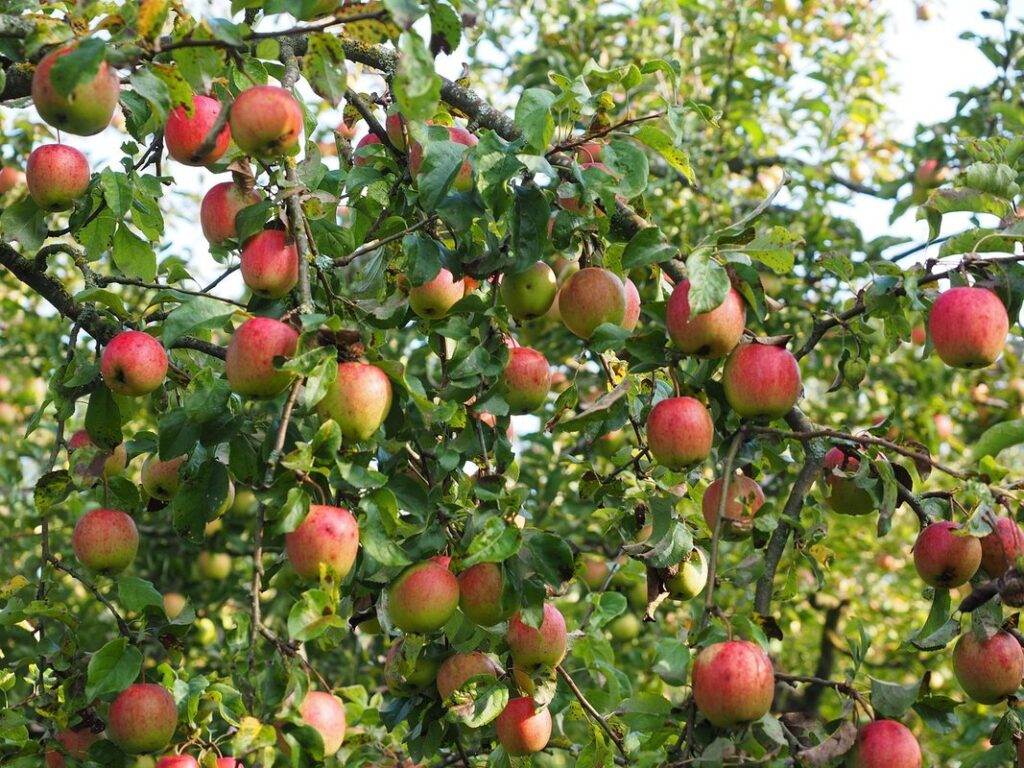
Choosing the Right Apple Tree Varieties
When it comes to planting multiple varieties of apple trees, selecting the right mix is crucial. Let’s explore the top factors to consider when choosing the perfect combination for your orchard.
Factors to Consider When Selecting Apple Trees
When selecting apple trees for your orchard or garden, there are several key factors to consider. The first and most crucial factor is climate. Different apple tree varieties have specific temperature requirements, so it’s essential to choose a variety that thrives in your region’s climate. For example, if you live in an area with harsh winters, look for cold-hardy varieties like ‘Red Delicious’ or ‘Gala’. On the other hand, if you live in a warmer climate, consider heat-tolerant varieties like ‘Honeycrisp’ or ‘Fuji’.
Another critical factor is soil type. Apple trees prefer well-draining soil that’s rich in organic matter. If your soil is heavy clay or sandy, consider amending it with compost or other organic matter to improve drainage and fertility. Additionally, think about the desired uses for your apple harvest. Do you want to enjoy fresh apples from your tree? Look for varieties like ‘Granny Smith’ or ‘Braeburn’ that are sweet and crunchy. Or do you prefer cooking or making cider? Varieties like ‘Golden Delicious’ or ‘McIntosh’ are great options.
When selecting an apple tree variety, it’s also essential to consider disease resistance. Some varieties are more prone to diseases like powdery mildew or scab, so choose a variety that’s resistant to these issues. Finally, think about the space you have available for your orchard or garden and choose a variety that’s compact or semi-dwarf to save space.
Popular Apple Tree Varieties for Different Regions
When choosing an apple tree variety, it’s essential to consider the climate and conditions of your region. Different varieties thrive in different environments, so selecting a suitable one can be crucial for a successful harvest.
For regions with mild winters and long growing seasons, such as California or parts of Europe, popular varieties like ‘Gala’ and ‘Fuji’ excel due to their disease resistance and high yields. In contrast, areas with harsher winters, like the Northeastern United States, may benefit from more cold-hardy options like ‘McIntosh’ or ‘Empire’. These varieties have a higher tolerance for frost and can tolerate shorter growing seasons.
In regions prone to heatwaves, like parts of Australia or South Africa, look for varieties bred specifically for warm climates, such as ‘Pink Lady’ or ‘Cripps Pink’. This will ensure your trees receive the necessary care and attention during periods of intense heat.
When selecting an apple tree variety for your region, consider factors beyond climate. Research disease resistance, pollination requirements, and maintenance needs to choose a tree that meets your specific needs and preferences.
Understanding Apple Tree Classification
As you explore the world of multiple variety apple trees, it’s essential to understand how they’re classified. This classification system helps identify unique characteristics and traits of each tree species.
Main Types of Apple Trees: Domesticated vs. Wild
When it comes to apple trees, there are two main types: domesticated and wild. Domesticated apple trees have been selectively bred over centuries for desirable traits such as flavor, texture, and disease resistance. They typically grow smaller in size, produce more fruit, and require regular pruning to maintain their shape.
In contrast, wild apple trees (Malus sieversii) are the ancestors of domesticated apples. They grow larger, with a more rugged bark and branches that are less dense. Wild apple trees can be found growing naturally in their native habitats, and they produce smaller, tart fruits that are often too sour for eating fresh.
One key difference between domesticated and wild apple trees is their growth habit. Domesticated trees require regular pruning to control their size and promote fruiting, while wild trees tend to grow more freely and irregularly. If you’re considering planting an apple tree in your backyard, keep in mind that a domesticated variety will likely be smaller and easier to maintain than its wild counterpart.
Domesticated apple trees are also more disease-resistant, which is important for home gardeners who may not have the resources to provide extensive care for their trees.
Key Factors in Apple Tree Classification: Size, Growth Rate, and Productivity
When classifying apple trees, growers and enthusiasts consider three crucial factors: tree size, growth rate, and productivity. These characteristics not only determine an apple tree’s overall health but also its ability to thrive in various environments.
Tree size is a fundamental aspect of classification, as it significantly impacts the space required for cultivation and pruning needs. Dwarf or semi-dwarf varieties typically require less maintenance and can produce fruit within two to three years after planting. In contrast, standard-sized trees often take longer to mature but may offer better yields. For instance, ‘Red Delicious’ is a popular variety that grows up to 20-25 feet in height, whereas ‘Anna’ is a dwarf tree reaching only 6-10 feet.
Growth rate and productivity are also essential factors to consider. Fast-growing trees like ‘Honeycrisp’ can produce fruit within two years, while slower growers like ‘Granny Smith’ may take up to three years. Productivity refers to the annual yield of an apple tree. Varieties like ‘Fuji’ and ‘Gala’ are known for their high yields, producing multiple harvests per season.
Selecting Apple Trees Based on Flavor Profile and Texture
When choosing the perfect apple trees for your orchard, it’s essential to consider not just their taste, but also their texture. You’ll want to select varieties that suit your personal preferences and needs.
Sweet vs. Tart Apple Varieties
When it comes to selecting apple trees, understanding the flavor profile and texture of different varieties is crucial. Within this context, sweet and tart apples stand out as distinct categories that cater to diverse tastes and uses. On one hand, sweet apple varieties are perfect for snacking, salads, and cooking due to their naturally high sugar content. Examples like Honeycrisp and Fuji excel in this department, with flavors ranging from sweet and crisp to juicy and honeyed.
On the other hand, tart apples bring a refreshing acidity that’s ideal for baking pies, making ciders, or creating savory sauces. Varieties such as Granny Smith and Braeburn showcase their sharpness, often pairing well with rich meats like pork or robust cheeses. When choosing between sweet and tart varieties, consider your intended use: do you want to snack on crunchy apples or incorporate them into a recipe? Mixing both types in your orchard will provide an assortment of flavors and textures for various culinary applications.
To balance sweetness and tartness in your multiple variety apple tree selection, explore the following tips:
* Combine sweet varieties like Honeycrisp with tangy options like Granny Smith for a refreshing contrast.
* Pair tart apples with complementary sweet elements, such as honey or spices, to create harmonious flavors.
* Consider including at least one ‘all-purpose’ variety that excels in both sweetness and acidity, ensuring versatility in your harvest.
Crunchy vs. Soft Apple Textures: Popular Varieties
When selecting an apple tree for your orchard, texture is just as important as flavor profile. Some of the most popular varieties are known for their crunchy texture, perfect for snacking on fresh off the tree. One such variety is the Honeycrisp, renowned for its juicy and crunchy flesh. Another contender is the Fuji, which boasts a sweet and crunchy texture that’s ideal for snacking.
On the other hand, some apple tree varieties offer a softer texture, making them better suited for baking or cooking. The Braeburn, for example, has a firm but tender texture that works well in pies and tarts. Another variety worth considering is the Golden Delicious, which has a softer texture that’s perfect for salads or as a topping for yogurt or oatmeal.
When choosing between crunchy and soft textures, consider your personal preference and intended use for the apples. If you want to snack on fresh fruit, opt for a crunchy variety like Honeycrisp or Fuji. But if you prefer baking or cooking with apples, a softer texture may be more suitable.
Growing Multiple Apple Tree Varieties in a Single Orchard
When growing multiple apple tree varieties, careful planning is essential to ensure compatibility and optimal fruit production in your single orchard. This is where understanding pollination requirements comes into play.
Benefits and Challenges of Mixed Apple Orchards
Growing multiple apple tree varieties in one orchard can be a wonderful way to increase biodiversity and create a more resilient orchard ecosystem. By planting different varieties together, you can enjoy a longer harvest season, improve pollination, and reduce the reliance on pesticides and other chemicals.
One of the main benefits of mixed apple orchards is their ability to thrive in challenging weather conditions. If one variety is struggling with disease or pests, another variety may be more resistant and help to mitigate the issue. For example, a combination of Red Delicious and Granny Smith trees can provide a balanced approach to disease management.
However, there are also challenges associated with growing multiple varieties together. Managing the different growth rates and space requirements of each tree can be time-consuming and labor-intensive. Additionally, some varieties may have conflicting ripening times or root systems that compete for resources. To overcome these challenges, consider implementing a layered planting system, where trees of varying sizes and growth habits are strategically placed to minimize competition.
Ultimately, the benefits of mixed apple orchards far outweigh the challenges. By carefully selecting and managing your tree varieties, you can create a thriving and productive orchard that is more resilient to pests, diseases, and environmental stressors.
Tips for Planting and Maintaining a Diverse Apple Orchard
When planting and maintaining a diverse apple orchard, it’s essential to consider the unique needs of each tree variety. To ensure healthy growth and optimal fruit production, follow these tips:
Start by choosing varieties that complement each other in terms of maturity date, disease resistance, and pollination requirements. A mix of early, mid-season, and late harvest apples will provide a prolonged ripening period and increase overall yields.
When pruning your diverse orchard, focus on individual tree health rather than uniformity. Remove dead, diseased, or damaged branches to promote air circulation, sunlight penetration, and fruiting potential. Prune in the dormant season (winter or early spring) to minimize stress and disease susceptibility.
Fertilize each variety according to its specific nutrient needs, taking into account factors like soil type, pH, and water availability. For example, sweet cherry varieties require a higher potassium level than tart cherry varieties.
Effective pest management involves monitoring your orchard regularly for signs of common pests like aphids, codling moths, and spider mites. Use integrated pest management (IPM) techniques that combine physical barriers, biological controls, and targeted chemical applications to minimize harm to beneficial insects and the environment.
To ensure optimal pollination, plant a mix of self-fertile and cross-pollinating varieties, as recommended by local experts or based on your region’s climate and tree characteristics. This will guarantee adequate pollinator activity and fruit set. Regularly inspect your trees for signs of stress, disease, or nutrient deficiencies, making adjustments to your management strategy as needed.
Preserving Apple Harvests with Multiple Varieties
To make the most of your apple tree harvest, it’s essential to learn how to preserve multiple varieties and enjoy them throughout the year. Let’s explore the best methods for preserving a diverse apple crop.
Methods for Storing and Preserving Apples
When it comes to preserving apple harvests with multiple varieties, proper storage and preservation methods are crucial to maintaining quality and preventing spoilage. Apples are a temperamental fruit when it comes to storage, requiring specific conditions to prevent degradation.
To store apples effectively, choose a cool, dry place with high humidity. Avoid storing them near direct sunlight or heat sources, as this can cause ripening and spoilage. For longer-term storage, consider refrigerating your apples at around 32°F (0°C) in sealed containers or bags to maintain optimal moisture levels.
Another effective method is to use airtight containers or bins with good ventilation to prevent ethylene buildup, which can accelerate ripening. You can also store apples in the basement or root cellar, where the temperature and humidity are more stable.
For preserving specific varieties of apples for longer periods, techniques like drying, freezing, or making apple sauce come into play. Drying removes moisture, preventing spoilage, while freezing preserves texture and flavor. These methods allow you to enjoy your favorite apple varieties year-round.
Canning, Freezing, and Drying: Processing Techniques for Multiple Apple Varieties
When preserving apples from your multiple variety tree, canning, freezing, and drying are popular techniques that allow for long-term storage. Canning is a great method for high-acid apple varieties like Granny Smith and Braeburn, but not suitable for low-acid varieties such as Red Delicious. Before canning, ensure you follow safe canning practices to avoid spoilage and foodborne illness.
For freezing, it’s best to use apples that are high in water content, like Honeycrisp or Fuji, as they will retain their texture better. Wash, peel, core, and chop the apples before spreading them out on a baking sheet lined with parchment paper. Place the sheet in the freezer until the apples are frozen solid, then transfer them to airtight containers or freezer bags.
Drying is another effective method for preserving apples, especially for those that don’t freeze well like McIntosh. Slice or chop the apples and place them in a single layer on a dehydrator tray or a baking sheet lined with parchment paper. Dry at 135°F (57°C) until the apples reach your desired level of dryness.
When working with multiple varieties, consider factors like texture and flavor profiles to choose the best preservation method for each type. For instance, if you have a sweet variety like Gala, freezing or drying might be more suitable than canning due to its high water content.
Frequently Asked Questions
Can I mix and match apple tree varieties from different regions?
When selecting trees for your orchard, you can combine varieties from different regions, but consider factors like climate and soil type to ensure the best results. Research specific growing conditions for each variety and choose those that complement each other.
How do I handle disease prevention when growing multiple apple tree varieties?
Disease prevention is crucial in a diverse apple orchard. Implement integrated pest management techniques, such as crop rotation, pruning, and regular monitoring. Use organic or chemical controls as needed to prevent the spread of diseases between trees.
Can I grow multiple apple tree varieties in a small backyard?
Yes, you can successfully grow several apple tree varieties in a small space by choosing compact or dwarf trees that require less space to mature. Select varieties with similar growing conditions and prune regularly to maintain a healthy, productive orchard.
How do I store apples from multiple varieties for long-term preservation?
For long-term storage, choose varieties with similar ripening times and keep them separate to prevent spoilage. Store apples in cool, dry places or use specialized containers that control humidity and temperature. Consider freezing or dehydrating certain varieties to preserve their unique flavors.
What are the benefits of having a diverse apple orchard?
Growing multiple apple tree varieties offers several benefits, including increased crop diversity, improved pest resistance, and enhanced biodiversity. This can lead to healthier trees and more flavorful apples. However, it also requires careful planning and management to ensure optimal growth conditions for each variety.