
Are you ready to breathe new life into your small garden or indoor space? Growing mint in containers is a game-changer, offering a burst of freshness and fragrance that’s hard to resist. Not only does it add visual appeal, but mint also has numerous benefits, from repelling pests and improving digestion to boosting mental health.
If you’re new to container gardening or struggling to keep your mint plants thriving, this guide is for you. We’ll walk you through the essential steps of growing mint in containers, covering everything from selecting the right variety to preparing the perfect potting mix. You’ll learn how to care for your mint plant, troubleshoot common issues, and enjoy a bountiful harvest all season long. Get ready to unlock the secrets of container mint gardening and discover why it’s the perfect choice for small spaces!
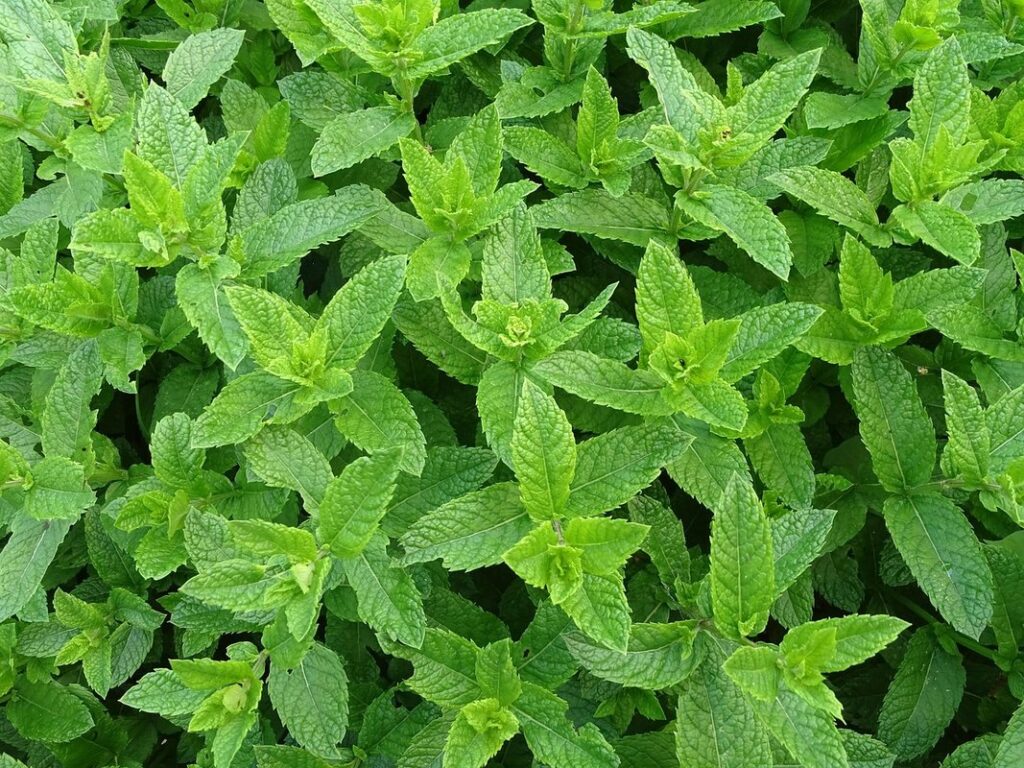
Benefits of Growing Mint in Containers
Growing mint in containers offers several advantages, including easy portability and pest control. You’ll find that your potted mint plant thrives in a contained space.
Space-Saving Advantages
Growing mint in containers is particularly ideal for small gardens or indoor spaces. One of the primary advantages is that it frees up yard space, allowing you to allocate resources more efficiently. Instead of dedicating a large area to a single mint plant, container gardening enables you to grow multiple plants in a compact footprint.
This flexibility also makes it easy to move your mint plants around as needed. If you’re concerned about the location getting too much direct sunlight or if you want to bring the fresh scent indoors, simply relocate the pot to a more suitable spot. This adaptability is especially beneficial for indoor spaces where natural light may be limited. By choosing containers over traditional garden beds, you can enjoy the benefits of mint without taking up valuable real estate.
To maximize space-saving advantages, consider using tiered planters or vertical gardens. These innovative designs allow for multiple layers of plants, increasing your yield while maintaining a slim footprint. Whether you’re short on outdoor space or just want to add some greenery to your indoor decor, container-grown mint is an excellent solution.
Flexibility with Container Options
When it comes to growing mint in containers, you have numerous options for vessels that will allow your plant to thrive. One of the most popular choices is using a planter, which provides ample space for roots to grow and can be made from various materials such as ceramic, plastic, or wood.
Hanging baskets are another great option for growing mint in containers, allowing you to make the most of vertical space while keeping your plant off the ground. This type of container also helps keep pests away, such as slugs and snails, that might target the roots of your mint plant.
Self-watering pots are a fantastic choice for busy gardeners or those who tend to forget to water their plants regularly. These pots have built-in reservoirs that allow the plant to draw water as needed, keeping the soil consistently moist without overwatering.
Consider repurposing an old container like a wooden barrel or terra cotta pot – just be sure it’s clean and free of any chemicals before planting. Whichever type of container you choose, make sure it has drainage holes to prevent waterlogged soil and root rot.
Choosing the Right Mint Variety for Containers
When selecting a mint variety for your container garden, consider factors such as growth habits and hardiness to ensure the perfect fit for your space. Different types of mint thrive in various conditions.
Popular Mint Varieties for Container Gardens
When it comes to container gardens, you’ve got several fantastic mint varieties to choose from. Let’s take a look at some of the most popular ones that thrive in pots.
Peppermint (Mentha piperita) is a classic choice for container gardens. It’s hardy, adaptable, and can grow quite tall – perfect for a statement piece on your balcony or patio. Be sure to prune it regularly to keep its growth in check and prevent overcrowding. Its invigorating scent will transport you to the great outdoors!
Spearmint (Mentha spicata) is another popular variety that’s easy to care for. It prefers moist soil but can tolerate some drought, making it a great choice for busy gardeners. Plus, its milder flavor and fragrance make it perfect for teas, salads, and desserts.
Chocolate mint (Mentha x piperita f. citrata ‘Chocolate’) is a bit more unique, with its distinctively sweet, chocolatey aroma. Its compact growth habit makes it ideal for smaller pots or hanging baskets. Keep in mind that it can be quite potent, so use it sparingly!
These three varieties are all great options for container gardens. When choosing one (or more!), remember to consider your climate, available sunlight, and personal preferences when selecting the perfect mint for you.
Factors to Consider When Selecting a Mint Variety
When selecting a mint variety for containers, there are several key factors to consider. First and foremost, think about the flavor profile you want to achieve with your mint. Peppermint (Mentha x piperita) is a classic choice, known for its strong, refreshing aroma and taste. However, if you prefer a milder flavor, spearmint (Mentha spicata) might be a better option.
Another crucial consideration is hardiness. Mint can be quite invasive in the ground, but in containers, it’s generally more contained. Still, some varieties are more aggressive than others. For example, chocolate mint (Mentha x piperita f. citrata ‘Chocolate’) has a tendency to spread quickly, making it perfect for large pots or planters with good drainage.
Growth habits also play a significant role in choosing the right mint variety. If you’re short on space, consider compact varieties like apple mint (Mentha suaveolens) or Corsican mint (Mentha requienii), which are naturally more contained and require less pruning.
Preparing the Perfect Container for Mint
To grow healthy mint, you’ll first need a container that’s tailored to its needs, and we’re going to walk you through what makes an ideal home for your mint plant.
Container Size and Material Matters
When it comes to growing mint in containers, many beginners overlook the importance of choosing the right container size and material. However, this can make a significant difference in your plant’s performance.
Optimal pot sizes for mint vary depending on the variety, but generally, a minimum of 6-8 inches deep and 8-12 inches wide is recommended to accommodate its extensive root system. Larger pots with good drainage will prevent waterlogged soil and promote healthy growth. Conversely, small pots can cause the roots to become root-bound, leading to stunted growth or even death.
The material of your container also plays a crucial role in mint’s performance. Look for containers made from materials that retain moisture, such as terracotta or unglazed ceramic pots. These will help keep the soil consistently moist, reducing the need for frequent watering. On the other hand, avoid using metal or plastic containers, as they can dry out the soil too quickly and cause mint to become stressed.
Soil Requirements for Mint in Containers
When it comes to growing mint in containers, one of the most critical aspects is getting the soil right. Mint requires a specific set of conditions to thrive, and using the wrong type of soil can lead to stunted growth or even plant death.
First and foremost, mint prefers slightly acidic to neutral soil pH, ranging from 6.0 to 7.0. Avoid using alkaline soils, as they can cause nutrient deficiencies and poor root development. To give you a better idea, most potting mixes have a pH between 5.5 and 6.5, making them suitable for mint.
In terms of nutrient content, mint needs a balanced diet that’s rich in organic matter. Use a well-draining potting mix with added compost or fertilizer to provide essential nutrients like nitrogen, phosphorus, and potassium. Aim for a mix that contains at least 20-30% organic matter, such as peat moss or coconut coir.
When repotting your mint plant, consider mixing in some perlite or vermiculite to improve drainage and prevent waterlogged soil. This will help prevent root rot and ensure healthy growth.
Caring for Your Container Mint Plants
To keep your container mint plants thriving, you’ll want to focus on proper watering, fertilization, and pruning techniques that promote healthy growth. With regular care, they should continue to produce plenty of fresh leaves for months to come.
Watering Needs of Mint in Containers
Proper watering is crucial for mint plants grown in containers. Overwatering can lead to root rot and poor plant health, while underwatering may cause the leaves to become wilted and discolored.
As a general rule of thumb, mint plants need to be watered when the top 1-2 inches of soil feels dry to the touch. Check the moisture level by inserting your finger into the soil up to the first knuckle. Water your mint plant when you notice that the soil is slightly damp but not soggy.
Avoid overwatering by ensuring good drainage holes in your container and avoiding watering during the hottest part of the day or under direct sunlight. It’s better to water in the morning so that the plants have the entire day to absorb the moisture.
Check your mint plant daily, especially in hot weather, as it will need more frequent watering. If you notice any signs of underwatering, such as droopy leaves or a decrease in growth rate, increase the frequency of watering accordingly.
Fertilizing and Pruning Tips for Healthy Growth
When it comes to fertilizing and pruning mint in containers, timing is everything. To promote healthy growth and prevent pests and diseases, you’ll want to fertilize your container mint plants regularly during the growing season, which typically runs from spring to fall.
Use a balanced fertilizer (10-10-10 NPK) or an organic alternative specifically designed for herbs like mint. Dilute the fertilizer according to the manufacturer’s instructions to avoid burning the roots of your plant. You can fertilize your container mint plants every 2-3 weeks during the growing season, but make sure to skip fertilizing during the winter months when growth slows down.
Pruning is also crucial in maintaining the health and appearance of your container mint plants. Regular pruning encourages new growth, prevents overgrowth, and helps control the spread of pests and diseases. Simply snip off any dead or dying leaves or stems with scissors or pinch off the tips to encourage branching. This will not only keep your plant looking its best but also promote healthy growth throughout the growing season.
Common Issues with Container Mint and How to Fix Them
As you tend to your container mint plants, you may encounter some common issues that can be frustrating, but don’t worry, we’ve got solutions for you. Let’s address these problems and get your mint growing strong again!
Dealing with Pests and Diseases
Dealing with pests can be one of the most frustrating issues you’ll face when growing mint in containers. Spider mites are a common problem, especially during hot and dry weather conditions. These tiny insects feed on the sap of the plant, causing yellowing leaves and white webs to form on the underside of the foliage. To control spider mite infestations, inspect your plants regularly and use neem oil or insecticidal soap to treat affected areas.
Aphids are another common pest that can quickly multiply and spread disease throughout your container mint plants. These tiny, soft-bodied insects feed on plant sap, causing curled or distorted leaves and a sticky honeydew substance to form on the leaves. To manage aphid populations, use insecticidal soap or neem oil, and also consider introducing natural predators like ladybugs or lacewings into your container garden.
Diseases such as root rot can be just as problematic for mint in containers. Overwatering is often the primary cause of root rot, which occurs when the roots are constantly saturated with water, leading to an accumulation of moisture that encourages fungal growth. To prevent root rot, ensure good drainage by using a well-draining potting mix and avoid getting water on the leaves or crown of the plant.
Troubleshooting Yellowing or Wilting Leaves
One of the most common issues you may encounter when growing mint in containers is yellowing or wilting leaves. This can be a concern as it can affect the overall health and appearance of your plant. To identify the cause, start by checking the soil moisture levels. Mint prefers moist soil but overwatering can lead to root rot, causing the leaves to turn yellow.
If the soil feels dry, ensure you’re providing enough water for your mint plant. However, don’t confuse this with root rot caused by excessive watering. Check the roots by gently removing the plant from its container and examining them. Healthy roots are white or light brown; black roots indicate root rot.
To resolve wilting leaves due to underwatering, increase the frequency of watering, but avoid getting waterlogged soil. Another possible cause is a lack of humidity in the air. Mint thrives in humid environments, typically above 60%. Consider using a humidifier nearby if you live in dry climates or place the pot on a tray with pebbles and water to create a microclimate.
In some cases, yellowing leaves can be caused by nutrient deficiencies or exposure to extreme temperatures. Make sure your mint plant is receiving enough nutrients through regular fertilization. Also, keep your container away from direct sunlight during peak hours, especially in warmer climates, to prevent damage to the leaves.
Harvesting and Enjoying Your Container Mint
Now that your container mint is thriving, it’s time to reap the rewards of your hard work: harvesting fresh leaves for tea, cooking, and more! We’ll show you how to bring out the best flavor in your potted mint.
When to Harvest Mint for Maximum Flavor
When you’re harvesting mint from your container garden, timing is everything to maximize its flavor and aroma. The ideal time to pick mint leaves depends on the type of mint and what part of the plant you want to harvest.
For leafy herbs like peppermint or spearmint, it’s best to pinch off individual leaves as needed. This encourages new growth and prevents the plant from flowering. Pinch off about one-third of the stems regularly to promote bushy growth and prevent the plant from becoming leggy.
If you’re looking for flowers, wait until the blooms have developed their full color and fragrance. Harvesting mint flowers can be a bit tricky – it’s best to cut them in the morning when they’re at their most fragrant. For root-based mints like chocolate or ginger mint, harvest the roots in late fall after the tops of the plants have died back.
To ensure maximum flavor, always harvest your mint in the morning after the dew has dried but before the heat of the day. Avoid harvesting during the hottest part of the day when the plant’s oils may be reduced.
Creative Ways to Use Fresh Mint from Containers
Now that you’ve successfully grown and cared for your mint plants in containers, it’s time to enjoy the fresh harvest. Fresh mint from containers is incredibly versatile and can be used in a multitude of dishes, drinks, and desserts. Here are some creative ways to use your container-grown mint:
In cooking, try adding fresh mint leaves to salads like Greek salad or Middle Eastern tabbouleh for a burst of flavor. You can also chop it up and mix it into yogurt sauces, chutneys, or marinades for grilled meats. For a refreshing twist on traditional iced tea, infuse fresh mint leaves in hot water, then chill the mixture before serving.
In beverages, use fresh mint to make a revitalizing spritzer by muddling the leaves with lemon juice and sparkling water. You can also add it to cocktails like mojitos or gin fizzes for a unique flavor profile.
Desserts are another great way to enjoy your container-grown mint. Try mixing chopped fresh mint into homemade ice cream, sorbet, or frozen yogurt. Alternatively, use it as a topping for pancakes, waffles, or fruit salads.
Conclusion: Tips for Long-Term Success with Container Mint
As you’ve learned how to grow and care for mint plants in containers, it’s time to think about long-term success. To keep your container mint thriving, make sure to repot it every spring when the weather warms up. This will give the roots room to expand and prevent the plant from becoming pot-bound. You can also divide the roots at this time to share with friends or create new plants.
Another key tip is to harvest your mint regularly to encourage healthy growth. Pinch off flower buds as they form to direct energy into leaf production, and snip off stems when needed for use in cooking. This will prevent the plant from flowering prematurely and keep it bushy and compact. By following these simple tips, you’ll be enjoying fresh, fragrant mint from your container garden all season long.
Frequently Asked Questions
Can I Grow Mint in Containers Year-Round?
Yes, mint is a hardy perennial herb that can thrive in containers year-round when provided with proper care. However, it’s essential to know that mint tends to become dormant during winter months and may require pruning or protection from frost. Check your local climate and adjust your container garden accordingly.
How Do I Prevent Mint from Spreading Beyond Its Container?
Mint is notorious for its invasive properties, but you can prevent it from spreading by containing it in a deep pot (at least 6-8 inches deep) with a wide mouth. You can also line the container with a physical barrier like aluminum foil or plastic sheeting to prevent roots from escaping.
Can I Use Regular Potting Mix for Mint in Containers?
No, regular potting mix may not provide the necessary nutrients and acidity level that mint requires. Look for a well-draining potting mix specifically designed for containers, and consider adding organic matter like compost or perlite to improve drainage and fertility.
How Often Should I Water My Container Mint Plants?
Water your container mint plants regularly, but avoid overwatering. Check the soil moisture by sticking your finger into the soil up to the first knuckle. Water when the top inch of soil feels dry to the touch, and make sure the pot has good drainage holes to prevent waterlogged soil.
Can I Grow Mint in Containers Indoors with Low Light?
While mint generally prefers bright, indirect light, some varieties like ‘Chocolate Mint’ or ‘Pineapple Mint’ can tolerate low-light conditions. However, keep in mind that indoor plants may require more frequent watering and pruning due to the reduced light environment.