
As a monarch butterfly enthusiast, you’re probably eager to learn how to create a welcoming habitat in your garden that supports these magnificent creatures’ survival. The good news is that it’s easier than you think! Milkweed (Asclepias spp.) is the most crucial host plant for monarch butterflies, providing them with the necessary nutrients and shelter at every stage of their life cycle. But did you know that many species of milkweed are easy to grow and can thrive in a variety of conditions? In this article, we’ll guide you through the simple steps to grow milkweed in your garden, from selecting the right species to providing optimal growing conditions for these essential plants. By following our tips, you’ll be well on your way to creating a monarch-friendly habitat that will attract these beautiful butterflies and support their populations.
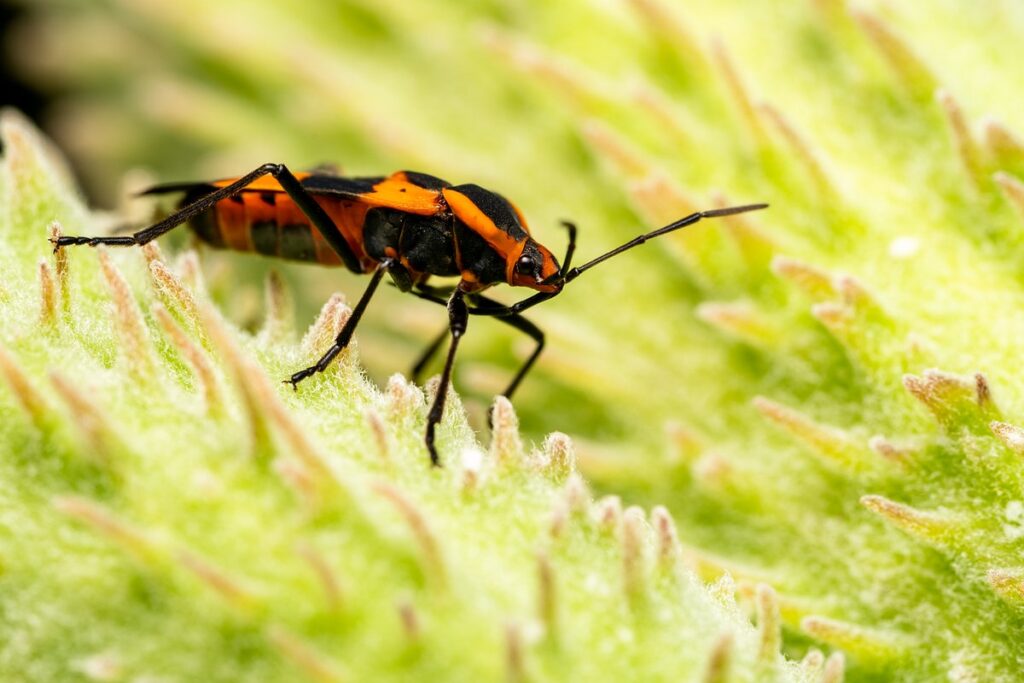
Understanding the Importance of Milkweed
Milkweed is a crucial component for monarchs, providing them with essential nutrients and shelter. Let’s dive into why it’s so vital for these beautiful creatures’ survival.
What is Milkweed and Why Do Monarchs Need It?
As you begin to grow milkweed for monarchs, it’s essential to understand what this plant is and why it plays a critical role in their life cycle. Milkweed (Asclepias spp.) is a perennial herb native to North America, with over 140 species found throughout the continent. Its unique characteristics make it an integral part of the monarch butterfly’s survival.
Monarchs rely on milkweed for two primary reasons: its toxic properties and its role as a host plant. The leaves and stems of milkweed contain cardenolides, toxins that monarch caterpillars sequester from the plant and store in their bodies. This toxicity protects them from predators and makes them unpalatable to birds and other animals that might feed on them. Furthermore, milkweed serves as the sole host plant for monarch caterpillars, providing a safe environment for them to feed and develop. Without milkweed, monarch populations would drastically decline.
Incorporating milkweed into your garden or landscape is a crucial step in supporting local monarch populations. By choosing the right species of milkweed and growing it in an area with full sun and well-drained soil, you can create a haven for these magnificent creatures to thrive.
The Decline of Monarch Populations and Milkweed Availability
The decline of monarch populations has been alarming, with numbers dwindling by over 80% in the past two decades. One major contributor to this decline is the scarcity of milkweed, the sole food source for monarch caterpillars. Habitat loss and degradation have led to a significant reduction in milkweed availability, making it difficult for monarchs to survive.
As natural habitats are converted into agricultural land, urban areas, or other human-dominated landscapes, milkweed populations suffer. This is especially true in regions where intensive farming practices prevail. For instance, the widespread use of herbicides and pesticides has devastated milkweed growth, further exacerbating the decline of monarch populations.
The impact on monarchs is multifaceted. Without sufficient milkweed, caterpillars starve, leading to a decrease in adult monarch numbers. This, in turn, affects the overall health of the population, making them more susceptible to disease and environmental stressors. To combat this issue, gardeners can play a crucial role by planting milkweed species that are native to their region, thereby restoring habitats and increasing milkweed availability.
Choosing the Right Milkweed Variety
When it comes to growing milkweed for monarchs, selecting the right variety is crucial. In this section, we’ll explore the different types of milkweed and help you choose the best one for your garden.
Common Types of Milkweed: A Guide to Selection
When selecting milkweed for your garden, it’s essential to choose a variety that thrives in your region and meets the needs of monarch butterflies. There are several types of milkweed plants to consider, each with its unique characteristics.
Common milkweed (Asclepias syriaca) is one of the most widespread species, found throughout much of North America. It grows 2-4 feet tall, producing clusters of small, fragrant flowers in mid-to-late summer. Common milkweed tolerates a range of soil conditions and full sun to partial shade.
Butterfly milkweed (Asclepias tuberosa) is a favorite among monarch enthusiasts due to its vibrant orange or yellow blooms that attract these pollinators. This variety grows 1-2 feet tall, with flowers appearing in late spring and early summer. It prefers well-drained soil and full sun.
Swamp milkweed (Asclepias incarnata) thrives in wet environments, making it an excellent choice for gardeners with moist soil conditions. Its purple or pink blooms appear in mid-to-late summer, growing 2-4 feet tall. Consider the specific needs of your garden when selecting a milkweed variety to ensure its success and benefit monarch butterflies.
Factors to Consider When Selecting a Milkweed Variety
When selecting a milkweed variety, it’s essential to consider several factors that will determine its success in your garden or landscape. Climate is one of the most critical considerations. Some milkweed varieties thrive in warmer temperatures, while others prefer cooler climates. For example, Asclepias tuberosa (butterfly milkweed) grows well in USDA zones 4-9, whereas Asclepias syriaca (common milkweed) prefers zones 3-9.
Another crucial factor is soil type. Milkweed can grow in a variety of soils, but some varieties prefer well-draining soil to prevent root rot. Asclepias incarnata (swamp milkweed), for instance, thrives in moist soils and can tolerate some flooding. On the other hand, Asclepias viridiflora (green antelopehorn milkweed) prefers dry to medium soils.
Sun exposure is also vital when choosing a milkweed variety. Some milkweeds require full sun to produce an adequate amount of nectar for monarchs, while others can tolerate partial shade. Lastly, maintenance requirements should be taken into account. Some milkweeds are more aggressive and may need regular pruning to prevent them from spreading too far.
When selecting a milkweed variety, consider these factors and choose one that suits your climate, soil type, sun exposure, and maintenance needs. This will ensure the health and success of your milkweed plant, ultimately benefiting the monarch butterflies that rely on it for survival.
Planting and Caring for Milkweed
To ensure a healthy milkweed plant that attracts monarchs, it’s essential to know how to properly plant and care for these vital flowers. Let’s dive into the specifics of planting and caring for milkweed.
Preparing the Soil: Conditions for Optimal Growth
When preparing the soil for milkweed, it’s essential to create conditions that mimic its natural habitat. Milkweed thrives in well-draining soil with a slightly acidic pH between 6.0 and 7.0. If your soil is too alkaline or heavy clay, amend it with organic matter like compost or peat moss to improve drainage.
Milkweed requires moderate moisture levels, but it’s not fond of standing water. Aim for about 1 inch of rainfall or irrigation per week during the growing season. Avoid overwatering, as this can lead to root rot and other problems.
As for nutrients, milkweed is a poor soil feeder and doesn’t require a lot of fertilization. However, adding a balanced fertilizer in early spring can promote healthy growth. Be cautious not to overfertilize, as this can harm the plant and the surrounding environment.
When selecting a location for your milkweed patch, consider full sun to partial shade conditions. This will help ensure optimal growth and prevent weeds from competing with your plants. By creating a suitable soil environment and providing adequate moisture and nutrients, you’ll be well on your way to growing healthy, thriving milkweed that will support the monarch population.
Planting Techniques: Tips for Successful Establishment
When it comes to planting milkweed, getting it right from the start is crucial for its successful establishment. To begin, if you’re starting with seeds, sow them directly in the ground in early spring or late summer/early fall when the soil can be worked again. Sow seeds 1-2 inches deep and 6-12 inches apart in a location that receives full sun to partial shade.
If you prefer to start with seedlings, transplant them in the same spot, spacing them about 18-24 inches apart to allow for mature growth. Water thoroughly after planting and keep the soil consistently moist during the first few weeks. As the plants establish themselves, you can gradually reduce watering to once a week or as needed.
To ensure successful establishment, make sure the soil is well-draining and has a pH between 6.0 and 7.0, which is ideal for milkweed growth. Avoid compacting the soil when transplanting seedlings, as this can lead to root damage and poor establishment.
Common Challenges and Solutions for Milkweed Gardeners
As you tend your milkweed garden, you may encounter some common challenges that can impact its health and success. We’ll address these issues and provide practical solutions to keep your milkweed thriving.
Pests and Diseases: Identifying and Managing Issues
As a milkweed gardener, it’s essential to be aware of common pests and diseases that can affect these plants. Aphids, spider mites, and whiteflies are often found on milkweed leaves and stems, sucking sap and weakening the plant. These tiny insects can multiply quickly, so it’s crucial to catch infestations early.
To manage aphid populations, try spraying the affected area with a strong jet of water or using neem oil as a natural deterrent. For spider mites, introduce beneficial insects like ladybugs or lacewings that feed on these pests. Whiteflies can be controlled by using yellow sticky traps to capture them.
Diseases such as powdery mildew and root rot can also affect milkweed plants. Powdery mildew appears as a white, powdery coating on leaves and stems, while root rot causes blackened or soft roots. To prevent these issues, ensure good air circulation around the plants and avoid overwatering, which can lead to root rot. Regularly inspect your milkweed plants for any signs of pests or diseases, and take action promptly if you notice any problems.
Climate Change Impacts on Milkweed: Adapting to a Changing Environment
As milkweed gardeners, it’s essential to understand the impact of climate change on these crucial monarch habitats. Rising temperatures and altered precipitation patterns are affecting milkweed growth patterns worldwide.
One notable effect is the disruption of bloom times. Warmer springs can cause milkweed to bloom too early, making it vulnerable to frost damage or attracting pests before monarchs arrive. Conversely, cooler summers may delay blooming, reducing the availability of nectar for adult monarchs. To adapt, monitor local weather forecasts and adjust your pruning schedule accordingly.
Plant hardiness is another concern. Climate change can increase heat stress, leading to reduced milkweed growth and lower yields. Choose milkweed varieties known for their drought tolerance or select cultivars bred specifically for warmer climates.
Consider incorporating microclimate management techniques in your garden. For example, create a shaded area using trellises or umbrellas to provide protection from extreme temperatures. This will help ensure milkweed continues to thrive despite the changing climate conditions.
Encouraging Monarchs in Your Garden
To create a monarch-friendly haven, encourage these majestic visitors by incorporating native milkweed varieties into your garden’s landscape and habitat design. This will attract them to stay awhile.
Creating a Monarch-Friendly Habitat: Tips for Success
Creating a monarch-friendly habitat is crucial to supporting these majestic creatures. To design an effective garden that attracts monarchs, start by incorporating nectar-rich flowers into your landscape. These plants provide the essential fuel for monarch caterpillars and adults alike. Some excellent options include zinnias, cosmos, and marigolds. Plant them in clusters to maximize their value as a food source.
In addition to nectar-rich flowers, it’s vital to incorporate host plants like milkweed into your garden. Milkweed is the sole food source for monarch caterpillars, so make sure to plant multiple varieties of milkweed throughout your garden. Aim for at least 10% of your garden to be dedicated to milkweed.
Creating a water source in your garden is another essential element for attracting monarchs. Install a shallow dish or birdbath with fresh water and a few rocks for perching. This will provide the necessary hydration for adult monarchs as they fuel up for their long migrations.
Supporting Local Conservation Efforts: Connecting with Your Community
Connecting with your community is an essential step in supporting local monarch conservation efforts. By partnering with like-minded individuals and organizations, you can contribute to a larger impact for these majestic creatures. To get involved, start by searching online for local chapters of organizations dedicated to monarch butterfly conservation, such as the Monarch Watch or the Xerces Society.
Joining a community garden or volunteering at a nearby nature reserve are great ways to connect with others who share your passion for monarch conservation. Many cities also offer citizen science projects that allow you to contribute to ongoing research and monitoring efforts. For example, the iNaturalist app allows users to record and submit observations of monarch sightings, which helps scientists better understand population trends.
Consider participating in local events, such as monarch tagging or monitoring programs, where you can learn from experts and make a tangible impact on your community’s conservation efforts. These initiatives not only foster connections within your community but also provide valuable data that informs broader conservation strategies. By taking this step, you’ll be contributing to the collective effort to protect these incredible pollinators.
Frequently Asked Questions
Can I grow milkweed in containers or do I need a full yard?
Yes, you can definitely grow milkweed in containers! This is an excellent option for small gardens or those with limited space. Choose a container that’s at least 6-8 inches deep and has good drainage holes to accommodate the plant’s root system.
How long does it take for milkweed to bloom after planting?
Milkweed typically takes around 3-4 months to bloom from seed, but this can vary depending on factors like climate, soil quality, and variety. Be patient and enjoy watching your plants grow and mature before expecting blooms.
What if I have poor soil in my garden – can milkweed still thrive?
Yes, milkweed is relatively adaptable to different soils, including those with poor drainage or low nutrient levels. While well-draining soil rich in organic matter will promote healthier growth, milkweed can still survive in less-than-ideal conditions.
Can I grow multiple types of milkweed together, or should I stick to one variety?
While it’s not necessary to grow multiple varieties together, some gardeners find that having a mix of species provides a more diverse habitat for monarchs. However, be aware that different milkweed varieties may have distinct growing requirements and space needs.
How do I know if my milkweed is being impacted by pests or diseases?
Regularly inspect your plants for signs of pests (e.g., aphids, whiteflies) or diseases (e.g., powdery mildew, leaf spot). If you notice any issues, take action promptly to prevent further damage and reduce the risk of these problems spreading.