
If you’re a nature enthusiast or an avid gardener, you’ve probably marveled at the stunning beauty of magnolia trees. Their elegant flowers are a sight to behold, and growing one from seed can be a rewarding experience for anyone willing to take on the challenge. But how do you successfully grow a magnolia tree from a tiny seed? Choosing the right species is just the first step – did you know that some varieties of magnolias thrive better than others when grown from seed?
In this article, we’ll guide you through the process of growing magnolia trees from seed, including choosing the optimal species and preparing the seeds for germination. We’ll also cover the essential care requirements for successful growth. Whether you’re a seasoned gardener or just starting out, our step-by-step instructions will help you grow your very own magnolia tree from seed.
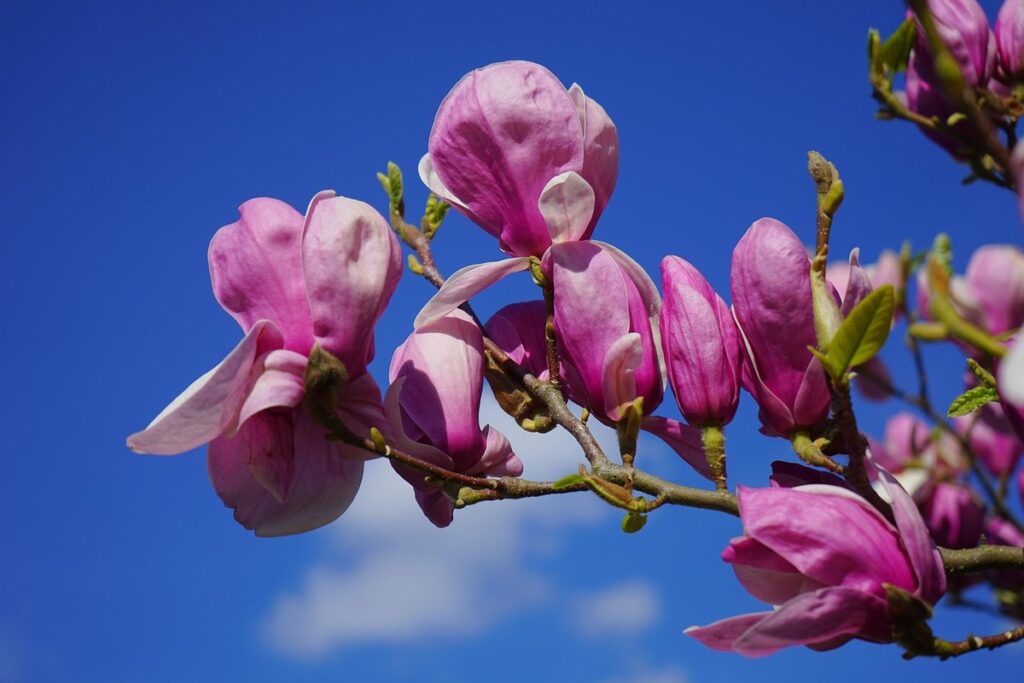
Understanding Magnolia Seeds and Their Requirements
To successfully grow a magnolia from seed, you’ll first need to understand how these tiny seeds require specific conditions to germinate and thrive. Let’s break down their unique needs.
Choosing the Right Magnolia Species
When it comes to growing magnolias from seed, not all species are created equal. While some can thrive in a variety of conditions, others require very specific temperatures and humidity levels. If you’re new to growing magnolias from seed, it’s essential to choose a species that suits your climate and experience level.
Some popular species for seed starting include the Sweetbay Magnolia (Magnolia virginiana), which is a warm-weather tolerant species suitable for USDA zones 6-10. The Southern Magnolia (Magnolia grandiflora) is another great option, as it can thrive in full sun to partial shade and can tolerate temperatures up to 100°F (38°C). If you live in cooler climates, consider the Star Magnolia (Magnolia stellata), which requires a slightly chillier winter period to induce flowering.
When selecting a magnolia species for seed starting, be sure to research their specific requirements, as some may need protection from extreme temperatures or high winds. This will ensure that your seedlings receive the best chance of success. With so many options available, take your time and choose a species that fits your unique growing conditions and preferences.
Preparing Magnolia Seeds for Germination
Preparing magnolia seeds for germination is an essential step that often gets overlooked. However, it’s crucial to ensure the seeds are clean and free from any debris or chemicals that may inhibit their growth.
First, start by cleaning the seeds with a soft-bristled brush to remove any dirt or plant matter. Rinse them thoroughly with water, making sure to remove any remaining particles. For optimal results, soak the seeds in a cup of water for 24 hours before sowing. This step helps to rehydrate the seed coat and stimulate germination.
Some magnolia species require stratification, which involves exposing the seeds to cooler temperatures (around 40°F) for 30-90 days to break dormancy. Check your specific magnolia variety’s requirements to determine if this step is necessary. If you’re unsure, it’s always best to err on the side of caution and provide a longer period of stratification.
By following these simple steps, you’ll be giving your seeds the best chance at successful germination and setting them up for healthy growth as they develop into beautiful magnolia trees.
Seed Starting Techniques
When growing magnolia from a seed, learning various seed starting techniques is crucial for ensuring success. We’ll walk you through some of our favorite methods in this next step.
The Importance of Stratification in Magnolia Seeds
When it comes to growing magnolias from seed, one crucial step is often overlooked: stratification. This process involves simulating the natural conditions that occur over winter, allowing the seed to break dormancy and germinate. Magnolia seeds have a built-in mechanism to ensure they don’t grow until the right time. By mimicking this process, you can trick the seed into thinking it’s going through a full winter.
Stratification helps to weaken the seed coat, making it easier for water to penetrate and kick-start germination. To stratify magnolia seeds, store them in a plastic bag or airtight container with some moistened peat moss or vermiculite at a consistent refrigerator temperature (around 35-45°F). This can take anywhere from 30 to 120 days, depending on the specific magnolia species.
Keep in mind that not all magnolias require stratification. Some varieties can be sown directly into a cold frame or greenhouse with minimal chilling requirements. However, most magnolia seeds benefit from this process for optimal germination rates.
Creating a Suitable Environment for Seed Germination
To successfully germinate magnolia seeds, it’s crucial to create an optimal environment that mimics their natural habitat. The ideal temperature for seed germination is between 65°F and 75°F (18°C and 24°C), with some species tolerating warmer temperatures up to 85°F (29°C). However, prolonged exposure to high temperatures can inhibit germination.
Humidity also plays a significant role in the process. Magnolia seeds thrive in humid environments, typically above 50%. To achieve this, you can cover your seed tray with plastic wrap or place it on a tray filled with water and pebbles. This helps maintain moisture levels without risking root rot.
Light requirements are minimal during germination, but make sure to provide indirect light exposure. Direct sunlight can be detrimental, causing the embryo to become disoriented. A sunny windowsill or under grow lights (with a distance of at least 12 inches) is suitable for this stage.
Monitor your seed tray’s conditions regularly and adjust as necessary. It’s not uncommon for magnolia seeds to take anywhere from 3-6 weeks to germinate. Be patient, and with the right environment, you’ll be on your way to successfully growing a healthy magnolia tree from seed.
Sowing Magnolia Seeds
To successfully grow a magnolia from seed, you’ll need to carefully prepare and sow those seeds in a controlled environment. This step is crucial for giving your young tree the best chance at life.
Best Practices for Sowing Magnolia Seeds
When sowing magnolia seeds, there are several best practices to keep in mind to ensure successful germination and growth. Firstly, the ideal time for sowing magnolia seeds is during the fall or early spring when the temperatures are cooler. This allows the seedlings to establish themselves before the heat of summer.
In terms of depth, sow the seeds about 1-2 inches deep in a well-draining seed starting mix. Make sure not to cover them too deeply, as this can cause the embryo to rot. Space the seeds about 6-12 inches apart, depending on the variety and desired growth pattern.
The type of soil is also crucial when sowing magnolia seeds. Choose a slightly acidic to neutral soil with good drainage, pH between 5.5 and 7.0. You can also use a seed starting mix specifically designed for magnolias or other trees.
To enhance germination rates, keep the soil consistently moist but not waterlogged. Use a clear plastic bag or cloche to maintain humidity and warmth.
Tips for Overcoming Common Challenges in Seed Germination
When sowing magnolia seeds, you may encounter some common challenges that can hinder successful germination. One of the most significant hurdles is low germination rates, which can be caused by factors such as improper seed storage, inadequate moisture levels, or insufficient light.
To overcome this challenge, make sure to store your seeds in an airtight container with a humid microclimate, and keep them refrigerated at around 40°F (4°C). This will help maintain the dormancy of the seed. When sowing, use a well-draining seed starting mix and water gently but thoroughly.
Another common issue is seed rot, which can be caused by overwatering or poor air circulation. To prevent this, sow your seeds on the surface of the soil rather than burying them deeply, and make sure to provide adequate ventilation in the growing area.
In addition, ensure that you are using fresh seeds with high viability. Old seeds can have lower germination rates and may not produce healthy seedlings. By following these tips, you can increase your chances of successful seed germination and go on to grow a strong and thriving magnolia tree.
Aftercare and Transplanting
Once you’ve successfully germinated your magnolia seed, it’s essential to provide optimal care for your young tree as it grows. This section will walk you through aftercare tips and transplanting procedures.
Providing Optimal Care for Magnolia Seedlings
Caring for magnolia seedlings requires attention to their specific needs as they transition from sowing to establishment. Begin by providing adequate water, but avoid overwatering, which can lead to root rot and other problems. A well-draining potting mix is essential, and ensure the soil isn’t too dense or compacted.
Fertilization should start at a low concentration (around 10-20% of regular strength) and gradually increase as the seedling grows. This helps prevent burning the delicate roots during their most vulnerable stage. Avoid using high-nitrogen fertilizers, which can promote weak growth.
Pruning is crucial to develop a strong, healthy magnolia tree. Remove any weak or damaged branches, but avoid over-pruning, which can shock the plant. Prune in late winter or early spring when the tree is dormant, and make clean cuts just above a bud or branch node. This encourages new growth while maintaining the seedling’s natural shape.
By following these guidelines, you’ll provide optimal care for your magnolia seedlings, setting them up for success as they mature into stunning trees.
When and How to Transplant Magnolia Seedlings
When transplanting magnolia seedlings, timing is crucial to ensure their survival and optimal growth. The best time for transplanting depends on the climate and the specific species of magnolia. In general, it’s ideal to wait until the seedling has two sets of true leaves and its root system has outgrown the container. This is usually around 6-12 months after sowing.
When transplanting into larger containers or directly into the ground, handle the roots gently to minimize damage. Dig a hole that is twice as wide and just as deep as the root ball. Add organic matter such as compost or well-rotted manure to improve soil structure and fertility. Plant the seedling at the same depth it was previously growing, making sure not to compact the soil around the roots.
After transplanting, water thoroughly and keep the soil consistently moist during the first few weeks. Avoid overwatering, which can lead to root rot and other problems. With proper care, your magnolia seedlings should adapt quickly to their new environment and continue to thrive.
Common Issues and Troubleshooting
Don’t worry if things don’t go as planned – common issues can arise when growing magnolia from a seed, and we’re here to help you troubleshoot. Let’s tackle these problems together!
Recognizing and Addressing Common Problems in Magnolia Seedling Growth
As you nurture your magnolia seedlings, it’s essential to recognize common problems that can arise during their growth. Pests like aphids, whiteflies, and spider mites can infest the delicate leaves and stems, causing damage and stunted growth. Inspect your seedlings regularly for signs of pests, such as curled or distorted leaves, sticky substance on the leaves, or actual insects present.
Diseases like root rot, leaf spot, and powdery mildew can also affect magnolia seedlings. These issues often result from overwatering, poor air circulation, or inadequate soil quality. Be cautious not to overwater, as this can lead to root rot. Make sure the potting mix is well-draining, and provide adequate space for air to circulate around each seedling.
Nutrient deficiencies can also impact growth, particularly if the seedlings are not receiving a balanced fertilizer. Look out for signs like pale or yellowing leaves, stunted growth, or slow development. To address these issues, adjust your watering schedule, improve air circulation, and consider repotting with a more nutritious potting mix.
Keep in mind that magnolia seedlings can be sensitive to extreme temperatures, so ensure they are placed in an area with consistent temperatures between 65-75°F (18-24°C).
Tips for Reviving Struggling Magnolia Seedlings
When magnolia seedlings start to struggle, it’s essential to intervene promptly to prevent further damage. One of the most effective ways to revive a struggling seedling is through repotting. This process allows you to refresh the soil and provide more space for the roots to grow.
To repot your magnolia seedling, carefully remove it from its container and gently wash away any old potting mix. Replace this with a well-draining seed starting mix, leaving enough room for new growth. Make sure not to overwater after repotting, as this can cause more harm than good.
Pruning is another crucial step in reviving a struggling magnolia seedling. Remove any dead or dying branches to prevent the spread of disease and encourage healthy growth. Cut back the seedling by about one-third to promote bushy development and increase air circulation around the plant.
Supplemental care, such as providing extra light and fertilizing regularly, can also make a significant difference in reviving your struggling magnolia seedling. Consider placing it near an east- or west-facing window for optimal sunlight exposure.
Conclusion
Now that you’ve successfully germinated and nurtured your magnolia seed, it’s time to reflect on what you’ve learned and put new skills into practice. This conclusion wraps up key takeaways from our guide.
Recap of Key Takeaways
To successfully grow magnolia from a seed, you must follow a series of specific steps and adhere to key takeaways. Firstly, it’s essential to choose high-quality seeds from a reputable supplier. This ensures that the seeds are healthy, viable, and more likely to germinate.
When sowing the seeds, make sure to provide them with optimal growing conditions. Magnolias require well-draining soil rich in organic matter and full sun to partial shade. Sow the seeds about 1-2 inches deep and 6-8 inches apart in a nursery or seed tray filled with the recommended mix.
After sowing, maintain consistent moisture levels by providing regular watering. Keep the soil moist but not waterlogged, as this can lead to root rot. Monitor temperature fluctuations and ensure that the area remains within the ideal range of 65°F to 75°F for germination.
Pruning is another crucial aspect of growing magnolia from a seed. Prune your tree regularly to promote healthy growth, encourage a strong branch structure, and remove any dead or damaged branches. This will help prevent disease and pest issues while maintaining the overall appearance of the plant.
In addition to these key takeaways, remember that patience is a vital component of growing magnolia from a seed. It can take anywhere from 3-6 months for seeds to germinate, followed by an additional year or more before they reach maturity. Don’t rush the process; instead, focus on providing optimal conditions and regular care.
Finally, always be aware of potential pests and diseases that may affect your magnolia tree. Regularly inspect your plant for signs of infestation or infection, and take prompt action if necessary to prevent further damage. By following these guidelines and tips, you’ll be well on your way to growing a thriving magnolia from seed.
Frequently Asked Questions
How do I know if my magnolia seeds are viable for germination?
Before attempting to grow your magnolia tree from seed, it’s essential to ensure the seeds you have are viable. A simple way to test this is by doing a small water test: submerge the seeds in warm water (around 70°F to 80°F) and wait for about 24 hours. If the seeds sink or float quickly, they’re likely to be healthy. However, if some seeds remain buoyant even after 48 hours, it’s possible that they might not germinate.
Can I grow magnolia trees from seed in a region with cold winters?
While many species of magnolias require specific temperature conditions for growth, some varieties can tolerate or even thrive in regions with cold winters. If you’re planning to grow magnolia trees from seed in an area with harsh winters, look for species that are known to be more resilient, such as Magnolia macrophylla. Be sure to follow proper stratification and care guidelines to ensure the seeds germinate successfully.
What are some common challenges I might encounter when growing magnolia trees from seed?
One of the biggest challenges gardeners face when growing magnolia trees from seed is ensuring that the seeds receive the right amount of moisture and humidity during the germination process. Seeds can be particularly sensitive, so it’s crucial to maintain a consistent environment with moderate temperatures (around 65°F to 75°F) and high humidity (above 50%) to encourage healthy growth.
Can I grow magnolia trees from seed indoors or is outdoor sowing necessary?
While some gardeners might prefer to sow their seeds directly outdoors, you can indeed grow magnolia trees from seed indoors under the right conditions. To do this effectively, use a well-draining potting mix and a container with good air circulation. Keep the seeds in a warm location (around 70°F to 80°F) with moderate humidity, but be cautious not to overwater, as this can lead to fungal growth.
How long does it typically take for magnolia trees grown from seed to mature?
Magnolia trees grown from seed can take significantly longer to mature than those propagated through other methods. This is because the seeds need time to develop properly before they can start producing flowers and new growth. On average, it may take anywhere from 10 to 20 years or more for a magnolia tree grown from seed to reach its full potential height and bloom frequency.