
If you’re looking to add a pop of color and beauty to your garden, consider growing Liatris spicata plants. Also known as purple blazing star, these stunning flowers are native to North America, making them an excellent choice for any gardener interested in cultivating local flora. Not only do they bring visual interest with their vibrant purple spikes, but they also provide a valuable source of nectar for pollinators like butterflies and hummingbirds. In this article, we’ll delve into the specifics of growing and caring for Liatris spicata plants, including their ideal planting conditions, common pests to watch out for, and the benefits they bring to your garden ecosystem. Whether you’re a seasoned gardener or just starting out, learn how to cultivate these gorgeous flowers and bring some natural charm to your outdoor space.
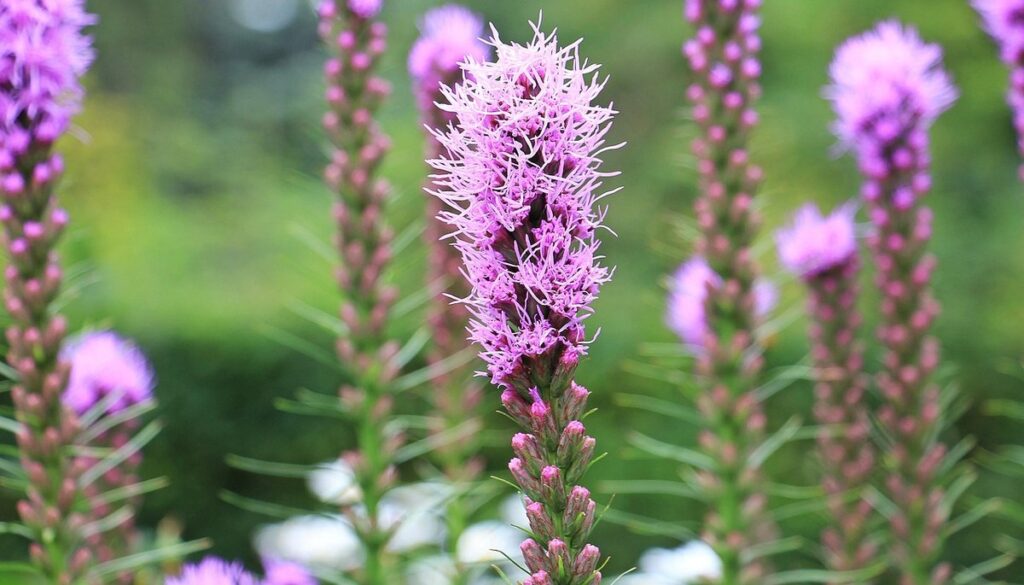
What Are Liatris Spicata Plants?
If you’re new to liatris spicata plants, let’s start at the beginning and explore what makes these beautiful blooms so special and in demand. In this section, we’ll delve into their unique characteristics.
Native Habitat and Distribution
Liatris spicata plants are native to eastern North America, specifically in the United States and southeastern Canada. They thrive in a variety of habitats, including moist meadows, woodland edges, and along streams and rivers. The ideal geographical range for these plants is from New York to Alabama, and westward to Illinois.
These plants prefer well-drained soil that is rich in organic matter, such as humus or compost. Sandy loams and clay-loam soils are suitable for Liatris spicata, but they cannot tolerate waterlogged conditions. In terms of climate preferences, these plants thrive in full sun to partial shade, with average temperatures ranging from 65°F to 90°F (18°C to 32°C). They can survive temperatures as low as -20°F (-29°C) and as high as 95°F (35°C), making them relatively hardy.
When growing Liatris spicata plants in your garden, it’s essential to replicate their native habitat. Choose a spot with well-drained soil and full sun to partial shade. Add organic matter like compost or humus to improve soil quality and drainage. By mimicking the natural environment of these plants, you’ll be more likely to see them thrive and produce vibrant purple flowers in mid-to-late summer.
Identifying Characteristics
Liatris spicata plants are easily recognizable due to their distinctive features. One of the most striking characteristics is their vibrant purple flowers that bloom from mid-summer to early fall. These flowers are typically 2-4 inches long and grow in a dense spike, making them a popular choice for cut flower arrangements.
In addition to their showy blooms, liatris spicata plants have attractive foliage that remains green throughout the growing season. The leaves are narrow and linear, measuring about 1-2 inches wide and 6-8 inches long. They have a delicate texture and a subtle sheen, adding to the plant’s overall appeal.
When it comes to growth habits, liatris spicata plants tend to grow upright, reaching heights of 2-4 feet. They prefer well-drained soil and full sun, making them an excellent choice for meadows, prairies, or woodland gardens. To identify a liatris spicata plant in the wild, look for its distinctive purple flowers and narrow leaves growing in areas with dry to moist soils.
Benefits of Growing Liatris Spicata Plants
When you grow liatris spicata plants, you’ll enjoy a multitude of benefits that make them a rewarding addition to your garden or indoor space. From improved air quality to enhanced beauty, there’s more to these lovely flowers than meets the eye.
Ornamental Value
One of the most significant advantages of growing Liatris spicata plants is their ornamental value. These stunning flowers are a favorite among gardeners and landscape designers due to their unique shape, vibrant colors, and versatility. In landscaping and gardening, Liatris spicata plants can be used as focal points in perennial borders, adding a touch of elegance and sophistication.
They’re also an excellent choice for cottage gardens, prairie-style plantings, or meadow gardens, where their tall spikes of purple flowers will attract butterflies and hummingbirds. In floral arrangements, the stems of Liatris spicata can be used to add a dramatic pop of color and texture, particularly when paired with complementary blooms like sunflowers or black-eyed Susans.
To maximize the ornamental value of your Liatris spicata plants, choose a location that receives full sun to partial shade. This will ensure optimal flowering and help prevent the plant from becoming leggy. Additionally, consider planting them in groups or massing for a more dramatic effect. By incorporating these striking flowers into your garden design, you’ll add visual interest, movement, and a touch of whimsy that’s sure to delight both you and your visitors.
Wildlife Attraction
Growing Liatris spicata plants not only adds beauty and charm to your garden, but it also attracts a variety of wildlife, making it an excellent choice for nature enthusiasts. As a food source, Liatris spicata provides essential nutrients for pollinators like butterflies, bees, and hummingbirds.
These birds are particularly drawn to the plant’s long, tube-shaped flowers, which contain nectar that is rich in energy. Butterflies, on the other hand, find the plant’s flowers an ideal source of protein-rich pollen. Bees also benefit from Liatris spicata as they collect its nectar and pollen to feed their hives.
To attract wildlife to your garden, it’s essential to create a welcoming environment for these creatures. Plant multiple Liatris spicata plants in close proximity, allowing them to bloom at different times, ensuring a constant source of food for pollinators throughout the growing season.
Growing Liatris Spicata Plants
To successfully grow liatris spicata plants, you’ll need to understand their specific needs and how to provide optimal conditions for healthy growth. This section outlines key considerations for nurturing your blooms.
Planting Conditions
When planting Liatris spicata, it’s essential to choose a location that provides the right conditions for optimal growth. When it comes to soil type, Liatris spicata prefers well-draining soil that is rich in organic matter. Avoid planting in areas with heavy clay or sandy soils, as these can cause waterlogging and nutrient deficiencies.
In terms of sun exposure, Liatris spicata requires full sun to partial shade. It thrives in locations that receive direct sunlight for at least six hours a day. However, if you live in an area with intense heat, providing some afternoon shade will help prevent scorching.
Watering requirements are also crucial for Liatris spicata. The plant prefers moist soil, but make sure not to overwater. Water your plants when the top inch of soil feels dry to the touch, and avoid getting water on the leaves or crown to prevent fungal diseases. By providing the right planting conditions, you’ll be well on your way to growing healthy and vibrant Liatris spicata plants.
In areas with high rainfall, it’s a good idea to plant in raised beds or mounds to improve drainage. This will help prevent waterlogged soil and root rot.
Propagation Methods
Propagating Liatris Spicata: Choosing the Right Method for You
One of the most rewarding aspects of growing Liatris spicata is sharing it with friends and family through propagation. There are several methods to achieve this, each with its own advantages and requirements. Division is a popular method, especially for established plants. This involves separating the rhizomes or roots of mature plants during the dormant season (winter or early spring). Cuttings from new growth in spring or summer can also be taken, but success rates are lower.
Another option is seed propagation, which is ideal for large-scale production. Liatris spicata seeds germinate quickly and easily when provided with adequate moisture and warmth. However, keep in mind that seed-grown plants may not retain the same characteristics as their parent plants. Regardless of the method chosen, ensure you handle the delicate rhizomes or roots with care to avoid damage. This will significantly increase your chances of successful propagation.
When propagating by division, make clean cuts and gently tease apart the separated sections. Plant them in a well-draining mix and maintain consistent moisture levels. For seed propagation, sow seeds directly into individual pots filled with a suitable medium. Keep the soil moist but not waterlogged, and provide sufficient light for optimal growth.
Care and Maintenance of Liatris Spicata Plants
To keep your Liatris spicata plants thriving, it’s essential to follow some basic care and maintenance tips that will help them reach their full blooming potential. Regular upkeep is key!
Watering and Fertilization
When it comes to watering and fertilizing your Liatris spicata plants, it’s essential to get it right. Overwatering is a common mistake that can lead to root rot and other problems, while underwatering can cause the plant to become stressed.
To water correctly, allow the soil to dry slightly between waterings. Check the moisture level by inserting your finger into the soil up to the first knuckle. If the soil feels dry, it’s time to water. Water thoroughly until you see water coming out of the drainage holes, making sure not to let the pot sit in water.
As for fertilization, Liatris spicata plants benefit from a balanced fertilizer that is high in phosphorus, which promotes blooming. You can use a 10-20-10 or 5-10-10 fertilizer, and apply it according to the manufacturer’s instructions. Feed your plant once a month during the growing season (spring and summer), and skip fertilizing during the dormant period (fall and winter).
Some good options for fertilizers include organic choices like fish emulsion or bone meal. These not only provide essential nutrients but also promote healthy soil biota. Always follow the instructions carefully to avoid over-fertilizing, which can harm your plant.
Pruning and Deadheading
Pruning Liatris spicata plants is crucial for maintaining their height and promoting new growth. Cut back the foliage to about 6 inches from the ground after the plant has finished blooming. This will help prevent seed production, which can exhaust the plant’s energy.
Deadheading involves removing spent flowers to encourage more blooms. To deadhead Liatris spicata, snip off the faded flower spikes at the base of the stem using a pair of sharp pruning shears or loppers. Make clean cuts just above a node (where a leaf meets the stem) to avoid damaging the plant.
Timing is essential when it comes to pruning and deadheading Liatris spicata. Prune in late winter or early spring, before new growth begins, while deadheading should be done regularly throughout the blooming season. By removing spent flowers, you’ll encourage more blooms and prevent the plant from putting energy into seed production.
Deadheading also helps maintain the plant’s appearance by preventing it from looking unkempt. With regular pruning and deadheading, your Liatris spicata will remain healthy, vigorous, and continue to produce those stunning purple spikes all season long.
Common Pests and Diseases Affecting Liatris Spicata Plants
Liatris spicata plants are susceptible to several pests and diseases that can cause damage if left unchecked. Learn how to identify and prevent common issues like powdery mildew and spider mites.
Identification and Prevention
Identifying pests and diseases on your Liatris spicata plant can be challenging, but recognizing early signs is crucial for effective treatment. Start by inspecting the plant regularly, looking out for unusual growth patterns, discoloration, or white powdery patches. Some common pests include spider mites, mealybugs, and aphids, which can be identified by fine webbing, cottony masses, and sticky honeydew droplets.
To prevent infestations, maintain good hygiene practices such as disposing of infected leaves and debris to avoid spreading diseases. Regularly water your plant thoroughly, allowing the soil to dry slightly between waterings. Monitor your plant’s surroundings for pests and consider using physical barriers or insecticidal soap if necessary.
Some common diseases affecting Liatris spicata plants include powdery mildew, root rot, and leaf spot. These can be caused by overwatering, poor air circulation, or contaminated soil. To prevent disease, ensure your plant is receiving sufficient light and has adequate space to breathe. By staying vigilant and taking preventative measures, you can protect your Liatris spicata plant from these common issues.
Treatment Options
If you’ve noticed pests or diseases affecting your Liatris spicata plants, it’s essential to take action quickly to prevent further damage. Treatment options for affected plants can be categorized into organic and chemical methods.
For organic approaches, consider introducing beneficial insects that prey on pests like aphids and whiteflies. Encourage natural predators by providing a balanced ecosystem with native flowers that attract pollinators. Physical barriers, such as fine mesh or fine netting, can also deter flying insects from landing on the plants.
Chemical treatments may be necessary for severe infestations. Copper-based fungicides are often effective against fungal diseases, while neem oil can control soft-bodied pests like mealybugs and spider mites. However, be cautious when using chemical methods as they can harm beneficial organisms or damage plant tissues with repeated applications.
Always follow the product’s instructions carefully and consider the timing of application to minimize harm to your plants. Keep in mind that a combination of both organic and chemical treatments may be necessary for optimal results.
Uses of Liatris Spicata in Decorative Arrangements
When it comes to incorporating liatris spicata into your decorative arrangements, you’ll find that its unique shape and color add a beautiful, whimsical touch. We’ll explore some creative ways to use this stunning plant in your designs.
Floral Arranging
When it comes to incorporating Liatris spicata into floral arrangements, the possibilities are endless. This versatile plant can add a pop of color and texture to any design, making it an excellent choice for creative florists and DIY enthusiasts alike.
One of the key benefits of using Liatris spicata in arrangements is its unique pairing potential with other flowers and foliage. Its tall, stately spikes of purple or white blooms pair particularly well with rustic-themed arrangements featuring wheat, oats, or sunflowers. For a more whimsical look, try combining Liatris with daisies, baby’s breath, or Queen Anne’s lace for a romantic, vintage-inspired arrangement.
To get the most out of your Liatris spicata in floral design, consider the following tips:
* Choose fresh flowers and foliage to ensure maximum vase life.
* Experiment with different textures by combining smooth blooms like roses with the more textured spikes of Liatris.
* Consider using a mix of warm-toned and cool-toned flowers to create visual interest and balance.
Garden Design
When it comes to garden design, Liatris spicata plants can be a stunning addition as a focal point or accent plant. Their unique purple flowers with delicate, almost iridescent petals, create an eye-catching display that can add visual interest to any garden bed or border. To incorporate Liatris spicata into your garden design, consider grouping them together in clusters of 3-5 plants to create a striking focal point.
When used as accent plants, individual Liatris spicata stems can be placed among other flowering perennials, such as coneflowers or black-eyed susans, to add a pop of color and texture. Alternatively, you can also use them as a thriller plant in containers, paired with trailing spillers like sweet potato vines or creeping Jenny.
When selecting Liatris spicata for your garden design, choose plants with healthy, full foliage and plenty of buds to ensure an optimal display of flowers throughout the growing season. Be mindful of their mature size (typically around 2-3 feet tall) and space them accordingly to maintain a balanced visual composition in your garden bed or container arrangement.
Conclusion
As you now have a better understanding of growing and caring for your Liatris Spicata plants, let’s summarize the key takeaways from our comprehensive guide.
Recap of Key Points
Growing Liatris spicata plants requires careful consideration of their unique needs. To recap, we’ve covered the essential points to ensure a thriving plant. Key benefits include its drought tolerance, attractive purple flowers, and versatility as a naturalized or container garden option.
Considerations for growing Liatris spicata plants involve proper soil preparation with well-draining conditions, full sun exposure, and protection from extreme temperatures. We highlighted the ideal hardiness zones (3-9) and USDA plant hardiness zones to help determine if your area is suitable for growth.
To establish a healthy root system, we recommended planting Liatris spicata in spring or fall, allowing time for establishment before winter dormancy. Planting depth was also discussed, emphasizing the importance of 2-3 inches below the soil surface to prevent moisture loss from the crown.
Fertilization needs were touched on, with organic options being more beneficial than synthetic alternatives. This plant’s natural growth habit is low-maintenance, requiring minimal pruning for optimal bloom production. Deadheading can be done to promote continued blooming, but it’s not essential.
In terms of pests and diseases, we mentioned the risks associated with rabbit damage and root rot from overwatering. Regular monitoring and care during extreme weather conditions are crucial in preventing these issues.
Ultimately, growing Liatris spicata plants offers a beautiful yet resilient addition to your garden or outdoor space. By considering their unique needs and following our comprehensive guide, you’ll be well-equipped to enjoy the benefits of this lovely perennial for years to come.
Frequently Asked Questions
How Do I Ensure My Liatris Spicata Plants Are Getting Enough Water?
Make sure the soil is consistently moist, but not waterlogged. Aim for about 1 inch of rainfall or watering per week. During hot summer months, increase watering frequency to keep the soil from drying out.
What Can I Do If Pests Like Japanese Beetles Attack My Liatris Spicata Plants?
Keep an eye out for early signs of infestation and remove any damaged foliage to prevent the pests from spreading. Use neem oil or insecticidal soap to control outbreaks, applying in the evening when the sun is setting.
Can I Grow Liatris Spicata Plants in Containers or Do They Require a Large Garden Bed?
These plants can thrive in containers if provided with well-draining potting mix and adequate space for root growth. Choose a container at least 12 inches deep to accommodate the plant’s taproot.
How Do I Propagate Liatris Spicata Plants from Seed, and What Are the Success Rates?
Liatris spicata plants can be grown from seed, but success rates are lower compared to division or cuttings. Sow seeds indoors in late winter or early spring, using a cold frame or greenhouse to maintain optimal germination temperatures.
Will Liatris Spicata Plants Attract Other Pests Like Mice or Rabbits Once They’re Established?
While these plants attract pollinators and beneficial insects, they are not typically favored by larger pests like mice or rabbits. However, it’s still essential to protect your plants from damage by using physical barriers or repellents as needed.