
If you’re looking to diversify your garden with a nutrient-rich crop, consider growing lentils. These protein-packed legumes are not only easy to grow but also offer numerous health benefits when consumed as part of a balanced diet. With their rich source of fiber and essential minerals, lentils make an excellent addition to meals ranging from hearty stews to salads. But did you know that growing lentils can be done at home? In this article, we’ll take you through the process of growing lentils from seed to plate, covering crucial steps such as selecting the right variety, preparing your soil, and harvesting techniques for optimal yields. By following our guide, you’ll learn how to cultivate high-quality lentils that not only nourish but also delight your senses.
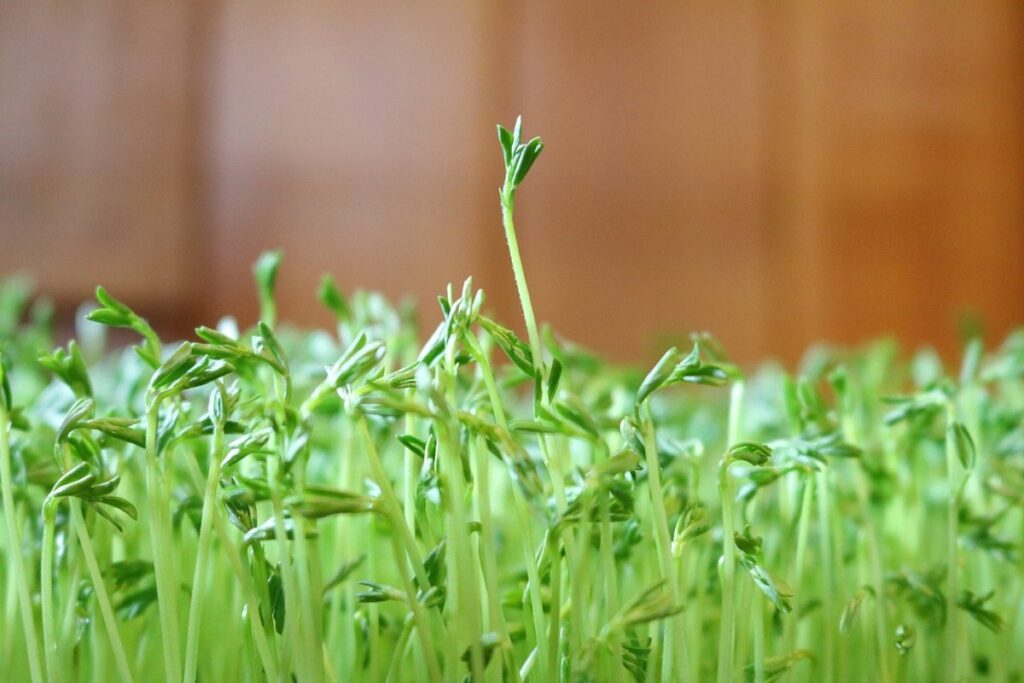
Understanding Lentil Varieties and Their Uses
Let’s take a closer look at the different types of lentils, including their unique characteristics, growth habits, and uses in both cooking and agriculture. This will help you choose the best variety for your garden.
Introduction to Popular Lentil Types
When it comes to growing lentils, understanding the different varieties is crucial for success. Among the many types of lentils available, some stand out as more popular and versatile than others. Let’s take a closer look at four of the most common lentil varieties: green, red, yellow, and beluga.
Green lentils are perhaps the most widely used variety in cooking. They hold their shape well after cooking and have a mild flavor that pairs well with a wide range of spices. Red lentils, on the other hand, break down quickly during cooking and add a rich, earthy flavor to dishes. Yellow lentils are similar to green lentils but slightly sweeter. Beluga lentils are smaller and darker than other varieties, with a distinctive flavor that’s often described as nutty.
When choosing which variety of lentil to grow, consider the recipes you plan to use them in. For example, if you’re planning to make Indian-inspired dishes like dal or curry, green or red lentils may be your best bet. If you prefer Mediterranean-style cuisine, yellow lentils could be a good choice.
Choosing the Right Lentil Variety for Your Needs
When selecting lentil varieties for growing, consider your desired nutritional content, flavor, and texture. Red lentils are high in protein and fiber but can become mushy when cooked. Green lentils, on the other hand, retain their shape better and have a slightly peppery taste.
For a higher nutritional value, choose lentil varieties with high antioxidant content like Pardina or Beluga. These lentils have a rich, earthy flavor that pairs well in stews and curries. If you’re looking for a milder taste, Masoor or Brown lentils are good options.
To ensure the best flavor and texture, consider your climate and soil type. Green lentils thrive in cooler temperatures and can tolerate some frost, while red lentils prefer warmer conditions. Research specific growing requirements for your chosen variety to avoid disappointment.
When selecting lentil seeds, also consider factors like disease resistance and shelf life. Some varieties are more prone to pests or diseases than others. Be sure to purchase high-quality seeds from a reputable supplier to ensure the best chances of success in your lentil-growing endeavors.
Soil Preparation and Lentil Cultivation
To grow delicious and healthy lentils, it’s crucial to prepare your soil correctly. This involves selecting a suitable location and loosening the earth to create an optimal environment for your crop to thrive.
Preparing the Soil for Optimal Growth
When it comes to growing lentils, preparing the soil is a crucial step that can make all the difference between a bountiful harvest and a disappointing yield. Lentils require specific conditions to thrive, so let’s dive into the essential soil requirements.
First and foremost, lentils prefer well-draining soils with a pH between 6.0 and 7.5. If your soil is too acidic or alkaline, it can lead to nutrient deficiencies and reduced yields. To check your soil pH, you can use a DIY kit or send a sample to a lab for analysis.
In terms of nutrients, lentils require a balanced mix of nitrogen (N), phosphorus (P), and potassium (K). A general rule of thumb is to apply 10-20 kg/ha of N, 5-10 kg/ha of P, and 10-15 kg/ha of K. However, the exact requirements will depend on your soil type and climate.
Moisture levels are also crucial for lentil growth. Aim for about 400-500 mm of rainfall or irrigation per growing season, with consistent moisture throughout the crop cycle. Avoid overwatering, as this can lead to root rot and other problems. By getting these basics right, you’ll be well on your way to a successful lentil harvest!
Planting Lentils: Sowing Techniques and Spacing
When it comes to planting lentils, timing is crucial. In most regions, spring and fall are ideal seasons for sowing lentils. Spring planting typically takes place from March to May, depending on your location’s climate and temperature conditions. For areas with a short growing season, consider sowing in early spring or late summer for an extended harvest period.
To ensure even growth, space lentil seeds 1-2 inches apart, and 4-6 inches between rows. This allows for proper air circulation and sunlight penetration, which are essential for healthy plant development. When planting in rows, use a seed drill or a garden rake to create shallow furrows about 1 inch deep.
For optimal results, maintain soil moisture levels during the germination period. Lentils typically take around 7-10 days to sprout, after which they can tolerate some drought conditions. Keep your soil consistently moist but not waterlogged, as this can lead to rot and disease issues.
Care and Maintenance for Healthy Lentil Plants
To keep your lentil plants thriving, it’s essential to understand how to care for them properly, including irrigation, pruning, and pest management techniques. Regular maintenance will ensure a bountiful harvest.
Irrigation and Water Management Strategies
Proper irrigation and water management are crucial for growing healthy lentil plants. Lentils require consistent moisture, especially during germination and flowering stages, but excessive watering can lead to disease and root rot. To achieve the right balance, consider using drip irrigation or soaker hoses, which deliver water directly to the roots while minimizing evaporation and runoff.
As a general rule of thumb, lentil plants need about 1-2 inches of water per week, either from rainfall or irrigation. However, the amount of water needed can vary depending on climate, soil type, and temperature. In areas with high temperatures, lentils may require more frequent watering to prevent stress. Conversely, in cooler climates, they may need less.
When faced with drought conditions, look for signs of stress such as yellowing leaves or wilting stems. At the first sign of distress, provide supplemental irrigation to keep the plants hydrated. It’s also essential to maintain a well-draining soil profile by incorporating organic matter and using mulch to retain moisture while preventing waterlogged conditions. By mastering these irrigation strategies, you can help your lentil plants thrive in even the most challenging environments.
Managing Pests and Diseases in Lentil Fields
As a lentil grower, it’s essential to be aware of common pests and diseases that can affect your crop. Aphids, whiteflies, and spider mites are frequent visitors to lentil fields, sucking sap from the plants and weakening them. To prevent infestations, ensure good air circulation around your plants and avoid overwatering. Regularly inspect your fields for signs of pests, such as sticky honeydew droplets or fine webbing.
Fungal diseases like powdery mildew and rust are also prevalent in lentil crops. These can be prevented by maintaining optimal watering schedules, avoiding overhead irrigation, and removing any debris from the field. If you notice yellowing leaves, powdery patches, or rust-colored spores on your plants, take action promptly.
To treat infestations or diseases, use integrated pest management (IPM) techniques, combining physical barriers, cultural controls, and chemical controls as needed. Monitor your fields regularly to catch issues early, and consider using crop rotation strategies to reduce disease pressure in subsequent seasons. By being proactive and vigilant, you can minimize the impact of pests and diseases on your lentil harvest.
Harvesting and Processing Lentils
Now that you’ve successfully grown your lentil crop, it’s time to reap what you’ve sown – literally! In this next step, we’ll walk you through the process of harvesting and processing your hard-earned lentils.
Identifying Mature Lentils and Timing the Harvest
As you approach harvest time for your lentil crop, it’s essential to identify mature lentils and timing the harvest correctly. One of the key visual indicators is the color change of the pods. Mature lentils typically turn from a greenish-yellow hue to a more golden-brown color. However, this can vary depending on the specific variety you’re growing.
To ensure optimal quality, inspect the pods regularly for signs of moisture loss and dryness. You’ll also want to check for any physical damage or disease that may have affected the crop during its growth cycle. To do this, gently pull a few pods from the plant and examine them closely.
A good rule of thumb is to wait until at least 90% of the lentils are fully mature before harvesting. This allows you to catch the majority of the crop in optimal condition, while also minimizing any potential losses due to weather damage or disease. With practice, you’ll develop a keen eye for spotting when your lentil crop has reached maturity, and timing the harvest accordingly will ensure the best possible quality.
Post-Harvest Handling and Storage Techniques
Proper post-harvest handling and storage techniques are crucial to maintaining the quality and freshness of lentils. After harvesting, it’s essential to dry the lentils quickly to a moisture level below 13%. This can be achieved by spreading them out in a single layer on clean, dry tarps or trays, allowing air to circulate freely.
Once dried, remove any debris or impurities using a series of sieves with decreasing mesh sizes. Be sure to clean the lentils thoroughly, as even small amounts of dirt or moisture can lead to spoilage.
For long-term storage, it’s recommended to package lentils in airtight containers made of materials like Mylar or foil-lined bags. These will help prevent oxygen from entering and spoiling the lentils. Store them in cool, dry areas away from direct sunlight, with temperatures between 40°F to 60°F (4°C to 15°C) for optimal preservation.
When storing large quantities, consider using moisture-absorbing packets or silica gel to maintain a stable humidity level. This will prevent condensation and subsequent spoilage due to excess moisture.
Nutrition and Health Benefits of Lentils
Lentils are not only a great addition to your garden, but they’re also incredibly nutritious for you! This section explores the amazing health benefits lentils provide when consumed as part of a balanced diet.
The Nutritional Profile of Lentils
Lentils are an incredibly nutritious legume that deserves special attention when it comes to their nutritional profile. As a grower of lentils, understanding the high protein, fiber, and mineral values they provide can be beneficial for both personal consumption and potential market appeal.
On average, one cup of cooked lentils contains about 18g of protein, making them an excellent source of plant-based protein. This is particularly significant for vegetarians and vegans who rely on legumes as a primary source of protein in their diets. Additionally, lentils are rich in dietary fiber, containing up to 16g per cup. This high fiber content can help lower cholesterol levels, regulate blood sugar, and promote digestive health.
In terms of mineral values, lentils are a good source of iron, potassium, and phosphorus. Iron is essential for healthy red blood cells, while potassium helps maintain healthy blood pressure. Phosphorus plays a crucial role in maintaining strong bones and teeth. With their impressive nutritional profile, it’s no wonder that lentils have gained popularity as a superfood in recent years.
Exploring the Health Benefits of Regular Lentil Consumption
Incorporating lentils into your diet can have a significant impact on your overall health. As you’re growing lentils, it’s essential to explore the potential benefits associated with their consumption. Studies have shown that regular lentil intake can reduce the risk of chronic diseases such as heart disease and type 2 diabetes.
One key benefit of lentils is their high fiber content, which can help lower cholesterol levels and improve digestion. A single serving of cooked lentils contains up to 15g of dietary fiber. This can be particularly beneficial for individuals who struggle with constipation or are looking to manage blood sugar levels.
Incorporating lentils into your meals is relatively easy. Start by adding them to soups, stews, and curries. You can also use them as a protein-rich substitute in dishes like veggie burgers or meatballs. A good rule of thumb is to aim for 1/4 cup of cooked lentils per serving. Experiment with different recipes and portion sizes to find what works best for you.
Conclusion: Tips for Success in Growing Lentils
Now that you’ve made it through our comprehensive guide, here’s where we’ll distill everything down to actionable tips for a successful lentil harvest. Let’s get started!
Overcoming Common Challenges in Lentil Cultivation
When cultivating lentils, you may encounter common challenges that can hinder their growth and yield. One of the most significant issues is poor soil quality. Lentil plants require a well-draining soil with a pH between 6.0 and 7.5. If your soil is too acidic or alkaline, it can affect nutrient uptake, leading to stunted growth.
Pests and diseases are another major concern in lentil cultivation. Aphids, whiteflies, and spider mites are common pests that can feed on the plant’s sap, causing damage. To control these pests, use organic methods such as introducing beneficial insects or spraying neem oil. Fungal diseases like powdery mildew and rust can also affect lentils. Regularly inspect your plants and remove any infected leaves to prevent the spread of disease.
To overcome these challenges, ensure you provide optimal growing conditions for your lentil plants. This includes maintaining a consistent moisture level, providing adequate sunlight, and controlling weeds that compete with your crops for resources.
Encouraging Sustainable Practices in Lentil Farming
As you’ve learned throughout this comprehensive guide on growing lentils, adopting sustainable practices is essential for long-term crop success. Encouraging environmentally friendly techniques not only benefits the planet but also ensures the health and productivity of your lentil crop.
One crucial aspect to consider is soil conservation. Lentils are a legume that fixes nitrogen in the soil, reducing the need for synthetic fertilizers. To maximize this benefit, incorporate cover crops into your rotation schedule. These plants, such as winter rye or clover, help retain moisture and suppress weeds while providing a nutrient-rich environment for lentil growth.
Additionally, consider adopting drip irrigation systems to minimize water waste and reduce evaporation. This targeted watering approach allows you to deliver exactly what your crop needs, reducing the risk of overwatering and promoting healthy root development.
Implementing these sustainable practices not only supports the health of your lentils but also contributes to a more environmentally friendly farming system.
Frequently Asked Questions
Can I grow lentils indoors if I don’t have a lot of outdoor space?
Yes, you can grow lentils indoors, provided you provide them with sufficient light and maintain optimal temperatures (around 60-70°F). However, keep in mind that indoor conditions might not replicate the same quality as field-grown lentils. Choose compact varieties like ‘Beluga’ or ‘Red’ for smaller spaces.
How do I protect my lentil crop from pests and diseases?
Integrate organic pest control methods into your cultivation routine by using neem oil, diatomaceous earth, or introducing beneficial insects to your garden. Regularly inspect your plants for signs of disease like yellowing leaves or powdery mildew. Remove affected areas promptly to prevent the spread.
What’s the ideal pH range for growing lentils?
Lentils prefer a slightly acidic to neutral soil pH (around 6.0-7.5). Avoid over-treating your soil with fertilizers, as this can lead to nutrient imbalances and affect plant growth. Use a pH test kit to monitor your soil conditions and make adjustments accordingly.
Can I harvest lentils multiple times from the same crop?
Yes, you can practice relay cropping or intercropping by planting a new crop of lentils in between harvested rows. This technique allows for continuous yields without depleting the soil’s nutrients. However, ensure that the second crop matures before harvesting to avoid damaging the young plants.
How do I store lentils after harvest to preserve their quality?
Store lentils in an airtight container, away from direct sunlight and moisture. You can also consider freezing them for longer-term preservation. To prevent spoilage, keep your storage area clean, dry, and cool (around 40-50°F). Label containers with the date of harvest for better organization and rotation.