
If you’re looking to add a touch of tropical flavor to your cooking or create natural remedies in the comfort of your own home, growing lemongrass from seeds is a great place to start. Not only does lemongrass offer a multitude of benefits for both body and soul, but it’s also surprisingly easy to cultivate with the right guidance.
In this article, we’ll dive into the world of lemongrass seeds, covering various varieties, care tips, and techniques for a bountiful harvest. You’ll learn about the culinary uses and herbal remedies that have made lemongrass a staple in many cultures around the globe. From its numerous health benefits to its versatility in cooking and medicine, we’ll explore it all, so you can reap the rewards of growing your own lemongrass from seed.
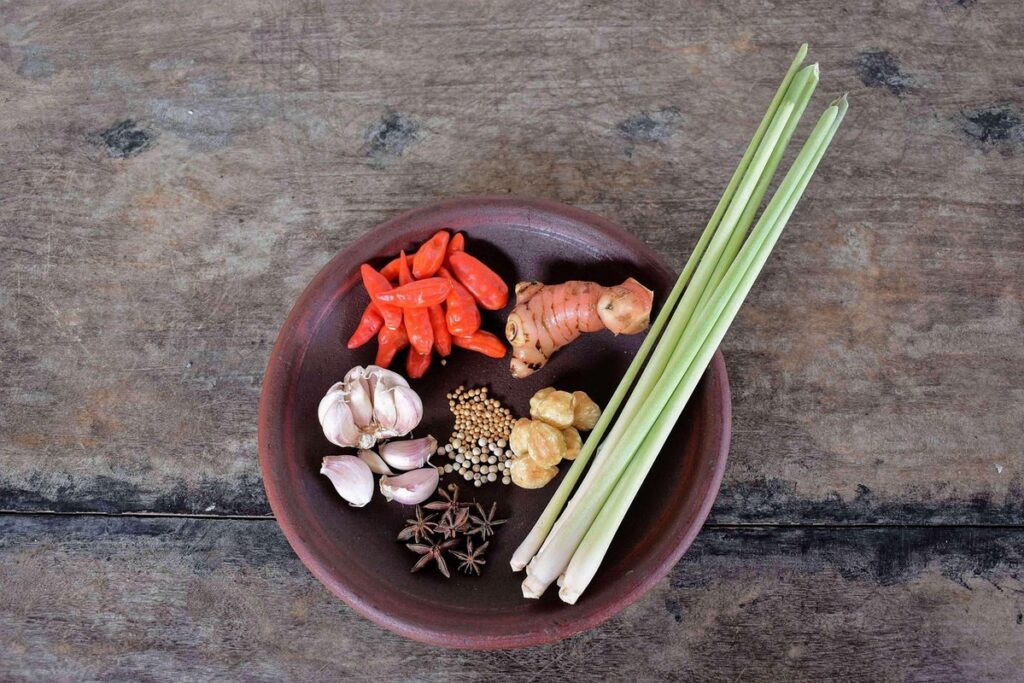
What Are Lemongrass Seeds?
Lemongrass seeds are the tiny beginnings of a tropical wonder, packed with citrusy flavor and aroma that’s waiting to be unlocked. Let’s dive into what these tiny seeds have to offer.
Benefits of Growing from Seeds
Growing lemongrass from seeds is a great way to cultivate this versatile herb, and it offers several benefits over other methods. For one, it’s incredibly cost-effective. By starting with seeds, you can buy small packets for pennies on the dollar compared to buying seedlings or established plants. This makes it an ideal choice for gardeners on a budget.
Another advantage is that seeds have higher germination rates than seedlings. According to the University of Florida’s Extension office, lemongrass seeds typically have a 90% germination rate when given proper conditions. In contrast, seedlings can be more finicky and may not adapt as easily to their new environment.
To reap these benefits, simply follow the basic steps for starting lemongrass from seeds: sow them in well-draining soil with plenty of moisture, provide warm temperatures between 65-80°F (18-27°C), and keep the area consistently moist but not waterlogged. With a little care and patience, you’ll be enjoying fresh lemongrass leaves and stalks in no time – all for a fraction of the cost!
Choosing the Right Variety
When it comes to choosing lemongrass seeds, you’ll find that there are several varieties available. Some of the most popular types include ‘East Indian’, ‘West Indian’, and ‘Malaysian’. Each variety has its own unique characteristics, which can affect the flavor, aroma, and texture of your final product.
For example, ‘East Indian’ lemongrass seeds produce plants with a more robust flavor profile, while ‘West Indian’ seeds yield plants with a milder taste. ‘Malaysian’ seeds are often used in teas and infusions due to their delicate flavor. Consider the intended use for your lemongrass when choosing a variety.
Some other factors to consider include climate, soil type, and desired growth habit. If you’re growing lemongrass in a hot and humid climate, ‘East Indian’ or ‘Malaysian’ seeds may be a good choice. For cooler climates, ‘West Indian’ seeds might be more suitable.
When selecting a variety, also think about the space available for your plants to grow. Some varieties are compact and can thrive in small pots, while others require more room to spread out.
How to Grow Lemongrass from Seeds
Growing lemongrass from seeds can be a bit tricky, but don’t worry, we’ve got you covered. In this part of our guide, we’ll walk you through the step-by-step process to successfully grow lemongrass from seeds.
Preparing the Soil and Containers
Before planting lemongrass seeds, it’s essential to prepare the soil and containers for optimal growth. Lemongrass prefers well-draining soil with a pH between 6.0 and 7.5. If your local soil is too dense or alkaline, mix in some organic matter like compost or perlite to improve drainage.
For container gardening, choose pots that are at least 12-15 inches deep to accommodate the lemongrass’s extensive root system. Use a high-quality potting mix specifically designed for tropical plants like lemongrass. Avoid using regular garden soil, as it can be too dense and may cause waterlogging.
Drainage is crucial when growing lemongrass. To ensure excess water doesn’t accumulate in the container, add some broken pottery or small rocks to the bottom of the pot. This will allow for proper drainage while preventing soil from washing away.
When selecting containers, consider using clay pots or terracotta planters with built-in drainage holes to prevent waterlogging and promote healthy root growth.
Sowing and Watering
Sowing lemongrass seeds requires attention to detail, but with the right techniques, you’ll be on your way to growing a lush and fragrant lemongrass plant. Start by sowing the seeds about 1/4 inch deep in well-draining seed starting mix. Space them about 6-8 inches apart, as this will give them room to grow without overcrowding.
Water the soil gently but thoroughly after sowing the seeds. Keep the soil consistently moist during the first few weeks after germination, which typically takes 7-10 days. As the plants grow, reduce watering to once a week, making sure the top inch of soil is dry before re-watering.
A general rule of thumb for lemongrass is to water when the top inch of soil feels dry to the touch. Overwatering can lead to root rot and other issues. Stick to this schedule, and you’ll be rewarded with healthy, thriving plants that will produce fragrant stalks and delicious leaves. Keep in mind that lemongrass prefers well-draining soil and full sun, so ensure your plants are receiving the right conditions for optimal growth.
Providing Suitable Conditions
To grow lemongrass successfully from seeds, it’s essential to provide suitable conditions that mimic its natural habitat. Lemongrass thrives in warm and humid environments, typically found in tropical regions. When growing indoors, you can replicate this environment by maintaining a temperature between 65°F to 90°F (18°C to 32°C). Avoid placing your lemongrass plants near drafty windows or air conditioning vents, as sudden changes in temperature can stress the plant.
In terms of light, lemongrass prefers bright, indirect light. A south-facing window with a sheer curtain is ideal for providing the necessary light without causing scorching. If you’re growing under artificial lighting, use LED grow lights that emit a spectrum similar to natural sunlight.
Maintaining humidity levels between 50% to 70% will also help your lemongrass plants thrive. You can increase humidity by placing the pot on a tray filled with water and pebbles or using a humidifier nearby. Remember, consistent moisture is crucial for healthy growth, so ensure the soil remains moist but not waterlogged.
Lemongrass Care and Maintenance
To keep your lemongrass plants thriving, it’s essential to understand how to properly care for them, including watering, pruning, and providing adequate sunlight.
Pruning and Harvesting
Pruning lemongrass regularly is essential for maintaining its shape, promoting healthy growth, and encouraging new shoots to emerge. To prune your lemonggrass, simply cut back the mature stalks to about an inch above the base of the plant using a sharp knife or pruning shears. This will help control the height and encourage branching, making it easier to harvest individual stalks.
Harvesting is best done when the lemongrass is mature and the leaves are a deep green color. Cut back the entire plant to about 2-3 inches above the base, leaving only a few inches of stem intact. This will allow new growth to emerge from the center of the plant. You can harvest individual stalks as needed by cutting them off at the base with scissors or pruning shears.
For optimal yield and plant health, it’s essential to prune and harvest lemongrass regularly throughout its growing season, which typically lasts around 3-4 months. Regular maintenance will help prevent overgrowth and promote continuous production of new shoots and leaves.
Pest and Disease Management
When growing lemongrass from seeds, it’s essential to be aware of common pests and diseases that can affect the plant. One of the most prevalent pests is the aphid, which feeds on the plant’s sap and can cause curled or distorted leaves. To control aphids, use neem oil or insecticidal soap, and spray it directly on the affected areas.
Another pest to watch out for is the spider mite, which can cause yellowing of leaves and a fine webbing on the soil surface. Control spider mites by increasing humidity around the plant and using a miticide as a last resort.
Diseases such as root rot and leaf spot are also common in lemongrass. Root rot occurs when the roots are waterlogged, causing them to decay. To prevent this, make sure the pot has good drainage holes and avoid overwatering. Leaf spot is caused by fungi that can be spread through contaminated water or infected plants. Treat leaf spot with a fungicide specifically designed for lemongrass.
Regularly inspect your plant for signs of pests or diseases and take action promptly to prevent infestations from spreading. With proper care, lemongrass plants are generally resistant to most common pests and diseases, but being vigilant is crucial in maintaining their health.
Fertilization and Soil Care
To maintain healthy lemongrass growth, it’s essential to provide your plant with the right nutrients at the right time. A balanced fertilizer should be applied during the growing season, which typically spans from spring to fall. We recommend using a water-soluble fertilizer that contains nitrogen, phosphorus, and potassium (NPK) in a ratio of 20-5-10.
For soil care, make sure your lemongrass plant has well-draining soil with a pH between 6.0 and 7.0. You can mix in some organic matter like compost or manure to improve the soil‘s fertility and structure. Avoid over-fertilizing, as this can lead to weak growth and reduced yields.
Here are some specific fertilization schedules to follow:
* Fertilize young lemongrass plants (less than 6 inches tall) every 1-2 weeks with a diluted fertilizer solution (half the recommended strength).
* For mature lemongrass plants, apply fertilizer once a month during the growing season.
* During periods of high growth or stress (e.g., after harvesting), increase fertilization frequency to every 7-10 days.
Using Lemongrass Seeds in Cooking and Crafting
Now that you have a healthy crop of lemongrass, let’s explore some creative ways to use its seeds in cooking and crafting projects. From flavorful dishes to handmade soaps, we’ll cover it all.
Culinary Uses
When it comes to using lemongrass seeds in cooking, the possibilities are endless. You can incorporate fresh or dried lemongrass into a variety of dishes, from savory soups and marinades to sweet desserts.
Start by experimenting with traditional Thai recipes like Tom Yum soup, where lemongrass adds a bright, citrusy flavor to the spicy broth. You can also use it as a marinade for grilled meats or seafood, adding a fragrant and herbaceous note to your dishes.
But don’t stop at savory options – lemongrass pairs surprisingly well with sweet ingredients like coconut milk and honey. Try making a Thai-inspired dessert like mango sticky rice, where the subtle bitterness of lemongrass balances out the sweetness of the fruit and rice.
For a more subtle lemongrass flavor, try using dried lemongrass in tea blends or infused oils. Simply steep the dried lemongrass in hot water for 5-7 minutes to release its fragrant oils, then strain and use as a base for soups or stews. You can also add it to your favorite salad dressings or sauces for an extra boost of citrusy flavor.
Herbal Remedies and Crafts
Lemongrass has been used for centuries in traditional medicine to treat various ailments. Its essential oils are rich in antioxidants and have anti-inflammatory properties, making it a popular ingredient in herbal remedies. You can use lemongrass to soothe digestive issues or reduce fever by making a tea infusion. Steep 1-2 tablespoons of dried lemongrass in boiling water for 5-7 minutes.
To make a calming bath soak, combine lemongrass essential oil with other herbs like chamomile and lavender. For a relaxing experience, add 10 drops of lemongrass oil to your bathwater along with Epsom salt. This blend can help reduce stress and promote better sleep.
You can also use lemongrass in potpourri blends or as a natural air freshener by mixing it with other dried flowers like rose petals and orange slices. To create a homemade air freshener, mix 1 cup of water with 10 drops of lemongrass essential oil and spray it around your home.
Lemongrass is a versatile herb that can be used in various crafts, from making natural perfumes to creating herbal wreaths. Experiment with different recipes and find ways to incorporate lemongrass into your daily life for its medicinal benefits and calming properties.
Lemongrass Seeds vs. Purchased Plants
When deciding how to grow lemongrass, you’re likely considering whether to start from seeds or purchase a plant already established. This section compares the benefits of each approach.
Advantages of Growing from Seeds
Growing lemongrass from seeds offers several advantages over purchasing established plants. For one, it’s significantly more cost-effective. A packet of high-quality lemongrass seeds can cost between $2 to $5, while a single potted lemongrass plant can range from $10 to $20 or more. This difference in price is substantial, especially when considering you can harvest multiple stalks from a single seedling.
Another benefit of growing lemongrass from seeds is the ability to control the quality and genetic makeup of your plants. When purchasing established plants, there’s always a risk that they might not thrive in your specific environment or may be susceptible to pests or diseases. Seeds allow you to choose the variety best suited to your needs, ensuring higher germination rates and healthier growth.
With proper care and conditions, lemongrass seeds can have germination rates of up to 80%, significantly higher than the average rate for purchased plants. This not only saves money but also provides a sense of satisfaction from nurturing your own seedlings into mature, fragrant lemongrass stalks.
Tips for Buying Healthy Seedlings
When buying seedlings or nursery-bought lemongrass plants, it’s essential to choose healthy ones for optimal growth. Healthy seedlings typically have firm, compact leaves and stems with no signs of pests or diseases. Check the roots for a good balance between roots and stem – if the roots are too long, it may indicate root bound conditions.
To inspect the plant thoroughly, gently remove the seedling from its pot and examine the roots. Make sure there’s enough room in the container for the roots to grow without becoming tangled or circling around the inside of the pot. Avoid plants with yellowing leaves, as this can be a sign of overwatering or nutrient deficiency.
When purchasing nursery-bought lemongrass plants, look for those with a well-established root system and plenty of healthy foliage. Choose plants that are disease-free and free from pests like spider mites or mealybugs. Healthy seedlings will have a strong, upright growth habit and should not be leggy or sparse.
By selecting high-quality seedlings or nursery-bought lemongrass plants, you’ll set your plant up for success and ensure a bountiful harvest of fresh lemongrass.
Troubleshooting Common Issues with Lemongrass
If you’re experiencing problems with your lemongrass plants, this section will walk you through common issues and offer practical solutions to get your crop back on track. We’ll cover everything from pests to poor growth.
Pests and Diseases Identification
Pests such as spider mites, mealybugs, and scale can be a problem for lemongrass plants. These tiny insects feed on the plant’s sap, causing yellowing leaves and stunted growth. To identify pests, check the undersides of leaves and stems for eggs, webs, or actual insects.
Diseases affecting lemongrass include root rot caused by overwatering, leaf spot caused by fungal infections, and rust caused by high humidity. Look for soft, mushy roots or a sudden drop in plant performance as indicators of disease. Regularly inspect your plants for signs of infestation or infection and take action promptly.
To control pests, remove affected areas, increase air circulation, and spray with insecticidal soap or neem oil. For diseases, adjust watering habits, improve soil drainage, and apply fungicides if necessary. Monitor your plants regularly to prevent the spread of disease.
It’s essential to recognize the signs of common pests and diseases early on to take effective action. Regularly inspecting your lemongrass plants will help you catch issues before they become severe and ensure a healthy harvest.
Soil and Watering Issues
When growing lemongrass from seeds, you may encounter issues related to soil and watering. Soil problems can lead to root rot, a common issue that causes the roots to decay and eventually kill the plant. This is often caused by overwatering, which allows moisture to accumulate in the soil and create an ideal environment for fungal growth.
Nutrient deficiencies are another common problem. If your lemongrass plants aren’t receiving enough nutrients, they may begin to yellow or drop leaves. To address this issue, make sure your potting mix is well-draining and contains a balanced blend of fertilizers. You can also use a fertilizer specifically formulated for tropical plants like lemongrass.
To prevent root rot, ensure the soil isn’t waterlogged by allowing it to dry slightly between waterings. Monitor the temperature and humidity levels in your growing area, as these can also contribute to root rot. Keep an eye out for signs of nutrient deficiencies, such as yellowing leaves or stunted growth, and adjust your fertilization schedule accordingly.
Some lemongrass varieties are more prone to root rot than others, so research specific care requirements for the variety you’re growing. By taking preventative measures and monitoring your plants regularly, you can avoid common soil and watering issues and enjoy a healthy, thriving crop of lemongrass.
Conclusion and Future Uses
Now that you’ve learned how to grow and use lemongrass, let’s explore its exciting possibilities for the future and how it can enhance your cooking and wellness routines.
Recap of Key Takeaways
Growing lemongrass from seeds requires patience and careful attention to detail. By now, you should have a solid understanding of the process involved in cultivating this versatile herb. To recap, we’ve covered essential topics such as selecting the right variety for your climate and purpose, preparing the soil, sowing the seeds, and providing optimal growing conditions.
You know that lemongrass seeds typically take 7-10 days to germinate and require consistent moisture during their first few weeks of growth. We also discussed how to propagate lemongrass through division or stem cuttings for a more efficient harvest.
In terms of using your harvested lemongrass, you can enjoy it in various forms – fresh, dried, or frozen. You can add it to soups, stews, and marinades for its citrusy flavor or use it in traditional medicine for its antiseptic properties. By applying the knowledge outlined in this guide, you’re well-equipped to successfully grow lemongrass from seeds and explore its numerous uses in cooking, herbal remedies, and beyond.
Exploring New Ways to Use Lemongrass Seeds
As you’ve explored the world of lemongrass seeds with us, we hope you’re inspired to think outside the box and push the boundaries of what’s possible with these versatile little packets. Lemongrass seeds are more than just a commodity for growing lemongrass plants – they hold endless potential for innovation and experimentation.
Consider using lemongrass seeds as a natural dye agent, infusing fabrics with their vibrant citrus hue. This technique has already been employed by crafty entrepreneurs who’ve created beautiful textiles that showcase the plant’s unique properties. For instance, you can try mixing crushed lemongrass seeds with alum to create a sustainable dye for cotton and silk.
Another exciting area of research involves using lemongrass seeds as a biopesticide. Studies have shown that compounds extracted from these seeds exhibit potent insecticidal activity against common pests like mosquitoes and aphids. While we’re not yet at the stage where you can buy lemongrass seed-based pesticides, it’s an intriguing concept with significant implications for sustainable agriculture.
So don’t be afraid to dig in, experiment, and share your discoveries! What will you come up with next?
Frequently Asked Questions
Can I grow lemongrass from seeds indoors?
Yes, you can grow lemongrass from seeds indoors, but it requires specific conditions. Make sure your container has good drainage, provides enough light (at least 4-6 hours of direct sunlight), and maintains a warm temperature between 65°F to 75°F (18°C to 24°C). Keep the soil consistently moist but not waterlogged.
How long does it take for lemongrass seeds to germinate?
Lemongrass seeds typically take around 7-14 days to germinate, depending on factors like temperature and humidity. Keep the soil warm (around 70°F/21°C) and consistently moist during this period. Monitor your seedlings daily, and you should see signs of growth within a week or two.
Can I use lemongrass seeds for herbal remedies if they’re not fully mature?
While it’s possible to use immature lemongrass leaves for teas and infusions, the potency and flavor may vary. For optimal results, wait until your lemongrass plants have reached maturity (around 6-8 months after sowing) before harvesting the stalks for herbal remedies.
How do I prevent pests from damaging my lemongrass crop?
To prevent pests like aphids, whiteflies, and spider mites, maintain good garden hygiene by regularly inspecting your plants and removing any affected areas. Use neem oil or insecticidal soap as a natural deterrent, and consider introducing beneficial insects like ladybugs or lacewings to control pest populations.
Can I use lemongrass seeds for cooking if they’re not fully grown?
While it’s technically possible to use immature lemongrass leaves for cooking, the flavor and texture may be less desirable. Wait until your plants have reached maturity before harvesting the stalks for culinary uses. This will ensure a more robust and citrusy flavor in your dishes.