
Growing your own herbs can be incredibly rewarding, but some plants require more attention than others. Lemon balm is one such herb that needs careful consideration to thrive in your garden. With its delicate flavor and fragrant aroma, it’s a popular choice for herbal teas and culinary creations, but its growing requirements are often misunderstood. Choosing the right variety of lemon balm is essential, as some types are more tolerant of heat or drought than others. In this article, we’ll share expert tips on how to cultivate lemon balm in your garden, from selecting the perfect plant to pruning and harvesting techniques that will keep it healthy and productive all season long.
Understanding Lemon Balm Basics
To grow lemon balm successfully, you need a solid foundation of its basic characteristics and requirements. Let’s start by understanding what makes lemon balm thrive in your garden.
What is Lemon Balm?
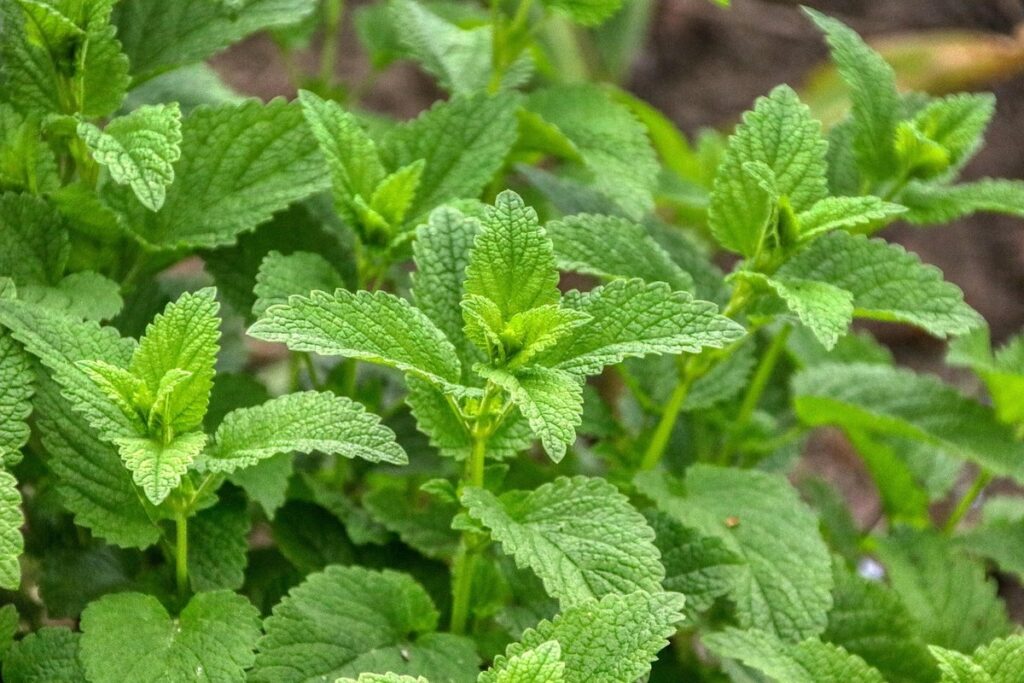
Lemon balm is a member of the mint family, which also includes popular herbs like peppermint and basil. Native to Europe and western Asia, lemon balm has been used for centuries in cooking and herbal medicine due to its unique flavor and fragrance. The herb is characterized by its light green leaves with serrated edges and a delicate citrus scent.
In cooking, lemon balm adds a bright, citrusy flavor to dishes like soups, salads, and teas. It’s often paired with fish, poultry, and vegetables for a refreshing twist on traditional recipes. Herbalists also value lemon balm for its calming properties and use it to make teas and tinctures that promote relaxation and reduce stress.
When growing lemon balm in your garden, keep these uses in mind as you cultivate the herb. Prune regularly to encourage bushy growth and prevent the plant from flowering too much, which can affect flavor and aroma. This will also help you enjoy a continuous supply of fresh leaves throughout the growing season.
Choosing the Right Variety
When it comes to growing lemon balm, selecting the right variety is crucial for achieving optimal results. With numerous types available, choosing one can be a daunting task. Two popular varieties are ‘Aureus’ and ‘Citrus’. The ‘Aureus’ strain has golden foliage, adding a unique touch to your garden, while the ‘Citrus’ strain boasts vibrant citrus-scented leaves.
Consider your specific needs when selecting a variety. If you want to use lemon balm for cooking or tea, ‘Citrus’ might be the better choice due to its stronger scent and flavor profile. On the other hand, if you’re looking for ornamental purposes, ‘Aureus’ could be the way to go.
Some key factors to keep in mind when choosing a variety include climate tolerance, growth rate, and resistance to pests or diseases. Research these aspects for each potential variety to ensure it aligns with your garden’s specific conditions.
Additionally, consider the flavor profile you’re aiming for: sweet and citrusy, or more delicate and minty. This will help narrow down the selection process and ultimately lead to a thriving lemon balm plant that meets your expectations.
Planting Lemon Balm: Tips and Tricks
When planting lemon balm, start by choosing a spot that gets plenty of sunlight and has well-draining soil to ensure your herb thrives. Follow these essential tips for a successful harvest.
Preparing the Soil
When it comes to growing lemon balm, the foundation of a thriving plant is prepared soil. This means creating a well-draining environment with a slightly acidic pH, typically ranging from 6.0 to 7.0 on the pH scale. If you’re unsure about your soil’s pH level, consider investing in a DIY pH testing kit or consulting with a local nursery expert.
If your soil is heavy clay or prone to waterlogging, amend it by adding organic matter like compost or well-rotted manure. This will not only improve drainage but also provide essential nutrients for healthy growth. Alternatively, you can mix in 2-3 inches of compost into the top 6-8 inches of soil.
Compost and fertilizers play a vital role in supporting lemon balm growth. Compost acts as a slow-release fertilizer, providing micronutrients that promote healthy foliage and root development. When selecting a fertilizer, opt for an organic, balanced formula (e.g., 10-10-10 NPK) to avoid burning your plant’s roots. Follow the manufacturer’s instructions for application rates to avoid over-fertilizing.
Plant Spacing and Arrangement
When it comes to growing lemon balm, plant spacing and arrangement are crucial factors that often get overlooked. Lemon balm is a perennial herb that prefers well-drained soil and full sun to partial shade. To ensure good air circulation and sunlight penetration, space your lemon balm plants at least 12-18 inches apart. This will also prevent the spread of disease and pests.
Consider companion planting with herbs like mint, chamomile, and lemongrass, which complement lemon balm’s growing conditions. For example, mint repels pests that target lemon balm, while chamomile promotes relaxation and soothes any potential irritations to nearby plants. Planting flowers like lavender and rosemary around your lemon balm bed can also enhance air circulation and create a visually appealing arrangement.
When arranging your lemon balm plants, think about creating layers of growth. Plant taller herbs or flowers at the back of the bed and reserve space for lemon balm towards the front, allowing sunlight to filter through to all plants.
Watering and Fertilizing Lemon Balm
When it comes to nurturing your lemon balm, proper watering and fertilization are crucial for its health and flavor. Learn how to give your plant the right care in this next section.
Adequate Moisture Levels
Consistent moisture levels are crucial for healthy lemon balm growth. Overwatering can lead to root rot and other problems, while underwatering causes leaves to turn yellow and drop. To avoid these issues, use a drip irrigation system or soaker hose that delivers water directly to the roots without splashing on the leaves.
When it comes to regular watering, remember that frequency is more important than volume. Aim for about 1-2 inches of water per week, either from rainfall or irrigation. Check the soil daily by inserting your finger into the top inch of soil – if it feels dry, it’s time to water.
Regular watering also affects leaf quality and flavor in culinary applications. Lemon balm leaves grown with consistent moisture retain their delicate oils and citrus flavors. To showcase these attributes in cooking, try growing lemon balm in a spot that receives morning sun but is shaded from intense afternoon heat. This helps prevent excessive transpiration, which can dilute the essential oils and lead to bitter flavors.
Water your lemon balm plants deeply once or twice a week during hot summer months when they’re actively producing leaves for best results in the kitchen.
Organic Fertilizers and Composts
When it comes to fertilizing your lemon balm plants, it’s essential to choose organic options that not only promote healthy growth but also minimize harm to the environment. Organic fertilizers and composts are a far superior choice compared to synthetic alternatives like chemical-laden fertilizers.
For instance, fish emulsion is an excellent organic fertilizer made from fermented fish waste. It provides a natural source of nitrogen, phosphorus, and potassium that promotes lush green growth and strong root development in lemon balm plants. Another option is manure tea, which is essentially liquid compost made by steeping animal manure in water. This rich fertilizer is rich in beneficial microbes that help improve soil structure and fertility.
To make your own homemade fertilizers and composts, start by collecting kitchen scraps like vegetable peels, eggshells, and coffee grounds. These materials can be added to a compost bin or pile along with leaves, grass clippings, and other organic matter. Alternatively, you can create a manure tea by steeping chicken or cow manure in a bucket of water for several days. Always follow proper safety precautions when handling these natural fertilizers to avoid contamination and maintain a clean gardening environment.
Pruning and Training Lemon Balm
To keep lemon balm bushy and prevent it from flowering, you’ll want to prune it regularly and learn how to train its stems correctly. This will also promote healthy growth and prevent it from becoming leggy.
Regular Maintenance
Regular pruning is essential to control lemon balm’s height and encourage bushy growth. This herb can grow quite vigorously, but with regular maintenance, you can keep it in check. To begin, identify the longest stems and remove them entirely. Cut back these vigorous stems to about an inch from the base of the plant, which will help direct energy towards the remaining stems.
Another technique for pruning lemon balm is pinching. This involves pinching off individual leaves or flower buds at their stem connection. This encourages branching and promotes a fuller growth habit. Simply pinch off the top two sets of leaves on each stem using your thumb and index finger, making sure to leave at least two sets of leaves below the cut.
Training methods like staking or trellising can also help maintain shape and promote upright growth. For lemon balm, it’s recommended to use a soft stake or twine that won’t damage the stems. Place the support near the base of the plant when it’s still young, making sure not to tie it too tightly.
Maintaining the right shape through repeated prunings is key to keeping your lemon balm healthy and looking its best. Consider pruning every 4-6 weeks during peak growing seasons, as this will help control its tendency to get leggy. Prune in the morning when the plant’s moisture content is at its highest for easier cuts.
To avoid spreading the plant too widely, consider grouping it with other herbs or plants that have a similar growth habit. This not only makes maintenance more manageable but also adds visual interest to your garden bed.
Pest and Disease Management
To ensure a healthy and productive lemon balm garden, it’s essential to learn how to manage common pests and diseases that can threaten your plants. Let’s dive into some effective strategies for pest and disease control.
Common Pests Affecting Lemon Balm
When it comes to growing lemon balm, one of the biggest challenges gardeners face is dealing with pests. These tiny critters can quickly multiply and spread disease, causing significant damage to your plants. Among the common pests that affect lemon balm are aphids, whiteflies, and spider mites.
To control infestations effectively, it’s essential to adopt an integrated pest management (IPM) approach. This involves monitoring your plants regularly for signs of pests, using physical barriers or traps to prevent infestations, and applying targeted pesticides as a last resort. For soft-bodied pests like aphids and whiteflies, neem oil or insecticidal soap can be an effective solution. These natural pest control products work by disrupting the insects’ life cycle and preventing them from reproducing.
For example, if you notice aphid infestations on your lemon balm plants, mix neem oil with water according to the product’s instructions and spray it directly on the affected areas. Repeat this process every few days until the aphids are under control. By using a combination of these IPM strategies, you can keep pests at bay and enjoy a thriving lemon balm garden.
Common Diseases Affecting Lemon Balm
As a lemon balm gardener, it’s essential to be aware of the common diseases that can affect this lovely herb. Root rot, leaf spot, and powdery mildew are just a few examples of the issues you might encounter. Root rot is often caused by overwatering or poor drainage, leading to roots that are prone to decay. To prevent root rot, make sure your lemon balm plants have good air circulation and water them carefully, avoiding excessive moisture.
Leaf spot and powdery mildew can be caused by fungi and require more specific treatment. Fungicides can help control these diseases, but using them sparingly is crucial. You can also promote healthy growth by pruning off infected areas and ensuring good hygiene practices in your garden. Regularly inspecting your plants for signs of disease will allow you to catch issues early on.
By implementing IDM strategies, such as crop rotation and practicing integrated pest management (IPM), you’ll create a balanced ecosystem that minimizes the risk of disease outbreaks. This approach involves using a combination of techniques to manage pests and diseases naturally, reducing reliance on chemical treatments.
Harvesting and Storing Lemon Balm
Now that you’ve cultivated a healthy lemon balm plant, it’s time to harvest its fragrant leaves and learn how to store them for future use. Let’s dive into the best methods for preserving your bounty.
Timing the Harvest
Timing the Harvest is crucial to unlocking lemon balm’s full flavor and aroma potential. The optimal time for harvesting depends on how you plan to use the leaves – fresh or dried. For maximum flavor, harvest individual leaves just before cooking or whenever you need them. This ensures they retain their delicate oils.
To encourage a continuous supply, trim back the plant by one-third every week. This technique promotes bushy growth and helps prevent flowering. When collecting for drying, consider harvesting entire stems to preserve the essential oils more effectively.
Choosing the right tools is also vital for minimizing damage during harvesting. Opt for scissors over clippers, as they cause less stress on the plant’s stem. Cut just above a leaf node using a gentle, sweeping motion. Alternatively, pinch off individual leaves with your fingers – a method ideal for small-scale harvests or delicate stems.
Regular pruning not only encourages new growth but also prevents woody stems from developing. This ensures lemon balm remains a vibrant addition to your garden.
Drying and Preserving Lemon Balm
To enjoy your lemon balm throughout the year, it’s essential to dry and preserve it properly. One of the simplest methods is air-drying, where you tie the leaves in small bunches and hang them upside down in a warm, dry place. This method takes some time, but it helps retain the herb’s fragrance and flavor.
For faster results, you can use an oven or dehydrator to dry lemon balm. Preheat your oven to its lowest temperature setting (usually around 150°F), spread the leaves on a baking sheet in a single layer, and dry for 1-2 hours. Alternatively, follow the manufacturer’s guidelines for using a dehydrator.
Freezing is another excellent method for preserving lemon balm’s medicinal properties. Simply chop the leaves finely and store them in airtight containers or freezer bags. Frozen lemon balm retains its potency and can be used to make teas, infusions, and potpourri recipes throughout the year. To create herbal tinctures, combine dried lemon balm with a carrier oil like olive or coconut oil, and let it steep for 2-3 weeks before straining and storing.
Advanced Growing Techniques
For experienced gardeners, advanced growing techniques can elevate your lemon balm harvests and help you coax even more flavor from these lovely herbs. Let’s dive into some expert strategies to try.
Propagation Methods
When it’s time to propagate your lemon balm plant, you have several methods at your disposal. Division is a popular choice, as it allows you to separate the roots and create multiple new plants from a single mature one. To do this successfully, dig around the base of the parent plant with a fork, being careful not to damage the roots. Gently pull apart the sections, making sure each has at least one “eye” or growing point.
Cuttings are another effective method for propagating lemon balm. Take 3-4 inch stem cuttings from the tip of a healthy branch, removing lower leaves and trimming the bottom of the cutting to create a clean cut. Place the cutting in a pot filled with moistened seed starting mix, and keep it in a warm location until roots develop.
Layering is also an option, where you bend a long stem down to the ground and cover it with soil. Roots will form on the buried section over time, allowing you to carefully sever the new plant from the parent once they’re established.
Regardless of the method, be sure to use clean tools and water to prevent the spread of disease.
Lemon Balm in Containers
When it comes to growing lemon balm, containers can be an excellent option for gardeners who want more control over their plant’s environment. However, choosing the right container size and material is crucial for promoting healthy growth.
For optimal growth, select a container that is at least 6-8 inches deep to accommodate the plant’s extensive root system. A wider container will also provide enough space for the stems to spread out, reducing congestion and promoting air circulation. Consider using terracotta or ceramic containers, which are breathable and allow for better moisture regulation.
When placing your container outdoors, ensure it receives full sun (at least 4-6 hours of direct sunlight) and has good drainage to prevent waterlogged soil. If growing indoors, place the container near a sunny window or under grow lights to provide sufficient light. Remember to fertilize regularly and prune your lemon balm plant to encourage bushy growth and prevent it from becoming leggy.
By following these guidelines, you can successfully grow lemon balm in containers, regardless of whether you’re cultivating them indoors or outdoors.
Frequently Asked Questions
How often should I water lemon balm to avoid root rot?
Watering is crucial for healthy lemon balm growth. To avoid root rot, water your plant when the top inch of soil feels dry to the touch. This means checking the moisture level daily during hot or dry weather. Aim for about 1-2 inches of water per week, either from rainfall or irrigation.
Can I grow lemon balm in containers with poor drainage?
While lemon balm can tolerate some shade and moisture, poor-draining containers can lead to root rot. To grow lemon balm in pots, use a well-draining potting mix and ensure the container has at least 1-2 inches of space between the soil and the top for proper air circulation.
How do I identify pests affecting my lemon balm plant?
Keep an eye out for common pests like aphids, whiteflies, or spider mites on your lemon balm leaves. Check for yellowing leaves, sticky substances on stems, or actual insects. Regularly inspect your plants and use neem oil or insecticidal soap to control infestations.
Can I propagate lemon balm through leaf cuttings?
Yes, you can easily propagate lemon balm by taking 2-3 inch stem cuttings with a few leaves attached. Remove lower leaves, dip the cut end in rooting hormone, and plant it in well-draining soil under indirect light until roots develop. This method is quick and effective for sharing lemon balm with friends or expanding your garden.
How do I dry and preserve lemon balm for year-round use?
To dry lemon balm, tie a few sprigs together and hang them upside down in a warm, dry place. Alternatively, use a food dehydrator on the lowest setting (95°F – 105°F). Store dried leaves in airtight containers to maintain flavor and fragrance. You can also freeze or make teas for preserving lemon balm’s unique properties throughout the year.