
Growing your own leeks can be a truly rewarding experience, not only for the fresh flavor they add to any dish but also for the sense of accomplishment you’ll feel when harvesting those tender, golden stems. Whether you’re a seasoned gardener or just starting out, learning how to grow leeks is easier than you think. But with so many varieties to choose from and factors to consider, it can be overwhelming to know where to begin.
In this article, we’ll take the mystery out of growing leeks, covering everything from selecting the right variety for your climate and soil type to expert tips on preparing the perfect bed for optimal growth. We’ll also share our top advice on pest management, harvesting at the peak of flavor, and incorporating these delicious roots into your favorite recipes. By the end of this guide, you’ll be confident in your ability to grow healthy, flavorful leeks all season long.
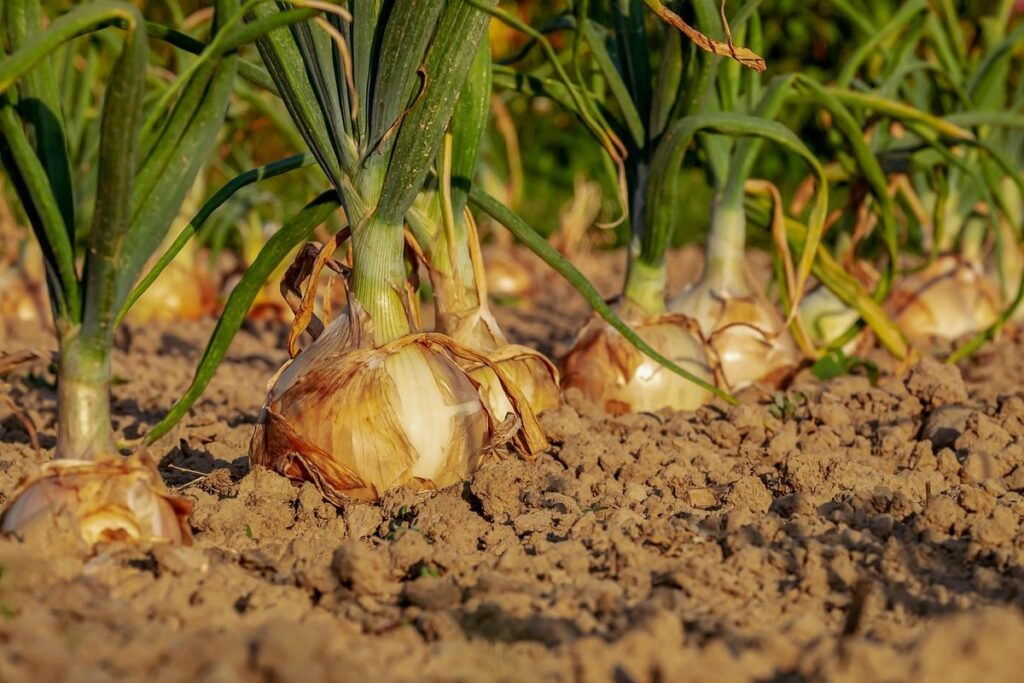
Choosing the Right Variety
When growing leeks, selecting the right variety is crucial for success, so let’s take a closer look at some popular options and their characteristics. This will help you choose the perfect leek variety for your garden.
Understanding Leek Types
There are several types of leeks available, each with its unique characteristics and growth habits. For gardeners with limited space, consider ‘Lincoln’ or ‘Merlin’, which are compact varieties that mature quickly, typically within 100-120 days. These varieties produce smaller bulbs but pack a punch when it comes to flavor.
For those with more space, ‘Roux’s Jumbo’ and ‘Torrance’ are excellent choices. They take longer to mature, around 150-160 days, but yield larger bulbs that are perfect for cooking. Leeks also come in different colors, such as ‘Argenteuil’, which has a beautiful silver-green foliage.
When selecting a leek variety, consider your climate and desired harvest time. Cool-season crops like leeks thrive in temperatures between 40°F to 70°F (4°C to 21°C). Choose varieties that suit your region’s temperature range for optimal growth. Additionally, if you’re looking for a specific use case, such as a winter harvest, opt for a variety that matures later in the season.
Remember to also consider the intended use of your leeks when selecting a variety.
Factors to Consider When Selecting a Variety
When selecting a leek variety for your garden, there are several factors to consider. Maturity days, also known as days to harvest, is an essential factor to think about. Some leek varieties mature quickly, within 60-70 days, while others take longer, up to 100 days or more. If you live in a region with a short growing season, it’s crucial to choose a variety that matures relatively fast.
Hardiness zones are another critical consideration. Leeks are generally hardy and can tolerate frost, but they still require protection from extreme cold. Choose a variety that is bred for your specific hardiness zone, as some leek varieties may not perform well in warmer or colder climates.
Disease resistance is also a vital factor to consider. Some leek varieties have built-in resistance to common diseases such as powdery mildew and downy mildew. Look for varieties that are labeled as resistant to these diseases to minimize the risk of disease outbreaks in your garden.
When selecting a variety, research its specific characteristics, including maturity days, hardiness zones, and disease resistance. This will help you make an informed decision and choose a leek variety that thrives in your garden conditions.
Preparing the Soil
Before planting leeks, it’s crucial to prepare the soil properly to ensure a strong root system and healthy growth. This step is often overlooked but makes all the difference in the outcome of your crop.
Testing and Amending Your Soil
Before planting leeks, it’s essential to test and amend your soil to ensure optimal growing conditions. Leeks prefer a slightly acidic to neutral soil pH, ranging from 6.0 to 7.0. If you’re unsure about your soil’s pH level or nutrient content, collect a soil sample by digging a small hole about 12 inches deep in multiple areas of your garden.
Send the samples to a laboratory for analysis, following their guidelines for collection and submission. Interpreting test results requires understanding the nutrient levels, pH, and potential contaminants. If your soil lacks essential nutrients like nitrogen, phosphorus, or potassium, consider adding organic matter such as compost or well-rotted manure. For example, a 2-inch layer of compost can improve soil fertility and structure.
If your soil’s pH is outside the ideal range, you may need to add lime (to raise pH) or sulfur (to lower it). Be cautious when using chemical amendments, as they can harm beneficial microorganisms in the soil. Instead, opt for natural alternatives like dolomitic limestone or peat moss. Apply these amendments according to the manufacturer’s instructions and monitor your soil’s response over time.
Creating a Leek-Friendly Soil pH
When growing leeks, it’s essential to create an optimal soil environment that fosters healthy growth. One crucial aspect of this is achieving the right pH level for your leek plants. Leeks prefer a slightly acidic to neutral soil pH, ranging from 6.0 to 7.0.
If your soil tests show a pH outside this range, don’t worry – you can take steps to adjust it. To lower an alkaline soil pH (above 7.0), add elemental sulfur or aluminum sulfate to the soil. These products will gradually acidify the soil over time. For example, applying 1-2 pounds of elemental sulfur per 100 square feet of soil can help lower the pH by about 0.5 units.
Conversely, if your soil is too acidic (below 6.0), you may need to add lime to raise the pH. Dolomitic limestone or calcitic lime are good choices for this purpose. Be cautious not to over-correct, as excessive lime can cause soil imbalances. Aim to make gradual adjustments and monitor the soil’s response.
Keep in mind that leeks are relatively tolerant of minor pH fluctuations. However, maintaining an optimal pH range will ensure your plants grow strong and disease-resistant.
Planting Leeks
When planting leeks, it’s essential to choose a location with well-draining soil and full sun, as these conditions will support healthy growth. Let’s dive into the steps for successfully planting your leek bulbs.
Sowing from Seed or Sets
When it comes to planting leeks, you’re faced with two popular options: starting from seed or using sets. Both methods have their advantages and disadvantages, which we’ll explore below.
Starting leeks from seed can be a cost-effective option, as seeds are inexpensive and can be bought in bulk. However, the germination rate is relatively low, typically ranging from 50-70%. This means that for every 10 seeds you sow, only 5-7 will germinate. On the other hand, leek sets (small bulbs) have a much higher success rate, with some varieties boasting germination rates of up to 90%.
In terms of growth speed, leeks started from seed tend to mature faster than those begun as sets. This is because seeds can be sown closer together and thinned out later on, allowing for more efficient use of space. However, if you’re short on time or prefer a quicker harvest, using sets might be the better option.
It’s worth noting that leek sets are often grown in nurseries and then sold to gardeners, which can help reduce the risk of disease and pests. When choosing between seed and sets, consider your specific needs and circumstances. If you’re new to growing leeks or short on time, sets might be a better fit.
Tips for Transplanting
When transplanting leek seedlings, it’s essential to handle them with care to minimize shock and ensure optimal establishment. Start by gently removing the seedling from its pot or tray, taking care not to damage the delicate roots. If you’re transplanting into larger pots, choose containers that are at least 6-8 inches deep to give the leek’s extensive root system room to grow.
To reduce shock, avoid exposing the seedlings to direct sunlight for an extended period. Instead, place them in a shaded area or indoors until they recover from the transplant process. Water thoroughly after transplanting, and continue to keep the soil consistently moist but not waterlogged.
When transplanting directly into the garden bed, make sure the soil is loose and well-draining. Space leek seedlings about 6-8 inches apart to allow for proper air circulation and prevent overcrowding. Harden off your leeks by gradually exposing them to outdoor conditions over a period of 7-10 days before transplanting them directly into the garden bed. This will help them acclimate to their new environment and reduce the risk of shock.
Caring for Leeks
Now that you’ve successfully grown your leek crop, it’s time to focus on caring for them properly to ensure a bountiful harvest and healthy plants. This section will cover essential tips for maintaining your leeks’ optimal health.
Watering and Mulching Strategies
When it comes to growing leeks, consistent moisture levels are crucial for their health and development. Leeks are a cool-season crop, which means they thrive in temperate climates with moderate temperatures and adequate rainfall. However, if the soil dries out too quickly or waterlogged conditions persist, your leek plants may become weakened and more susceptible to disease.
To ensure your leeks receive the right amount of moisture, make sure to water them deeply once or twice a week, depending on weather conditions. Aim for about 1-2 inches of water per week, either from rainfall or irrigation. You can also use mulch to help retain soil moisture and suppress weeds, which compete with your leeks for resources.
There are several types of mulch you can use, including organic materials like straw, bark chips, or even grass clippings. Simply spread a 2-3 inch layer around the base of your leek plants, keeping it a few inches away from the crowns to prevent moisture buildup. This will not only help retain soil moisture but also regulate soil temperature and suppress weeds that might try to grow in the area.
Fertilizing and Pruning
Leeks require a balanced diet of nutrients to grow strong and healthy. To meet their nutritional needs, use a fertilizer that is rich in nitrogen (N), phosphorus (P), and potassium (K). A 10-10-10 or 20-20-20 NPK ratio fertilizer is suitable for leek cultivation. However, avoid overfertilizing, as this can lead to weak stalks and excessive foliage growth.
Micronutrients like sulfur, magnesium, and boron are also essential for leek growth. Sulfur helps in the formation of healthy leaves, while magnesium aids in root development. Boron is crucial for flower and seed production. You can add these micronutrients as a separate supplement or use a balanced fertilizer that contains them.
Regular pruning is necessary to promote healthy growth and encourage upright stalks. Remove any damaged or discolored leaves, and trim off the top growth of the leek plant when it reaches about 6-8 inches in height. This will help direct the plant’s energy towards developing a strong stem and improving its overall structure. Prune your leeks regularly to maintain their shape and promote optimal growth.
Pest and Disease Management
To keep those pesky leek pests at bay, let’s explore some effective methods for managing common issues that can affect your crop, such as aphids, slugs, and root rot.
Common Leek Pests and Diseases
As you grow and nurture your leek crop, it’s essential to be aware of the common pests and diseases that can affect them. Early recognition of symptoms is key to preventing infestations and maintaining a healthy plant.
Common pests like aphids, slugs, and snails are attracted to leeks’ sweet sap and tender leaves. Aphids can multiply quickly, causing curled or distorted leaves, while slugs and snails will leave behind telltale holes or chewed edges. Keep an eye out for these signs and take action promptly.
Downy mildew and powdery mildew are two common diseases that leeks can contract. Downy mildew causes yellowing of the leaves, often with a white downy growth on the underside, while powdery mildew appears as a white, powdery coating on the upper surface. Regularly inspect your plants for these signs and treat them promptly with fungicides.
Monitor your leeks regularly for any signs of pests or diseases, and take action at the first sign of trouble. Inspect the undersides of leaves and soil around the base of the plant, where pests often hide. Early detection will save you from significant damage and ensure a healthy, thriving crop.
Organic and Integrated Pest Management Techniques
When growing leeks, it’s essential to adopt organic and integrated pest management (IPM) techniques to ensure a healthy crop while minimizing harm to the environment. One of the most effective methods is introducing beneficial insects that prey on pests, such as ladybugs or lacewings, which can be attracted to your garden using plants like marigolds or dill.
Another approach is using physical barriers to prevent pests from reaching your leeks. For example, fine-mesh screens can be placed around the plants to keep aphids and whiteflies at bay. You can also use copper tape or mesh around the base of the plants to deter slugs and snails.
Some beneficial microorganisms like Trichoderma harzianum can be applied to the soil to control fungal diseases like powdery mildew. Additionally, crop rotation and sanitation practices, such as removing weeds and debris, are crucial in maintaining a balanced ecosystem.
To create a holistic approach, monitor your leek plants regularly for any signs of pests or disease. Use this knowledge to make informed decisions about when to introduce beneficial insects or use physical barriers.
Harvesting Leeks
Now that your leek crop is mature, it’s time to harvest them carefully to ensure a long and flavorful storage period. Learn how to identify when they’re ready to be picked.
Timing the Perfect Harvest
Determine when to harvest leeks by considering their maturity days. Most varieties take between 120-150 days from sowing to full maturity. However, factors like climate and soil quality can influence growth rates. Leeks are ready for harvest when the base of the plant is around an inch in diameter and about one-third of it has been pushed into the ground.
Check your leek plants regularly by gently digging around them with a fork. This will help you gauge their size without damaging the roots. As leeks mature, their tops begin to yellow and fall over. Don’t wait for this to happen as it can lead to over-maturity and a loss of flavor.
Avoid premature picking by waiting until the leek bulbs are firm and heavy for their size. If you’re unsure, gently tug on the leaves; if they come away easily, the leek is ready.
Tips for Cooking with Fresh Leeks
When you finally harvest those delicious leeks from your garden, it’s time to get creative with them in the kitchen. Cooking with fresh leeks is a breeze once you know some simple techniques for preparation and storage.
First and foremost, cleaning leeks properly is crucial before using them in recipes. To do this, trim off both ends of the leek, then place it under cold running water, fanning out its layers to dislodge any dirt or debris. Next, gently pat dry with paper towels to remove excess moisture. Store your cleaned leeks in a cool, dry place, wrapped in plastic wrap or an airtight container.
To keep your leeks fresh for longer, consider storing them in the refrigerator. Simply wrap each leek individually in plastic wrap and refrigerate at a consistent 40°F (4°C). Leeks can also be frozen for up to three months by blanching them briefly in boiling water before transferring them to an airtight container or freezer bag.
In terms of preserving leeks, you have several options. Leeks make excellent pickles and can be preserved in vinegar solutions with spices and herbs. You can also dehydrate leeks using a food dehydrator or by leaving them on low heat for several hours.
Frequently Asked Questions
What are the ideal weather conditions for leek growth, and how do I adapt to changing seasons?
Leeks prefer cooler temperatures between 40°F (4°C) and 70°F (21°C). If you live in an area with extreme temperature fluctuations, consider using a row cover or cold frame to extend the growing season. In warmer climates, plant leeks in early spring or late summer for optimal growth.
Can I grow leeks in containers, or are they best suited for in-ground gardens?
Yes, you can grow leeks in containers! Choose a container with good drainage and use a high-quality potting mix specifically designed for root vegetables. Keep the soil consistently moist but not waterlogged to promote healthy growth.
How often should I inspect my leek plants for pests and diseases, and what signs should I look out for?
Inspect your leeks regularly, ideally every 7-10 days during peak growing season. Look for signs of pests like aphids, slugs, or snails, which can cause damage to the leaves and stems. Monitor for fungal diseases such as powdery mildew or downy mildew, characterized by white spots or yellowing leaves.
Can I use compost tea as a natural fertilizer for my leeks, and if so, how do I prepare it?
Yes! Compost tea is an excellent natural fertilizer for your leeks. Steep 1-2 cups of finished compost in a bucket of water (about 5 gallons) for 24 hours. Strain the liquid and use it as a foliar spray or soil drench to provide essential nutrients to your plants.
How do I know when my leeks are ready to harvest, and what’s the best way to store them after harvesting?
Timing is everything! Leeks are typically ready to harvest between 120-180 days from sowing. Check for a minimum of 1 inch (2.5 cm) in diameter at the base of the plant. After harvesting, trim the leaves back to about 1 inch from the base, and store them in a cool, dry place or refrigerate them promptly to preserve freshness.