
Are you ready to get your hands dirty and grow some delicious kale from scratch? Growing kale from seeds can be a fun and rewarding experience, especially when done right. But where do you start? Choosing the right variety for your climate, preparing the perfect soil, and sowing those tiny seeds at just the right time – it can seem overwhelming if you’re new to gardening. Don’t worry, we’ve got you covered. In this comprehensive guide, we’ll walk you through everything you need to know to grow kale from seeds successfully. From selecting a hardy variety that will thrive in your garden to troubleshooting common issues that may arise, we’ll cover it all. By the end of this article, you’ll be confident and equipped to grow a bountiful harvest of crunchy, nutritious kale right in your own backyard!
Choosing the Right Kale Variety
When growing kale from seeds, selecting the right variety is crucial for optimal flavor and performance. Let’s explore the different types of kale to choose from.
Understanding Kale Types and Characteristics
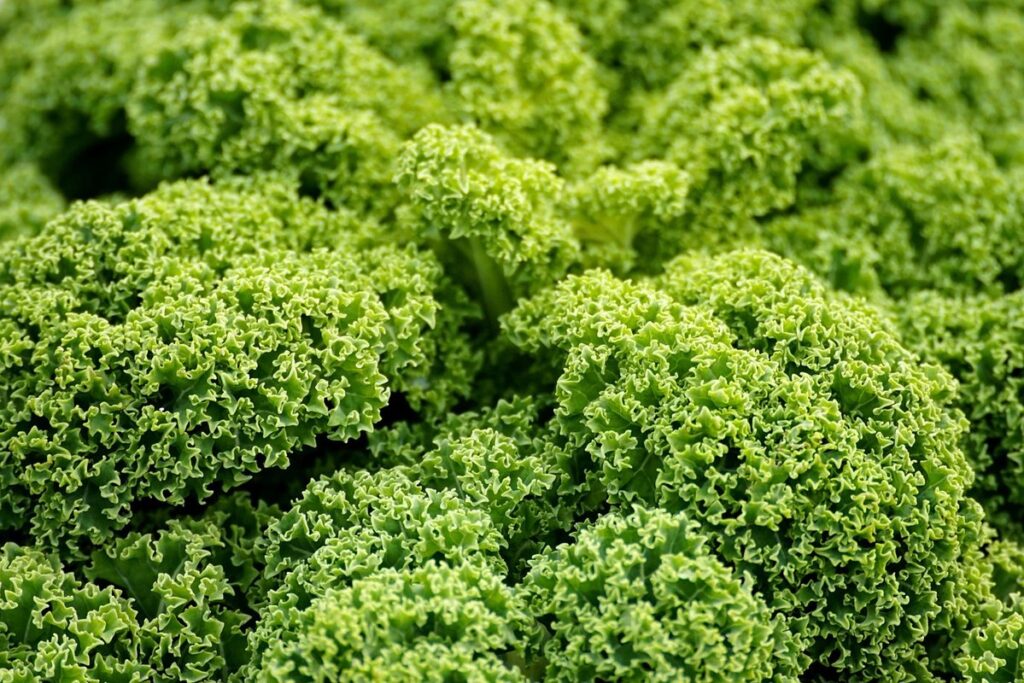
There are several types of kale, each with its unique characteristics and growth habits. One of the most popular varieties is Curly-Leaf Kale, which has loose, curly leaves that are tender and easy to chew. Lacinato (also known as Dinosaur or Tuscan) Kale has flat, dark green leaves with a distinctive crinkled texture. Red Russian Kale boasts deep red stems and veins, adding a pop of color to any salad.
When choosing a kale variety, consider your climate and growing conditions. If you live in a warmer region, choose heat-tolerant varieties like Lacinato or Redbor. For cooler climates, opt for Curly-Leaf or Winterbor, which thrive in temperatures below 40°F (4°C). Some popular heirloom varieties include Russian Red and Red Russian, prized for their rich flavor and nutritional profile.
Before planting, research the specific needs of your chosen variety, including sunlight requirements, watering habits, and potential pest or disease issues. This will ensure you provide optimal growing conditions for your kale crop to flourish. By understanding the unique characteristics of different kale varieties, you can select the perfect type for your garden and enjoy a bountiful harvest all season long.
Selecting High-Quality Kale Seeds
When selecting high-quality kale seeds, there are several factors to consider. First and foremost, check the seed viability by looking for a reputable supplier that provides clear information about the seed’s age, storage conditions, and germination rate. A good rule of thumb is to choose seeds that have been stored properly in a cool, dry place and have a high germination rate (at least 80%).
Another crucial factor is disease resistance. Different kale varieties have varying levels of resistance to common diseases like powdery mildew, downy mildew, and fusarium wilt. Research the specific needs of your growing region and choose seeds that are bred for resistance to those specific diseases.
When evaluating seed packets or online listings, look for suppliers that offer detailed information about their seed testing protocols and quality control measures. Some reputable seed companies may even provide third-party certifications like USDA Organic or Non-GMO Project Verified. By choosing high-quality seeds from a trusted supplier, you’ll set your kale crop up for success from the very beginning.
Preparing the Soil for Kale Growth
Before planting kale seeds, it’s essential to prepare your soil properly. This involves testing its pH levels and making necessary adjustments to create an optimal growing environment.
Understanding Kale’s Soil Requirements
Kale requires a specific set of conditions to grow optimally. When it comes to soil preparation, understanding kale’s nutrient requirements is crucial for a bountiful harvest. Kale thrives in slightly acidic to neutral soils with a pH range between 6.0 and 7.0. If your soil falls outside this range, you may need to adjust the pH levels before planting.
In terms of nutrient requirements, kale needs a balanced mix of nitrogen (N), phosphorus (P), and potassium (K). A general-purpose fertilizer will suffice for most gardeners. However, if you’re looking to improve the overall health of your soil, consider incorporating organic matter such as compost or well-rotted manure.
A well-draining, loose soil structure is essential for kale growth. This allows roots to grow freely and prevents waterlogged conditions that can lead to root rot. To achieve this, mix in some perlite or vermiculite to improve drainage and aeration.
Some common mistakes gardeners make when preparing their soil include over-fertilizing, which can burn the leaves and stunt growth. Others may overlook the importance of regular soil testing, leading to nutrient deficiencies that affect kale’s overall health.
Methods for Improving Soil Fertility
Improving soil fertility is crucial for growing healthy and nutritious kale. One effective way to enrich your soil is through composting. This involves collecting kitchen scraps, leaves, and other organic materials and allowing them to decompose over time. The resulting compost can be added directly to the soil or mixed into it to improve its structure and fertility.
Another method is mulching, which involves spreading a layer of organic material such as wood chips or straw around the base of your kale plants. This helps retain moisture in the soil, suppress weeds, and regulate soil temperature. You can also use compost tea, a liquid solution made by steeping compost in water, to fertilize your kale.
Cover cropping is another technique that can improve soil fertility. By planting certain crops such as clover or rye between crop rotations, you can add nutrients to the soil, reduce erosion, and even attract beneficial insects. For example, if you’re growing kale in a container, consider planting a cover crop like nasturtiums or marigolds to add nutrients and repel pests.
For best results, it’s essential to test your soil regularly and adjust your fertility methods accordingly.
Sowing Kale Seeds: Tips and Techniques
When it comes to sowing kale seeds, you want to get it right from the start. In this section, we’ll share expert tips on preparing soil and planting technique for a healthy start.
Seed Depth and Spacing for Optimal Growth
When sowing kale seeds, it’s essential to get the depth and spacing just right to encourage optimal growth. The ideal seed depth varies depending on the type of kale you’re growing, but a good rule of thumb is to sow them 1/8 inch (3-4 mm) deep for loose soil or 1/4 inch (6-8 mm) deep for denser soil.
For most varieties of kale, spacing seeds 2-4 inches (5-10 cm) apart is sufficient. However, if you’re growing dwarf or compact varieties, you can get away with sowing them as close as 1-2 inches (2.5-5 cm) apart. Be sure to leave about 12-18 inches (30-45 cm) of space between rows to ensure proper air circulation and prevent overcrowding.
Keep in mind that kale seeds are relatively small, so it’s easy to sow them too deeply or too shallowly. To avoid this, gently press the seeds into the soil and firm it lightly around them. This will help the seeds establish a strong root system and promote healthy growth. With proper depth and spacing, your kale plants should thrive and provide you with a bountiful harvest.
Sowing Kale in Containers or Indoors
When it comes to growing kale indoors or in containers, replicating outdoor conditions is crucial for success. First and foremost, choose a container that’s at least 6-8 inches deep to accommodate the taproot of the kale plant. A well-draining potting mix specifically designed for indoor gardening will also help prevent waterlogged soil.
When it comes to light, most kale varieties require at least 4-6 hours of direct sunlight per day. Since this can be challenging indoors, consider investing in grow lights. LED grow lights are energy-efficient and come in a variety of spectrums, including those optimized for leafy greens like kale.
In terms of size, start with smaller containers (around 5-7 gallons) to prevent the roots from becoming waterlogged. As the plant grows, transplant it into a larger container or consider using a vertical gardening system. This will also help maintain air circulation around the leaves and promote healthy growth.
Kale Seed Germination and Emergence
Now that you have sown your kale seeds, it’s time to observe them closely as they start to germinate and push through the soil. This process is a crucial milestone in your kale growing journey.
Factors Affecting Seed Germination
When it comes to growing kale from seeds, seed germination is the first and most crucial step. However, many gardeners encounter issues with slow or incomplete germination due to various factors affecting the process. Temperature plays a significant role, as kale seeds typically require cooler temperatures between 60°F to 70°F (15°C to 21°C) for optimal germination.
Moisture is another critical factor; overwatering can be detrimental, causing roots to rot before the seedling even has a chance to emerge. On the other hand, under-watered soil may prevent seeds from absorbing necessary water and nutrients. Light exposure also affects germination, as some kale varieties require darkness to sprout.
Problems with slow or incomplete germination often arise when these conditions are not met. To avoid such issues, ensure you’re providing adequate moisture by watering the soil gently but thoroughly before sowing. For optimal temperature control, consider using a propagation tray or cold frame to maintain a consistent temperature range.
Monitoring Seedlings for Health Issues
As you care for your newly germinated kale seedlings, it’s essential to monitor them closely for potential health issues. Pests like aphids, whiteflies, and spider mites can cause significant damage if left unchecked. Look out for curled or distorted leaves, sticky substances on the soil or leaves, or actual insects feeding on the plants.
Diseases such as powdery mildew and downy mildew can also affect kale seedlings. Be on the lookout for a fine white powder coating the leaves or a yellowish-gray growth on the underside of leaves. Inspect your seedlings regularly and take prompt action if you notice any symptoms.
Nutrient deficiencies, particularly nitrogen and iron, can be just as problematic. Leafy greens like kale are prone to nutrient deficiencies when grown in poor-quality soil. Monitor your seedlings for pale or yellowish leaves, and consider getting a soil test done to determine the nutrient levels. Adjust your fertilization schedule accordingly to provide optimal care during this critical stage of growth.
Keep your seedlings consistently watered but not overwatered, as this can exacerbate problems. By being vigilant and taking swift action when issues arise, you’ll ensure your kale seedlings develop into strong, healthy plants.
Kale Growth Stages: From Germination to Harvest
As you wait for your kale seeds to sprout, it’s essential to understand the different growth stages they’ll go through before reaching maturity and being ready for harvest. Let’s explore the journey from germination to a thriving, edible crop.
Understanding Kale’s Life Cycle
Kale’s life cycle can be divided into several distinct growth stages, each with its own set of milestones and developmental changes. As a kale grower, understanding these stages will help you anticipate what to expect throughout the growing season.
Germination is the first stage, where the seeds sprout and develop their first leaves. This typically occurs within 7-10 days after sowing, depending on factors like soil temperature and moisture. During this period, the seedlings need consistent moisture and adequate light to establish a strong root system.
As the plants grow, they’ll transition into the rosette stage, characterized by the formation of larger leaves that form a compact rosette shape. This stage usually begins around 3-4 weeks after germination and is an excellent time to thin out the seedlings to about 6 inches apart to promote healthy growth.
In optimal conditions, kale plants will continue to mature, producing more leaves and eventually sending up a central stem (called bolting). However, for leafy greens like kale, it’s essential to harvest before this stage to avoid bitterness and maintain the plant’s flavor and texture.
Tips for Encouraging Healthy Growth and Leaf Production
As you continue to nurture your kale plants through their growth stages, it’s essential to encourage healthy growth and maximize leaf production. Regular pruning is a crucial aspect of promoting optimal growth. Remove lower leaves as they mature to direct the plant’s energy towards developing new ones. This process also helps prevent disease and pest infestations from spreading.
To boost nutrient intake, fertilize your kale plants regularly with a balanced fertilizer. However, avoid over-fertilizing, as this can lead to weak, leggy growth. Instead, focus on providing essential nutrients through compost tea or fish emulsion. These natural methods promote soil health and reduce the risk of burns or toxicity.
Effective pest management is also vital for maintaining healthy kale plants. Common pests like aphids, slugs, and snails can decimate a crop if left unchecked. Utilize integrated pest management techniques, such as introducing beneficial insects or practicing good garden hygiene, to minimize damage and prevent infestations. By implementing these strategies, you’ll be able to optimize leaf production and extend the harvest period for your kale crop.
Common Kale Pests and Diseases: Prevention and Control
As you nurture your kale crop, it’s essential to watch out for common pests and diseases that can harm its growth. We’ll cover prevention and control methods to keep your plants thriving.
Recognizing Common Pests Affecting Kale
When growing kale from seeds, it’s essential to be aware of the common pests that can infest this nutritious crop. One of the most prevalent problems is aphids, tiny insects that feed on plant sap and cause curled or distorted leaves. To recognize aphid infestation, check for sticky honeydew droplets on the leaves and stems, as well as ants crawling around the affected area.
Another menace to kale is slugs and snails, which can chew through leaves and stems at night, leaving behind a silvery trail of slime. Keep an eye out for these pests under leaf litter or in moist areas around the garden. If you notice any damage, try trapping them with copper tape or crushed eggshells.
Early detection is key to preventing infestations. Monitor your kale plants regularly, looking for signs such as yellowing leaves, stunted growth, or actual pest sightings. Remove weeds and debris that can harbor pests, and practice good garden hygiene by rotating crops and using natural barriers like row covers to prevent infestation.
Managing Disease in Kale Plantings
Kale is a cool-season crop, and its susceptibility to diseases makes it essential to implement preventive measures. To begin with, ensure that you’re starting with high-quality seeds from reputable suppliers. This reduces the risk of introducing pathogens into your planting.
Keep an eye out for signs of powdery mildew, which appears as a white powder on leaves. Regularly inspect your plants and remove any affected areas to prevent further spread. Avoid overhead watering, as this encourages fungal growth; instead, use soaker hoses or water at soil level.
Maintain air circulation around your kale by providing sufficient space between plants (about 12-18 inches). This will help prevent the buildup of moisture that fosters disease development.
For root rot prevention, avoid overwatering and ensure good drainage. Crop rotation is also beneficial – move your kale planting to a new location each season to break the life cycle of pathogens in the soil.
Monitor for pests like aphids, which can transmit diseases. By implementing these strategies, you’ll be well-equipped to maintain a healthy and resilient kale crop.
Harvesting and Storing Kale Leaves
Now that your kale plants are thriving, it’s time to harvest their nutritious leaves. We’ll walk you through the best ways to pick and preserve your crop for maximum flavor and shelf life.
Determining the Right Time for Harvest
Determining the right time for harvest is crucial to ensure that you get the best flavor, texture, and nutrient content from your kale leaves. Kale is a cool-season crop, which means it prefers the cooler temperatures of spring or fall. As a general rule, kale is ready to harvest when the leaves are at least 4-6 inches long.
To identify the optimal time for harvest, look for the following signs: the leaves should be firm and crisp, with no signs of wilting or yellowing. The stems should also be sturdy enough to support the weight of the leaves without bending. If you notice that the leaves are becoming bitter or developing a strong flavor, it’s likely that they’re past their prime.
In terms of nutrient content, kale is at its peak when the leaves are young and tender. Harvesting too late can result in reduced levels of vitamins A, C, and K, as well as iron and calcium. To maximize your harvest, aim to pick the leaves every 1-2 weeks, depending on the variety and growing conditions. This will encourage new growth and prevent the plant from flowering.
Preserving Kale Leaves for Future Use
Preserving kale leaves is essential to enjoy them throughout the year. Since kale is a hardy green, it can be stored for several weeks if done correctly. One of the most popular methods is freezing. To freeze, first blanch the leaves in boiling water for 2-3 minutes to inactivate enzymes that cause spoilage. Then, immediately submerge them in an ice bath and pat dry with paper towels before placing in airtight containers or freezer bags.
Dehydrating is another method, which removes moisture from the leaves, making it easier to store. You can use a food dehydrator or your oven on its lowest temperature setting. Slice the kale into thin strips and remove any excess water before spreading them out in a single layer. It’s essential to ensure they are completely dry, as moisture can cause mold.
Pickling is another way to preserve kale leaves by soaking them in a brine solution (water, vinegar, salt). This method not only preserves but also adds flavor. Simply chop the kale into smaller pieces and soak them in a jar with enough liquid to cover the leaves. This method is ideal for adding to salads or using as a topping.
When storing preserved kale, keep it away from direct sunlight and heat sources, and use airtight containers to maintain freshness. Proper preservation allows you to enjoy your homegrown kale year-round.
Frequently Asked Questions
Can I grow kale indoors year-round with the right conditions?
Yes, kale can thrive indoors under controlled environments like greenhouses or indoor gardens with sufficient light (12-14 hours of indirect sunlight) and temperature regulation between 65°F to 75°F. Ensure your container is at least 6-8 inches deep to accommodate the plant’s growth.
What are some common mistakes that beginners make when growing kale from seeds?
Common mistakes include sowing seeds too close together, inadequate soil preparation, and insufficient watering, which can lead to weak seedlings or pest infestations. Regularly monitor your plants’ health, maintain a consistent moisture level, and fertilize as needed.
How do I identify pests and diseases that affect kale growth?
Familiarize yourself with common pests (aphids, slugs, snails) and diseases (powdery mildew, downy mildew). Inspect your plants regularly for signs of infestation or infection. Consult local nurseries or gardening experts if you suspect an issue.
Can I grow multiple kale varieties in the same garden bed?
Yes, but ensure each variety has enough space to thrive without overcrowding (about 18-24 inches between plants). Some types of kale may compete for resources; consider planting them on opposite sides of the bed to maintain optimal growth conditions.
How do I preserve and store harvested kale leaves for future use?
Store fresh kale in airtight containers or sealed plastic bags, keeping them refrigerated at 32°F to 40°F. Freeze them by blanching in boiling water for 2-3 minutes, then bagging them individually before freezing. Alternatively, dry kale leaves using a food dehydrator or air-drying method to preserve their nutritional value.