
Are you ready to unlock the secrets of one of Italy’s most beloved herbs? Italian oregano is more than just a flavorful addition to your pasta sauce or pizza – it’s also a hardy, low-maintenance plant that can thrive in even the toughest gardening conditions. But beyond its culinary uses, this fragrant herb has a multitude of benefits for your health and wellness routine. Whether you’re looking to spice up your cooking, repel pests from your garden, or simply enjoy the calming scent of fresh herbs, Italian oregano is an essential addition to any kitchen, garden, or self-care routine. In this article, we’ll explore the ins and outs of growing, using, and benefiting from Italian oregano – including tips on flavor pairing, pest control, companion planting, and troubleshooting common issues.
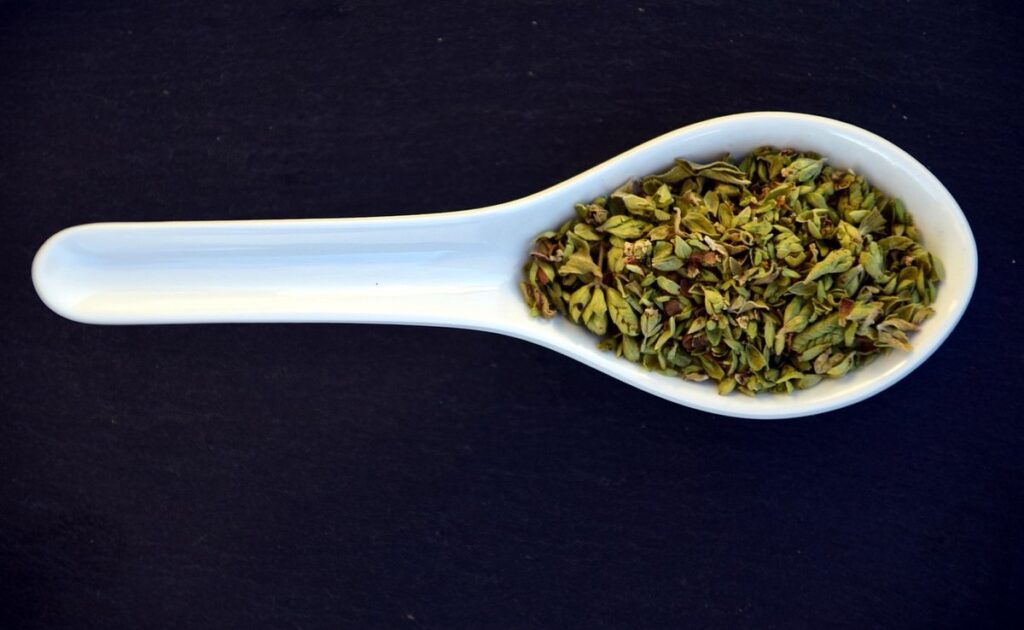
What is Italian Oregano?
Italian oregano, a staple in Mediterranean cooking, gets its name from its unique flavor and aroma, which sets it apart from other types of oregano. Let’s take a closer look at what makes this herb so special.
Origins and History of Italian Oregano
Italian oregano has its roots in the Mediterranean region, where it has been cultivated for centuries. It is believed to have originated from the Greek and Turkish varieties of oregano, which were introduced to Italy by the ancient Greeks. Over time, Italian oregano evolved as a distinct variety, prized for its robust flavor and aroma.
The history of Italian oregano is closely tied to the country’s culinary traditions. In Southern Italy, particularly in the regions of Campania and Sicily, Italian oregano has been used to add depth and warmth to classic dishes like pizza, pasta sauces, and caponata. The herb’s versatility and adaptability made it a staple in many Italian households.
In the 19th century, Italian oregano was introduced to the United States by Italian immigrants, where it quickly gained popularity among gardeners and chefs alike. Today, Italian oregano is grown commercially and cultivated by enthusiasts worldwide. Its distinct flavor profile and hardiness make it an attractive choice for herb gardens and culinary enthusiasts seeking a more authentic Italian taste.
Key Characteristics of Italian Oregano
Italian oregano is distinct from other types of oregano due to its unique characteristics. Its flavor profile is more pungent and earthy, with a slightly bitter undertone that pairs well with rich ingredients like olive oil, garlic, and tomatoes. The aroma of Italian oregano is also more intense and herbaceous than other varieties.
Visually, Italian oregano has small, dark green leaves that are typically more rounded than those of Greek or Turkish oregano. Its stems are often woody and fibrous, giving the plant a slightly rustic appearance. When used fresh, Italian oregano adds an unmistakable depth to dishes like pasta sauces, pizza, and roasted vegetables.
One key way to distinguish high-quality Italian oregano from lower-grade varieties is by looking for plants with compact growth habits and dense foliage. These characteristics indicate that the plant has been well-cared for and is likely to have a more intense flavor. When shopping for Italian oregano seeds or seedlings, keep an eye out for these traits to ensure you’re getting the best variety for your cooking needs.
Growing Italian Oregano: Tips and Tricks
Growing Italian oregano from seed can be a bit tricky, but don’t worry, we’ve got some expert tips to help you succeed. Learn how to give your seeds the best start possible for a bountiful harvest.
Planting Conditions for Italian Oregano
To grow Italian oregano successfully, you’ll want to provide it with ideal climate, soil, and lighting conditions. This fragrant herb thrives in well-draining soil that’s rich in organic matter, making a slightly acidic to neutral pH perfect for its growth.
When it comes to climate, Italian oregano is a Mediterranean native, so it prefers hot summers and mild winters. It can tolerate some frost but will die back in extreme cold, so if you live in an area with harsh winters, consider growing it as an annual. The herb loves full sun to partial shade, so choose a location that receives at least 4-6 hours of direct sunlight per day.
In terms of soil preparation, mix in some compost or well-rotted manure to give your Italian oregano the nutrients it needs to flourish. Avoid overwatering, as this can lead to root rot and other issues. Instead, water your plant when the top inch of soil feels dry to the touch. By providing your Italian oregano with these optimal conditions, you’ll be rewarded with an abundance of fragrant leaves that are perfect for adding flavor to your favorite dishes.
How to Propagate Italian Oregano
Propagating Italian oregano is an essential skill for any herb enthusiast looking to multiply their plant stock. There are several methods to propagate this fragrant herb, and we’ll explore the most effective ones: division, cuttings, and seeds.
Division is a great way to propagate Italian oregano, especially when your mature plants have outgrown their containers or need rejuvenation. Carefully dig up the entire root system, gently separating the roots into smaller sections. Replant these divisions in well-draining soil, making sure each section has at least two nodes (where leaves meet stems). This method encourages new growth and prevents overwatering.
For a faster approach, take cuttings from mature Italian oregano stems with a pair of clean scissors or pruning shears. Remove lower leaves, leaving only the top set. Dip the cut end into rooting hormone powder to enhance success rates. Plant the cutting in moistened potting mix, and keep it under indirect light until roots develop.
Sowing seeds is another option for propagation, though it requires patience as seedlings take about 8-12 weeks to mature. Collect fresh seeds from your Italian oregano plant or purchase them from a reputable supplier. Sow them on the surface of a well-draining potting mix, pressing gently into place. Water regularly, and ensure adequate light for optimal growth.
When choosing a method, remember that division is ideal for large-scale propagation, cuttings produce faster results, while seeds offer a low-cost option with great potential for diversity. Experiment with different methods to find what works best for you!
Using Italian Oregano in Cooking
When it comes to cooking with Italian oregano, there are countless ways to incorporate its unique flavor into your favorite dishes. From pasta sauces to pizza toppings, let’s explore some of our top picks for using this versatile herb.
Flavor Pairing Suggestions for Italian Oregano
When it comes to using Italian oregano in cooking, flavor pairing is an art that requires some experimentation and creativity. However, with a few tried-and-true combinations, you can unlock the full potential of this fragrant herb. For meats, try pairing Italian oregano with grilled chicken or lamb, as its pungent flavor complements the smokiness of charred meat perfectly. You can also use it to add depth to beef stews and braises.
In terms of vegetables, Italian oregano pairs well with roasted eggplant, zucchini, and bell peppers. Simply sprinkle some dried oregano on top of your roasted vegetables for a burst of flavor. When it comes to cheeses, combine Italian oregano with mozzarella or parmesan for a delicious twist on caprese salads or pasta dishes.
Remember that the key to successful flavor pairing is balance – use Italian oregano sparingly and adjust to taste. Experiment with different combinations to find your favorite pairings. Some other ingredients you can try pairing with Italian oregano include cherry tomatoes, garlic, and lemon juice for a bright and refreshing sauce.
Italian Oregano in Traditional Recipes
Italian oregano is an essential ingredient in many traditional Italian recipes. One of the most well-known dishes that feature this herb is pasta alla norma, a Sicilian eggplant recipe that originated in Catania. The key to its flavor is the combination of sautéed eggplant, tomatoes, garlic, and of course, Italian oregano. This fragrant herb adds depth and warmth to the dish, making it a staple in many Italian households.
Another classic recipe that showcases Italian oregano’s versatility is caprese salad, which typically consists of sliced tomatoes, mozzarella cheese, and basil. However, some variations include adding a few sprigs of Italian oregano to the mix for an added layer of flavor. In fact, oregano pairs particularly well with the sweetness of tomatoes and the creaminess of mozzarella.
When using Italian oregano in these traditional recipes, it’s essential to note that this herb has a more delicate flavor than Greek oregano, so use it sparingly. Start by adding a small amount and adjust to taste, as the flavor can quickly become overpowering. By incorporating Italian oregano into your cooking repertoire, you’ll be able to elevate these classic dishes and add an authentic touch to your meals.
Health Benefits of Italian Oregano
You might be surprised at just how much Italian oregano can boost your health, from reducing inflammation to fighting off colds and flu. Let’s explore its impressive benefits in detail.
Antioxidant Properties of Italian Oregano
Italian oregano is renowned for its impressive antioxidant properties, which contribute to a plethora of potential health benefits. The herb’s rich concentration of polyphenols, flavonoids, and phenolic acids makes it an effective shield against oxidative stress and inflammation.
Research has shown that Italian oregano contains significant levels of rosmarinic acid, a potent antioxidant that can help protect against cell damage and promote overall well-being. By incorporating this herb into your culinary repertoire, you can reap the rewards of its antioxidant properties and enjoy a range of health benefits, including reduced inflammation, improved cardiovascular health, and enhanced cognitive function.
Incorporating Italian oregano into your diet is easier than you think – simply sprinkle it over salads, soups, or roasted vegetables to infuse a burst of flavor and nutrition. When used in combination with other antioxidant-rich foods, the potential health benefits of Italian oregano are even more pronounced. For instance, pairing it with olive oil and garlic can create a potent trio that helps mitigate oxidative stress and supports overall wellness.
When selecting Italian oregano for its antioxidant properties, be sure to choose fresh, high-quality leaves or use dried oregano that has been properly stored to preserve its potency. By harnessing the power of this fragrant herb, you can unlock a wealth of health benefits and add depth to your cooking repertoire.
Potential Medicinal Uses of Italian Oregano
Italian oregano has been used for centuries not only as a flavorful addition to various dishes but also for its medicinal properties. Research has shown that this fragrant herb possesses antibacterial and anti-inflammatory compounds, making it a potential natural remedy for several health issues.
One of the most significant benefits of Italian oregano is its ability to combat bacterial infections. Studies have demonstrated that its essential oils exhibit potent antibacterial activity against E. coli, Staphylococcus aureus, and other pathogens. This makes Italian oregano an excellent addition to natural remedies for wounds, cuts, and skin irritations.
Inflammation is another condition where Italian oregano has shown promise. Its anti-inflammatory properties can help alleviate symptoms associated with conditions like arthritis, joint pain, and muscle strain. To harness these benefits, you can try consuming Italian oregano tea or adding it to your meals in moderation.
When using Italian oregano for medicinal purposes, be sure to consult with a healthcare professional before making any significant changes to your routine. Additionally, consider growing your own Italian oregano plant to ensure maximum potency and freshness of its leaves and essential oils.
Pest Control and Companion Planting with Italian Oregano
You’ll love using Italian oregano not just for its incredible flavor, but also as a natural deterrent to pests and a beneficial companion plant to many other herbs. It’s a game-changer in your garden!
Repelling Pests with Italian Oregano
When it comes to growing Italian oregano, pests can be a major problem. But did you know that this fragrant herb is also a natural pest repellent? That’s right – Italian oregano has been shown to repel mosquitoes and flies, making it a great addition to your garden if you’re looking for a chemical-free way to keep those unwanted visitors at bay.
The key to using Italian oregano as a pest repellent lies in its strong scent. Mosquitoes and flies can’t stand the smell of this herb, so when planted nearby, it helps to deter them from landing on your plants. To get started, simply plant a few sprigs of Italian oregano around the perimeter of your garden or near any areas where pests tend to congregate.
For example, if you have a vegetable garden and notice that mosquitoes are frequently hanging out near your tomato plants, try planting some Italian oregano nearby. You can also make a spray by steeping fresh leaves in water and using it as a natural insecticide. Just be sure to dilute the solution with water before spraying it on your plants to avoid any potential burning of the foliage.
Benefits of Companion Planting with Italian Oregano
When you grow Italian oregano alongside other plants, you unlock a world of benefits that go beyond its delicious flavor and aroma. One of the most significant advantages is its ability to attract beneficial insects to your garden. Italian oregano attracts pollinators like bees and butterflies, which are essential for plant reproduction. By incorporating it into your companion planting strategy, you’ll not only boost the health of your plants but also create a more balanced ecosystem.
In addition to attracting beneficial insects, Italian oregano repels pests that can damage other crops. For example, its strong scent deters aphids and whiteflies from approaching nearby plants. This makes it an excellent companion plant for vegetables like tomatoes, peppers, and eggplants. When planted together, these combinations not only reduce pest pressure but also promote healthy growth and development.
To get the most out of companion planting with Italian oregano, choose a spot that receives plenty of sunlight and has well-draining soil. Plant it alongside other herbs or flowers to create a diverse and thriving garden environment. By following this simple advice, you’ll enjoy the full range of benefits that Italian oregano has to offer – from its delicious flavor to its remarkable pest-repelling abilities.
Troubleshooting Common Issues with Italian Oregano
If you’re encountering problems with your Italian oregano plant, such as poor growth or flavor loss, we’ve got some troubleshooting tips to get you back on track. Let’s tackle these common issues together!
Identifying Pests or Diseases Affecting Italian Oregano
Identifying pests or diseases affecting Italian oregano is crucial to preventing their spread and saving your plant. Common issues include aphids, whiteflies, and spider mites that can be identified by the presence of tiny eggs, curled leaves, or a fine webbing on the undersides of leaves. Fungal diseases like powdery mildew and leaf spot are also prevalent, characterized by a white, powdery coating or small black spots.
To address these issues, inspect your plant regularly for signs of infestation or disease. Use neem oil or insecticidal soap to control pests, applying it according to the product’s instructions. For fungal diseases, remove infected leaves and treat the plant with fungicides containing copper or sulfur. Maintain good air circulation and water your Italian oregano at the base rather than getting water on the leaves to prevent further moisture accumulation.
Prevention is key; ensure you’re not overwatering your plant, which can lead to root rot and other issues. A well-balanced fertilizer will also promote healthy growth, making your Italian oregano more resilient to pests and diseases.
Tips for Reviving Dying Italian Oregano Plants
If you notice your Italian oregano plants are struggling to survive, don’t give up just yet. With a few adjustments, you might be able to revive them and get them back on track.
First, take a closer look at the watering schedule. Overwatering is one of the most common mistakes gardeners make when it comes to Italian oregano. These plants prefer well-draining soil and can be susceptible to root rot if the soil is too moist for too long. Check the soil regularly by inserting your finger into the soil up to the first knuckle. If the soil feels wet, wait a few more days before watering again.
Adjusting the fertilization schedule might also be necessary. Italian oregano plants don’t require a lot of fertilizer, but they do benefit from occasional feeding during the growing season. Use a balanced, water-soluble fertilizer at half the recommended strength to avoid burning your plant’s roots. By making these adjustments, you can help revive your dying Italian oregano plants and get them back to their fragrant best.
Frequently Asked Questions
Can I grow Italian oregano indoors if I don’t have a garden?
Yes, you can successfully grow Italian oregano indoors with the right conditions. Provide it with bright, indirect light, and maintain temperatures between 65-75°F (18-24°C). Use well-draining soil and water sparingly to prevent root rot. Indoor-grown Italian oregano will require more frequent pruning than outdoors.
How do I use Italian oregano for pest control in my garden?
Italian oregano repels pests like mosquitoes, flies, and ants due to its strong scent. Plant it alongside other herbs like basil or mint to create a pest-repellent border around your garden beds. You can also make a spray by steeping fresh Italian oregano leaves in water and spraying the solution on affected areas.
Can I use dried Italian oregano for cooking, or is it best to use fresh?
Both dried and fresh Italian oregano have their uses. Dried oregano is more convenient for long-term storage and can be used as a substitute when fresh isn’t available. However, fresh Italian oregano offers more intense flavor and aroma, making it ideal for special recipes.
How do I preserve Italian oregano leaves to enjoy throughout the year?
Preserve Italian oregano leaves by drying them thoroughly or freezing them in airtight containers. Dried oregano can be stored for up to 6 months, while frozen oregano will retain its flavor and aroma for up to a year.
Can I use Italian oregano for medicinal purposes without consulting a healthcare professional?
No, it’s essential to consult with a healthcare professional before using Italian oregano for potential medicinal uses. While it has been traditionally used to aid digestion and relieve stress, individual reactions can vary greatly. Ensure you’re aware of any allergies or interactions with medications before consuming or applying Italian oregano medicinally.